
Key Components of a Permanent Magnet Rotor Assembly
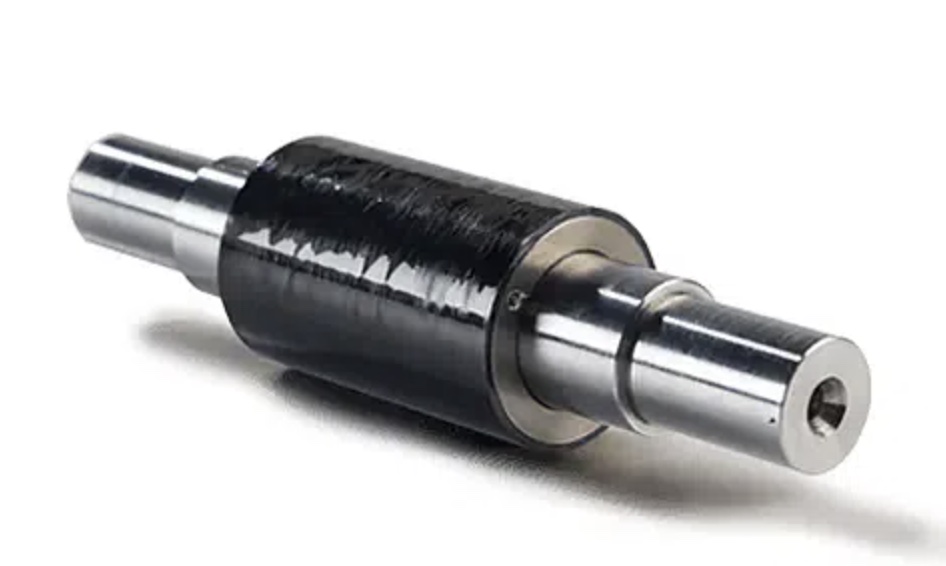
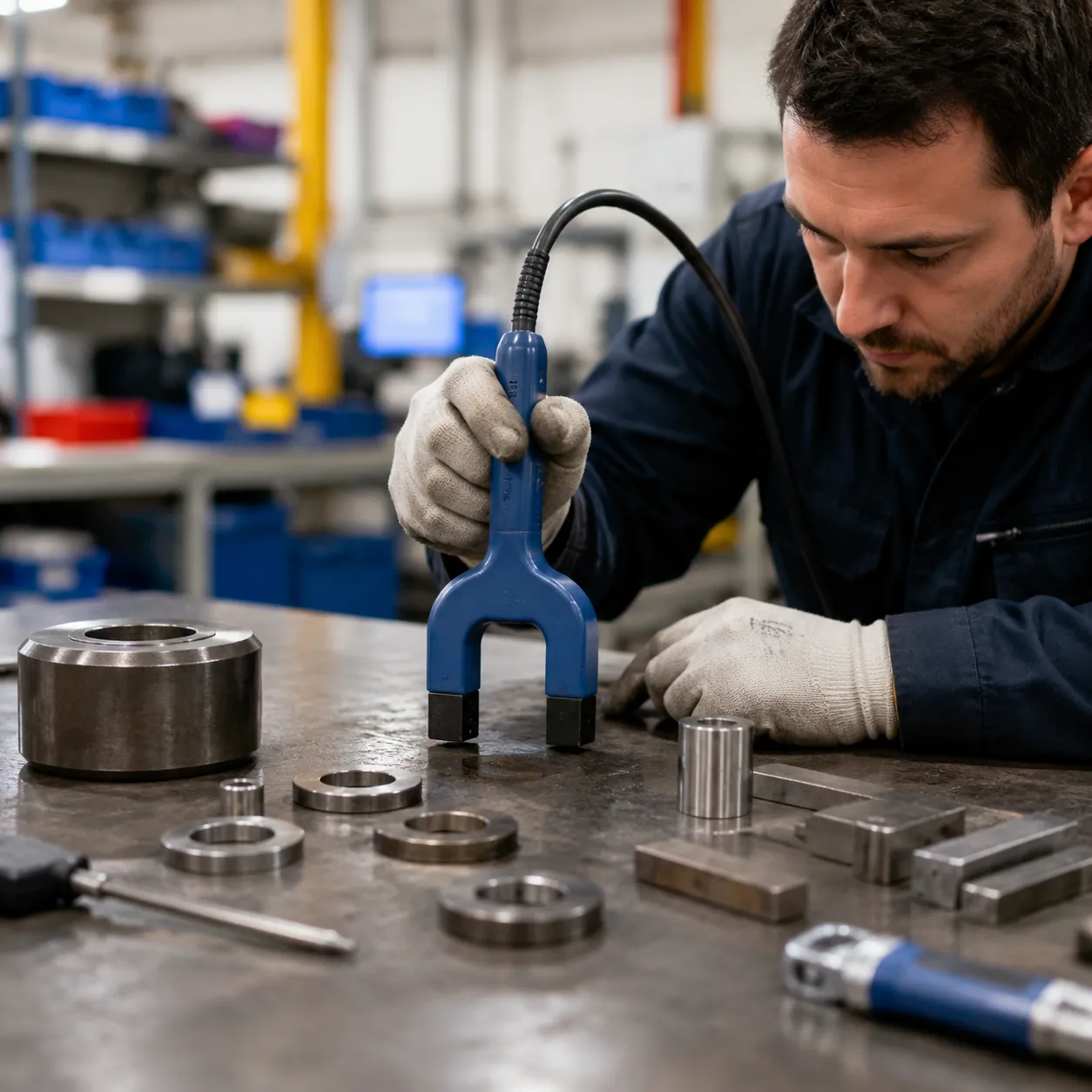
Permanent Magnet rotor assembly
When engineering a high-performance electric motor, the rotor is where the heavy lifting happens. Component failure at high RPMs is catastrophic. To maximize torque density and guarantee operational stability, every part must be flawlessly integrated. Here is a breakdown of the core elements we build into our custom magnetic assemblies.
- The Permanent Magnets: The engine of the magnetic field. We heavily customize magnet geometries—including specialized arcs, blocks, and rings—to dictate the exact magnetic flux required for your specific BLDC motor rotor.
- The Motor Lamination Core: The structural foundation. An optimized lamination core or hub provides the essential mechanical support for demanding applications, from heavy-lift elevators to highly responsive industrial servo motors.
- The Shaft: Precision is non-negotiable. We machine shafts to uncompromising tolerances to ensure perfect concentricity and dynamic balance, eliminating vibration and mechanical wear over the motor’s lifespan.
- Retaining Sleeves and Banding: The ultimate safeguard for high-speed stability. Extreme centrifugal forces can detach surface-mounted magnets. We solve this by integrating a precision high-speed motor retaining sleeve—utilizing advanced materials like carbon fiber, Inconel, or stainless steel—to securely lock the assembly together under maximum load.
Selecting Magnetic Materials for Your Permanent Magnet Rotor Assembly
Picking the right material is the first step in building reliable custom magnetic assemblies. The magnet you choose directly controls the power, heat resistance, and overall cost of your motor. As an experienced magnetic material supplier, I rely on a straightforward approach to match the right material to the specific environment of the application.
Quick Material Comparison
| Typ materiálu | Core Advantage | Best Used For |
|---|---|---|
| Neodym (NdFeB) | Unmatched power and torque density optimization. | EV traction motor magnets, high-performance industrial servos. |
| Samarium Kobalt (SmCo) | The high-temperature champion; high thermal stability. | Aerospace, heavy industry requiring reliable magnety s vysokou teplotou. |
| Ferrite, AlNiCo, Bonded | Budget-friendly and highly adaptable. | Cost-sensitive manufacturing, niche low-power applications. |
The Right Magnet for the Right Job
- Neodymium Magnet Rotor: This is the current industry standard. When you need maximum torque in a tight space, NdFeB delivers. It is the powerhouse behind most modern electric vehicles and high-demand servos.
- Samarium Cobalt (SmCo) Magnets: Heat kills magnetic fields. If your permanent magnet rotor assembly operates in an extreme environment, thermal demagnetization is a serious threat. SmCo magnets hold their strength where Neodymium fails, making them crucial for aerospace and high-heat industrial motors.
- Alternative Options: You do not always need expensive rare-earth materials. For projects with strict budget constraints or lower torque requirements, Ferrite, AlNiCo, or Bonded magnets provide excellent, cost-effective performance.
Rotor Design Configurations: SPM vs. IPM vs. Halbach
Choosing the right layout for your permanent magnet rotor assembly is critical for torque density optimization and overall motor performance. When we design a BLDC motor rotor, we typically focus on three primary configurations based on your speed and power requirements.
Povrchové permanentní magnety (SPM)
- The Layout: Magnets are mounted directly on the exterior of the rotor hub.
- The Advantage: This offers a simpler manufacturing process and is excellent for delivering smooth, consistent torque without cogging.
- The Catch: Because the magnets are exposed on the outside, a surface permanent magnet (SPM) setup requires highly robust retaining sleeves to prevent the magnets from detaching at high RPMs.
Internal Permanent Magnet (IPM)
- The Layout: Magnets are securely embedded directly inside the motor lamination core.
- The Advantage: The iron core naturally locks the magnets in place, protecting them against intense centrifugal forces without the need for exterior banding.
- The Best Fit: An internal permanent magnet (IPM) design is our go-to solution for high-speed traction motors and demanding EV applications where high-speed stability is non-negotiable.
Halbach Array Design
- The Layout: A specialized magnetic arrangement that forces the magnetic field to focus heavily on one working side while practically canceling it out on the back side.
- The Advantage: It maximizes the power-to-weight ratio by eliminating the need for a heavy iron return path.
- The Best Fit: Halbach arrays are perfect for premium custom magnetic assemblies where keeping weight low is just as important as raw power, such as in aerospace, drones, or specialized high-efficiency generators.
Engineering Challenges in High-Speed Permanent Magnet Rotor Assemblies
Pushing a motor to extreme RPMs exposes the rotor to severe physical and thermal stress. We design our assemblies to aggressively overcome these critical high-speed hurdles.
Managing Centrifugal Forces
When an engine spins at extreme speeds, centrifugal forces actively try to pull the magnets outward. Unchecked rotor expansion causes magnet detachment and total motor failure. We solve this by wrapping the assembly in a precision-engineered high-speed motor retaining sleeve—often crafted from carbon fiber, Inconel, or stainless steel—locking the magnets permanently in place against the lamination core.
Thermal Management & Eddy Current Reduction
Rapidly changing magnetic fields generate massive electrical resistance and heat, which creates a serious risk of irreversible thermal demagnetization. While starting with reliable magnety s vysokou teplotou provides a strong foundation for thermal stability, structural design choices are mandatory. We focus heavily on eddy current reduction by segmenting the magnets or utilizing specialized laminated magnet structures. This breaks the internal electrical paths, stopping excess heat generation right at the source.
Precision Dynamic Balancing
At thousands of revolutions per minute, even a microscopic weight imbalance acts like a hammer inside the motor casing.
- Micron-Level Accuracy: We dynamically balance every permanent magnet rotor assembly down to the micron.
- Eliminating NVH: Removing these tiny imbalances completely prevents destructive noise, vibration, and harshness (NVH).
- Extended Lifespan: Perfect concentricity and balance directly translate to a smoother running, more reliable motor system that requires less maintenance.
Key Industry Applications for Permanent Magnet Rotor Assemblies
We build custom magnetic assemblies designed to meet the rigorous demands of fast-growing global markets. From heavy-duty industrial environments to cutting-edge tech, a reliable permanent magnet rotor assembly is the driving force behind high-performance equipment.
- Electric Vehicle (EV) Traction Motors: Modern electric vehicles require massive power output without the added weight. We utilize optimized EV traction motor magnets to maximize torque density and overall vehicle efficiency.
- Obnovitelné zdroje energie: Wind power generators operate in harsh conditions and require decades of maintenance-free reliability. Integrating highly durable magnétech v větrných turbínách ensures consistent energy conversion and long-term stability for green energy grids.
- Industrial & HVAC/R: Commercial compressors and factory automation systems rely heavily on high-precision BLDC motor rotors. These assemblies deliver the exact speed and precise control needed for continuous, energy-efficient operation.
- Elevator & Drone Tech: Applications requiring a superior power-to-weight ratio utilize permanent magnet synchronous motors (PMSM). This specific technology allows for the heavy-load lifting required by commercial elevators as well as the lightweight agility essential for drone technology.
Why Partner for Your Permanent Magnet Rotor Assembly?
Building custom magnetic assemblies in-house by sourcing parts from several different vendors is a recipe for trouble. Fragmented sourcing naturally leads to workflow bottlenecks and quality control issues:
- Higher Production Costs: You end up paying multiple markups, separate shipping fees, and managing excessive inventory.
- Alignment Errors: Minor tolerance differences between distinct suppliers stack up, ruining the dynamic balance of your rotor.
- Handling Risks: Unassembled, powerful magnets are notoriously difficult and dangerous to handle without specialized tooling, leading to high scrap rates and safety hazards.
The Integrated Manufacturing Advantage
As an integrated manufacturer, we provide a complete, drop-in ready permanent magnet rotor assembly. With over 14 years of hands-on expertise, we streamline your supply chain, mitigate risks, and protect your bottom line.
Here is exactly what we bring to the table:
- Magnetic Design Optimization: We engineer your entire assembly from the ground up to guarantee maximum torque density and structural integrity.
- Certified Quality: We operate under strict ISO/TS16949 standards and provide full PPAP Level 3 magnet manufacturing compliance, ensuring reliable performance for automotive and industrial sectors.
- Complete In-House Capabilities: From sourcing top-tier neodymové magnety to executing high-tolerance magnet machining, keeping the entire process under one roof guarantees flawless concentricity.
- Real Cost-Efficiency: By eliminating the middleman and drastically reducing assembly scrap rates, we lower your total cost per unit while delivering a superior product.
Frequently Asked Questions (FAQs)
How does a permanent magnet rotor assembly improve efficiency?
Unlike traditional induction rotors that constantly burn power to generate a magnetic field, a permanent magnet rotor assembly supplies its own built-in magnetic field. This completely eliminates rotor copper losses and drastically cuts energy waste. This pure efficiency boost is exactly why permanent magnet generators and permanent magnet synchronous motors (PMSM) are dominating modern energy and automotive industries.
What is the primary difference between SPM and IPM rotor designs?
The key difference comes down to where the magnets are placed:
- Surface Permanent Magnet (SPM): Magnets are mounted directly to the outside of the rotor. This design provides incredibly smooth torque delivery but requires heavy-duty retention at high speeds.
- Internal Permanent Magnet (IPM): Magnets are safely embedded right inside the motor lamination core. This physical barrier naturally locks the magnets against centrifugal forces, making IPM the go-to configuration for high-speed EV traction motor magnets.
How do retaining sleeves work in high-speed applications?
When a BLDC motor rotor spins at extreme RPMs, centrifugal force actively tries to rip the magnets off the shaft. We engineer a tight high-speed motor retaining sleeve—typically wrapped in carbon fiber, stainless steel, or Inconel—around the exterior of the rotor. This sleeve compresses the magnets against the hub, locking everything down to guarantee total stability and prevent catastrophic failure.
Why choose SmCo over NdFeB for specific rotor assemblies?
A Neodymium magnet rotor is the absolute industry standard for maxing out torque density optimization and raw power. However, Neodymium loses strength in extreme heat. We rely on Magnety Samarium Cobalt (SmCo) for demanding aerospace and heavy-duty applications because they easily handle massive temperature spikes without suffering thermal demagnetization.
What role does dynamic balancing play in preventing NVH?
Noise, Vibration, and Harshness (NVH) will eventually destroy any high-speed motor. Precision dynamic balancing is how we ensure the physical weight across our custom magnetic assemblies is flawlessly distributed. Achieving this micron-level balance stops high-frequency vibrations before they start, protects the bearings, and keeps the entire system running quietly.
 Czech
Czech  English
  German
  Vietnamese
  Spanish (Mexico)
  Russian
  Turkish
  Polish
  Hindi
Hindi  Thai
Thai  Malay
Malay  Korean
  Japanese
  French
  Danish
  Dutch
Dutch  Finnish
  Italian
  Portuguese (Brazil)
  Portuguese (Portugal)
  Slovenian
  Ukrainian
  Hebrew
  Scottish Gaelic
  Hungarian
  Tagalog
  Spanish (Spain)
  Serbian
  Indonesian
  Slovak
  Dutch (Belgium)
  Persian
  Arabic
  Romanian
  Estonian
  Greek
Greek  Bulgarian
Zanechte komentář