
What Are Magnetic Domains in Rare-Earth Magnets?
Ever wonder why a high-speed servo motor unexpectedly loses torque, or why specific rare-earth permanent magnets maintain flux under extreme stress while others fail? As manufacturers with over a decade of experience engineering magnetic circuits, we trace these macroscopic engineering failures directly back to the microscopic level. It all comes down to the precise control of magnetic domains.
The Basics: Weiss Domains and Atomic Alignment
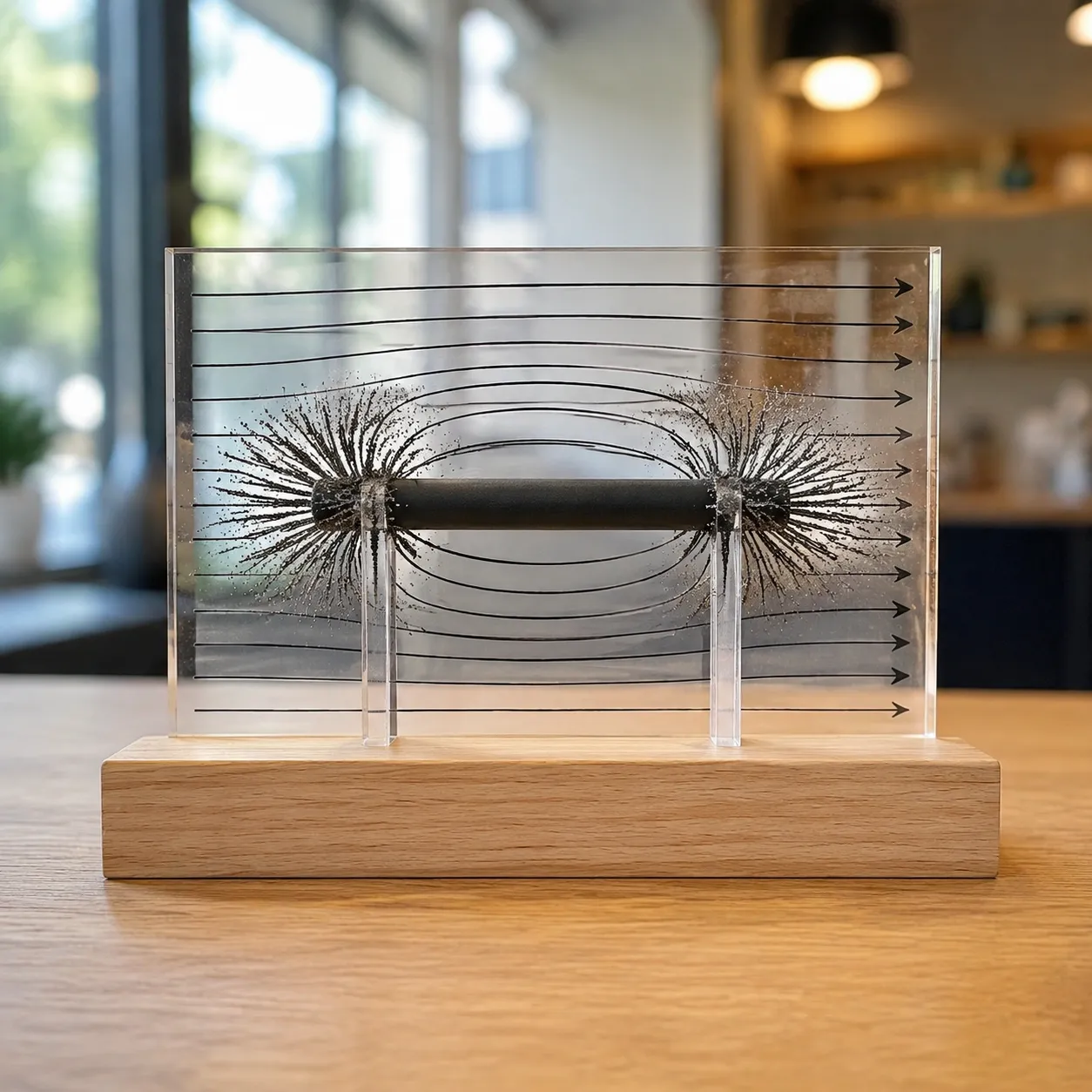
In any ferromagnetic material, atoms naturally group together into distinct, microscopic regions known as Weiss domains.
Inside each domain, the magnetic moments of the individual atoms are perfectly parallel. However, in a raw, unmagnetized state, these individual domains point in random, competing directions, effectively canceling out the overall magnetic field. To create high-performance Magnetic Domains in Samarium Cobalt Magnets, we must force these independent regions to align uniformly.
- The Easy Axis of Magnetization: This is the preferred, naturally occurring crystallographic direction within the material where it takes the least amount of external energy to achieve magnetization.
- Maximum Magnetic Strength: When an external saturating field forces all Weiss domains to align strictly along this easy axis, the material achieves peak magnetic output.
Magnetic Anisotropy in SmCo
Why does Samarium Cobalt maintain its magnetic integrity in environments that would instantly demagnetize other materials? The secret is physically locked inside its crystal lattice.
- Hexagonal Crystal Structure: SmCo is built on a highly rigid hexagonal crystalline framework. This specific atomic geometry strictly dictates how internal magnetic fields operate.
- High Magnetic Anisotropy: Because of this hexagonal lattice, SmCo possesses massive magneettinen anisooppi. This means the magnetic field is tightly concentrated and heavily restricted to flow only along the easy axis.
- The Engineering Advantage: Once the domains in a SmCo magnet are aligned during our manufacturing process, that crystalline structure acts like a vault. It tightly locks the atomic alignment in place, making it incredibly difficult for opposing forces to disrupt the domain structure.
Microstructural Mechanics: SmCo5 vs. Sm2Co17
As a manufacturer with over 14 years of experience engineering rare-earth permanent magnets, we know that the true performance of Samarium Cobalt is determined at the microscopic level. When evaluating SmCo5 vs Sm2Co17, it is crucial to understand that these two primary commercial grades rely on entirely different physical behaviors to maintain their magnetic strength.
SmCo5 and the Nucleation Mechanism
In the SmCo5 (1:5 grade) material, magnetic stability is driven by the nucleation mechanism. This grade features 180-degree domain walls that separate areas of opposite magnetic alignment.
For an SmCo5 magnet to lose its magnetization, new “reverse” domains must form—or nucleate—at the grain boundaries. Because we engineer these grain boundaries to be incredibly smooth and defect-free during the manufacturing process, it requires a massive amount of external energy to force these reverse domains to generate. This resistance is exactly what makes them reliable high coercivity magnets. You can see this resistance to demagnetization mapped out clearly when analyzing the material’s B-H curve, which illustrates how the domains hold their ground against opposing magnetic fields.
Sm2Co17 and Domain Wall Pinning
The Sm2Co17 (2:17 grade) takes a different approach, relying on a process known as domain wall pinning. Instead of depending solely on grain boundaries, this grade develops a highly complex cellular microstructure during heat treatment.
Here is how the pinning mechanism works in practical terms:
- The Cellular Network: The internal structure forms a microscopic grid of distinct cells.
- Physical Barriers: The boundaries of these cells contain specific elemental additions, such as Copper and Zirconium, which act as physical roadblocks.
- The Pinning Effect: When external forces attempt to move the domain walls and flip the magnet’s polarity, the walls get physically “pinned” or trapped by these cell boundaries.
Because the domain walls are locked in place, Sm2Co17 magnets deliver exceptional stability. When we design and optimize custom magnetic assemblies for our global B2B clients, we leverage this specific domain structure to ensure the magnets perform flawlessly even in the most demanding industrial environments.
How Domain Structures Drive Exceptional Thermal Stability
When analyzing the Magnetic Domains in Samarium Cobalt Magnets, their true value shines in extreme heat. Heat is the natural enemy of magnetic strength, but the unique internal structure of these rare-earth permanent magnets provides an incredible defense mechanism.
Combating Thermal Agitation
As temperatures rise, magnets experience thermal agitation. This extra heat energy causes the atoms inside the material to vibrate aggressively. If this vibration gets intense enough, it threatens to scramble the meticulously aligned domains. When domains lose their uniform alignment, the overall magnetic field weakens.
Reversible vs. Irreversible Flux Loss
For engineering applications, knowing how a magnet behaves under thermal stress is critical. Heat impacts magnetic domains in two distinct ways:
- Reversible domain changes: At moderate temperature increases, the magnet temporarily loses some strength. However, the domain structures hold their basic orientation. Once the environment cools down, the magnetic pull returns to normal.
- Irreversible flux loss: If the heat pushes past a specific critical threshold, the thermal energy overwhelms the material’s magnetic anisotropy. The aligned domains permanently reverse or scatter. When this happens, the magnet will not recover its full strength upon cooling and must be entirely remagnetized.
High-Temperature Performance of Sm2Co17
This is where the 2:17 grade proves its worth. The secret lies in its robust domain wall pinning mechanism. The internal cellular microstructure acts like a series of microscopic anchors, physically locking the domain walls in place so they cannot easily flip or move.
- Extreme Heat Resistance: Thanks to this tight pinning effect, these high coercivity magnets can operate continuously in environments up to 350°C (662°F) without experiencing significant demagnetization.
- Precision and Stability: Because these materials are inherently brittle and designed for harsh conditions, proper shaping is vital. Our advanced magnet machining techniques ensure that these powerful components are cut to exact tolerances without compromising their internal cellular structure or thermal stability of magnets.
Manufacturing: Aligning Domains for Maximum Performance
To turn the microscopic physics of magnetic domains in Samarium Cobalt magnets into practical, real-world power, we rely on a highly controlled magnet manufacturing process. Getting the domains to line up perfectly dictates the final strength and thermal stability of the magnet.
Here is how we lock in that performance during production:
- Powder Pressing and External Magnetic Fields: Before the material is solidified, we apply massive external magnetic fields exceeding 50 kOe during the powder pressing stage. This physical intervention forces the domains to align perfectly along their easy axis of magnetization, setting the foundation for maximum magnetic output.
- Heat Treatment and Microstructure Formation: Following the pressing stage, we utilize precise sintering and slow-cooling techniques. This highly controlled thermal phase establishes the complex cellular microstructure that is absolutely necessary for optimal domain wall pinning.
Because these microscopic structures are incredibly sensitive to processing times and temperatures, our rigorous laadunvalvonta protocols ensure that every custom batch maintains absolute consistency. By carefully managing these manufacturing steps, we guarantee that the final magnetic domains remain locked in place, delivering reliable performance in the most demanding industrial environments.
Industrial Applications Relying on Domain Stability
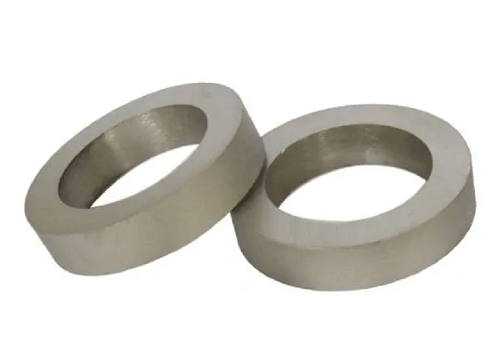
We see the microscopic physics of magnetic domains in Samarium Cobalt magnets translate directly into heavy-duty engineering utility every day. The highly stable domain structure of these rare-earth permanent magnets is exactly what prevents irreversible flux loss when machinery is pushed to its absolute limit.
When we engineer components for extreme environments, the underlying domain wall pinning mechanics guarantee that our high coercivity magnets will not fail under pressure. Here is where that microscopic domain stability makes a massive real-world impact:
- EV Motor Lamination Cores: Electric vehicle motors generate intense, sustained heat. The exceptional thermal stability of SmCo ensures steady power delivery without demagnetization, making them essential magneeteista uusiutuvassa energiassa and modern transportation systems.
- Aerospace Actuators: Flight controls demand fail-safe reliability. The tight magnetic anisotropy of these magnets easily resists the thermal and physical shocks experienced at high altitudes.
- High-Speed Servo Motors: Rapid, continuous RPM changes rely on a strong, unyielding magnetic saturation field to maintain strict precision and high torque levels.
- Magnetic Separators: Heavy-duty industrial sorting requires continuous, powerful magnetic forces in harsh conditions. Integrating these high-performance materials into a custom magneettiasennus ensures long-term operational consistency without magnetic degradation.
By physically locking those magnetic domains in place during the manufacturing process, we deliver uninterrupted performance for the most demanding engineering applications across the globe.
NBAEM’s Custom SmCo Magnet Solutions and Support
When standard off-the-shelf options fall short, our team steps in. We provide custom engineering and manufacturing for high coercivity magnets, ensuring the magnetic domains in Samarium Cobalt magnets are perfectly optimized to meet your specific operational demands.
Here is exactly what we bring to the table:
- Tailored Customization: We adjust the specific composition and magnetic characteristics to match your exact application requirements, delivering highly reliable rare-earth permanent magnets built for extreme conditions.
- Strict Quality Control: A stable cellular microstructure and consistent domain structure dictate long-term performance. We guarantee this consistency through rigorous testing and full compliance with ISO 9001, ISO 14001, and ISO/TS16949 standards, backed by comprehensive PPAP-taso 3 documentation.
- Magnet Assemblies & Sourcing: Our expert R&D team does more than just supply raw materials. We work directly with you to optimize magnet designs, significantly reduce costs, and improve your overall assembly efficiency. When your project demands exacting tolerances and custom shapes, our advanced magnet machining capabilities ensure every component fits your specifications perfectly.
FAQs: Magnetic Domains in Samarium Cobalt Magnets
How Do Domains Affect Coercivity?
Coercivity is simply a magnet’s ability to resist demagnetization. In high coercivity magnets, the internal domains are tightly locked. The more difficult it is for external forces to shift or flip these domains, the stronger and more resilient the overall magnetic field remains.
Why is Domain Wall Pinning Better in Sm2Co17?
The difference between SmCo5 vs Sm2Co17 comes down to their microscopic architecture. Sm2Co17 develops a complex cellular microstructure during production. These internal cell boundaries act as physical barricades, effectively “pinning” the domain walls in place and stopping them from shifting. SmCo5 lacks this network and relies on a weaker nucleation mechanism at its grain boundaries.
Can Extreme Heat Permanently Alter Domain Structure?
Yes, if pushed beyond its limits. While the thermal stability of magnets in the SmCo family is exceptional, extreme heat causes intense thermal agitation. Minor temperature spikes usually cause reversible domain changes. However, if the heat pushes past the material’s threshold, it permanently scrambles the domains, resulting in irreversible flux loss.
Why Does the Easy Axis of Magnetization Matter?
Se easy axis of magnetization is the crystal’s natural, preferred direction for magnetic alignment. When we force the domains to align perfectly with this axis during the magnet manufacturing process, we unlock the maximum magnetic saturation field. This strict alignment is what guarantees peak performance when we design custom magnet assemblies for demanding, high-stress industrial applications.

 Finnish
  English
  German
  Vietnamese
  Spanish (Mexico)
  Russian
  Turkish
  Polish
  Hindi
Hindi  Thai
Thai  Malay
Malay  Korean
  Japanese
  French
  Czech
Czech  Danish
  Dutch
Dutch  Italian
  Portuguese (Brazil)
  Portuguese (Portugal)
  Slovenian
  Ukrainian
  Hebrew
  Scottish Gaelic
  Hungarian
  Tagalog
  Spanish (Spain)
  Serbian
  Indonesian
  Slovak
  Dutch (Belgium)
  Persian
  Arabic
  Romanian
  Estonian
  Greek
Greek  Bulgarian
Jätä kommentti