
Are you tired of unexpected downtime caused by tramp iron destroying your crushers or contaminating your raw materials?
You might already know that a standard magnet isn’t enough to penetrate deep material layers on a fast-moving conveyor.
But how do you engineer a solution that guarantees purity without suffering from thermal degradation?
In this guide, you’re going to learn exactly how to select and customize the ultimate Electromagnetic Iron Remover for your specific industrial environment.
From calculating the necessary magnetic gradient to choosing between oil-cooled and air-cooled systems, we are sharing the engineering insights gained from over 14 years of manufacturing custom magnetic assemblies.
Let’s optimize your production line.
How Electromagnetic Iron Removers Actually Work
Struggling with conveyor damage? It usually starts with a single piece of stray metal slipping past your defenses. As a company with 14 years of experience in magnetic engineering, we know that stopping tramp iron removal failures isn’t just about sticking a magnet over a belt—it’s about understanding the physics behind the pull.
The Science Behind the Excitation Coil
It’s not magic; it’s precise magnetic circuit design. An Electromagnetic Iron Remover relies on a heavy-duty excitation coil. When direct current flows through this coil, it generates a powerful, deep-penetrating magnetic field. Unlike standard permanent magnets that are always “on,” this system allows for variable control, creating a force strong enough to lift heavy iron from deep within a moving material burden.
Electromagnetic vs. Permanent Magnets: Which Power Source?
We supply and engineer both, but the choice depends entirely on your application.
- Permanent Magnets: Utilizing materials like Neodímium (NdFeB) or Ferrit, these are ideal for thinner layers of material and require zero power to operate. We often use these in our custom mágneses összeszereléseket for steady, reliable performance in smaller setups.
- Electromagnetic Units: These are the heavy lifters. If you need to switch the magnetic field on and off (essential for self-cleaning) or require massive reach for deep burdens, electromagnetic coil excitation is the only way to go.
Understanding Magnetic Gradient and Penetration Depth
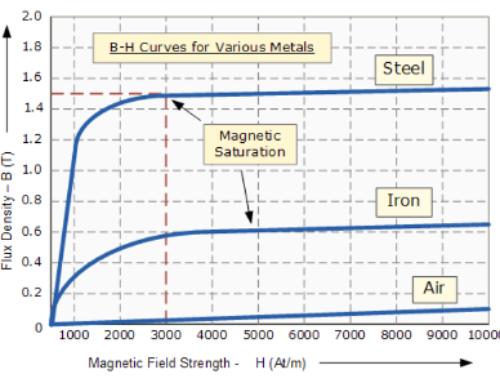
Don’t be fooled by high surface numbers. A high surface Gauss reading means nothing if the field dies out an inch away from the magnet face.
- Surface Gauss: Measures intensity right at the magnet.
- Magnetic Gradient: The rate at which that intensity changes over distance.
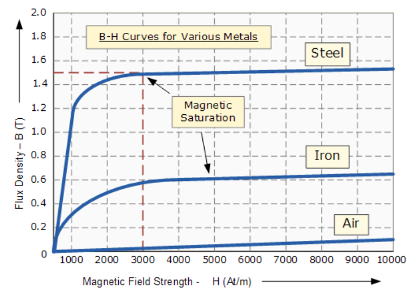
For effective industrial magnetic separation, you need a gradient engineered to maintain high mágneses fluxus sűrűség deep into the product flow. Our engineering team focuses on optimizing this “reach,” ensuring the magnet grabs that buried bolt at the bottom of the conveyor, not just the washer sitting on top.
Types of Iron Removers: Finding Your Fit
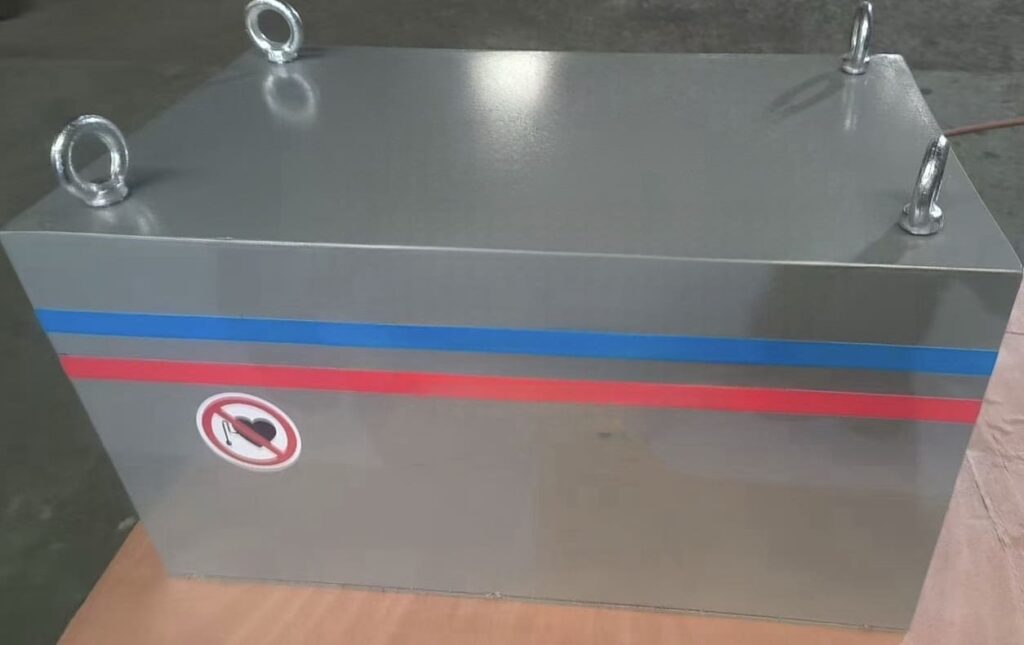
Iron Remover
Selecting the right Electromagnetic Iron Remover isn’t just about picking a model number; it’s about matching the magnetic assembly to your specific industrial environment. At NBAEM, we leverage over 14 years of R&D experience to engineer solutions that align with your material flow, ensuring efficient ferrous contamination removal without disrupting operations.
Dry vs. Wet Separation: Handling the Material State
The consistency of your product dictates the magnetic design.
- Dry Separation: For industries like mining or cement, we utilize suspension electromagnetic separators designed for dry bulk material separation. These units are engineered to pull tramp iron from deep within heavy burdens on conveyor belts.
- Wet Separation: Processing ceramic slurries or chemical liquids requires a different approach. We design specialized filters and separators that can handle liquid flow without clogging, ensuring high-purity results in wet environments.
Cooling Systems: Air-Cooled vs. Oil-Cooled
Heat is the enemy of magnetic force. As an electromagnetic coil excitation generates a magnetic field, it also generates heat, which can increase resistance and lower performance.
- Air-Cooled: Suitable for lighter loads and intermittent duty cycles. These rely on natural or forced air convection.
- Oil-Cooled (The Heavy-Duty Standard): For continuous, high-intensity operations, an oil-cooled electromagnetic separator is essential. The forced oil circulation efficiently dissipates heat from the coils, maintaining a stable mágneses fluxus sűrűség even during 24/7 shifts. This is the preferred choice for demanding environments where reliability is non-negotiable.
Manual vs. Self-Cleaning: Operational Efficiency
Your choice here depends on the volume of tramp iron and your maintenance capabilities.
- Manual Cleaning: Ideal for applications where ferrous contamination is rare. These stationary units require the belt to be stopped so an operator can manually remove the collected iron.
- Self-Cleaning (Overband): For high-contamination environments, a self-cleaning magnetic separator (often an overband magnetic separator or cross-belt separator) is the standard. These systems feature a continuously rotating armored belt that automatically discharges captured iron into a collection bin, allowing for uninterrupted processing.
By focusing on magnetic circuit design tailored to these specific operational needs, we ensure that every assembly we supply delivers maximum protection for your crushers and grinders.
Critical Specs You Can’t Ignore
Selecting the right Electromagnetic Iron Remover requires more than just guessing the size. At NBAEM, we approach every project with an engineering mindset, ensuring the industrial magnetic separation system matches your specific operational reality. Since we specialize in custom magnetic assemblies, we focus on the exact variables that dictate performance in the field.
Material Depth & Belt Speed
The relationship between your material burden and conveyor speed is the primary factor in design. A conveyor belt magnet must have enough reach to pull tramp iron removal targets from the bottom of the material burden.
- Throughput: If the material layer is too thick, standard magnets may fail to penetrate. We calculate the required mágneses fluxus sűrűség to ensure deep field penetration.
- Velocity: Faster belts reduce the “dwell time” the metal spends in the magnetic field. We adjust the magnetic circuit design to compensate for high-speed operations.
Installation Height
Balancing suspension height is a critical safety and performance trade-off. A suspension electromagnetic separator needs to be close enough to grab ferrous metal but high enough to allow material flow without obstruction.
- Force Calculation: Magnetic force drops off rapidly with distance. We engineer the coil to deliver peak force at your specific suspension gap.
- Physics: Understanding the fundamental physics, such as mi az a mágneses momentum, allows our team to optimize the coil geometry for maximum field projection.
Duty Cycle & Environment
Your workflow determines the thermal class of the insulation and cooling method.
- Continuous vs. Intermittent: For 24/7 operations, we recommend robust cooling systems to manage the heat generated by the excitation coils.
- IP Ratings: In dusty mining or humid processing environments, the enclosure must be sealed against corrosion. Our assemblies are built to withstand harsh conditions, ensuring long-term reliability.
Where Performance Matters: Industry Applications
We understand that different sectors face unique challenges when it comes to ferrous contamination removal. Drawing on over 14 years of experience in magnetic engineering, we design our Electromagnetic Iron Remover systems to meet the specific demands of heavy industries. Whether the goal is protecting expensive machinery or ensuring product purity, the application determines the magnetic circuit design.
Mining & Aggregates: Crusher Protection
In mining operations, “tramp iron”—such as broken drill bits or excavator teeth—is a major threat. If this metal reaches your primary crusher, it causes costly downtime and equipment failure. We configure mining conveyor protection systems to lift heavy tramp iron off the belt before it strikes.
- Goal: Prevent catastrophic damage to crushers and grinders.
- Megoldás: Deep-field electromagnetic separators suspended over the conveyor to handle heavy burdens.
Ceramics & Glass: Ensuring Purity
For the ceramics and glass industries, the focus shifts from machinery protection to absolute product quality. Even microscopic iron particles can ruin a batch of white ceramic or clear glass by causing discoloration or structural defects. We utilize high-gradient magnetic circuits to capture fine iron particles that standard separators often miss. Our custom magnetic tools and assemblies are engineered to maintain the strict purity standards required for these delicate materials.
Recycling & Waste-to-Energy
Efficient industrial magnetic separation is the backbone of modern recycling facilities. Recovering ferrous metals from construction waste, municipal solid waste (MSW), or biomass ensures valuable materials are recycled rather than landfilled.
- Hatékonyság: High-speed separation designed for high-volume belts.
- Tartósság: Heavy-duty coils built to withstand constant impact and dust in aggressive environments.
Power Generation: Protecting Pulverizers
Thermal power plants rely on coal pulverizers to feed boilers efficiently. If iron enters these pulverizers, it can cause mechanical failure or safety hazards. We supply robust iron removers that operate continuously to clean the coal feed, ensuring safe and uninterrupted power generation.
- Key Takeaway: Az tramp iron removal in mines to fine separation in glass plants, we tailor the magnetic force and assembly components to your specific operational environment.
Why Custom Magnetic Assemblies Beat Standard Units
Off-the-shelf solutions often fall short in demanding industrial environments. We believe that an Electromagnetic Iron Remover must be engineered specifically for the application it serves. Standard units might lack the depth of field or the heat dissipation capacity required for your specific throughput. By focusing on Egyedi mágneses szerelvények, we tailor the magnetic circuit design to match your exact operational needs, ensuring efficient tramp iron removal without wasting energy.
The Heart of the System: Coil Quality and Core Lamination
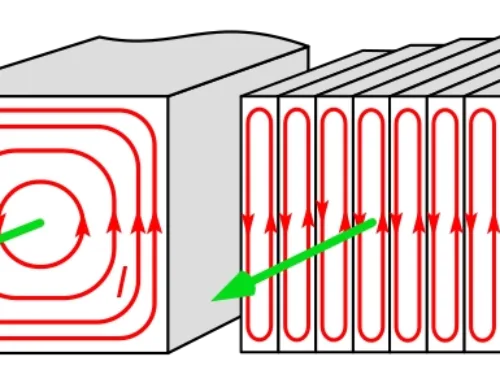
The performance of any electromagnetic separator relies heavily on the quality of its excitation coil and the iron core. We utilize high-precision lamination cores to minimize eddy current losses and maximize magnetic flux density. A poorly designed core leads to energy waste and overheating, whereas our engineered assemblies focus on concentrating the magnetic force exactly where you need it—deep into the burden depth of your conveyor.
Engineering the Circuit for Your Belt
A conveyor belt magnet is only effective if it covers the entire width of the material flow. We approach magnetic circuit design by analyzing your specific belt width, speed, and material type.
- Belt Width Matching: Ensuring the magnetic field extends fully across the belt to catch edge-positioned contaminants.
- Material Characteristics: Adjusting the gradient based on whether you are separating from coal, aggregate, or recycled waste.
- Performance Validation: It is essential to know hogyan mérjük a mágnes erősségét to verify that the gradient meets the specific pull-force requirements of your application.
Material Quality and Insulation
Reliability starts with raw materials. In our industrial magnetic separation systems, we do not cut corners on conductors. We utilize high-grade copper or aluminum for coils to ensure stable conductivity and reduced heat generation. Furthermore, we apply Class H insulation or higher to withstand the thermal stresses of continuous operation. This attention to material specifications prevents premature coil failure and extends the lifespan of the equipment.
Integrated Supply Chain: From Sourcing to Assembly
Our advantage lies in a fully integrated supply chain. With over 14 years of experience and ISO 9001/ISO 14001 certifications, we control every step of the process. From sourcing the raw magnetic materials to the final magnetic assembly, we operate at PPAP Szint 3 standards. This ensures that every component in your electromagnetic iron remover is traceable, tested, and built to perform reliably in harsh global environments.
Maintenance Tips for Long-Term Reliability
To get the most out of your investment, a consistent maintenance schedule is non-negotiable. We engineer our magnetic assemblies to withstand harsh conditions, but proactive care ensures your electromagnetic iron remover continues to protect downstream equipment effectively. Since we design these systems for demanding sectors like mining and recycling, keeping them running smoothly is straightforward if you focus on the basics.
Here is a checklist to maintain peak performance for your industrial magnetic separation units:
- Heat Dissipation & Cooling: Számára oil-cooled electromagnetic separators, regularly check the oil levels and quality. Efficient forced oil circulation is critical for managing the heat generated by the excitation coils. If the temperature rises beyond the design limit, the magnetic force drops, reducing capture efficiency.
- Belt Alignment: On self-cleaning models, keep a close watch on the discharge belt. Proper tension and alignment prevent uneven wear and ensure that tramp iron removal happens without mechanical interruptions.
- Coil Health: Routine electrical testing is vital. Measure the insulation resistance of the electromagnetic coil excitation system to detect potential shorts or degradation early. This protects the core integrity of the ipari mágnesek environments from unexpected failure.
- Physical Inspection: Regularly clear any accumulated debris that might block air vents or impede the movement of the cross-belt separator.
By sticking to these protocols, you ensure that the magnetic gradient remains stable and your production line stays free of ferrous contamination.
FAQs About Industrial Iron Removal
How do I calculate the right magnetic strength for my conveyor?
Calculating the necessary mágneses fluxus sűrűség isn’t a guessing game; it requires analyzing your specific setup. You need to consider the suspension height, the speed of your belt, and the depth of the material burden. A faster belt or deeper material layer demands a stronger, deeper-penetrating magnetic field to pull tramp iron removal effectively. Since every operation is different, we recommend consulting with an engineering specialist to model the magnetic circuit design tailored to your throughput. For complex setups, visit our home page to connect with our R&D team for a custom calculation.
Can an electromagnetic remover handle wet environments?
Absolutely, but the design must be specific to the application. Standard units might struggle, but industrial magnetic separation equipment designed for wet conditions uses sealed, oil-cooled, or encapsulated assemblies to prevent moisture ingress. Whether you are dealing with ceramic slurries or outdoor mining operations, the key is ensuring the electromagnetic coil excitation system is fully protected against corrosion and short circuits. We specialize in customizing mágneses összeszereléseket with materials like stainless steel and specialized rubber sealing to withstand harsh, damp environments.
What is the lifespan of an oil-cooled separator?
The lifespan of an oil-cooled electromagnetic separator largely depends on operating temperatures and maintenance. These units are the heavy-duty standard because the oil effectively manages heat dissipation, protecting the internal coils from burning out. With proper care—specifically monitoring oil quality and preventing overheating—these separators can operate reliably for many years. Our focus on high-quality insulation and rigorous ISO-certified manufacturing processes ensures that the core components are built to last.
How often should I test the insulation resistance?
To prevent unexpected downtime, you should test the insulation resistance of your electromagnetic iron remover regularly. For continuous duty cycles, we suggest a monthly check to ensure the coil insulation hasn’t degraded due to heat or vibration. This preventative step is critical for maintaining consistent mágneses erő and avoiding costly repairs. Regular testing is part of a solid maintenance strategy that keeps your production line running without interruption.
 Hungarian
  English
  German
  Vietnamese
  Spanish (Mexico)
  Russian
  Turkish
  Polish
  Hindi
Hindi  Thai
Thai  Malay
Malay  Korean
  Japanese
  French
  Czech
Czech  Danish
  Dutch
Dutch  Finnish
  Italian
  Portuguese (Brazil)
  Portuguese (Portugal)
  Slovenian
  Ukrainian
  Hebrew
  Scottish Gaelic
  Tagalog
  Spanish (Spain)
  Serbian
  Indonesian
  Slovak
  Dutch (Belgium)
  Persian
  Arabic
  Romanian
  Estonian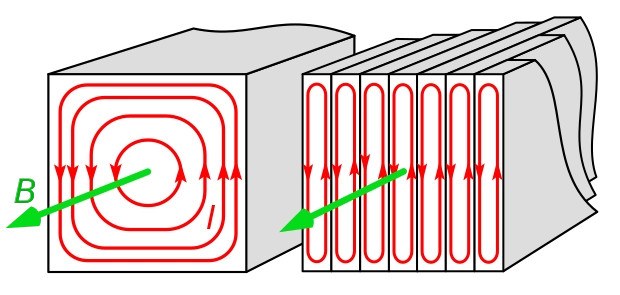
Hagyj egy hozzászólást