
If you’re designing products that need strong, reliable magnetic integration, understanding insert magnets is crucial. Insert molding permanently encapsulates magnets inside plastic parts, creating assemblies that outperform traditional glued or mechanically assembled magnets. This method offers precision, durability, and cost savings—especially for high-volume manufacturing in automotive, electronics, and industrial applications. In this guide, you’ll discover how insert injection molding works, why it’s a game-changer for magnetic components, and how NBAEM supplies premium materials to help you build the next generation of magnetically enhanced products. Let’s get started!
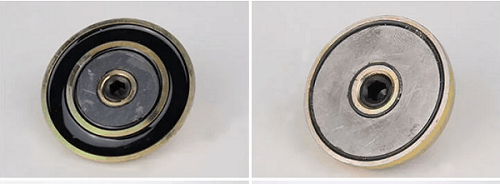
Insert magnets
What Are Insert Magnets?
Ever wonder what insert molded magnets really are and how they differ from other magnet assembly methods? Let’s break it down simply.
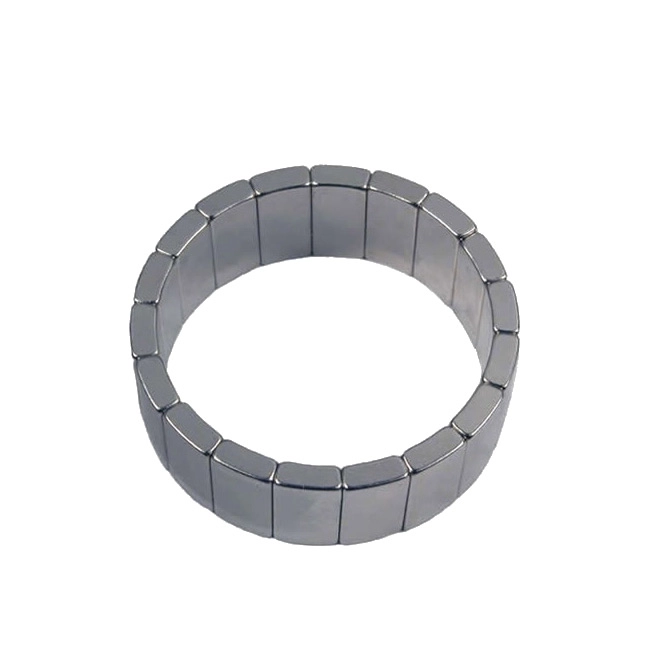
Insert magnets are permanent magnets placed directly into a mold before plastic injection. This process creates a plastic-integrated magnetic assembly where the magnet and plastic become one solid part. This differs from bonded injection-molded magnets, where magnetic powder is mixed with a polymer binder and molded into shape without inserting a solid magnet piece.
| Caratteristica | Insert Molded Magnets | Bonded Injection-Molded Magnets | Overmolding Magnets | Traditional Assembly |
|---|---|---|---|---|
| Magnet form | Solid magnet placed in mold | Powdered magnet mixed with binder | Magnet pre-made and then overmolded | Magnet and plastic assembled separately |
| Plastic integration | Plastic molded around magnet | Plastic and magnet mixed during molding | Plastic layer added over magnet | Manual assembly |
| Resistenza meccanica | High – magnet tightly locked | Lower – magnet particles bonded | Moderata | Variabile |
| Design flexibility | High – complex geometries possible | Limited by powder flow and bonding | Moderata | Depends on assembly |
| Cost & assembly steps | Reduced – single step molding | Moderata | Increased due to multi-step | High, multiple parts |
Compared to overmolding—where a magnet is coated with a plastic layer after molding—insert molding offers stronger bonding and better resistenza alla corrosione. Unlike traditional assembly, insert molding reduces misalignment and improves durability by permanently embedding magnets in plastic parts.
In breve, insert molded magnets are key to efficiently producing robust, precise, and corrosion-resistant magnetic assemblies. They are ideal for vehicles, electronics, and industrial applications where performance and reliability matter. At NBAEM, we specialize in high-performance NdFeB insert magnets crafted to exacting standards for seamless plastic integration.
The Insert Molding Process Step-by-Step
Insert molding magnets involves precise stages to ensure quality and performance in plastic-integrated magnetic assemblies. Here’s how the process typically unfolds:
1. Material Preparation
Choosing the right magnet type is crucial. Neodymium (NdFeB) magnets offer high strength and are common in insert molded magnets, while ferrite magnets provide a cost-effective alternative. These permanent magnets are combined with polymer binders like Nylon (6 or 12) or PPS to withstand the injection molding heat and pressure.
2. Magnet Placement in the Mold
Magnets are carefully positioned using techniques such as pin retainers or pinch retainers to keep them firmly in place during molding. This step is vital to prevent movement that can lead to misalignment.
3. Injection Phase
Plastic resin is injected into the mold under controlled heat and pressure. Managing these conditions is key to protecting the magnet from demagnetization and ensuring a strong bond between the magnetic part and the plastic.
4. Cooling and Demolding
Once injected, the assembly cools to solidify. Proper cooling avoids internal stresses that could weaken the bond. After cooling, the molded part is ejected from the mold.
5. Post-Magnetization (Optional)
For some applications, magnets are magnetized after molding to optimize magnetic performance without risking loss of strength during injection.
Common Challenges and Solutions
- Alignment: Using precise retainer techniques and mold design helps maintain tight tolerances.
- Bonding Strength: Selecting compatible polymer binders and ensuring proper surface preparation improves the plastic-to-magnet bond.
- Smagnetizzazione: Controlling temperature and pressure during injection is essential to preserve magnetic properties.
Insert molded magnets offer a reliable way to create complex geometries with strong mechanical and magnetic integration while reducing assembly steps. For insight into material options, see our detailed guide on magneti al neodimio ad alte prestazioni.
Advantages of Insert Molded Magnets
Insert molded magnets offer several clear benefits compared to traditional magnetic assemblies. First, they provide superior mechanical strength and impact resistance since the magnet is fully integrated into the plastic, reducing the risk of damage or loosening during use. This molding process also ensures corrosion protection and environmental sealing, which is vital for applications exposed to moisture or harsh conditions.
Another advantage is the ability to achieve tight tolerances and complex geometries that can be difficult with bonded or overmolded magnets. This precision allows for more compact and efficient designs in sensors, motors, and other devices. Additionally, insert molding reduces assembly steps, cutting down labor and time, which leads to lower overall costs for high-volume production.
Finally, these plastic-integrated magnets are ideal for high-temperature or harsh environment applications, thanks to the use of heat-resistant binders like Nylon or PPS. This improves reliability and extends product lifespan in demanding settings, making insert molded magnets a smart choice for automotive, industrial, and consumer electronics.
For more details on material options that enhance these advantages, check out the materiali magnetici pagina.
Materials Used in Insert Magnets
Insert molded magnets rely on carefully selected materials to balance performance, cost, and durability. The most common permanent magnet choices include Neodimio (NdFeB), known for its exceptional magnetic strength and compact size, and magneti in ferrite, which offer a more cost-effective option but with lower magnetic power. NdFeB insert magnets are especially popular in high-performance applications where strong magnetic fields are critical.
For the plastic encapsulation, polymer binders like Nylon 6/12 e PPS (polyphenylene sulfide) are widely used. Nylon offers good mechanical properties and chemical resistance, making it suitable for general-purpose insert molding. PPS stands out for its excellent heat resistance and dimensional stability, which is vital when magnets face high-temperature environments such as in automotive or industrial motor magnet inserts.
Customization goes beyond basic materials; selecting the right magnet grade, surface coatings (e.g., nickel, epoxy for corrosion protection), and magnetization orientation are essential to meet specific application needs. Correct orientation ensures optimal magnetic flux and performance post-injection molding. For an in-depth understanding of how magnet grades affect performance, you can explore the details on the BH curve, which explains magnetic properties relevant to material selection.
Choosing the correct materials and customization options is key to achieving durable, efficient, and corrosion-resistant magnetic parts that perform reliably in their intended environment.
Key Applications of Insert Molded Magnets
Insert molded magnets play a vital role across many industries thanks to their durability and precision. In the automotive sector, they are widely used in electric motors, sensors, and pumps—components that demand reliable magnetic performance and resistance to heat and vibration. For instance, motor magnet inserts enable efficient electric vehicle operation and improve sensor accuracy.
In elettronica di consumo, insert molded magnets are found in magnetic connectors, speakers, and device closures. These injection molded magnetic assemblies ensure tight tolerances and seamless integration, delivering a better user experience with strong, compact magnetic components.
Il industrial field relies on insert molded magnets for rotors, Hall effect sensors, and brushless DC motors where performance under harsh conditions is critical. These plastic-integrated magnets offer corrosion resistance and robustness, contributing to longer-lasting equipment.
Per medical devices and household appliances, insert-molded magnets offer precision and reliability in compact forms. Their environmental sealing and mechanical strength make them ideal for sensitive applications requiring consistent performance.
Real-world case examples often highlight cost savings and improved durability, especially when compared to traditional assembly methods. Companies benefit not only from enhanced product quality but also from streamlined manufacturing processes by choosing custom magnet insert molding solutions.
Explore more about magnet coatings to see how these protective layers enhance insert molded magnets for demanding applications.
Design Considerations for Successful Insert Molding
Design plays a crucial role in achieving high-quality insert molded magnets. To ensure reliable magnetic assemblies, focus on these key factors:
- Magnet Retention Features: Incorporate grooves, steps, or holes in the mold design to securely hold magnets in place during injection. These features prevent shifting and improve bonding strength between the magnet and polymer.
- Tolerance Management: Tight tolerances are essential for accurate fits and consistent magnetic performance. Proper mold design minimizes material shrinkage and warpage, ensuring precise placement of magnets.
- Magnetization Timing: Decide whether to magnetize before or after molding. Pre-magnetization offers easy handling but risks demagnetization due to heat and pressure during injection. Post-magnetization avoids this but requires additional processing steps.
- Testing and Quality Checks: Always test for bond strength, magnetic performance, and durability. This ensures the molded magnets withstand mechanical stresses and environmental conditions.
By optimizing these aspects, you can create durable injection molded magnetic assemblies that meet strict performance standards. For in-depth guidance on magnet handling and performance, check out how to make magneti NdFeB to understand magnet sensitivity better.
Choosing a Reliable Supplier for Insert Magnets
Picking the right supplier for insert molded magnets is key to getting a quality product that performs consistently. You want a partner with proven manufacturing expertise and access to high-grade materials, especially when working with sensitive permanent magnets like NdFeB insert magnets. Good suppliers understand the nuances of injection molded magnetic assemblies—from managing heat during molding to ensuring strong magnet-to-plastic bonding.
When evaluating suppliers, look for:
- Capacità di personalizzazione: Can they tailor magnet grades, sizes, and coatings to your specifications?
- Certifications and quality standards: ISO, RoHS compliance, and other quality marks show commitment to reliable production.
- Prototyping support: Early samples let you test magnet retention, mechanical strength, and magnetic performance before scaling up.
NBAEM stands out as a trusted supplier, delivering high-performance NdFeB insert magnets with precision and consistency. Their expertise in custom magnet insert molding assures that every magnetic rotor assembly, sensor magnet integration, or plastic encapsulated magnet you receive meets exacting standards. For detailed magnet data and options, their resources on ferrite vs neodymium magnets and custom magnet assemblies help guide your choices.
Choosing a quality supplier like NBAEM simplifies the process and leads to better product durability, performance, and cost efficiency in your insert molded magnet projects.
FAQs About Insert Molded Magnets
What is the difference between insert molding and overmolding magnets?
Insert molding involves placing a magnet directly into a mold where plastic is injected around it, creating a single, integrated part. Overmolding, by contrast, means molding a plastic layer over an already assembled magnet or magnetic component. Insert molding generally offers better mechanical strength and tighter tolerances compared to overmolded magnets or traditional assembly methods.
Can neodymium magnets withstand the injection molding process?
Yes, neodymium (NdFeB) magnets can survive the injection molding process when proper precautions are taken. Temperature control during injection and the choice of suitable polymer binders like nylon or PPS are crucial to avoid demagnetization and damage. This is a common practice in producing high-performance insert molded magnets used in demanding applications.
What are typical lead times for custom insert magnets?
Lead times vary depending on magnet size, complexity, and production volume but typically range from 4 to 8 weeks. Custom magnet insert molding often involves several stages, including prototyping, tooling, and testing to ensure quality and performance. Working with an experienced supplier helps reduce time without sacrificing reliability.
How does insert molding improve product lifespan?
Insert molded magnets benefit from superior bonding and full encapsulation within plastic, which protects them from corrosion, mechanical wear, and environmental exposure. This results in longer-lasting magnetic assemblies that maintain strength and function even in harsh conditions like automotive engines or industrial motors.
Are insert molded magnets suitable for high-volume production?
Absolutely. Insert molding is highly scalable and efficient for mass production. Its reduced assembly steps and repeatable precision ensure consistent quality and cost-effectiveness when producing large batches of sensor magnet integrations, motor magnet inserts, or plastic encapsulated magnets for various industries.

 Italian
  English
  German
  Vietnamese
  Spanish (Mexico)
  Russian
  Turkish
  Polish
  Hindi
Hindi  Thai
Thai  Malay
Malay  Korean
  Japanese
  French
  Czech
Czech  Danish
  Dutch
Dutch  Finnish
  Portuguese (Brazil)
  Portuguese (Portugal)
  Slovenian
  Ukrainian
  Hebrew
  Scottish Gaelic
  Hungarian
  Tagalog
  Spanish (Spain)
  Serbian
  Indonesian
  Slovak
  Dutch (Belgium)
  Persian
  Arabic
  Romanian

Lascia un commento