
If you’re looking to explore next-generation magnetic cooling systems, you’ve come to the right place. This cutting-edge technology is reshaping how we think about energy-efficient, eco-friendly cooling—moving far beyond the limits of traditional methods. Whether you’re an industry professional, engineer, or innovator curious about the future of refrigeration, understanding these advanced systems is key to staying ahead. And with trusted suppliers like NBAEM driving the material innovations behind this revolution, the possibilities are vast and exciting. Let’s dive in and see how magnetic cooling is set to transform sustainable cooling solutions for good.
What Are Magnetic Cooling Systems
Magnetic cooling systems use a process called the magnetocaloric effect to cool spaces and substances efficiently. When certain materials—known as magnetocaloric materials—are exposed to a magnetic field, they heat up. When the magnetic field is removed, these materials cool down. This temperature change can be harnessed to move heat away, creating a refrigeration effect without relying on traditional refrigerants.
Basic Principles of Magnetic Refrigeration
- Magnetocaloric Effect: Applying a magnetic field aligns the magnetic moments in the material, causing it to release heat (warm up).
- Heat Removal: The system transfers this heat to the environment through a heat exchanger.
- Cooling Phase: When the magnetic field is removed, the material’s magnetic moments become disordered, absorbing heat and lowering the temperature.
- Cycle Repeat: This cycle repeats rapidly to provide continuous cooling.
Comparison with Traditional Vapor-Compression Cooling Systems
| Funkcia | Magnetic Cooling | Vapor-Compression Cooling |
|---|---|---|
| Cooling Mechanism | Magnetocaloric effect | Compression and expansion of refrigerants |
| Use of Chemicals | No harmful refrigerants | Uses greenhouse gases and chemicals |
| Energetická efektívnosť | Higher potential efficiency | Moderate efficiency |
| Noise and Vibration | Lower noise, fewer moving parts | Often louder and vibration-prone |
| Údržba | Less frequent due to simpler design | Requires regular maintenance on compressors and refrigerant circuits |
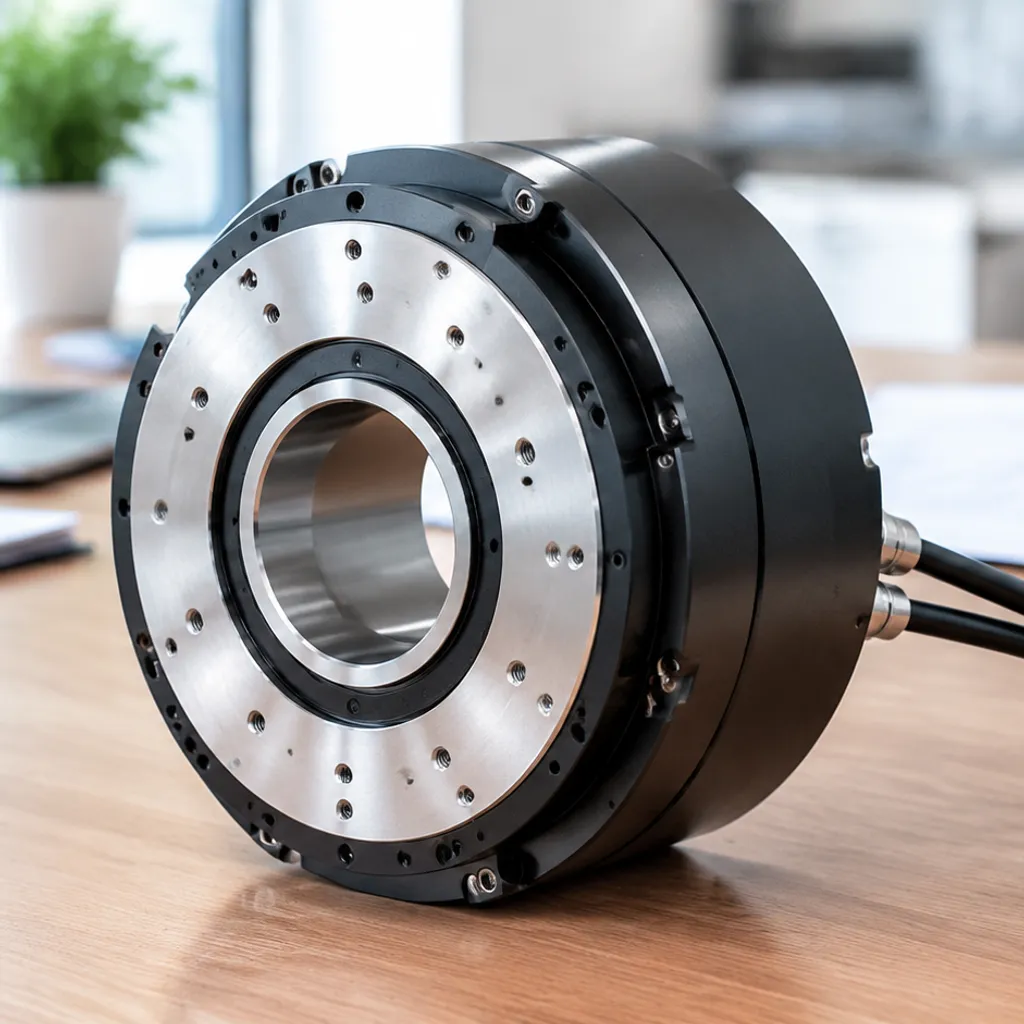
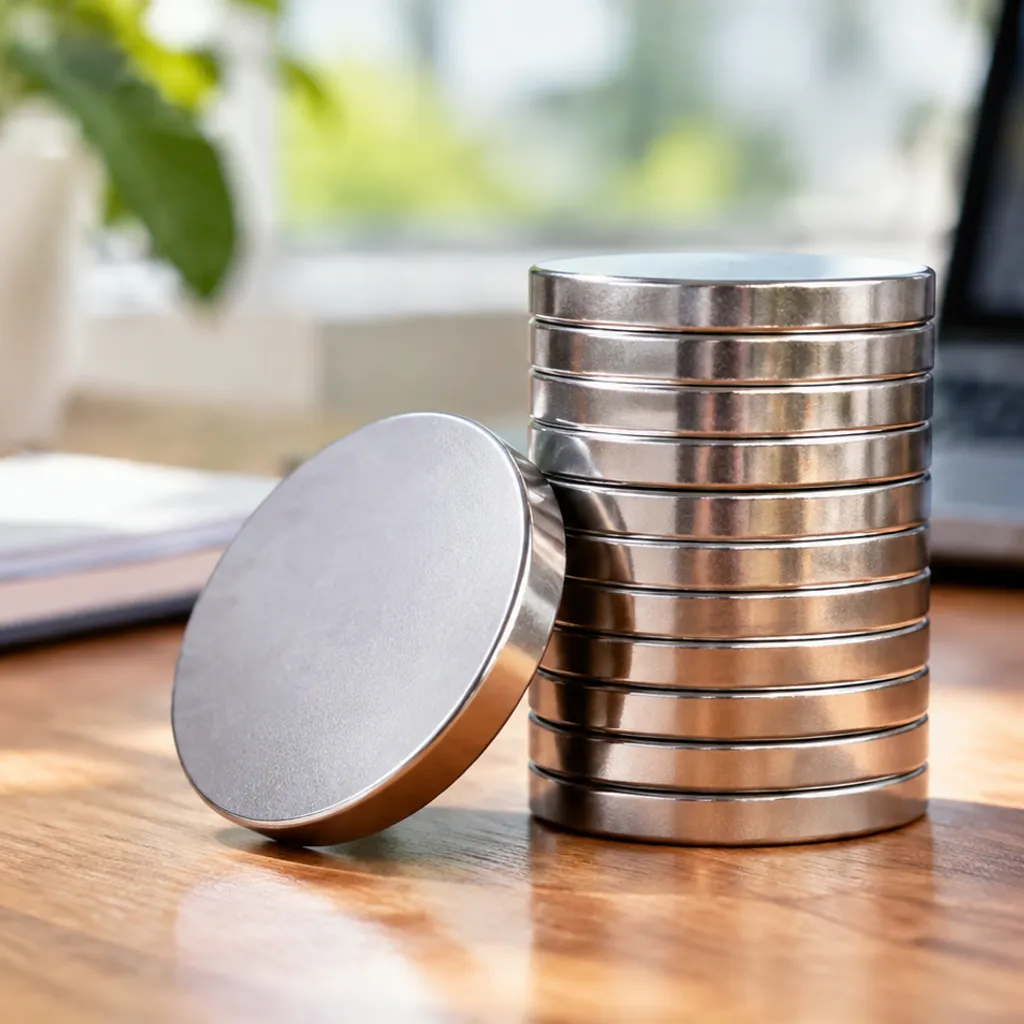
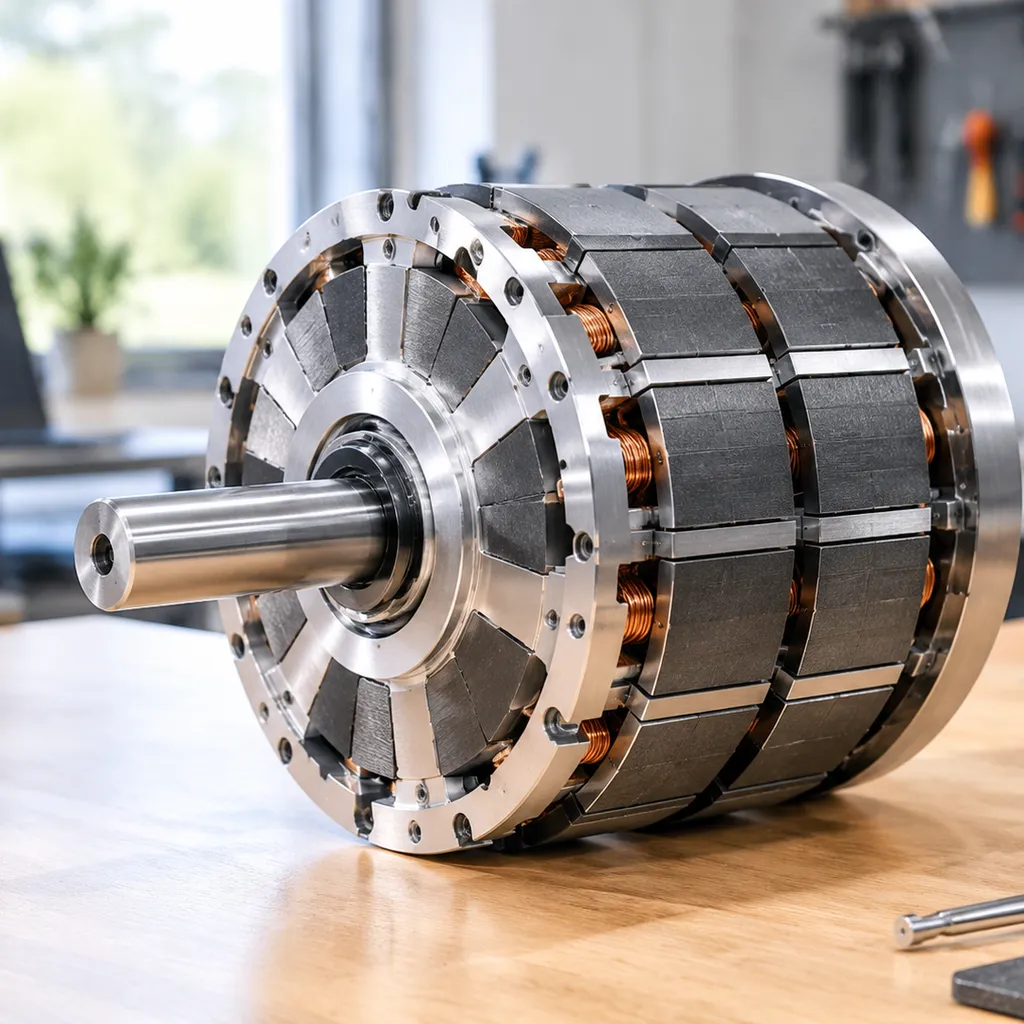
Key Components in Magnetic Cooling Systems
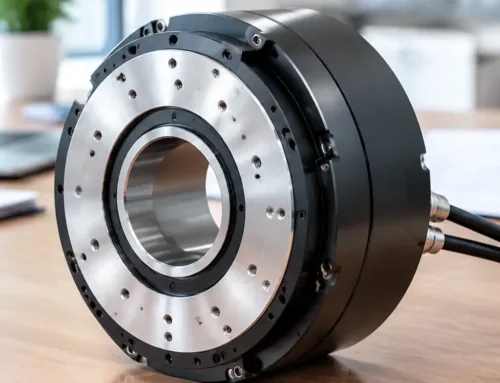
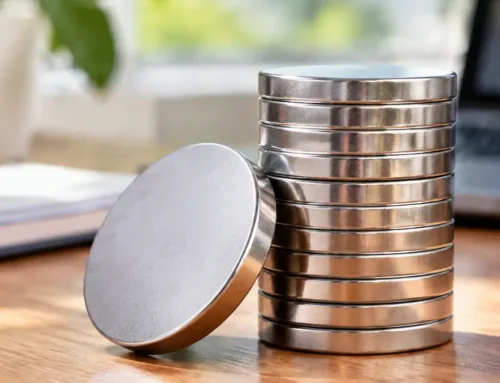
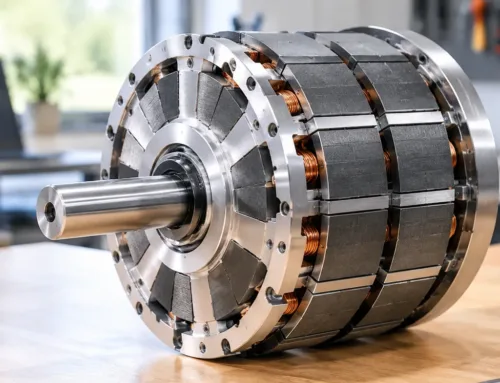
- cURL Too many subrequests by single Worker invocation. To configure this limit, refer to https://developers.cloudflare.com/workers/wrangler/configuration/#limitscURL Too many subrequests by single Worker invocation. To configure this limit, refer to https://developers.cloudflare.com/workers/wrangler/configuration/#limits
- cURL Too many subrequests by single Worker invocation. To configure this limit, refer to https://developers.cloudflare.com/workers/wrangler/configuration/#limitscURL Too many subrequests by single Worker invocation. To configure this limit, refer to https://developers.cloudflare.com/workers/wrangler/configuration/#limits
- cURL Too many subrequests by single Worker invocation. To configure this limit, refer to https://developers.cloudflare.com/workers/wrangler/configuration/#limitscURL Too many subrequests by single Worker invocation. To configure this limit, refer to https://developers.cloudflare.com/workers/wrangler/configuration/#limits
- cURL Too many subrequests by single Worker invocation. To configure this limit, refer to https://developers.cloudflare.com/workers/wrangler/configuration/#limitscURL Too many subrequests by single Worker invocation. To configure this limit, refer to https://developers.cloudflare.com/workers/wrangler/configuration/#limits
- cURL Too many subrequests by single Worker invocation. To configure this limit, refer to https://developers.cloudflare.com/workers/wrangler/configuration/#limitscURL Too many subrequests by single Worker invocation. To configure this limit, refer to https://developers.cloudflare.com/workers/wrangler/configuration/#limits
cURL Too many subrequests by single Worker invocation. To configure this limit, refer to https://developers.cloudflare.com/workers/wrangler/configuration/#limits
cURL Too many subrequests by single Worker invocation. To configure this limit, refer to https://developers.cloudflare.com/workers/wrangler/configuration/#limits

cURL Too many subrequests by single Worker invocation. To configure this limit, refer to https://developers.cloudflare.com/workers/wrangler/configuration/#limits
cURL Too many subrequests by single Worker invocation. To configure this limit, refer to https://developers.cloudflare.com/workers/wrangler/configuration/#limits cURL Too many subrequests by single Worker invocation. To configure this limit, refer to https://developers.cloudflare.com/workers/wrangler/configuration/#limitscURL Too many subrequests by single Worker invocation. To configure this limit, refer to https://developers.cloudflare.com/workers/wrangler/configuration/#limits
cURL Too many subrequests by single Worker invocation. To configure this limit, refer to https://developers.cloudflare.com/workers/wrangler/configuration/#limits
cURL Too many subrequests by single Worker invocation. To configure this limit, refer to https://developers.cloudflare.com/workers/wrangler/configuration/#limits
cURL Too many subrequests by single Worker invocation. To configure this limit, refer to https://developers.cloudflare.com/workers/wrangler/configuration/#limits
cURL Too many subrequests by single Worker invocation. To configure this limit, refer to https://developers.cloudflare.com/workers/wrangler/configuration/#limits
cURL Too many subrequests by single Worker invocation. To configure this limit, refer to https://developers.cloudflare.com/workers/wrangler/configuration/#limits
cURL Too many subrequests by single Worker invocation. To configure this limit, refer to https://developers.cloudflare.com/workers/wrangler/configuration/#limits
cURL Too many subrequests by single Worker invocation. To configure this limit, refer to https://developers.cloudflare.com/workers/wrangler/configuration/#limits
cURL Too many subrequests by single Worker invocation. To configure this limit, refer to https://developers.cloudflare.com/workers/wrangler/configuration/#limits
cURL Too many subrequests by single Worker invocation. To configure this limit, refer to https://developers.cloudflare.com/workers/wrangler/configuration/#limits
cURL Too many subrequests by single Worker invocation. To configure this limit, refer to https://developers.cloudflare.com/workers/wrangler/configuration/#limits
Magnetic cooling systems are gaining momentum worldwide, with strong growth forecasts especially in North America, Europe, and parts of Asia. More industries and consumers are recognizing the benefits of energy-efficient and eco-friendly refrigeration technologies, driving faster adoption. Governments are also stepping in with regulations aimed at reducing greenhouse gas emissions, which favors the switch from traditional vapor-compression systems to magnetic refrigeration.
However, the path to large-scale commercial use still faces hurdles. Cost reduction, material availability, and system scalability remain key challenges. Fortunately, ongoing innovations—in magnetic materials, system designs, and integration—are helping overcome these barriers. For example, advances in compact designs and intelligent controls are making magnetic cooling more practical and affordable for a wide range of applications.
Collaboration is playing a crucial role in this shift. Partnerships across the magnetic material supply chain, including suppliers of rare-earth alloys and manufacturers, are enhancing product quality and speeding development timelines. These cooperative efforts ensure that next-generation magnetic cooling systems meet the rising demand with improved performance and sustainability.
For more insights into the magnetic materials powering these innovations, explore NBAEM’s resources on posledných pokrokoch v výskume magnetických materiálov a typy magnetických materiálov.
How to Choose the Right Magnetic Materials Supplier NBAEM Advantage
Choosing the right magnetic materials supplier is key for getting reliable, high-performance components in next-generation magnetic cooling systems. Here’s what matters most when sourcing materials for your cooling applications:
Kľúčové faktory na zváženie
-
Kvalita materiálu
Ensure the supplier delivers consistent, high-grade magnetocaloric materials that meet cooling system demands.
-
Spoľahlivosť dodávateľského reťazca
Look for steady supply, timely delivery, and clear communication to avoid production delays.
-
Innovation Capability
The supplier should drive R&D to support advancing cooling tech with breakthrough alloys and rare-earth element solutions.
-
Customization Options
Cooling systems often need tailored magnetic alloys—custom sizes, compositions, or properties.
-
Certifications and Standards
Verify compliance with international quality and environmental standards to ensure product safety and performance.
NBAEM Certifications and Quality Standards
NBAEM holds multiple global certifications guaranteeing product reliability and safety, including:
| Certifikácia | Popis |
|---|---|
| ISO 9001 | Quality management system |
| cURL Too many subrequests by single Worker invocation. To configure this limit, refer to https://developers.cloudflare.com/workers/wrangler/configuration/#limits | Environmental management compliance |
| RoHS Compliant | Restricted hazardous substances standard |
Their strict quality control measures ensure each batch of materials supports high energy efficiency and eco-friendly operation in cooling systems.
Sustainability and Compliance at NBAEM
NBAEM emphasizes responsible sourcing and environmental care by:
- Using sustainable mining practices for rare-earth elements
- Maintaining transparent supply chains aligned with U.S. and international regulations
- Minimizing waste and emissions during production
- Offering full traceability from raw material to finished product
This commitment matches the growing U.S. market’s demand for green, compliant, and energy-efficient cooling technologies.
 Slovak
 English
 German
 Vietnamese
 Spanish (Mexico)
 Russian
 Turkish
 Polish
 Hindi
 Thai
 Malay
 Korean
 Japanese
 French
 Czech
 Danish
 Dutch
 Finnish
 Italian
 Portuguese (Brazil)
 Portuguese (Portugal)
 Slovenian
 Ukrainian
 Hebrew
 Scottish Gaelic
 Hungarian
 Tagalog
 Spanish (Spain)
 Serbian
 Indonesian
 Dutch (Belgium)
 Persian
 Arabic
 Romanian
 Estonian
 Greek
 Bulgarian
Zverejniť komentár