
Biranje pravog NdFeB magneta za vašu vetroturbinu isn’t just about picking the strongest one off the shelf. The ideal magnet needs to withstand harsh environments, deliver consistent magnetic performance, and ensure long-term reliability — all while balancing cost and durability. If you’re involved in wind turbine design, manufacturing, or maintenance, understanding how to select the perfect neodymium-iron-boron magnet can make a huge difference in your turbine’s efficiency and lifespan. In this guide, we’ll break down exactly what you need to know to choose the best NdFeB magnets for wind turbines, helping you avoid costly mistakes and optimize your project from the ground up. Let’s get started!
Understanding NdFeB Magnets in Wind Turbine Applications
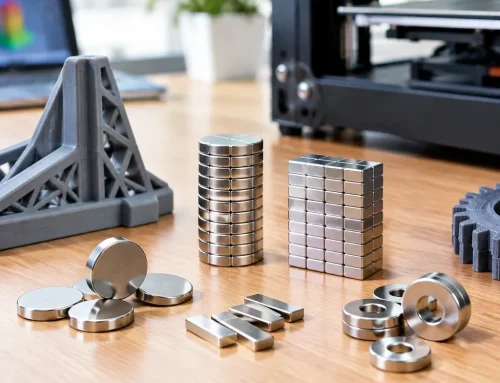
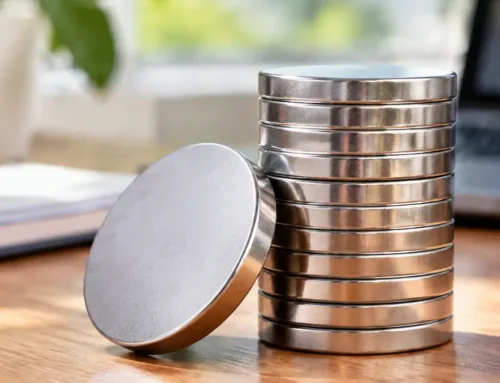
NdFeB magnets, or neodymium-iron-boron magnets, are a type of rare-earth permanent magnet known for their exceptional magnetic strength. They are widely preferred in wind turbine applications because they deliver high performance in compact sizes, making turbines more efficient and lighter.
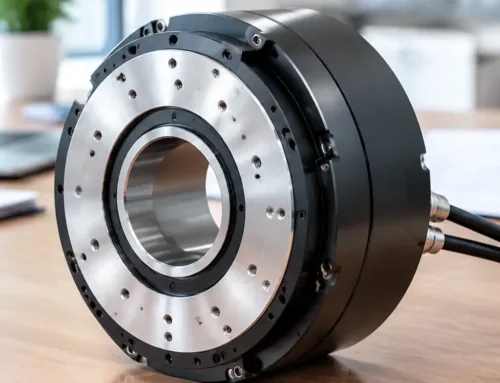
In wind turbines, NdFeB magnets are mainly used in permanent magnet generators (PMGs). These magnets help convert mechanical energy from the spinning blades into electrical energy without the need for external excitation. This improves reliability and reduces maintenance compared to traditional electromagnets.
Key magnetic properties that make NdFeB magnets suitable for wind turbines include:
- Magnetska snaga: High flux density enables efficient power generation.
- Koercivnost: Strong resistance to demagnetization ensures stable performance under fluctuating magnetic fields.
- Ostupanje uzoraka: The ability to retain magnetization contributes to consistent generator output.
Overall, NdFeB magnets are critical components in modern wind turbine designs, offering a balance of power, durability, and efficiency necessary for renewable energy production.
Critical Factors When Choosing NdFeB Magnets for Wind Turbines Magnetic Performance Requirements
When picking NdFeB magnets for wind turbines, magnetic performance is a top priority. The magnet’s grade directly affects how strong and efficient the turbine generator will be. Higher-grade magnets offer better magnetic flux density, meaning they generate more power in a smaller size.
Grade Selection and Magnetic Flux Density
- N35 to N52 grades are common, with N52 providing the highest energy product (up to 52 MGOe) for maximum power output.
- Mid-range grades like N40H or N45SH are popular for balancing power and cost.
- Higher grades mean stronger magnetic fields, which improves generator efficiency and reduces size and weight.
Temperature Stability and Maximum Operating Temperature
Wind turbines work in variable and sometimes extreme temperatures. NdFeB magnets lose magnetic strength if they get too hot, so temperature resistance matters:
| Klasa | Maksimalna radna temperatura | Ključne karakteristike |
|---|---|---|
| cURL Too many subrequests by single Worker invocation. To configure this limit, refer to https://developers.cloudflare.com/workers/wrangler/configuration/#limits | 80°C | cURL Too many subrequests by single Worker invocation. To configure this limit, refer to https://developers.cloudflare.com/workers/wrangler/configuration/#limits |
| cURL Too many subrequests by single Worker invocation. To configure this limit, refer to https://developers.cloudflare.com/workers/wrangler/configuration/#limits | 120°C | cURL Too many subrequests by single Worker invocation. To configure this limit, refer to https://developers.cloudflare.com/workers/wrangler/configuration/#limits |
| cURL Too many subrequests by single Worker invocation. To configure this limit, refer to https://developers.cloudflare.com/workers/wrangler/configuration/#limits | 150°C | cURL Too many subrequests by single Worker invocation. To configure this limit, refer to https://developers.cloudflare.com/workers/wrangler/configuration/#limits |
| cURL Too many subrequests by single Worker invocation. To configure this limit, refer to https://developers.cloudflare.com/workers/wrangler/configuration/#limits | 180°C | cURL Too many subrequests by single Worker invocation. To configure this limit, refer to https://developers.cloudflare.com/workers/wrangler/configuration/#limits |
cURL Too many subrequests by single Worker invocation. To configure this limit, refer to https://developers.cloudflare.com/workers/wrangler/configuration/#limits
cURL Too many subrequests by single Worker invocation. To configure this limit, refer to https://developers.cloudflare.com/workers/wrangler/configuration/#limits cURL Too many subrequests by single Worker invocation. To configure this limit, refer to https://developers.cloudflare.com/workers/wrangler/configuration/#limits.
Critical Factors When Choosing NdFeB Magnets for Wind Turbines Environmental Resistance
cURL Too many subrequests by single Worker invocation. To configure this limit, refer to https://developers.cloudflare.com/workers/wrangler/configuration/#limits
Corrosion Resistance Challenges
- cURL Too many subrequests by single Worker invocation. To configure this limit, refer to https://developers.cloudflare.com/workers/wrangler/configuration/#limits cURL Too many subrequests by single Worker invocation. To configure this limit, refer to https://developers.cloudflare.com/workers/wrangler/configuration/#limits
- cURL Too many subrequests by single Worker invocation. To configure this limit, refer to https://developers.cloudflare.com/workers/wrangler/configuration/#limitscURL Too many subrequests by single Worker invocation. To configure this limit, refer to https://developers.cloudflare.com/workers/wrangler/configuration/#limits
- cURL Too many subrequests by single Worker invocation. To configure this limit, refer to https://developers.cloudflare.com/workers/wrangler/configuration/#limits cURL Too many subrequests by single Worker invocation. To configure this limit, refer to https://developers.cloudflare.com/workers/wrangler/configuration/#limits
Coating Options and Benefits
cURL Too many subrequests by single Worker invocation. To configure this limit, refer to https://developers.cloudflare.com/workers/wrangler/configuration/#limits
- cURL Too many subrequests by single Worker invocation. To configure this limit, refer to https://developers.cloudflare.com/workers/wrangler/configuration/#limits
- cURL Too many subrequests by single Worker invocation. To configure this limit, refer to https://developers.cloudflare.com/workers/wrangler/configuration/#limits
- cURL Too many subrequests by single Worker invocation. To configure this limit, refer to https://developers.cloudflare.com/workers/wrangler/configuration/#limits
- cURL Too many subrequests by single Worker invocation. To configure this limit, refer to https://developers.cloudflare.com/workers/wrangler/configuration/#limits
- Epoksij
- cURL Too many subrequests by single Worker invocation. To configure this limit, refer to https://developers.cloudflare.com/workers/wrangler/configuration/#limits
- cURL Too many subrequests by single Worker invocation. To configure this limit, refer to https://developers.cloudflare.com/workers/wrangler/configuration/#limits
- Flexible, reducing risk of cracking
- Cink
- Good for moderate corrosion protection
- Lightweight and cost-effective
- Best suited for less aggressive environments
Some manufacturers also combine coatings, such as nickel-epoxy, to maximize protection. For wind turbines, especially offshore or in industrial zones, a multi-layer coating often makes the most sense for longer magnet life and minimal maintenance.
What Works Best for U.S. Wind Farms
In the U.S., where coastal and industrial wind farms are common, opting for NdFeB magnets with nickel or nickel-epoxy coatings offers a smart balance of durability and cost. These coatings stand up well against salt spray and humidity, ensuring your turbine magnets stay strong and reliable through wet seasons and salty air.
Mechanical and Structural Considerations
When choosing NdFeB magnets for wind turbines, mechanical strength and fracture toughness are crucial. These magnets need to withstand constant stress and vibration during turbine operation without cracking or breaking. Since wind turbines face heavy mechanical loads and rapid changes in torque, the magnet’s ability to resist chipping or fracturing directly impacts reliability and lifespan.
Vibration resistance is another key factor. Magnets that can tolerate ongoing vibration reduce the risk of damage and ensure stable magnetic performance over time. Look for magnets specially designed for durability in harsh, dynamic conditions typical of wind turbine generators.
Ensuring proper handling during installation is important, too. NdFeB magnets can be brittle, so careful packaging and mounting reduce the chance of mechanical damage, which ultimately protects performance and safety.
Critical Factors When Choosing NdFeB Magnets for Wind Turbines Thermal Management
Thermal management is a big deal when picking NdFeB magnets for wind turbines. These magnets can lose strength if they get too hot—a problem called thermal demagnetization. Every NdFeB magnet has a Curie temperature, the point where it completely loses magnetism. But even before reaching that temperature, magnets start to weaken if they exceed their max operating temperature.
For wind turbines, especially those in hotter climates or with high-speed generators, it’s crucial to select magnet grades that handle heat well. Grades like N40H, N45SH, or N52SH stand out because they maintain magnetic strength at higher temps (up to around 180°C). Choosing the right grade helps avoid performance drops and extends the magnet’s life.
Here’s what to keep in mind:
- Max Operating Temperature: Use magnets rated for the operating range of your turbine components.
- Grade Selection: Higher ‘H’ and ‘SH’ grades offer better thermal stability.
- Avoid Thermal Demagnetization: Overheating can permanently reduce magnet power.
- Consider Cooling Systems: Sometimes physical cooling or heat sinks are needed for extreme conditions.
Picking NdFeB magnets with strong thermal resistance ensures your wind turbine’s permanent magnets keep delivering reliable power without downtime or losses.
Critical Factors When Choosing NdFeB Magnets for Wind Turbines Cost vs Performance Trade-offs
When picking NdFeB magnets for wind turbines, balancing cost and performance is key. Higher-grade magnets like N52SH or N45UH deliver stronger magnetic flux and better temperature resistance but come with a higher price tag. Lower-grade magnets save upfront costs but might not last as long or perform well under stress.
Coatings also affect costs. Premium coatings such as nickel or epoxy offer better corrosion resistance, reducing maintenance needs in harsh environments like coastal or industrial areas—but they add to the initial expense. Cheaper coatings might save money now but can lead to faster degradation.
Investing more in quality magnets and coatings upfront often pays off with lower long-term maintenance and downtime costs. Durable magnets reduce the risk of failure, keeping your turbine running smoothly and boosting reliability—critical for renewable energy projects relying on consistent output.
Common NdFeB Magnet Grades Used in Wind Turbines
When choosing NdFeB magnets for wind turbines, understanding the common grades helps match magnet performance to your turbine’s size and power needs. Here’s a quick look at popular grades used in the industry and what makes them suitable:
| Klasa | Maksimalna energija (MGOe) | Max Operating Temperature (°F) | Typical Use Case |
|---|---|---|---|
| cURL Too many subrequests by single Worker invocation. To configure this limit, refer to https://developers.cloudflare.com/workers/wrangler/configuration/#limits | 35 | 176 | Small to medium turbines, budget-friendly option |
| cURL Too many subrequests by single Worker invocation. To configure this limit, refer to https://developers.cloudflare.com/workers/wrangler/configuration/#limits | 40 | 356 | Medium turbines, better temperature stability |
| cURL Too many subrequests by single Worker invocation. To configure this limit, refer to https://developers.cloudflare.com/workers/wrangler/configuration/#limits | 52 | 392 | Large turbines, high power output, harsh conditions |
Grade Selection Tips:
- N35M: Works well if your turbine runs in mild environments and cost matters.
- N40H: A solid choice for turbines exposed to higher temps; good balance of performance and price.
- N52SH: cURL Too many subrequests by single Worker invocation. To configure this limit, refer to https://developers.cloudflare.com/workers/wrangler/configuration/#limits
How NBAEM’s range fits in
cURL Too many subrequests by single Worker invocation. To configure this limit, refer to https://developers.cloudflare.com/workers/wrangler/configuration/#limits
cURL Too many subrequests by single Worker invocation. To configure this limit, refer to https://developers.cloudflare.com/workers/wrangler/configuration/#limits
Customization and Supplier Selection Criteria
cURL Too many subrequests by single Worker invocation. To configure this limit, refer to https://developers.cloudflare.com/workers/wrangler/configuration/#limits
cURL Too many subrequests by single Worker invocation. To configure this limit, refer to https://developers.cloudflare.com/workers/wrangler/configuration/#limits
cURL Too many subrequests by single Worker invocation. To configure this limit, refer to https://developers.cloudflare.com/workers/wrangler/configuration/#limits
Installation and Maintenance Tips for NdFeB Magnets in Wind Turbines
cURL Too many subrequests by single Worker invocation. To configure this limit, refer to https://developers.cloudflare.com/workers/wrangler/configuration/#limits
cURL Too many subrequests by single Worker invocation. To configure this limit, refer to https://developers.cloudflare.com/workers/wrangler/configuration/#limits
cURL Too many subrequests by single Worker invocation. To configure this limit, refer to https://developers.cloudflare.com/workers/wrangler/configuration/#limits
 Serbian
 English
 German
 Vietnamese
 Spanish (Mexico)
 Russian
 Turkish
 Polish
 Hindi
 Thai
 Malay
 Korean
 Japanese
 French
 Czech
 Danish
 Dutch
 Finnish
 Italian
 Portuguese (Brazil)
 Portuguese (Portugal)
 Slovenian
 Ukrainian
 Hebrew
 Scottish Gaelic
 Hungarian
 Tagalog
 Spanish (Spain)
 Indonesian
 Slovak
 Dutch (Belgium)
 Persian
 Arabic
 Romanian
 Estonian
 Greek
 Bulgarian
Ostavite komentar