
You might already know that ferrous contamination is the silent killer of production efficiency and product purity.
But do you know exactly how to stop it before it reaches your expensive machinery?
Enter the magnetic grid.
Also known as a hopper magnet or grate magnet, this simple yet powerful assembly is the first line of defense in industrial filtration.
As a manufacturer, I know that not all grids are created equal. The difference between a standard magnet and a precision-engineered separator na magnetic can be the difference between a clean run and a costly recall.
In this guide, you’re going to learn exactly what a magnetic grid is, how the internal magnetic circuit works, and how to select the right Gauss rating for your specific application.
Let’s dive right in.
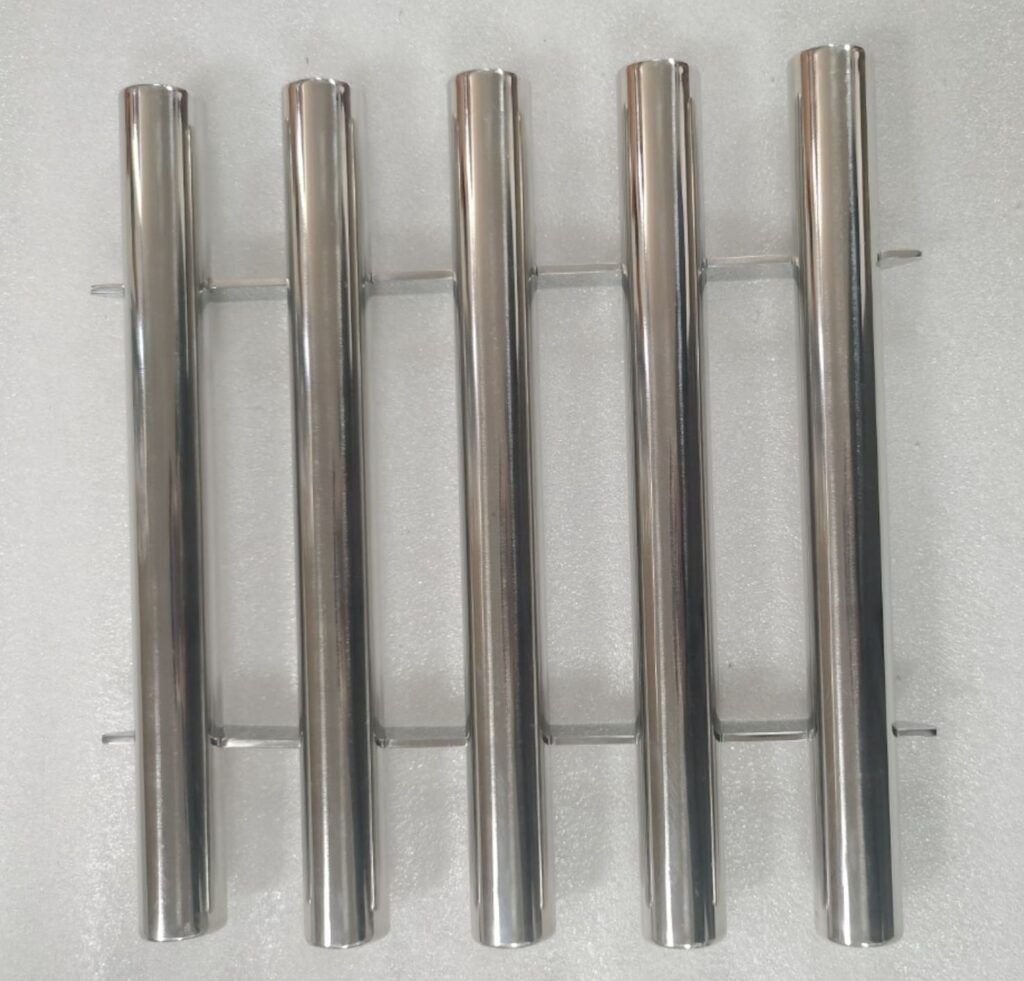
Magnetic grid
Anatomy of a Magnetic Grid: How It Works
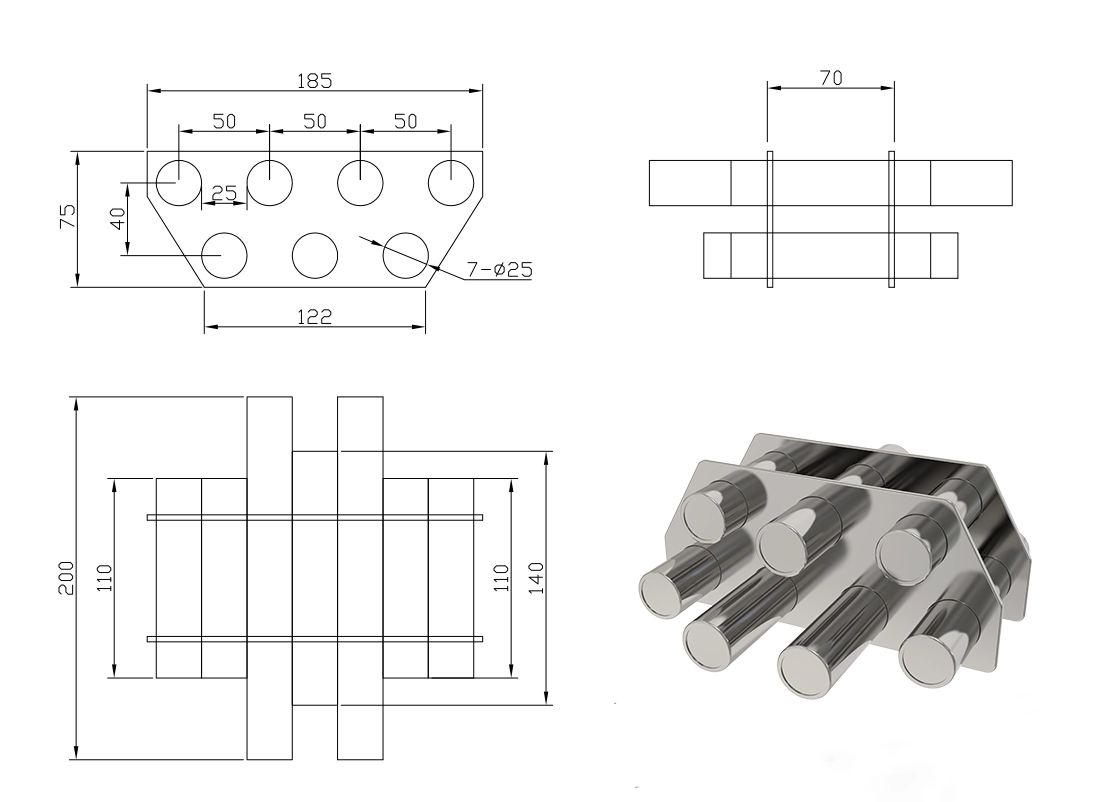
When we engineer a magnetic grid (often called a grate magnet or hopper magnet), our primary goal is creating an impenetrable defense line against contamination. At first glance, it looks like a simple framework of tubes, but the internal engineering is what separates a standard filter from a high-performance separator na magnetic. We design these grids to sit directly in the flow of product—whether inside a hopper, a chute, or a floor opening—forcing materials to pass through a powerful magnetic field.
Construction and Housing Materials
Durability and hygiene are non-negotiable in industrial processing. That is why we construct our grids using premium 304 or 316L stainless steel tubes. These materials are essential for resisting corrosion and ensuring the unit remains waterproof, even in harsh liquid environments.
- Sanitary Finish: We utilize precision laser welding and fine polishing to create a seamless surface. This eliminates cracks where bacteria could hide, making the grids fully compliant with food-grade and pharmaceutical standards.
- Robust Framework: The stainless steel housing protects the fragile magnetic cores inside from physical impact and wear caused by abrasive material flow.
Internal Magnetic Circuit Design
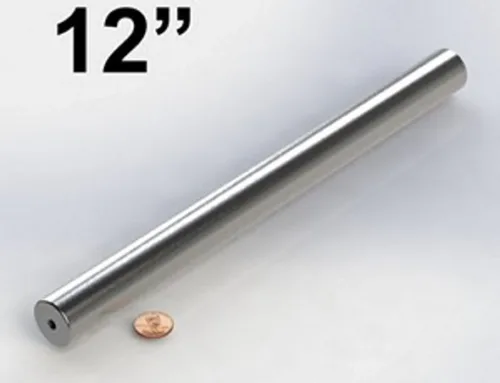
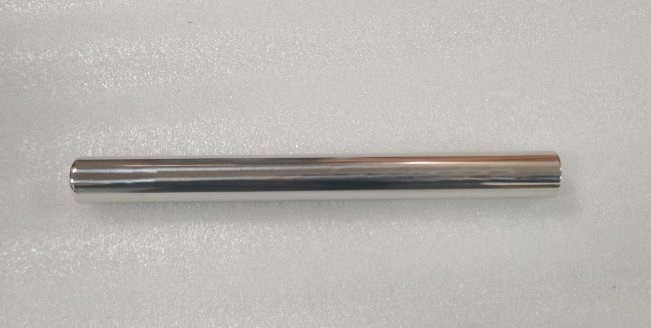
The true power of a stainless steel magnetic filter lies inside the tubes. We utilize high-performance Rare Earth Neodymium (NdFeB) magnets to generate an intense magnetic circuit. Unlike older ferrite models, these modern circuits are designed to focus the magnetic flux density directly on the tube surface.
- High Gauss Rating: Our advanced circuit designs achieve surface field strengths up to 12,000 Gauss (1.2 Tesla).
- Optimized Spacing: The magnets are arranged to ensure there are no “dead spots” along the length of the rod, guaranteeing consistent holding force.
Mechanism of Capturing Tramp Metal
The operating principle is straightforward but highly effective. As free-flowing dry goods or liquids cascade through the grid, the material is forced to navigate around the bars. This physical disruption slows the flow slightly, allowing the 12,000 Gauss magnet field to penetrate the product stream.
- Ferrous Contamination Removal: Iron filings, chips, and work-hardened stainless steel fragments are instantly attracted to the tubes.
- Secure Holding: Once the tramp metal hits the tube surface, the high-gradient magnetic field holds it firmly in place against the flow pressure until the grid is removed for cleaning. This prevents “wash-off,” where captured metal is knocked back into the product stream.
Material Selection: Neodymium vs. Ferrite Magnets
Choosing the right core material is the most critical decision when configuring a separator na magnetic. The effectiveness of the grid depends entirely on the strength and durability of the magnets sealed inside the stainless steel tubes. We typically offer two primary options to match different filtration stringency and budget requirements.
Neodymium (Rare Earth) for Fine Particle Capture
For high-precision applications, we utilize Neodymium (NdFeB). Ang mga magneto ng bihirang lupa are the industry standard for capturing fine metal contamination. Our high-performance models achieve a surface magnetic field of up to 12,000 Gauss (1.2 Tesla). This extreme intensity allows the Neodymium magnetic bars to trap microscopic ferrous particles and paramagnetic materials that weaker magnets would miss. This is the preferred choice for food, pharmaceutical, and chemical industries where product purity is paramount.
Ferrite (Ceramic) for Cost-Effective Separation
Magnets na Ferrite provide a reliable, lower-cost alternative for general machinery protection. While they do not possess the high flux density of rare earth options, they are effective at capturing larger tramp metal such as nuts, bolts, and nails. We recommend ferrite grids for primary separation stages where the goal is preventing damage to downstream equipment rather than achieving sanitary-grade purity.
Temperature Considerations
Heat tolerance is a vital factor in maintaining magnetic performance. Our standard Magnet na pang-assemble units are designed for operating temperatures up to 80°C. However, industrial environments often exceed this limit. To prevent irreversible demagnetization, we engineer custom high-temperature grids capable of withstanding up to 350°C. It is essential to specify your maximum process temperature, as using a standard grade in a high-heat application will rapidly degrade the grid’s efficiency.
Types of Magnetic Grid and Configurations
We design our separator na magnetic systems to fit seamlessly into existing production lines, whether you are dealing with gravity-fed chutes or complex housing assemblies. Choosing the right configuration is just as important as the magnetic strength itself.
Shape Variations: Circular vs. Rectangular
The shape of the grate magnet depends entirely on your equipment interface.
- Circular Grids: These are the industry standard for conical hopper magnets. They drop directly into the throat of the hopper to protect injection molding machines or extruders.
- Rectangular/Square Grids: We use these for square chutes, bins, and ductwork. The goal is to cover the entire cross-section of the material flow so there are no “dead zones” where tramp metal can slip through.
Cleaning Mechanisms: Standard vs. Easy-Clean
Maintenance speed dictates which model you should choose.
- Standard Grid: This is a fixed assembly. To clean it, you remove the grid and manually wipe the ferrous debris off the bars. It is cost-effective and works best for applications with low levels of contamination.
- Easy-Clean Magnetic Grid: For high-volume lines, we recommend this design. It uses a sleeve system over the rods. When you pull the magnetic cores out, the magnetic field is removed, and the collected metal instantly falls off. This drastically reduces downtime.
Single vs. Multi-Layer Filtration
At the core of these configurations are powerful neodymium magnets that ensure high capture rates, but the layout determines the final purity.
- Single-Layer: Suitable for general protection where the material flow is slow or the contamination risk is low.
- Multi-Layer: For critical applications like food or pharma, we stack grids. We often offset the bars or add deflector bars to create a “tortuous path.” This forces the material to hit a magnetic surface, maximizing ferrous contamination removal.
Key Industrial Applications for Magnetic Grid
We engineer our magnetic grids to serve as the critical defense line in processing facilities globally. Whether the goal is protecting expensive machinery or ensuring consumer safety, these separators are versatile enough to handle free-flowing materials across diverse sectors. The specific application often dictates the required magnetic strength and housing material.
Plastic and Injection Molding Protection
In the plastics industry, a hopper magnet is standard equipment for protecting injection molding machines, extruders, and blow molders. We design these grids to sit directly at the feed throat, capturing tramp metal—like loose screws, staples, or machining chips—before they enter the barrel. This simple installation prevents costly damage to screws, check rings, and nozzles, significantly reducing maintenance downtime.
Food and Beverage Safety (HACCP Compliance)
For food processors, maintaining product purity is non-negotiable. We manufacture sanitary stainless steel magnetic filters using 304 or 316L grades, fully welded and polished to meet hygiene standards. These grids are essential for HACCP magnetic compliance, effectively removing fine iron dust and contaminants from ingredients like flour, sugar, spices, and grains to ensure the final product is safe for consumption.
Chemical and Pharmaceutical Purity
Chemical and pharmaceutical lines require the highest level of filtration precision. In these applications, we utilize high-intensity Mga magnet na bihirang lupa (specifically Neodymium) capable of reaching 12,000 Gauss. This extreme magnetic flux density is necessary to capture microscopic paramagnetic particles and work-hardened stainless steel fragments that standard magnets na ferrite would miss, ensuring absolute batch purity.
Recycling and Separation Streams
Recycling facilities deal with high-volume, abrasive material flows. A robust tramp metal separator is vital here to protect downstream equipment like shredders and granulators from damage. By installing a heavy-duty grid, operators can efficiently separate ferrous metals from plastic regrind or glass cullet. If your facility has unique sizing or flow requirements, makipag-ugnayan sa amin to discuss a custom grid configuration that fits your specific processing line.
How to Select the Right Magnetic Grid
Choosing the correct separator na magnetic isn’t just about picking a size that fits your hopper. It requires a careful look at your material flow and the specific contaminants you need to catch. If the grid is too dense, you risk material bridging; if it’s too weak, fine metal slips through.
Here is how I recommend analyzing your requirements:
- Analyze Flow and Bridging: For free-flowing dry materials, standard spacing works well. However, if your product is sticky or prone to clumping, we need to adjust the rod spacing or add deflector bars to prevent bridging. A blocked hopper magnet stops production, so flow characteristics must dictate the grid layout.
- Determine Gauss Strength: The size of the contaminant dictates the magnetic force required. For large tramp metal (nuts, bolts), standard intensity is sufficient. However, for ferrous contamination removal involving fine particles or stainless steel dust, you absolutely need a 12,000 Gauss magnet configuration. High-grade Neodymium rods are essential here to trap micron-sized impurities.
- Temperature Constraints: Never overlook operating temperature. Standard Neodymium magnets lose strength above 80°C. If your process involves heat, such as in plastics or chemical processing, you must specify mataas na temperatura na magnet capable of withstanding up to 350°C to maintain densidad ng flux ng magnetic.
- Custom vs. Standard: While we stock standard round and square sizes, off-the-shelf solutions don’t always provide 100% coverage. Customizing the grid to match the exact cross-section of your chute ensures there are no “dead zones” where material can bypass the magnetic filter bars.
Maintenance and Testing Protocols
To guarantee consistent ferrous contamination removal, we cannot simply install a grate magnet and forget about it. Regular maintenance ensures that your production line remains protected and compliant with industrial safety standards. I always emphasize that a proactive approach prevents costly downtime and contamination risks.
Performing Pull Tests to Verify Strength
Over time, factors like heat, physical shock, or vibration can impact densidad ng flux ng magnetic. It is crucial to validate the performance of your equipment using a standardized pull test.
- Establish a Baseline: When you first install a 12,000 Gauss magnet, record its initial pull strength to serve as a reference point.
- Routine Checks: Test the hopper magnet periodically (e.g., monthly or quarterly) to detect any significant drop in holding force.
- Gauss Meter Readings: Use a calibrated gauss meter on the surface of the Neodymium magnetic bars to confirm they still meet the required specifications for capturing fine tramp metal.
Inspection Frequency for Wear and Tear
The physical condition of the stainless steel magnetic filter is just as important as its magnetic strength. High-volume material flow can abrade the surface of the tubes over time.
- Visual Checks: Inspect the grid magnets regularly for dents, deep scratches, or wear spots on the 304 or 316 stainless steel housing.
- Corrosion Prevention: If the outer tube is breached, the internal rare earth magnets can oxidize, leading to swelling and failure.
- Cleaning Cycles: For manual clean units, check for trapped debris during every cleaning cycle. If using an easy-clean magnetic grid, ensure the stripper mechanism moves smoothly without damaging the rods.
Frequently Asked Questions About Magnetic Grid
How do I clean a magnetic grid?
Cleaning depends on the model you choose. For a standard grate magnet, you remove the unit from the hopper and manually wipe the captured ferrous contamination off the stainless steel tubes. This works well for low-contamination lines.
For high-volume operations, we recommend an easy-clean magnetic grid. With this design, the magnetic cores are housed inside outer sleeves. To clean it, you simply pull the cores out of the sleeves; once the magnetic source is removed, the trapped metal debris falls off automatically. This significantly reduces maintenance downtime and improves worker safety.
What is the difference between 10,000 and 12,000 Gauss?
The difference lies in the magnetic flux density and the ability to capture fine particles.
- 10,000 Gauss: Effective for capturing larger tramp metal like nails, screws, and washers.
- 12,000 Gauss: Uses high-grade magneto ng bihirang lupa to generate a stronger field. This intensity is critical for trapping microscopic paramagnetic particles and work-hardened stainless steel shavings that weaker magnets might miss.
For industries requiring strict hygiene standards, such as food or pharmaceuticals, the 12,000 Gauss option ensures maximum product purity.
Can magnetic grids handle high temperatures?
Yes, but specification matters. Standard Neodymium magnetic bars are typically rated for operating temperatures up to 80°C. Exceeding this limit can cause irreversible loss of magnetic strength.
For applications involving hot plastics or chemical processing, we engineer custom high-temperature grids. These specialized units maintain their holding force in environments reaching up to 350°C, ensuring your separation process remains reliable even under extreme heat.
 Tagalog
  English
  German
  Vietnamese
  Spanish (Mexico)
  Russian
  Turkish
  Polish
  Hindi
Hindi  Thai
Thai  Malay
Malay  Korean
  Japanese
  French
  Czech
Czech  Danish
  Dutch
Dutch  Finnish
  Italian
  Portuguese (Brazil)
  Portuguese (Portugal)
  Slovenian
  Ukrainian
  Hebrew
  Scottish Gaelic
  Hungarian
  Spanish (Spain)
  Serbian
  Indonesian
  Slovak
  Dutch (Belgium)
  Persian
  Arabic
  Romanian
  Estonian
  Greek
Greek  Bulgarian
Mag-iwan Ng Komento