
What Exactly Is a Magnet Pot

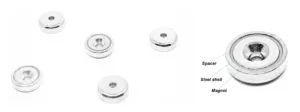
Magnet pot
A magnet pot is a type of permanent magnet, typically made from neodymium (NdFeB), that’s fully encased in a steel housing. This steel “pot” shapes and focuses the magnetic field, creating a highly concentrated magnetic force on one flat surface. This design not only protects the magnet from damage but also channels the magnetic flux to deliver a strong, reliable hold on ferrous materials.
How a Magnet Pot Is Built
Imagine a strong NdFeB magnet sitting inside a steel cup. The steel acts like a magnetic circuit, guiding the magnetic field lines so the force is directed mostly to the exposed face of the magnet. This focused flux means pot magnets can hold objects much more securely than magnets without this steel casing.
Visual Suggestion: Include a simple diagram showing a round NdFeB magnet inside a steel pot, with magnetic flux lines concentrated at the exposed face.
Key Specifications and Pull Force Examples
Magnet pot come in various sizes, but here’s a quick look at typical specs for a common model:
| Diameter (inches) | Pull Force (lbs) | Height (inches) |
|---|---|---|
| 1.26 | 66 | 0.43 |
| 1.77 | 132 | 0.55 |
| 2.36 | 185 | 0.63 |
For example, a 1.26-inch diameter magnet pot can hold up to 66 pounds under ideal conditions.
Why Magnet Pot Outperform Disc Magnets
How Does Magnet Pot Work The Science Behind the Strength
Magnet pot get their power from a smart magnetic circuit design. Inside the steel housing—the “pot”—magnetic flux is redirected and focused to the contact surface. This steel casing shrinks the air gaps between the magnet and the metal it sticks to, which maximizes the pull force on ferrous materials like steel.
Several factors affect how well magnet pot perform:
- Surface contact: Full, flat contact ensures the best grip. Partial or uneven surfaces reduce holding power.
- Material thickness: Thicker ferrous materials offer a stronger magnetic hold.
- Temperature limits: NdFeB pot magnets usually work reliably up to about 80°C before the magnetic strength drops.
A common myth is that magnet pot attract each other strongly. Actually, they rarely pull on each other because the steel pot directs the magnetic field outward. This makes them ideal for single-sided holding where you only need one face to stick.
(Imagine an illustration showing magnetic flux lines concentrated on the contact surface, flowing neatly through the steel housing to explain this clearly.)
Types of Magnet Pot Choosing the Right Configuration for Your Needs
Pot magnets come in different shapes and styles designed to fit various uses. The main designs are shallow and deep pots, each offering different levels of shear resistance—for heavier side loads, deep pots are better.
Here’s a quick breakdown of common pot magnet types and what they’re best for:
| Type | Use Case | Pros | Cons |
|---|---|---|---|
| Countersunk | Flush mounting (signage, panels) | Sleek look, secure installation | Limited to surface thickness |
| Threaded Stud | Machinery, fixtures (M6, M10 sizes) | Easy to mount & remove | Requires matching thread size |
| Hook Eyebolt | Hanging, suspending loads | Strong load handling | Bulkier design |
| Rubber Coated | Delicate or scratch-prone surfaces | Protects surfaces, anti-slip | Slightly reduced pull force |
Material options also play a big role:
- NdFeB Magnet Pot: These are the most powerful, ideal for heavy-duty industrial use.
- Ferrite Magnet Pot: More cost-effective and resistant to heat, but offer less pull strength.
- Custom NdFeB Magnet Pot from NBAEM: These deliver up to 20% higher pull force thanks to advanced manufacturing, a great choice if you need the best grip.
Choosing the right pot magnet means balancing strength, mounting style, and surface protection based on your specific application.
Top Applications Where Magnet Pot Shine in Real World Scenarios
Pot magnets are incredibly versatile and find uses across many industries thanks to their strong magnetic holding force and durable steel pot magnet housing.
Industrial Uses
Clamping in welding and assembly lines
Precise sensor positioning in automation systems
Holding fixtures and tools securely in place
Commercial Applications
Retail displays for flexible product setups
Automotive fixture holding for repairs and assembly
DIY and Home Use
Organizing tools in workshops or garages
Hanging banners and signs easily without drilling
Case Study Highlight
One Shenzhen factory boosted workflow efficiency by 30% after switching to NBAEM’s custom NdFeB pot magnets. Thanks to their higher pull strength and reliable build, operations became smoother and more consistent.
Emerging Applications
- Renewable energy setups like solar panel mounts
- Fixation solutions in medical devices where secure but removable holds are essential
The unique design of pot magnets makes them perfect for applications that need a strong, focused magnetic hold while protecting the magnet itself from damage. This is why they’ve become a go-to for both industrial and everyday needs in the United States.
Advantages and Limitations Is a Magnet Pot Right for You
Pot magnets bring a lot to the table, especially for industrial and DIY uses here in the U.S. Here’s a quick look at the pros and cons to help you decide if they fit your needs.
Advantages
- Compact and Durable: The steel housing protects the inner neodymium magnet from damage and chips.
- Stronger Hold: Typically 2 to 5 times stronger than disc magnets of the same size.
- Cost Efficient: Provides excellent magnetic holding force for the price, making it a solid value choice.
- Shielded Magnetic Field: The steel pot directs the magnetic flux, reducing stray fields that can interfere with nearby electronics or tools.
Limitations
- Reduced Force on Non-Ferrous Surfaces: Pot magnets only attract ferrous metals (steel, iron). No pull on aluminum, copper, or plastics.
- Temperature Sensitivity: Most neodymium-based pot magnets perform best up to 80°C. Higher temps can weaken magnetism.
- Single-Sided Magnetic Pull: Pot magnets don’t attract each other well, so they aren’t good for applications needing mutual grip.
Comparison Table Pot Magnet vs Disc Magnet vs Electromagnet
| Feature | Pot Magnet | Disc Magnet | Electromagnet |
|---|---|---|---|
| Pull Force | High (focused flux) | Moderate | Adjustable/high |
| Durability | High (steel casing) | Lower (exposed) | Moderate (electrical wear) |
| Cost per lb Pull | Low | Moderate | High |
| Temperature Limit | ~80°C | Variable | Variable (depends on coil) |
| Use Cases | Industrial, holding | General use | Variable, on/off needed |
Maintenance Tips for Magnet Pot
- Keep contact surfaces clean and free from rust, oil, or debris for maximum hold.
- Avoid strong external magnetic fields nearby (like large electromagnets) that can demagnetize pot magnets.
- Store in a dry place to prevent corrosion on steel housing.
- Inspect the steel pot for dents or damage that can reduce magnetic strength.
How to Select and Buy High Quality Magnet Pot from a Trusted Supplier
When choosing magnet pot, start by assessing your pull force requirements and the size constraints of your project. Knowing the exact magnetic holding force you need helps avoid overspending or underperforming magnets. Also, check for important certifications like RoHS, especially if you plan to import magnets into the United States or export from China, to ensure compliance with safety and environmental standards.
NBAEM stands out as a premier Chinese supplier trusted by customers for high-quality pot magnets. They offer OEM customization, so you can get magnets tailored to your exact specs. With bulk pricing and fast global shipping from their Guangdong facility, NBAEM provides reliability and cost efficiency, whether you’re outfitting an industrial line or organizing tools at home.
Follow these steps when buying:
- Measure your application: Determine the surface type, thickness, and temperature conditions.
- Calculate the required pull force: Factor in safety margins for load variations.
- Order test samples first to verify performance in your real-world use case.
For easy selection, NBAEM provides a detailed catalog and free pull force calculator. Contact us directly to get personalized quotes or technical advice tailored to your project.

 English
  German
  Vietnamese
  Spanish (Mexico)
  Russian
  Turkish
  Polish
  Hindi
Hindi  Thai
Thai  Malay
Malay  Korean
  Japanese
  French
  Czech
Czech  Danish
  Dutch
Dutch  Finnish
  Italian
  Portuguese (Brazil)
  Portuguese (Portugal)
  Slovenian
  Ukrainian
  Hebrew
  Scottish Gaelic
  Hungarian
  Tagalog
  Spanish (Spain)
  Serbian
  Indonesian
  Slovak
  Dutch (Belgium)
  Persian
  Arabic
  Romanian
  Estonian

Leave A Comment