
هل تساءلت يومًا what a disc magnet really is and why it’s everywhere—from your fridge door to high-tech gadgets? These small, flat, circular magnets pack a surprisingly powerful punch, making them a go-to in countless industries and DIY projects alike. Whether you’re curious about their unique shape, how they work, or why neodymium disc magnets reign supreme, this guide breaks it all down—quick, clear, and practical. Ready to unlock the secrets behind disc magnets and discover how they can elevate your next project? Let’s get started!
Understanding the Basics
What is a Disc Magnet
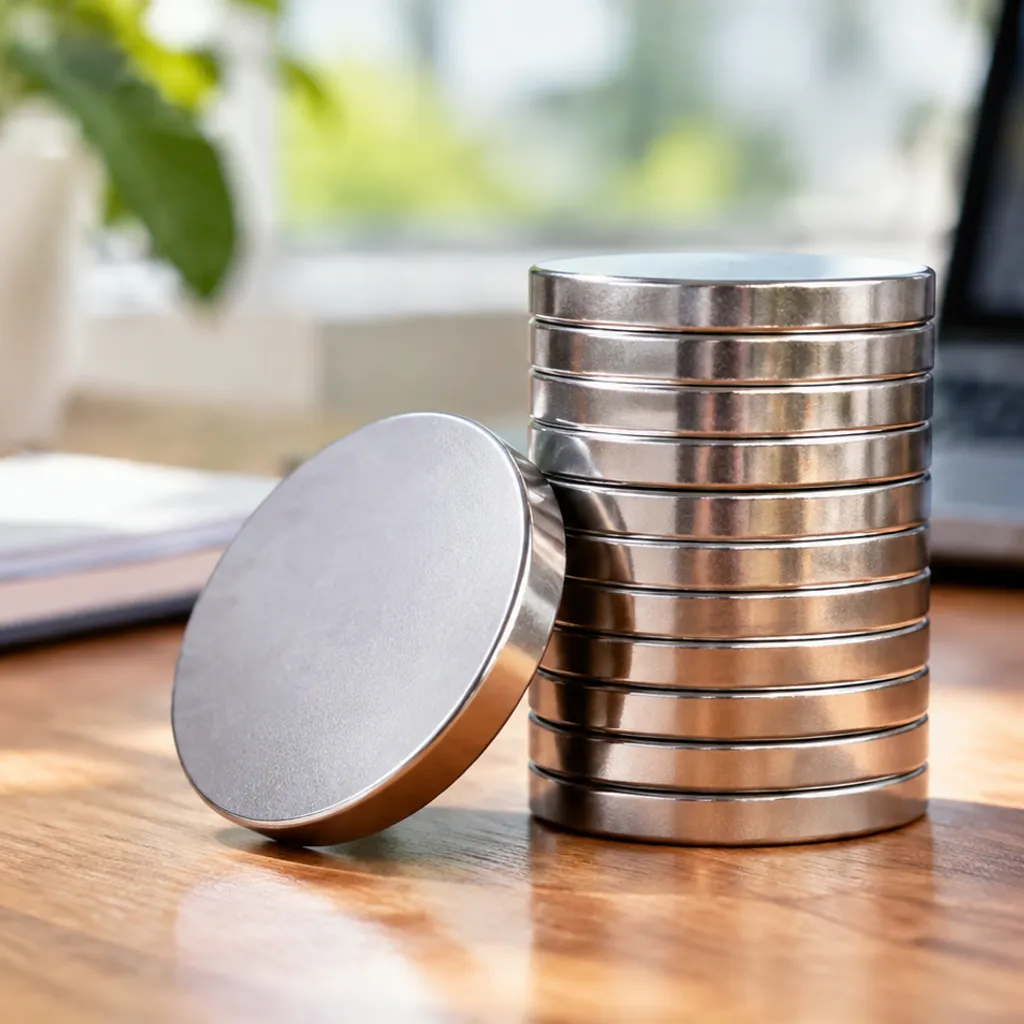
Have you ever wondered what exactly makes a disc magnet unique? Simply put, a disc magnet is a type of مغناطيس دائم shaped like a flat cylinder or a thin, round plate. Think of it as a tiny metal pancake that creates a magnetic field. This shape is what sets it apart from other magnet types like blocks, rings, or spheres.
Anatomy of Disc Magnets
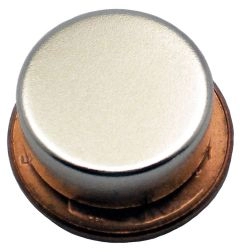
Disc magnets have two flat faces—the top and bottom—where the magnetic poles are concentrated. These faces are usually where the strongest magnetic pull force is found. The edge of the disc is much thinner compared to its diameter, giving it a broad surface area that maximizes magnetic strength in a compact form.
How Disc Magnets Differ from Other Shapes
What makes disc magnets stand out? Unlike block magnets, which have a more uniform magnetic field, disc magnets focus their magnetic force across their flat faces. This difference is crucial when you need a magnet that fits into tight spaces or needs to hold objects flat against a surface.
Disc magnets are especially popular because their shape combines strength and versatility. Whether you need a small magnet for an electronic device or a powerful neodymium disc magnet for industrial holding, the disc shape offers an ideal balance you don’t get with other permanent magnet shapes.
In short, if you need a magnetic solution that’s strong, space-efficient, and easy to position, disc magnets are often the first choice.
Types of Disc Magnets Materials Grades and Magnetization Explained
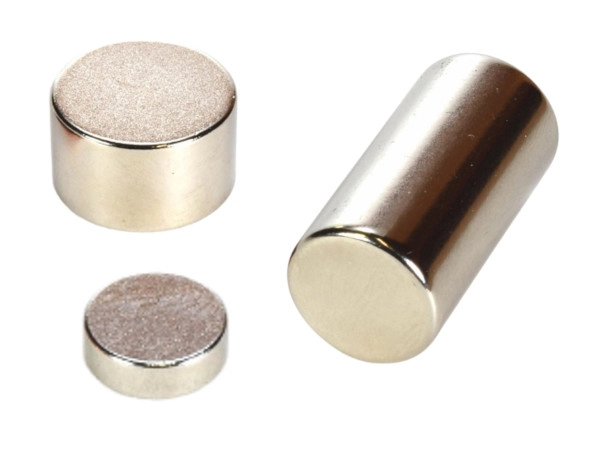
Disc magnets come in different materials, grades, and magnetization styles. Choosing the right type depends on what you need for strength, durability, and performance.
Common Materials and Their Properties
- Neodymium Disc Magnets: The most popular type, also called rare earth magnets. They are super strong for their size and great for industrial holding magnets or DIY projects needing powerful pull force.
- مغناطيسات السيراميك أو الفيريت: More affordable but weaker than neodymium. They resist corrosion well and work fine for simple household uses.
- مغناطيسات أنيكو: Made from aluminum, nickel, and cobalt. They keep their magnetic strength at high temperatures but are more brittle.
- الـ ساماريوم كوبالت: Another rare earth option. Strong, heat resistant, and corrosion resistant, but pricier than neodymium.
Magnetization Directions Axial vs Diametric
Disc magnets are usually magnetized in one of two ways:
- المغنطة المحورية: Magnetic poles are on the flat circular faces. This is the most common and means the magnet’s pull force acts straight out from the face.
- المغنطة القطرية: Poles are on the curved edge of the disc. This lets the magnet create a sideways magnetic field, which works for special applications.
Grades and Coatings for Durability
- cURL Too many subrequests by single Worker invocation. To configure this limit, refer to https://developers.cloudflare.com/workers/wrangler/configuration/#limits: Neodymium magnets are labeled by grades like N35, N52, etc. Higher numbers mean stronger magnets. For example, N52 is one of the strongest you’ll find.
- الطلاءات: To protect discs from rust or damage, manufacturers add coatings such as nickel-copper-nickel, epoxy, or zinc. Especially important for magnets used outdoors or in moist conditions.
When picking a disc magnet, consider the material strength, magnetization style, and protective coating to get the best fit for your project.
Key Benefits Why Choose Disc Magnets for Your Projects
Disc magnets offer some standout advantages that make them a top choice for a wide range of uses. Here’s why they’re worth considering:
Superior Strength-to-Size Ratio
cURL Too many subrequests by single Worker invocation. To configure this limit, refer to https://developers.cloudflare.com/workers/wrangler/configuration/#limits neodymium disc magnetscURL Too many subrequests by single Worker invocation. To configure this limit, refer to https://developers.cloudflare.com/workers/wrangler/configuration/#limits
cURL Too many subrequests by single Worker invocation. To configure this limit, refer to https://developers.cloudflare.com/workers/wrangler/configuration/#limits
cURL Too many subrequests by single Worker invocation. To configure this limit, refer to https://developers.cloudflare.com/workers/wrangler/configuration/#limits
cURL Too many subrequests by single Worker invocation. To configure this limit, refer to https://developers.cloudflare.com/workers/wrangler/configuration/#limits cURL Too many subrequests by single Worker invocation. To configure this limit, refer to https://developers.cloudflare.com/workers/wrangler/configuration/#limits.
cURL Too many subrequests by single Worker invocation. To configure this limit, refer to https://developers.cloudflare.com/workers/wrangler/configuration/#limits
cURL Too many subrequests by single Worker invocation. To configure this limit, refer to https://developers.cloudflare.com/workers/wrangler/configuration/#limits
cURL Too many subrequests by single Worker invocation. To configure this limit, refer to https://developers.cloudflare.com/workers/wrangler/configuration/#limits
- cURL Too many subrequests by single Worker invocation. To configure this limit, refer to https://developers.cloudflare.com/workers/wrangler/configuration/#limitscURL Too many subrequests by single Worker invocation. To configure this limit, refer to https://developers.cloudflare.com/workers/wrangler/configuration/#limits
- cURL Too many subrequests by single Worker invocation. To configure this limit, refer to https://developers.cloudflare.com/workers/wrangler/configuration/#limitscURL Too many subrequests by single Worker invocation. To configure this limit, refer to https://developers.cloudflare.com/workers/wrangler/configuration/#limits
- cURL Too many subrequests by single Worker invocation. To configure this limit, refer to https://developers.cloudflare.com/workers/wrangler/configuration/#limitscURL Too many subrequests by single Worker invocation. To configure this limit, refer to https://developers.cloudflare.com/workers/wrangler/configuration/#limits
cURL Too many subrequests by single Worker invocation. To configure this limit, refer to https://developers.cloudflare.com/workers/wrangler/configuration/#limits
- cURL Too many subrequests by single Worker invocation. To configure this limit, refer to https://developers.cloudflare.com/workers/wrangler/configuration/#limitscURL Too many subrequests by single Worker invocation. To configure this limit, refer to https://developers.cloudflare.com/workers/wrangler/configuration/#limits
- Prototyping and innovation: Inventors and engineers often rely on these magnets for creating prototypes and testing new designs, thanks to their consistent magnetic pull force.
- Magnetic therapy devices: Some wellness products use disc magnets, though it’s always good to check science-based claims before use.
Whether you’re fixing something at home or working on a big industrial project, disc magnets offer flexibility and strength that make a difference.
How to Select and Use Disc Magnets Safely
Choosing the right disc magnets start with understanding your project’s needs. Here are key factors to consider:
- Magnet size and strength: Match the magnetic pull force to your application. Larger or stronger magnets like high-grade neodymium disc magnets work best for heavy-duty tasks, while smaller ones suit crafts or light fixing.
- Material and grade: Pick the right material for durability and performance. Neodymium magnets offer powerful strength, while ferrite ones are more budget-friendly but less strong.
- اتجاه التحريض المغناطيسي: Decide between axial magnetization (magnetized through the thickness) or diametric, depending on how you’ll position the magnet.
- الطلاءات: Opt for custom magnet coatings like nickel or epoxy to prevent rust and wear, especially in humid or industrial environments.
When handling disc magnets, follow these safety tips:
- Keep magnets away from electronics: Strong magnets can damage devices like phones or credit cards.
- Avoid pinching injuries: Disc magnets snap together quickly and can pinch skin. Handle with care.
- Store safely: Keep magnets out of reach of children and pets to prevent accidental swallowing.
- Use appropriate tools: When installing industrial holding magnets, use gloves and tools designed for magnet handling to avoid accidents.
Learning more about magnetization can help you pick the perfect disc magnet. For example, check out what axial magnetization means to better understand magnet orientation.
By keeping these factors and safety tips in mind, you’ll select the right disc magnet and use it effectively and securely for your project.
NBAEM Your Trusted Partner for Premium Disc Magnets
When it comes to high-quality disc magnets, NBAEM stands out as a reliable supplier in the United States market. We specialize in providing top-grade neodymium disc magnets with superior magnetic pull force and consistent performance, perfect for everything from industrial holding magnets to everyday DIY projects.
لماذا تختار NBAEM؟
- Wide selection of neodymium disc magnets in various sizes, grades, and magnetization styles including axial magnetization
- Custom coatings to ensure durability and resistance against corrosion in different environments
- Bulk supply options suited for manufacturers, engineers, and hobbyists alike
- دعم خبير to help you select the right magnet for your specific application, whether it’s for household uses or more demanding industrial setups
Our commitment to quality and customer satisfaction makes NBAEM your go-to source for rare earth magnets tailored to the unique needs of worldwide customers.
With NBAEM, you get reliable performance and lasting value in every disc magnet.
 Arabic
 English
 German
 Vietnamese
 Spanish (Mexico)
 Russian
 Turkish
 Polish
 Hindi
 Thai
 Malay
 Korean
 Japanese
 French
 Czech
 Danish
 Dutch
 Finnish
 Italian
 Portuguese (Brazil)
 Portuguese (Portugal)
 Slovenian
 Ukrainian
 Hebrew
 Scottish Gaelic
 Hungarian
 Tagalog
 Spanish (Spain)
 Serbian
 Indonesian
 Slovak
 Dutch (Belgium)
 Persian
 Romanian
 Estonian
 Greek
 Bulgarian
[…] Measure the space where the magnet will fit. Appliances often require specific magnet shapes like discs, blocks, or rings — sometimes even custom designs. Making sure the size and shape fit can save you installation headaches and ensure better performance. If you want to learn about common magnet shapes, check out this overview of disc magnets. […]