
Why Axial Flux Motors Cooling is a Unique Engineering Challenge
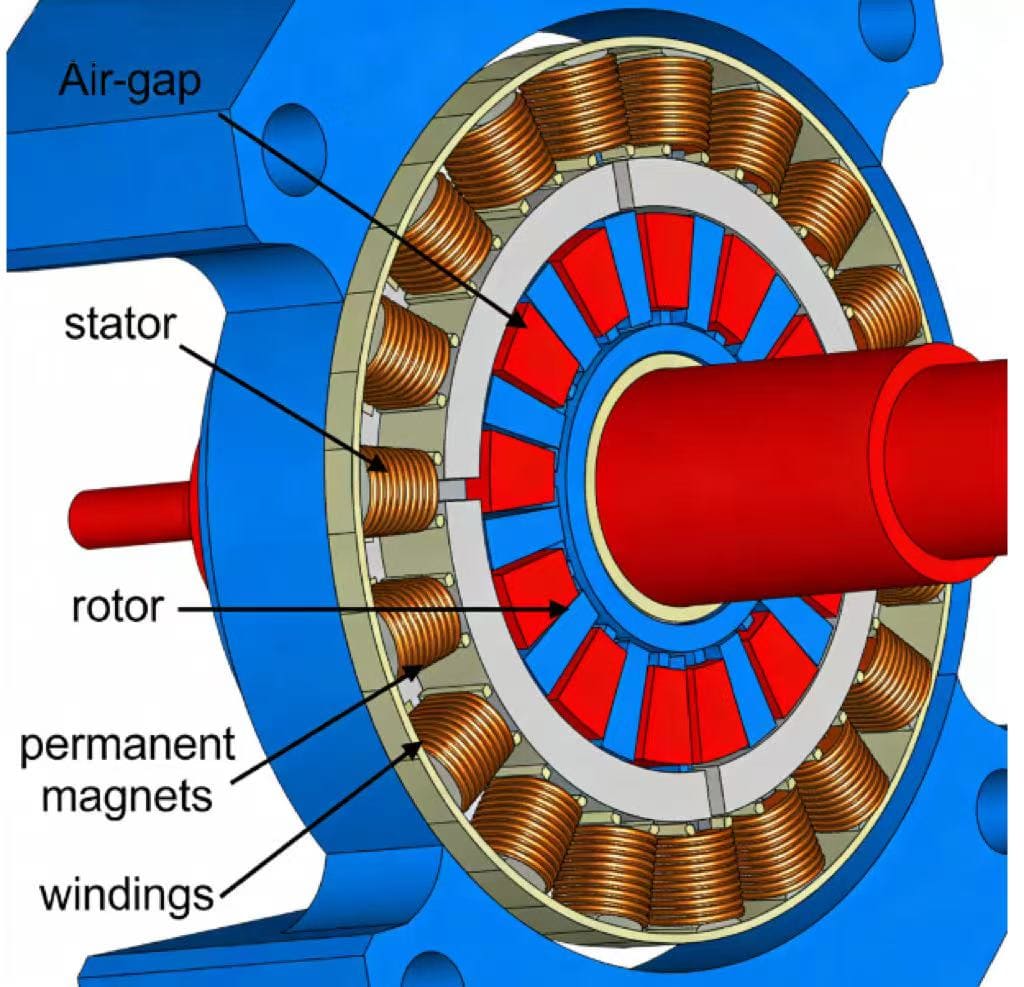
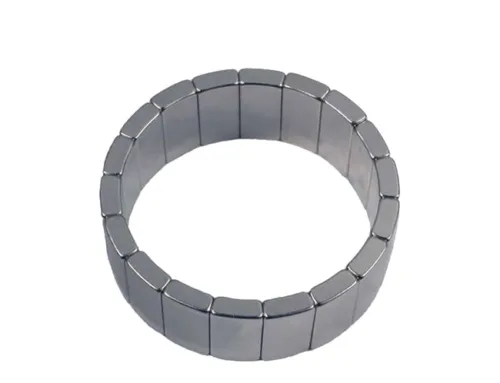
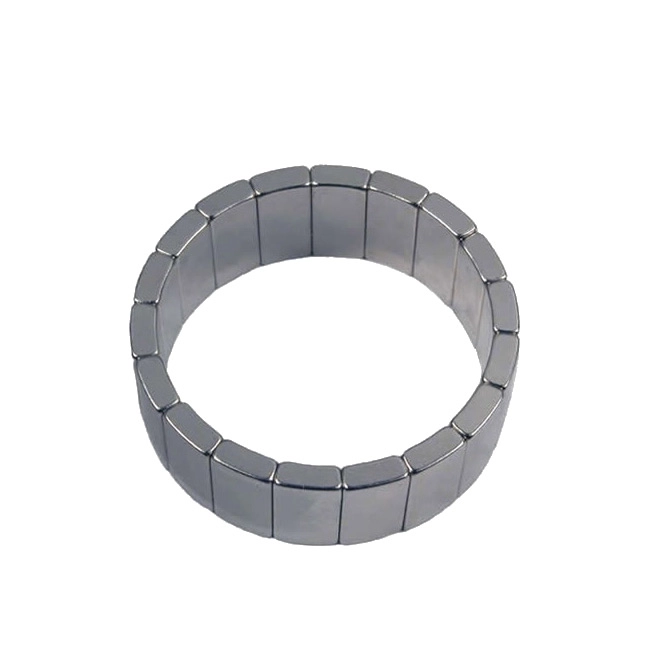
Magnet in Axial Flux Motors
At NBAEM, we understand that while akselfluxmotorer offer superior torque density, they present a distinct thermal management hurdle compared to their radial counterparts. Developing effective solutions for heat dissipation of axial flux motors requires navigating complex geometric constraints and material limitations.
The Geometric Barrier
The primary obstacle lies in the motor’s topology. In traditional radial flux motors, the stator is located on the exterior, allowing heat to dissipate directly through the casing to the ambient environment. Conversely, axial flux designs often feature a stator “sandwiched” between two rotors. This configuration buries the primary heat sources—the windings and the lamineringskerne—deep within the assembly, restricting direct airflow and complicating the path for thermal transfer.
The Threat of Derating
When heat cannot escape efficiently, performance suffers. Poor thermal management forces engineers to implement derating strategies, artificially limiting the continuous torque output to protect internal components. This compromise undermines the high power-density advantage that makes axial flux topology attractive for EV-traktionsmotorer and industrial applications. Without a robust thermal strategy, the motor acts as a bottleneck rather than a powerhouse.
Magnet Demagnetization Risk
The most catastrophic risk involves the permanent magnets. As temperatures rise within the tight air gaps, standard magnets face the threat of irreversible demagnetization.
- Critical Thresholds: Once the operating temperature exceeds the magnet’s grade rating (e.g., N-grade vs. UH-grade), magnetic flux degrades permanently.
- Materialevalg: This reality makes the choice of magnetic material critical. We emphasize the necessity of high-coercivity materials, such as specific Sintered Neodymium grades or Samarium Kobolt, to withstand the thermal stress inherent in these compact, high-power motors.
Primary Sources of Heat Generation
To effectively manage thermal loads, we first need to identify exactly where the energy is being wasted as heat. In axial flux topologies, the compact nature of the machine intensifies the impact of these losses, making stator heat dissipation and rotor cooling critical priorities.
Copper Losses (I^2R)
The most significant source of heat typically comes from the stator windings. Known as Copper Losses or I^2R losses, this heat is generated by the electrical resistance of the copper conductors as current flows through them. In axial flux motors, the windings are often deeply embedded within the stator structure. Since the stator is sandwiched between two rotors, there is limited surface area for this heat to escape naturally, creating a thermal bottleneck that requires careful engineering of the motor assembly.
Iron Losses
Heat is also generated directly within the stator core material, collectively known as Iron Losses. This occurs through two main mechanisms:
- Hysteresis Loss: Energy lost as heat when the magnetic domains in the core material reverse direction.
- Eddy Current Loss: Circulating currents induced within the steel laminations themselves.
To mitigate this, we focus on utilizing high-quality lamination cores and specialized electrical steels. Reducing these losses is essential for maintaining high efficiency and preventing the stator from becoming a heat source that thermally stresses the adjacent magnets.
Rotor Eddy Current Losses
While the stator generates the bulk of the heat, the rotor is not immune. Rotor Eddy Current Losses occur when time harmonics in the stator’s magnetic field induce currents in the rotor back-iron and the permanent magnets. This is particularly dangerous because permanent magnets are sensitive to high temperatures.
If the magnets overheat, they face the risk of irreversible demagnetization. We often recommend using high-grade neodymiummagneter designed with specific thermal properties or segmented structures to disrupt these eddy currents and protect the integrity of the magnetic field.
Evaluating Active and Passive Cooling Methods
In our experience supplying magnetic assemblies for global industrial and automotive markets, we know that selecting the right cooling architecture is a trade-off between thermal efficiency, system complexity, and cost. Axial flux motors, with their unique geometry, require specific strategies to manage the heat generated in the stator and rotor.
Air Cooling: Natural and Forced
This is the simplest and most cost-effective approach, relying on external fins and fans to dissipate heat.
- Best Use Case: Ideal for low-power industrial pumps or fans where power density is not the primary constraint.
- Limitations: For high-performance EV traction motors, air cooling is rarely sufficient. Air has low thermal conductivity and cannot effectively remove heat from the deep internal windings of a compact axial flux stator, leading to rapid overheating under load.
Indirect Liquid Cooling (Water/Glycol Jackets)
For high-performance applications, indirect liquid cooling is the industry standard. This method utilizes a water or glycol mixture circulating through channels embedded in the motor housing or stator support structure.
- Mekanisme: The cooling jacket absorbs heat that conducts from the copper windings through the electrical steel.
- Udfordring: The efficiency of this method depends heavily on the thermal contact between the stator core and the cooling jacket. Any air gaps here act as insulators, which is why precision manufacturing of the lamination cores is critical.
Direct Oil Immersion and Dielectric Fluid Cooling
When power density is paramount, direct cooling offers superior performance. This involves submerging the stator—and sometimes the entire rotor assembly—in a dielectric fluid or oil.
- Fordele: The fluid comes into direct contact with the heat source (windings and magnets), eliminating thermal resistance barriers.
- Trade-offs: While heat extraction is excellent, engineers must balance this against viscous drag. As the rotor spins, the fluid in the air gap creates friction, which can reduce overall system efficiency at high RPMs.
Phase-Change Materials and Thermally Conductive Potting
To bridge the gap between windings and the cooling system, we often see the use of advanced potting compounds. Encapsulating the stator windings in thermally conductive epoxy turns the stator into a solid thermal block, drawing heat away from the copper and toward the casing. This step is vital for preserving the kvaliteten af neodymium magneter, as it prevents localized hot spots that could otherwise lead to irreversible demagnetization.
Preventive Thermal Strategy: Advanced Magnetic Materials
To develop effective solutions for heat dissipation of axial flux motors, we have to look closely at the materials we use. Stopping heat generation at the source is the most reliable way to keep your motor running at peak performance.
Højtemperaturs permanente magneter
When building motors for tough environments where operating temperatures climb above 150°C, selecting the right material is vital for motor demagnetization prevention.
- SmCo (Samarium Cobalt): This material naturally resists extreme heat without losing its magnetic strength. It is our go-to choice for severe thermal conditions.
- NdFeB (Neodymium): Offers superior overall strength, but requires specific high-heat grades to survive harsh environments. You can review our guide til sjældne jordmagneter to help you choose the right balance of magnetic strength and thermal stability for your build.
Laminated Neodymium Magnets
Solid magnets act as massive heat traps in high-speed applications. To achieve major eddy current loss reduction, we rely on laminated neodymium magnets in the rotor design.
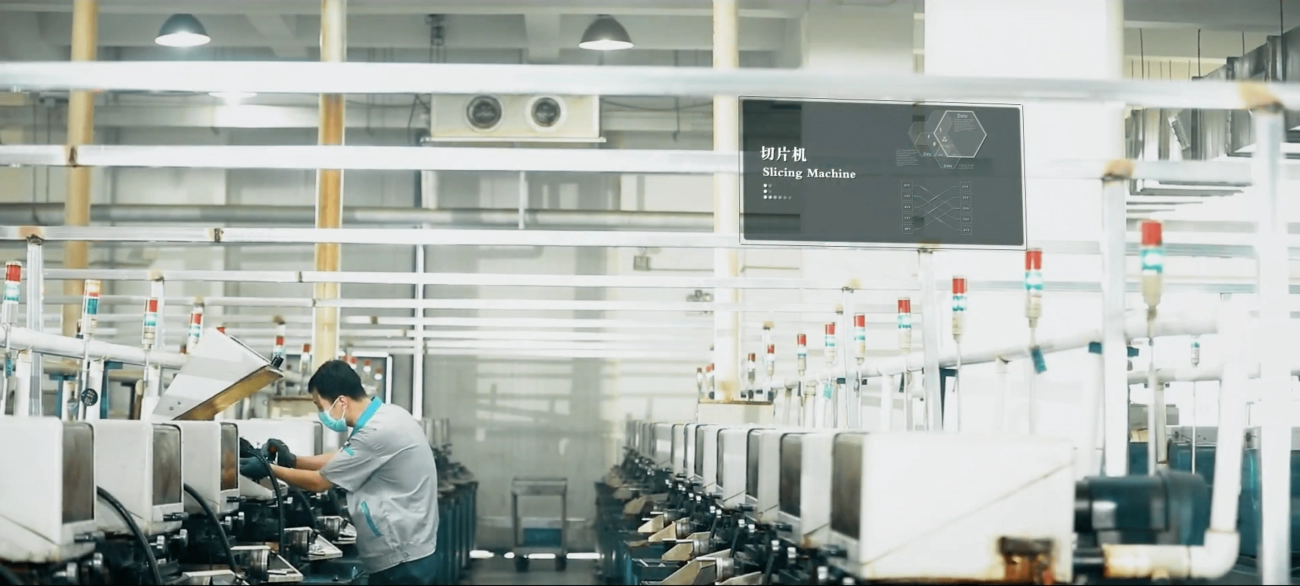
- Slicing and Insulating: We slice the magnet into very thin segments and bind them together with specialized insulating layers.
- Blocking Heat: This structural change physically cuts off the electrical pathways inside the magnet, drastically lowering internal rotor heat. For high-performance magnet assemblies, this precise lamination technique is highly effective.
Lamination Core Efficiency
The stator dictates a massive portion of the motor’s overall thermal load. Upgrading the stator materials leads to immediate cooling improvements.
- Ultra-Thin Electrical Steel: Using optimized lamination cores made from extremely thin electrical steel strips minimizes the internal energy wasted as heat.
- Cooler Operations: Enhancing lamination core efficiency lowers iron losses, ensuring the stator—and the entire motor unit—runs cooler and more reliably under heavy loads.
Key Considerations for OEMs and Motor Designers
When we develop solutions for heat dissipation of axial flux motors, we have to look closely at the practical realities of manufacturing. For OEMs and motor designers, creating a reliable product ultimately comes down to navigating tight physical constraints and knowing when to abandon generic parts for specialized engineering.
Space vs. Efficiency in EV Traction Motor Cooling
Balancing a robust cooling system against strict space limitations is one of our toughest daily challenges. Whether we are building wheel-hub motors or compact aerospace drives, every millimeter matters.
- The Squeeze: Adding bulky liquid jackets or complex dielectric fluid immersion cooling setups eats directly into the space savings that make axial flux designs so attractive in the first place.
- The Trade-off: If we compromise too much on the cooling hardware just to save space, we risk severe axial flux motors derating, forcing us to artificially cap the motor’s continuous torque to prevent catastrophic overheating.
- The Target: We must prioritize high-efficiency, low-profile thermal management that keeps the motor running at peak power without expanding its physical footprint.
The Edge of Custom Magnetic Assemblies
Off-the-shelf components rarely survive the thermal stress of high-performance axial motors. Transitioning to thermal-optimized, custom magnetic assemblies allows us to build heat resistance directly into the motor’s core architecture.
- Tailored Thermal Dynamics: By optimizing lamination core efficiency and utilizing laminated neodymium magnets, we actively cut down internal eddy current losses before they turn into trapped heat.
- Material Precision: Understanding exactly hvad magneter er lavet af helps us select the exact high-temperature grades needed to push past 150°C safely.
- Targeted Defenses: Specifying a high-performance magnets coating during the custom engineering phase creates a critical barrier against both thermal degradation and harsh operating environments.
Custom engineering is not just an optional upgrade; it is a hard requirement for keeping high-speed, tightly packed motors cool, reliable, and safe from demagnetization under heavy loads.
Frequently Asked Questions (FAQs)
What is the maximum safe operating temperature for axial flux motors?
The “safe” limit is dictated almost entirely by the weakest thermal link in your assembly, which is usually the permanent magnet or the winding insulation. While copper windings can often withstand up to 200°C (Class H insulation), standard neodymium magnets can suffer irreversible demagnetization as low as 80°C. For high-performance traction motors, we recommend specifying højt-temperaturmagneter like UH, EH, or AH grades, or switching to Samarium Cobalt (SmCo), which remains stable up to 350°C. If the magnet temperature exceeds its specific grade rating, you risk losing torque permanently.
How does dielectric oil immersion affect aerodynamic drag and overall motor efficiency?
Direct oil cooling is a trade-off. By flooding the stator and rotor with dielectric fluid, you achieve superior heat extraction, allowing for much higher continuous power density. However, introducing fluid into the air gap creates viscous drag (windage loss), which fights against the rotor’s movement. While this slightly reduces the motor’s peak efficiency compared to air cooling, the gain in thermal management usually outweighs the drag losses in high-torque applications, preventing the motor from derating under load.
Why are laminated neodymium magnets critical for reducing heat generation in high-speed motors?
In high-frequency axial flux topologies, the changing magnetic field induces eddy currents not just in the steel core, but inside the magnets themselves. A solid block of neodymium acts like a conductor, generating significant internal heat that is hard to remove. We use laminated magnet technology to solve this. By slicing the magnet into thin layers and insulating them from each other, we break the electrical path. This drastically cuts down rotor eddy current losses, keeping the magnets cooler and protecting the adhesive from thermal failure.
 Danish
  English
  German
  Vietnamese
  Spanish (Mexico)
  Russian
  Turkish
  Polish
  Hindi
Hindi  Thai
Thai  Malay
Malay  Korean
  Japanese
  French
  Czech
Czech  Dutch
Dutch  Finnish
  Italian
  Portuguese (Brazil)
  Portuguese (Portugal)
  Slovenian
  Ukrainian
  Hebrew
  Scottish Gaelic
  Hungarian
  Tagalog
  Spanish (Spain)
  Serbian
  Indonesian
  Slovak
  Dutch (Belgium)
  Persian
  Arabic
  Romanian
Efterlad en kommentar