
Basics of Magnets and Magnetic Materials
Magnets play a crucial role in robotics, but what exactly are they? Simply put, a magnet is any object that produces a magnetic field, attracting certain metals like iron. There are two main types of magnets used in robotics: permanent magnets and electromagnets.
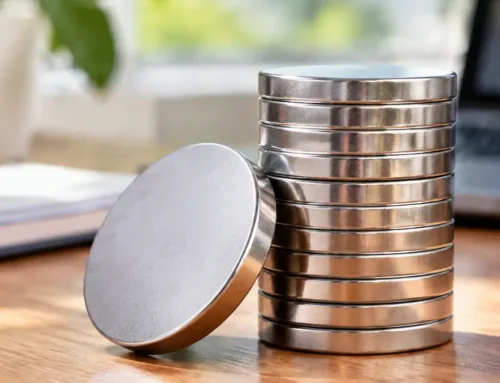
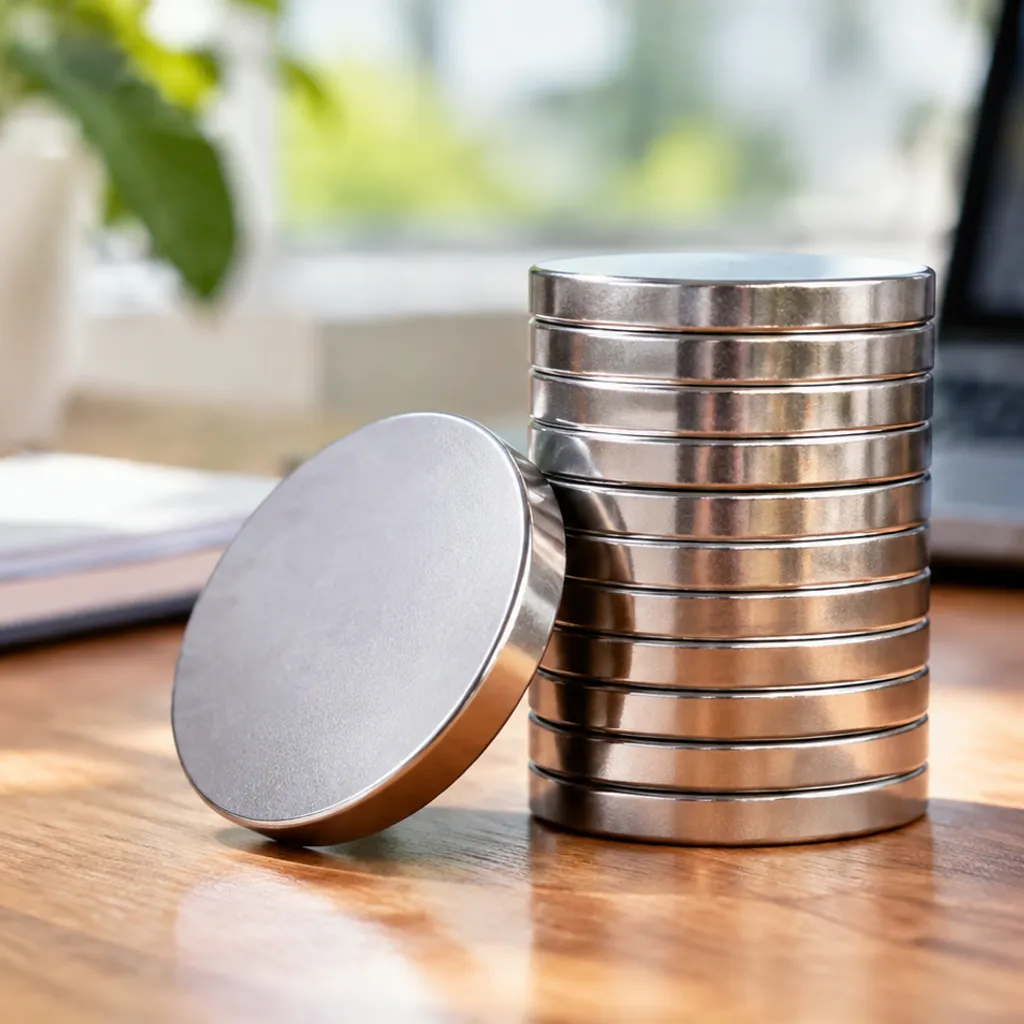
Μόνιμοι μαγνήτες hold a constant magnetic field without needing power. They’re made from magnetic materials like neodymium, ferrite, alnico, and samarium-cobalt. These materials differ in strength, heat resistance, and cost, making them suitable for various robotic applications. For example, neodymium magnets are popular for their incredibly high strength in compact robotic parts, while ferrite magnets offer a more affordable option where less power is needed.
Ηλεκτρομαγνήτες, on the other hand, generate a magnetic field only when electric current flows through them. This allows robots to switch magnetic forces on and off, which is key in applications like actuators or magnetic grippers.
When choosing magnetic materials for robotics, several key properties come into play:
- Αντίσταση: A measure of a magnet’s resistance to becoming demagnetized, crucial for durability.
- Απομάγνηση: The level of magnetic strength the magnet retains after being magnetized.
- Magnetic field strength: How powerful the magnetic field is, affecting the magnet’s ability to move or hold objects.
Suppliers like NBAEM provide high-quality magnetic materials tailored for robotics, ensuring these properties meet industry standards. Their materials support a range of uses, from precise sensors to heavy-duty motors, making NBAEM a go-to source for robotic magnet needs.
Κύριες Εφαρμογές των Μαγνητών στην Ρομποτική
Magnets play a crucial role in many parts of robots, making them more efficient and precise. Here’s how they’re commonly used:
-
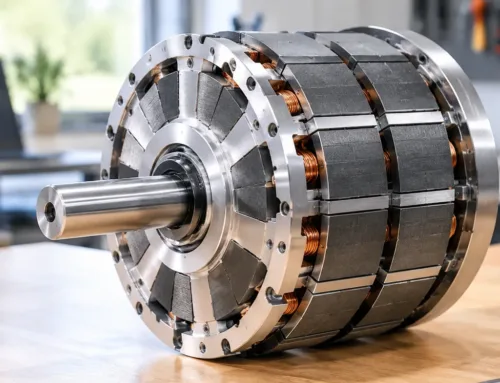
Ελεκτρομαγνητικοί εκκινητές και κινητήρες
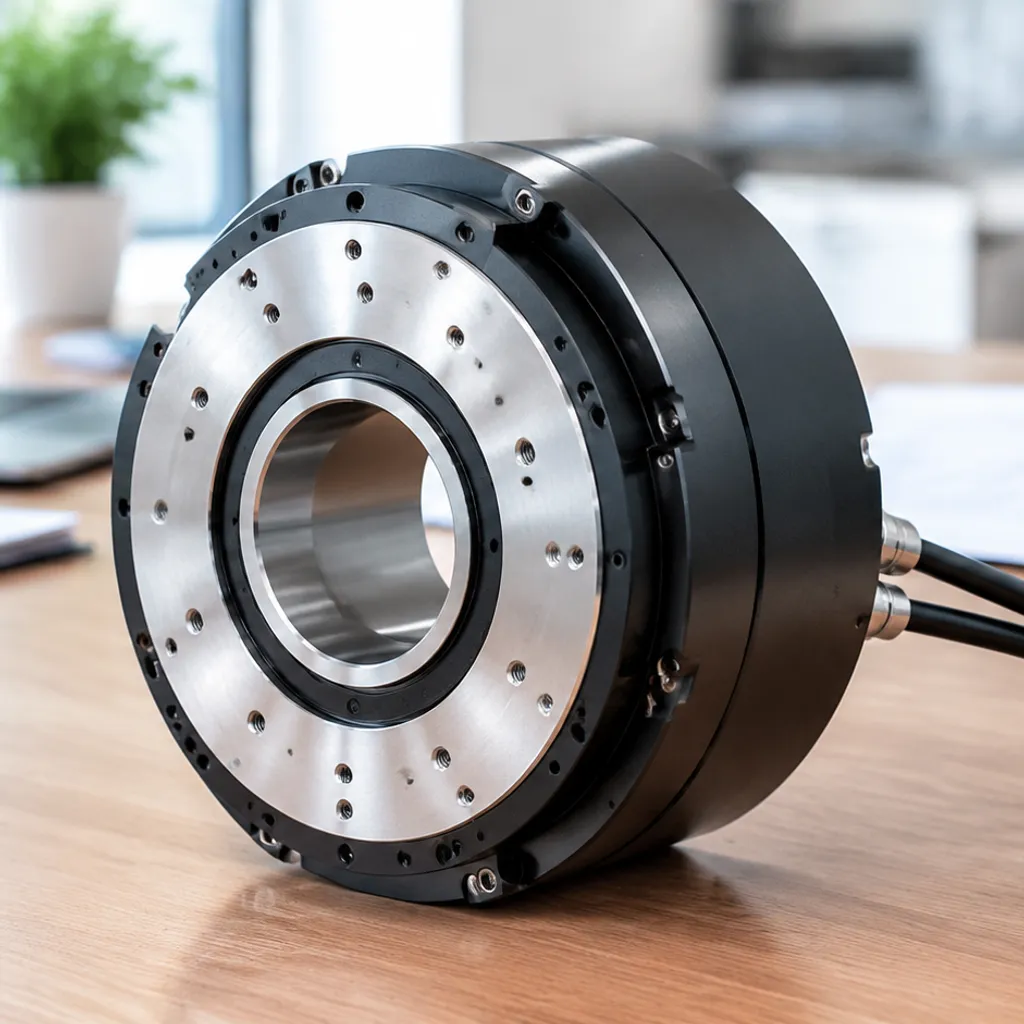
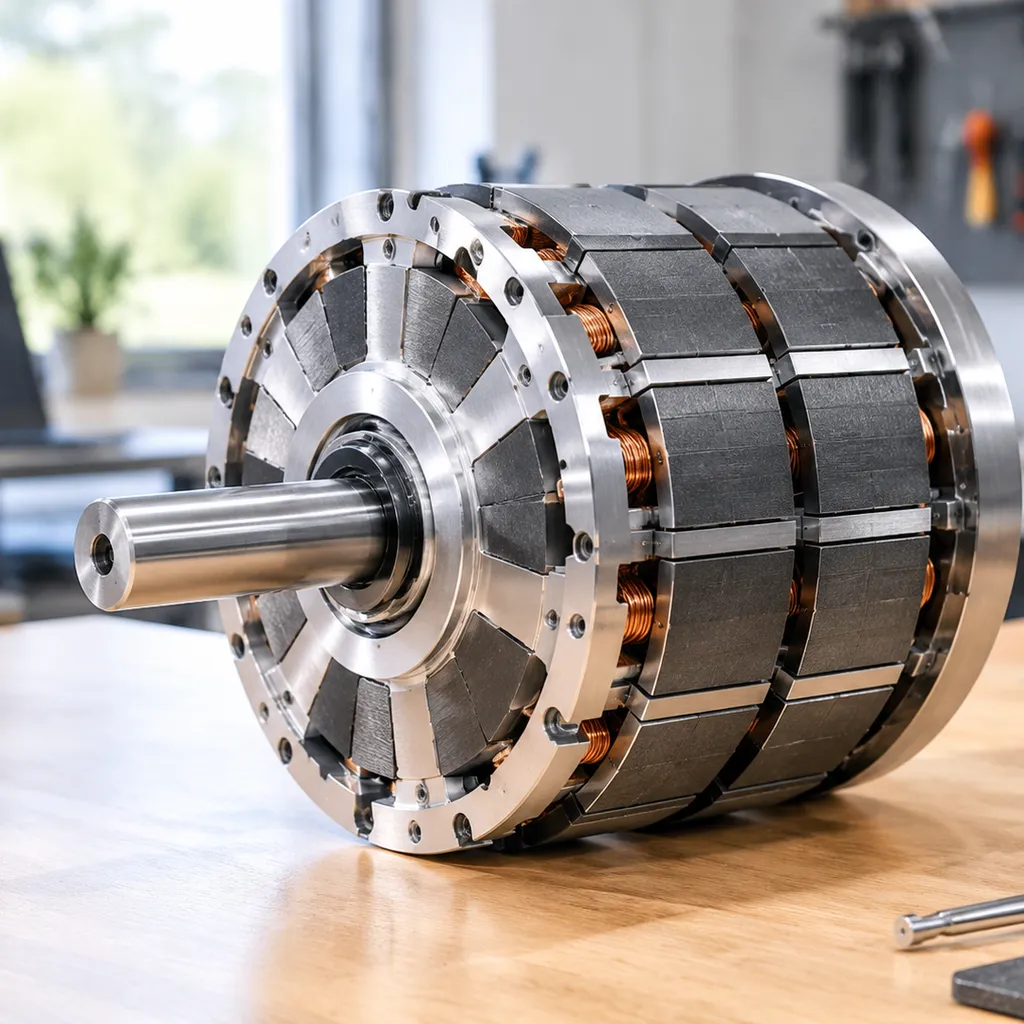
These drive robotic movement by converting electrical energy into mechanical motion. Electromagnetic motors are essential for everything from robotic arms to mobile robots, offering smooth and reliable control.
-
Μαγνητικοί αισθητήρες
Used for positioning, navigation, and object detection, magnetic sensors help robots understand their environment. They provide accurate feedback for movement and location, which is vital for tasks like mapping or obstacle avoidance.
-
Μαγνητικές συνδέσεις και συμπλέκτες
These allow robots to transmit torque without direct contact, reducing wear and tear. Magnetic couplings help in smoothly transferring power between parts without physical connection, enhancing durability.
-
Μαγνητικά χειριστήρια και τελικοί εκτελεστές
Magnets enable robots to pick up and manipulate ferrous objects easily. Magnetic grippers provide a simple, efficient way to handle metallic parts without complex mechanical claws.
-
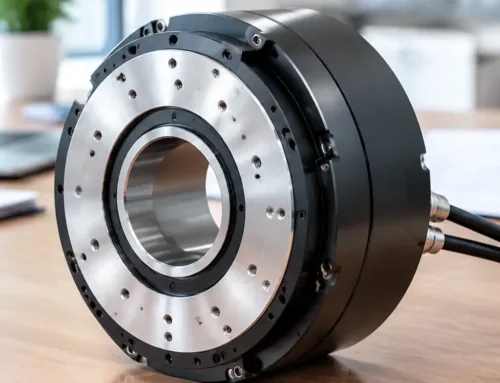
Μαγνητικά ρουλεμάν
They support rotating parts with minimal friction, improving precision and lifespan. Magnetic bearings reduce mechanical wear and allow quieter, more stable operation in high-speed robotic components.
-
Αποθήκευση ενέργειας και μετασχηματιστές
Magnets are also key in transformers and inductors within robotic power systems, improving energy efficiency and stability. They help manage power delivery to motors and sensors, ensuring consistent performance.
These applications highlight why magnets are indispensable in modern robotics, enhancing both function and durability.
How Different Types of Magnets Are Used in Robotics
Different types of magnets serve specific roles in robotics, each chosen for their unique properties to meet the demands of various robotic functions.
| Τύπος μαγνήτη | Κύρια χαρακτηριστικά | Common Robotics Applications |
|---|---|---|
| Νεοδύμιο Μαγνήτες | Very high magnetic strength, compact size | Used in motors and actuators where space and power are crucial. Ideal for precision and high torque in small designs. Learn more about the strongest magnets |
| Φερίτης Μαγνήτες | cURL Too many subrequests by single Worker invocation. To configure this limit, refer to https://developers.cloudflare.com/workers/wrangler/configuration/#limits | cURL Too many subrequests by single Worker invocation. To configure this limit, refer to https://developers.cloudflare.com/workers/wrangler/configuration/#limits |
| Αλνίκo Μαγνήτες | cURL Too many subrequests by single Worker invocation. To configure this limit, refer to https://developers.cloudflare.com/workers/wrangler/configuration/#limits | cURL Too many subrequests by single Worker invocation. To configure this limit, refer to https://developers.cloudflare.com/workers/wrangler/configuration/#limits |
| cURL Too many subrequests by single Worker invocation. To configure this limit, refer to https://developers.cloudflare.com/workers/wrangler/configuration/#limits | cURL Too many subrequests by single Worker invocation. To configure this limit, refer to https://developers.cloudflare.com/workers/wrangler/configuration/#limits | cURL Too many subrequests by single Worker invocation. To configure this limit, refer to https://developers.cloudflare.com/workers/wrangler/configuration/#limits |
| Ηλεκτρομαγνήτες | cURL Too many subrequests by single Worker invocation. To configure this limit, refer to https://developers.cloudflare.com/workers/wrangler/configuration/#limits | cURL Too many subrequests by single Worker invocation. To configure this limit, refer to https://developers.cloudflare.com/workers/wrangler/configuration/#limits |
cURL Too many subrequests by single Worker invocation. To configure this limit, refer to https://developers.cloudflare.com/workers/wrangler/configuration/#limits
Advantages of Using Magnets in Robots
cURL Too many subrequests by single Worker invocation. To configure this limit, refer to https://developers.cloudflare.com/workers/wrangler/configuration/#limits precision and reliabilitycURL Too many subrequests by single Worker invocation. To configure this limit, refer to https://developers.cloudflare.com/workers/wrangler/configuration/#limits
cURL Too many subrequests by single Worker invocation. To configure this limit, refer to https://developers.cloudflare.com/workers/wrangler/configuration/#limits cURL Too many subrequests by single Worker invocation. To configure this limit, refer to https://developers.cloudflare.com/workers/wrangler/configuration/#limitscURL Too many subrequests by single Worker invocation. To configure this limit, refer to https://developers.cloudflare.com/workers/wrangler/configuration/#limits
cURL Too many subrequests by single Worker invocation. To configure this limit, refer to https://developers.cloudflare.com/workers/wrangler/configuration/#limits cURL Too many subrequests by single Worker invocation. To configure this limit, refer to https://developers.cloudflare.com/workers/wrangler/configuration/#limits cURL Too many subrequests by single Worker invocation. To configure this limit, refer to https://developers.cloudflare.com/workers/wrangler/configuration/#limits
cURL Too many subrequests by single Worker invocation. To configure this limit, refer to https://developers.cloudflare.com/workers/wrangler/configuration/#limits cURL Too many subrequests by single Worker invocation. To configure this limit, refer to https://developers.cloudflare.com/workers/wrangler/configuration/#limitscURL Too many subrequests by single Worker invocation. To configure this limit, refer to https://developers.cloudflare.com/workers/wrangler/configuration/#limits
Challenges and Considerations When Using Magnets in Robotics
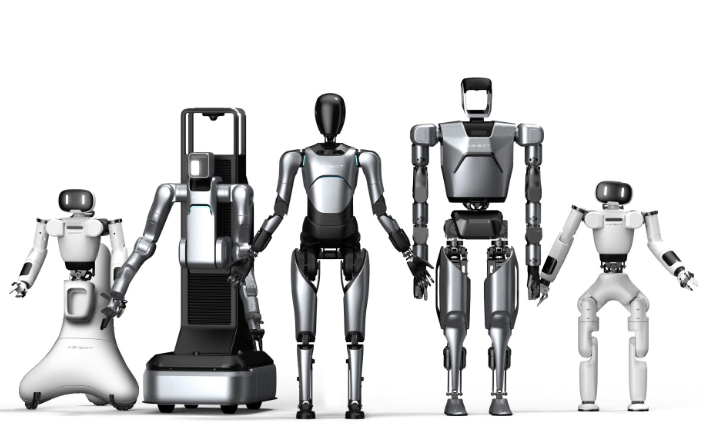
cURL Too many subrequests by single Worker invocation. To configure this limit, refer to https://developers.cloudflare.com/workers/wrangler/configuration/#limits
Magnetic interference and shielding
cURL Too many subrequests by single Worker invocation. To configure this limit, refer to https://developers.cloudflare.com/workers/wrangler/configuration/#limits
Heat sensitivity and temperature constraints
cURL Too many subrequests by single Worker invocation. To configure this limit, refer to https://developers.cloudflare.com/workers/wrangler/configuration/#limits
Material cost and sourcing considerations
cURL Too many subrequests by single Worker invocation. To configure this limit, refer to https://developers.cloudflare.com/workers/wrangler/configuration/#limits
Environmental impact and recyclability
Magnets contain rare earth metals, which require sustainable mining and recycling efforts. In robotics, using magnets that align with environmental standards helps reduce ecological impact and supports long-term resource availability. Recycling programs and choosing eco-friendly magnetic materials are becoming more important in the US market.
Keeping these factors in mind helps design more reliable and cost-effective robots that meet the demands of today’s industry.
NBAEM’s Role in Supplying Quality Magnetic Materials for Robotics
NBAEM is a leading supplier of magnetic materials, known for delivering high-quality products designed specifically for robotics applications. They offer a wide range of magnets that cater to different robotic needs, from powerful neodymium magnets for robots to more cost-effective ferrite magnets. Their materials are trusted for their consistency, strength, and reliability, which are crucial for robotic systems working in the U.S. market.
Product Range Tailored for Robotics
- Νεοδύμιο Μαγνήτες: High magnetic strength and compact size, perfect for robotic arms and magnetic actuators applications.
- Φερίτης Μαγνήτες: Affordable and durable for less critical parts in robots.
- Samarium-Cobalt and Alnico Magnets: Specialty options used when heat resistance or corrosion protection is needed.
- Ηλεκτρομαγνήτες: For robotic electromagnetic motors and switching controls.
NBAEM focuses on delivering products that match the demands of American robotics companies, ensuring both performance and cost-efficiency.
Customization Options for Robotics
One standout feature is NBAEM’s ability to customize magnets to fit the unique needs of robotics projects. This includes shaping magnets, adjusting magnetic strength, and tailoring coatings to improve durability in specific environments. These options support innovations in robotic grippers, magnetic bearings in robotics, and precise magnetic sensors.
Case Studies in Robotics Projects
NBAEM materials have been used in several U.S.-based robotics projects, including:
- Robotic arms with magnetic couplings that operate smoothly without direct contact, extending lifespan.
- Magnetic grippers enabling delicate object handling in manufacturing automation.
- High-performance magnetic sensors enhancing positioning, navigation, and object detection in autonomous robots.
These examples highlight how NBAEM’s magnetic materials help improve efficiency, reduce downtime, and support the high standards of U.S. robotics industries.
Future Trends Magnets in Next-Generation Robotics
The use of magnets in robotics is evolving fast, driven by the need for smarter, more efficient machines. One key trend is the development of stronger, lighter, and more temperature-resilient magnets. These advancements allow robots to be more compact without sacrificing power, while performing reliably even in harsh environments.
Magnetic materials are also being integrated into soft robotics and AI-driven robots. These flexible robots benefit from magnets because they offer smooth, precise movement and better control without adding bulk. This makes robotic applications in healthcare, manufacturing, and service industries more adaptable and user-friendly.
Another exciting development is in μαγνητικούς αισθητήρες. New sensor designs improve a robot’s ability to detect and respond to objects and surroundings with greater accuracy. This enhances robotic autonomy, enabling robots to navigate complex environments and perform tasks with minimal human input.
Overall, these breakthroughs in magnet technology are set to shape the future of robotics right here in the U.S., supporting innovation and meeting the demands of industries looking for smarter, more efficient automation solutions.
 Greek
 English
 German
 Vietnamese
 Spanish (Mexico)
 Russian
 Turkish
 Polish
 Hindi
 Thai
 Malay
 Korean
 Japanese
 French
 Czech
 Danish
 Dutch
 Finnish
 Italian
 Portuguese (Brazil)
 Portuguese (Portugal)
 Slovenian
 Ukrainian
 Hebrew
 Scottish Gaelic
 Hungarian
 Tagalog
 Spanish (Spain)
 Serbian
 Indonesian
 Slovak
 Dutch (Belgium)
 Persian
 Arabic
 Romanian
 Estonian
 Bulgarian
Αφήστε ένα σχόλιο