
How does a magnetic lift work? If you’ve ever faced the challenge of moving heavy steel plates or scrap metal safely and efficiently, you know how crucial the right lifting tool can be. Magnetic lifts—also known as lifting magnets—are game-changers in industrial material handling, letting you lift ferrous materials without chains, slings, or clamps. But how exactly do these powerful devices generate their grip, and what makes permanent, electromagnetic, and electro-permanent magnets uniquely suited for different jobs? In this guide, you’ll get a clear, no-nonsense look under the hood of magnetic lifts, from the science behind magnetic flux to practical applications and safety tips—helping you choose the right solution and work smarter every time. Let’s jump in!
The Basic Principle: How Magnetic Lifts Generate Lifting Force
Magnetic lifts work by using magnetic fields to create a strong, secure grip on ferrous materials like steel. At the heart of this lifting method is the fundamental science of magnetism—specifically, how magnetic fields and flux paths interact.
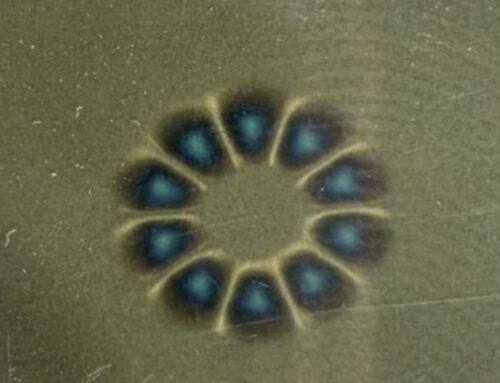
- Magnetic Fields and Flux Paths: Magnets generate invisible lines of magnetic flux that flow through materials. When a magnetic lift is placed on a steel load, these flux lines travel through the steel, creating an attraction that effectively “locks” the load to the magnet.
- Attraction to Ferrous Materials: Since steel and other ferrous metals easily conduct magnetic flux, they become part of what’s called the “magnetic circuit.” This circuit allows the magnetic field to complete its loop from one pole of the magnet, through the steel, and back to the other pole, increasing holding force.
- Role of Rare-Earth Magnets (NdFeB): Many modern magnetic lifts use neodymium-iron-boron (NdFeB) magnets. These rare-earth magnets produce exceptionally strong magnetic fields in a compact size, making lifts lighter and more efficient without sacrificing power.
- Magnetic Circuit Concept: The key to a magnetic lift’s strength lies in directing the magnetic flux efficiently through the load. By doing so, the flux lines maximize contact and holding force, preventing the load from slipping during transport.
Visualizing Flux Lines: ON vs. OFF States
- ON State: When the lift is engaged, magnetic flux lines run continuously through the steel load, creating a powerful bond.
- OFF State: When disengaged, the flux path is broken or redirected internally, significantly reducing attraction and allowing the load to be safely released.
Understanding these basics answers the question, how does a magnetic lift work? It’s all about controlling magnetic flux to safely and efficiently hold heavy ferrous loads during lifting and moving operations.
Types of Magnetic Lifts and How Each Works
Magnetic lifts come in three main types, each with its own way of generating lifting force:
Permanent Magnetic Lifts
- mechanism: Use a dual-magnet system—one fixed and one rotatable magnet.
- نحوه کار: Rotating the handle aligns magnetic poles, channeling flux to the load for a strong grip. Turning the handle the other way breaks the circuit, releasing the load.
- Power: No electricity required.
- بهترین برای: Flat or round steel plates and pipes, handling loads up to 6,000+ lbs.
- Ideal when power sources are limited or for routine lifting of clean, ferrous materials.
Electromagnetic Lifts
- mechanism: Electric current runs through wire coils, creating a magnetic field.
- نحوه کار: When powered, the magnet lifts; release power and the load drops.
- Power: Requires constant electricity.
- بهترین برای: Heavy, irregular scrap and situations needing adjustable magnetic strength.
- cURL Too many subrequests by single Worker invocation. To configure this limit, refer to https://developers.cloudflare.com/workers/wrangler/configuration/#limits
cURL Too many subrequests by single Worker invocation. To configure this limit, refer to https://developers.cloudflare.com/workers/wrangler/configuration/#limits
- mechanism: cURL Too many subrequests by single Worker invocation. To configure this limit, refer to https://developers.cloudflare.com/workers/wrangler/configuration/#limits
- نحوه کار: cURL Too many subrequests by single Worker invocation. To configure this limit, refer to https://developers.cloudflare.com/workers/wrangler/configuration/#limits
- Power: cURL Too many subrequests by single Worker invocation. To configure this limit, refer to https://developers.cloudflare.com/workers/wrangler/configuration/#limits
- بهترین برای: cURL Too many subrequests by single Worker invocation. To configure this limit, refer to https://developers.cloudflare.com/workers/wrangler/configuration/#limits
cURL Too many subrequests by single Worker invocation. To configure this limit, refer to https://developers.cloudflare.com/workers/wrangler/configuration/#limits
| ویژگی | cURL Too many subrequests by single Worker invocation. To configure this limit, refer to https://developers.cloudflare.com/workers/wrangler/configuration/#limits | cURL Too many subrequests by single Worker invocation. To configure this limit, refer to https://developers.cloudflare.com/workers/wrangler/configuration/#limits | cURL Too many subrequests by single Worker invocation. To configure this limit, refer to https://developers.cloudflare.com/workers/wrangler/configuration/#limits |
|---|---|---|---|
| cURL Too many subrequests by single Worker invocation. To configure this limit, refer to https://developers.cloudflare.com/workers/wrangler/configuration/#limits | هیچ کدام | cURL Too many subrequests by single Worker invocation. To configure this limit, refer to https://developers.cloudflare.com/workers/wrangler/configuration/#limits | cURL Too many subrequests by single Worker invocation. To configure this limit, refer to https://developers.cloudflare.com/workers/wrangler/configuration/#limits |
| cURL Too many subrequests by single Worker invocation. To configure this limit, refer to https://developers.cloudflare.com/workers/wrangler/configuration/#limits | cURL Too many subrequests by single Worker invocation. To configure this limit, refer to https://developers.cloudflare.com/workers/wrangler/configuration/#limits | cURL Too many subrequests by single Worker invocation. To configure this limit, refer to https://developers.cloudflare.com/workers/wrangler/configuration/#limits | cURL Too many subrequests by single Worker invocation. To configure this limit, refer to https://developers.cloudflare.com/workers/wrangler/configuration/#limits |
| cURL Too many subrequests by single Worker invocation. To configure this limit, refer to https://developers.cloudflare.com/workers/wrangler/configuration/#limits | cURL Too many subrequests by single Worker invocation. To configure this limit, refer to https://developers.cloudflare.com/workers/wrangler/configuration/#limits | cURL Too many subrequests by single Worker invocation. To configure this limit, refer to https://developers.cloudflare.com/workers/wrangler/configuration/#limits | cURL Too many subrequests by single Worker invocation. To configure this limit, refer to https://developers.cloudflare.com/workers/wrangler/configuration/#limits |
| cURL Too many subrequests by single Worker invocation. To configure this limit, refer to https://developers.cloudflare.com/workers/wrangler/configuration/#limits | cURL Too many subrequests by single Worker invocation. To configure this limit, refer to https://developers.cloudflare.com/workers/wrangler/configuration/#limits | cURL Too many subrequests by single Worker invocation. To configure this limit, refer to https://developers.cloudflare.com/workers/wrangler/configuration/#limits | cURL Too many subrequests by single Worker invocation. To configure this limit, refer to https://developers.cloudflare.com/workers/wrangler/configuration/#limits |
| هزینه | cURL Too many subrequests by single Worker invocation. To configure this limit, refer to https://developers.cloudflare.com/workers/wrangler/configuration/#limits | Moderate; ongoing power costs | Higher upfront, lower running costs |
For more on rare-earth magnets like NdFeB, crucial in permanent magnetic lifters, check our guide on NdFeB magnets. This explains why these magnets provide strong and compact lifting force essential for efficient magnetic lifts.
Step-by-Step Operation of a Magnetic Lift

Using a magnetic lift safely and effectively means following clear steps from preparation to release:
آمادگی
- Inspect the lifter for damage or wear before every use.
- Make sure the load’s surface is clean, flat, and free of rust or paint to ensure full contact.
- Calculate the Safe Working Load Limit (SWLL) based on the magnet’s rating and load conditions.
Activation
- Position the magnet carefully over the load.
- Engage the lever or button to activate the magnetic circuit or coil.
- Verify that the magnet has securely attached to the ferrous material by gently testing for movement before lifting.
Lifting and Transport
- Use cranes or hoists designed for heavy lifting to raise and move the load.
- Keep an eye out for any swaying or partial peel-off of the load, stopping immediately if noticed.
Release
- Deactivate the magnet only in a safe, controlled area to avoid accidents.
- Be aware that some residual magnetism may remain on the load or lifter; handle accordingly.
For better understanding, real demonstrations or videos showing these steps in action can clarify the magnetic lift’s operation and highlight safety best practices.
By following these simple steps, operators can maximize safety and efficiency when handling heavy steel plates or other ferrous materials with magnetic lifts.
Factors Affecting Lifting Performance
The performance of a magnetic lift depends on several key factors that can directly influence its holding capacity and safety.
Material Properties:
- cURL Too many subrequests by single Worker invocation. To configure this limit, refer to https://developers.cloudflare.com/workers/wrangler/configuration/#limits Thicker steel or ferrous materials provide better magnetic flux paths, resulting in stronger lifting force. Thin sheets often reduce the magnet’s effective grip.
- Carbon Content: Higher carbon content can decrease magnetic permeability, reducing lift strength.
- دما: Heat weakens magnetism, so lifting magnets rated for elevated temperatures should be chosen if working in hot environments.
Air Gaps and Surface Contact:
- Full contact between the magnet and the load is crucial. Even tiny gaps, caused by dirt, rust, or uneven surfaces, create air gaps that severely weaken magnetic flux, cutting lifting power. Always clean surfaces before lifting.
Load Shape:
- Flat steel plates provide the best lifting surface. Round bars, pipes, or coiled steel bundles pose challenges because of limited contact area and uneven magnetic flux paths, reducing grip strength and requiring careful handling.
Environmental Factors:
- Humidity and corrosion can degrade magnet surfaces or cause rust on the load, increasing air gaps. This leads to derating—the need to reduce load limits to maintain safety. Regular maintenance and inspection help prevent these issues.
cURL Too many subrequests by single Worker invocation. To configure this limit, refer to https://developers.cloudflare.com/workers/wrangler/configuration/#limits
cURL Too many subrequests by single Worker invocation. To configure this limit, refer to https://developers.cloudflare.com/workers/wrangler/configuration/#limits
cURL Too many subrequests by single Worker invocation. To configure this limit, refer to https://developers.cloudflare.com/workers/wrangler/configuration/#limits
cURL Too many subrequests by single Worker invocation. To configure this limit, refer to https://developers.cloudflare.com/workers/wrangler/configuration/#limits
cURL Too many subrequests by single Worker invocation. To configure this limit, refer to https://developers.cloudflare.com/workers/wrangler/configuration/#limits
cURL Too many subrequests by single Worker invocation. To configure this limit, refer to https://developers.cloudflare.com/workers/wrangler/configuration/#limits
cURL Too many subrequests by single Worker invocation. To configure this limit, refer to https://developers.cloudflare.com/workers/wrangler/configuration/#limits
cURL Too many subrequests by single Worker invocation. To configure this limit, refer to https://developers.cloudflare.com/workers/wrangler/configuration/#limits
cURL Too many subrequests by single Worker invocation. To configure this limit, refer to https://developers.cloudflare.com/workers/wrangler/configuration/#limits
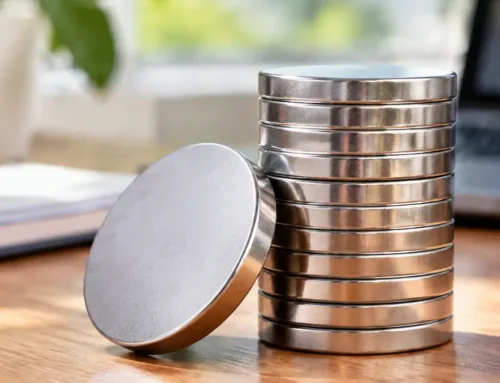
cURL Too many subrequests by single Worker invocation. To configure this limit, refer to https://developers.cloudflare.com/workers/wrangler/configuration/#limits شکلهای مختلف مغناطیس cURL Too many subrequests by single Worker invocation. To configure this limit, refer to https://developers.cloudflare.com/workers/wrangler/configuration/#limits
cURL Too many subrequests by single Worker invocation. To configure this limit, refer to https://developers.cloudflare.com/workers/wrangler/configuration/#limits

cURL Too many subrequests by single Worker invocation. To configure this limit, refer to https://developers.cloudflare.com/workers/wrangler/configuration/#limits
- cURL Too many subrequests by single Worker invocation. To configure this limit, refer to https://developers.cloudflare.com/workers/wrangler/configuration/#limits cURL Too many subrequests by single Worker invocation. To configure this limit, refer to https://developers.cloudflare.com/workers/wrangler/configuration/#limits
- cURL Too many subrequests by single Worker invocation. To configure this limit, refer to https://developers.cloudflare.com/workers/wrangler/configuration/#limits cURL Too many subrequests by single Worker invocation. To configure this limit, refer to https://developers.cloudflare.com/workers/wrangler/configuration/#limits
- cURL Too many subrequests by single Worker invocation. To configure this limit, refer to https://developers.cloudflare.com/workers/wrangler/configuration/#limits cURL Too many subrequests by single Worker invocation. To configure this limit, refer to https://developers.cloudflare.com/workers/wrangler/configuration/#limits
cURL Too many subrequests by single Worker invocation. To configure this limit, refer to https://developers.cloudflare.com/workers/wrangler/configuration/#limits cURL Too many subrequests by single Worker invocation. To configure this limit, refer to https://developers.cloudflare.com/workers/wrangler/configuration/#limitscURL Too many subrequests by single Worker invocation. To configure this limit, refer to https://developers.cloudflare.com/workers/wrangler/configuration/#limits
cURL Too many subrequests by single Worker invocation. To configure this limit, refer to https://developers.cloudflare.com/workers/wrangler/configuration/#limits
cURL Too many subrequests by single Worker invocation. To configure this limit, refer to https://developers.cloudflare.com/workers/wrangler/configuration/#limits cURL Too many subrequests by single Worker invocation. To configure this limit, refer to https://developers.cloudflare.com/workers/wrangler/configuration/#limits, magnet type (permanent, electro-permanent, or electromagnetic), and necessary گواهینامهها like CE or ASME to ensure safety and compliance. These help match the lifter to your specific steel handling needs while meeting industry standards.
NBAEM specializes in custom magnetic lifters, offering high-quality NdFeB-based permanent magnets و electro-permanent magnetic lifters tailored for reliable and efficient steel plate handling. Their products combine strong magnetic flux paths with robust designs suited for a variety of industrial applications.
Why choose NBAEM? Their manufacturing benefits from advanced Chinese technology, providing global reliability along with competitive pricing. This means you get durable, high-performance lifting magnets that save costs without compromising on safety or quality.
Frequently Asked Questions about Magnetic Lifts
How much weight can a magnetic lift hold?
The lifting capacity depends on the type and size of the magnet, the thickness and flatness of the steel, and surface conditions. Permanent magnetic lifters can handle loads from a few hundred pounds up to over 6,000 lbs, while larger electromagnetic and electro-permanent models may support tens of tons. Always check the Safe Working Load Limit (SWLL) provided by the manufacturer and never exceed it for safety.
Do magnetic lifts work on non-ferrous metals?
No, magnetic lifts only work on ferrous materials like steel and iron. Non-ferrous metals such as aluminum, copper, or stainless steel with low magnetic permeability can’t be lifted magnetically because they don’t create a magnetic circuit to hold the load securely.
What happens during a power outage?
- Permanent magnetic lifters don’t rely on power, so they hold the load until manually released.
- Electromagnetic lifts lose their magnetic field instantly if power cuts out, causing the load to drop—this requires extra safety precautions.
- Electro-permanent magnetic lifts combine both: a short electric pulse activates the magnet, but then it holds the load without continuous power, making it fail-safe during outages.
How to maintain a magnetic lift for longevity?
- Regularly inspect magnets for cracks, corrosion, or damage to the housing.
- Keep the load contact surface clean and free of debris to maintain a firm grip.
- Store lifters away from extreme heat and electronics to avoid demagnetization or interference.
- Test the lift strength periodically to ensure it meets rated capacity.
- Follow manufacturer maintenance schedules and maintain operator training to promote safe, long-term use.
For more details about the strength and behavior of magnets under different conditions, check out our guide on the magnetic field of a bar magnet.
 Persian
 English
 German
 Vietnamese
 Spanish (Mexico)
 Russian
 Turkish
 Polish
 Hindi
 Thai
 Malay
 Korean
 Japanese
 French
 Czech
 Danish
 Dutch
 Finnish
 Italian
 Portuguese (Brazil)
 Portuguese (Portugal)
 Slovenian
 Ukrainian
 Hebrew
 Scottish Gaelic
 Hungarian
 Tagalog
 Spanish (Spain)
 Serbian
 Indonesian
 Slovak
 Dutch (Belgium)
 Arabic
 Romanian
 Estonian
 Greek
 Bulgarian

یک نظر بدهید