
If you’ve ever wondered how your smartphone or earbuds charge without plugging in cables, magnets and wireless charging are at the heart of this tech magic. Wireless charging isn’t just about convenience—it’s about precision, efficiency, and innovation. And the unsung hero in this process? Magnetic materials that ensure perfect alignment and smoother power transfer every time you set your device down.
In this post, you’ll discover exactly how مغناطیسها elevate wireless charging to the next level, from boosting charging speed to enabling sleek device designs you didn’t think possible. Plus, we’ll explore why choosing the right magnetic materials matters—and how NBAEM delivers expert solutions to power up this fast-growing industry.
Ready to unlock the science and future of magnetic wireless charging technology? Let’s dive in!
Understanding Wireless Charging Technology
Have you ever wondered how your phone can charge without plugging it in? That’s wireless charging in action. At its core, wireless charging uses electromagnetic fields to transfer power from a charging pad to your device — no wires needed.
There are two main ways this happens:
- Inductive Charging: This is the most common method. It uses coils in both the charger and the device. When these coils align, an electromagnetic field transfers energy to charge the battery.
- Resonant Charging: This works over a slightly longer distance. It uses tuned coils that resonate at the same frequency, allowing power transfer even if the device isn’t perfectly placed on the pad.
Electromagnetic fields are the key here. The charger creates a magnetic field that induces an electric current in the device’s receiving coil. This current then charges the battery.
Wireless charging standards help make sure devices and chargers work well together. The most popular standards include:
- Qi: Widely used in smartphones and small devices, Qi is the go-to wireless charging standard worldwide.
- PMA (Power Matters Alliance): Another standard supported by some manufacturers, often competing or complementing Qi.
Understanding these basics helps you appreciate how wireless charging has become so convenient and efficient, making cables less of a hassle in daily life.
The Critical Role of Magnets in Wireless Charging
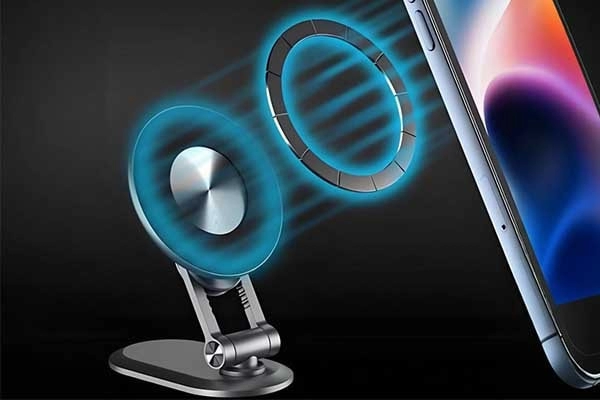
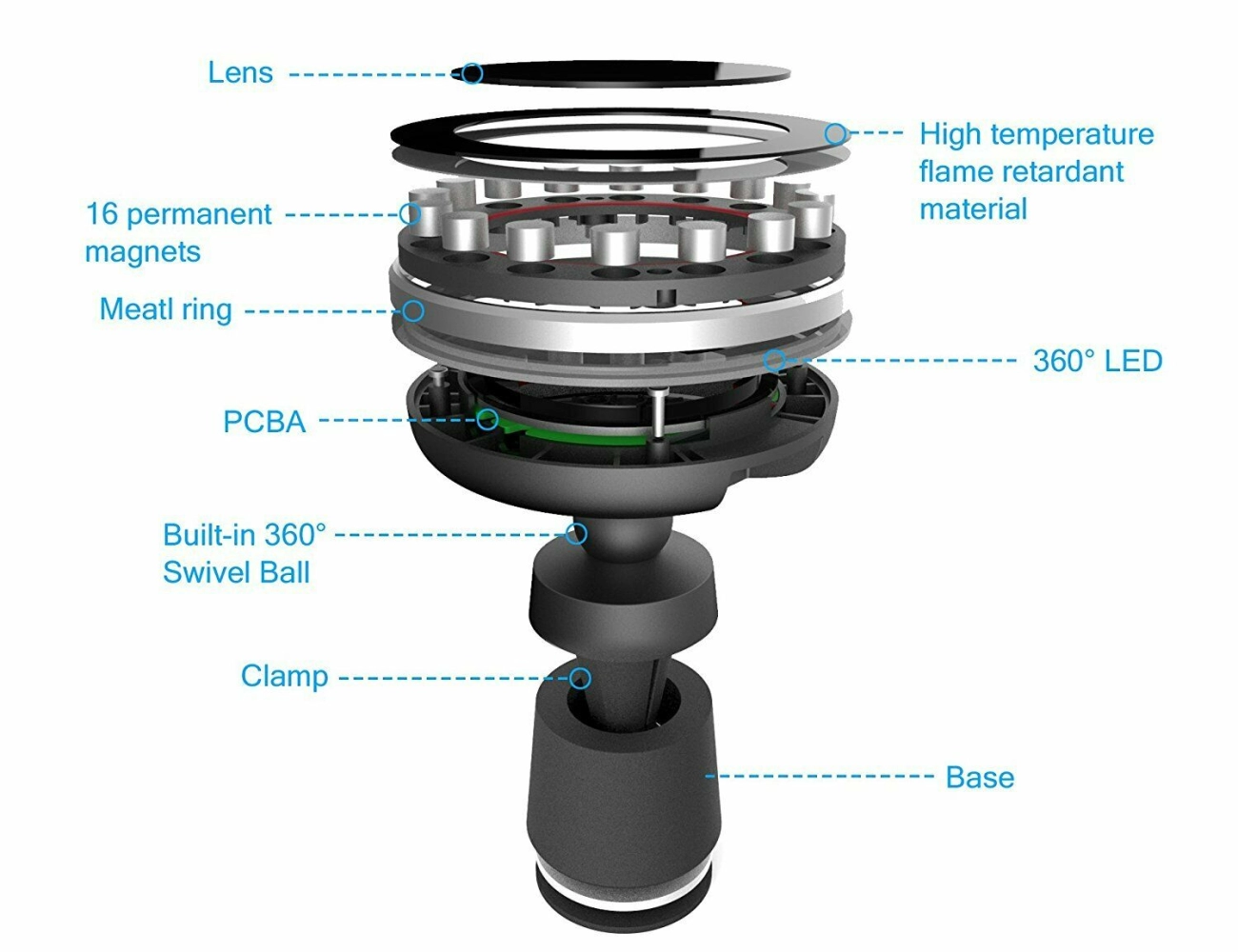
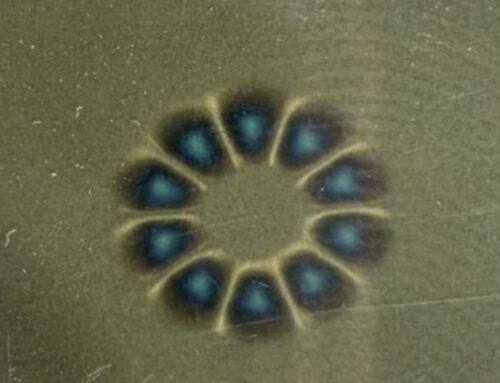
Magnets play a key role in making wireless charging work smoothly and efficiently. One of the main challenges with wireless charging is aligning the device properly on the charging pad so power transfers without interruption. Magnets help by snapping the device into the perfect spot, ensuring strong contact and better stability during charging. This magnetic alignment reduces the chances of the phone moving or slipping, which can slow down or stop the charging process.
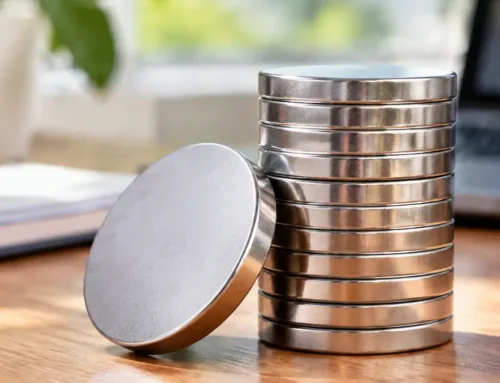
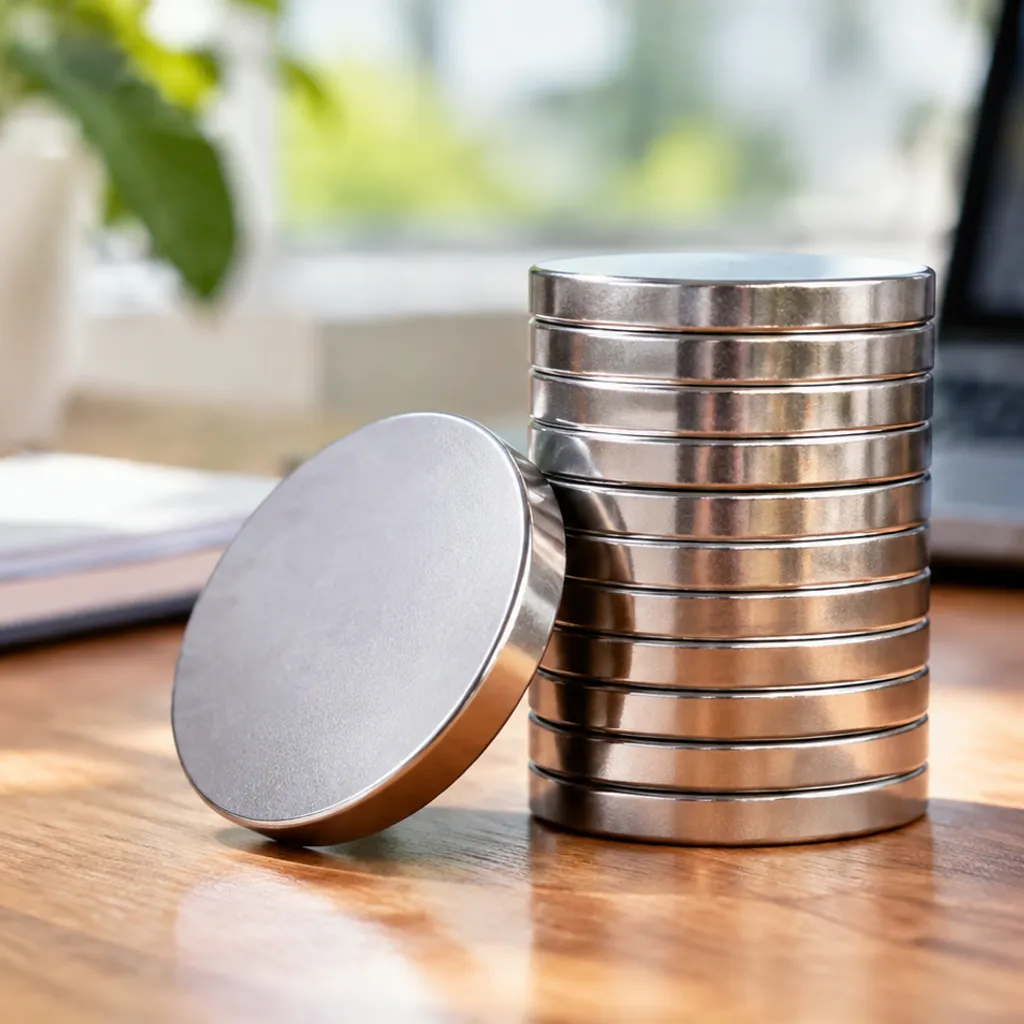
The type and quality of magnetic materials used also affect charging efficiency and speed. Strong magnets, like neodymium, ensure precise positioning, which means the power transfer is consistent and fast. This is especially important in Qi-enabled devices, where the charging system depends on exact alignment for the inductive coils to work correctly.
In addition, some devices use magnetic attachments specifically designed for wireless charging accessories. These magnets not only keep devices in place but can also support features like charging stands or mounts, adding convenience without compromising efficiency. Overall, the use of magnets improves user experience by making wireless charging reliable and easy to use.
For more about strong magnets that improve such technology, you might find this guide on the کیفیت نئودیمیم magnets useful.
Types of Magnets Used in Wireless Charging
Wireless charging systems rely on specific types of magnets to boost performance and keep things efficient. The two main magnets you’ll encounter are neodymium and ferrite magnets, each bringing unique benefits to the table.
مغناطیسهای نئودیوم
- Known for their strong magnetic strength in a compact size
- Help improve wireless charging magnetic alignment by holding the device steady on the charging pad
- Increase charging speed and efficiency by ensuring optimal coil positioning
- Commonly used in Qi-enabled devices and magnetic wireless charging technology
مغناطیسهای فرِیت
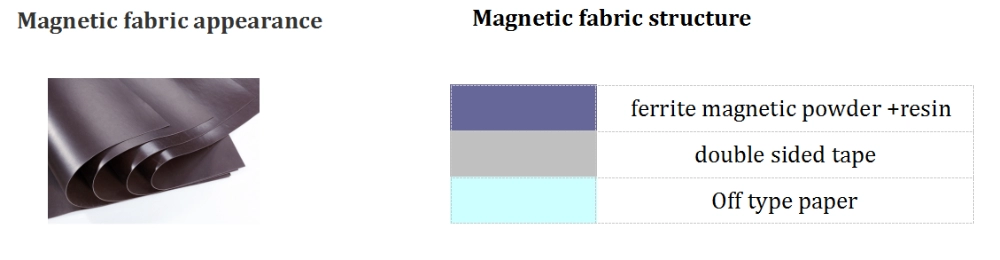
- Play a key role in minimizing energy loss and reducing interference
- cURL Too many subrequests by single Worker invocation. To configure this limit, refer to https://developers.cloudflare.com/workers/wrangler/configuration/#limits
- cURL Too many subrequests by single Worker invocation. To configure this limit, refer to https://developers.cloudflare.com/workers/wrangler/configuration/#limits
- cURL Too many subrequests by single Worker invocation. To configure this limit, refer to https://developers.cloudflare.com/workers/wrangler/configuration/#limits
cURL Too many subrequests by single Worker invocation. To configure this limit, refer to https://developers.cloudflare.com/workers/wrangler/configuration/#limits
- cURL Too many subrequests by single Worker invocation. To configure this limit, refer to https://developers.cloudflare.com/workers/wrangler/configuration/#limits
- cURL Too many subrequests by single Worker invocation. To configure this limit, refer to https://developers.cloudflare.com/workers/wrangler/configuration/#limits
- cURL Too many subrequests by single Worker invocation. To configure this limit, refer to https://developers.cloudflare.com/workers/wrangler/configuration/#limits
cURL Too many subrequests by single Worker invocation. To configure this limit, refer to https://developers.cloudflare.com/workers/wrangler/configuration/#limits
cURL Too many subrequests by single Worker invocation. To configure this limit, refer to https://developers.cloudflare.com/workers/wrangler/configuration/#limits
cURL Too many subrequests by single Worker invocation. To configure this limit, refer to https://developers.cloudflare.com/workers/wrangler/configuration/#limits
- cURL Too many subrequests by single Worker invocation. To configure this limit, refer to https://developers.cloudflare.com/workers/wrangler/configuration/#limitscURL Too many subrequests by single Worker invocation. To configure this limit, refer to https://developers.cloudflare.com/workers/wrangler/configuration/#limits
- cURL Too many subrequests by single Worker invocation. To configure this limit, refer to https://developers.cloudflare.com/workers/wrangler/configuration/#limitscURL Too many subrequests by single Worker invocation. To configure this limit, refer to https://developers.cloudflare.com/workers/wrangler/configuration/#limits
- cURL Too many subrequests by single Worker invocation. To configure this limit, refer to https://developers.cloudflare.com/workers/wrangler/configuration/#limitscURL Too many subrequests by single Worker invocation. To configure this limit, refer to https://developers.cloudflare.com/workers/wrangler/configuration/#limits
- cURL Too many subrequests by single Worker invocation. To configure this limit, refer to https://developers.cloudflare.com/workers/wrangler/configuration/#limitscURL Too many subrequests by single Worker invocation. To configure this limit, refer to https://developers.cloudflare.com/workers/wrangler/configuration/#limits
cURL Too many subrequests by single Worker invocation. To configure this limit, refer to https://developers.cloudflare.com/workers/wrangler/configuration/#limits
cURL Too many subrequests by single Worker invocation. To configure this limit, refer to https://developers.cloudflare.com/workers/wrangler/configuration/#limits
cURL Too many subrequests by single Worker invocation. To configure this limit, refer to https://developers.cloudflare.com/workers/wrangler/configuration/#limits
cURL Too many subrequests by single Worker invocation. To configure this limit, refer to https://developers.cloudflare.com/workers/wrangler/configuration/#limits
cURL Too many subrequests by single Worker invocation. To configure this limit, refer to https://developers.cloudflare.com/workers/wrangler/configuration/#limits
cURL Too many subrequests by single Worker invocation. To configure this limit, refer to https://developers.cloudflare.com/workers/wrangler/configuration/#limits
Strong magnets generate heat during charging, which can affect both the charger and your device’s battery life. Keeping the magnetic field stable without overheating takes smart design and quality materials.
Cost and quality of magnetic materials
High-performance magnets, like neodymium magnets, offer great efficiency but aren’t cheap. Sourcing consistent, high-quality magnetic materials adds cost to wireless chargers, which can impact the price you see on the shelf.
Balancing these factors is key to delivering wireless charging that’s safe, fast, and reliable for everyday use.
NBAEM Expertise in Magnetic Materials for Wireless Charging
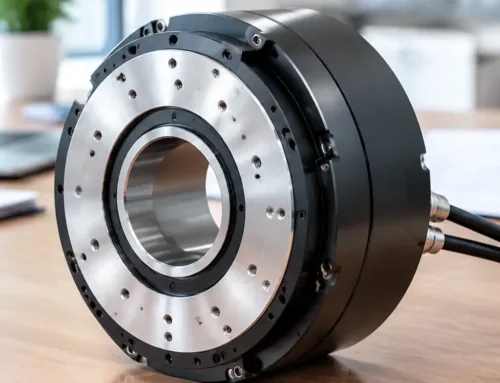
NBAEM is a reliable source for high-quality magnetic materials designed specifically for wireless charging applications. Their product lineup includes مغناطیسهای نئودیمیوم, فریت магнитها, and specialized magnetic shielding materials that help boost wireless charging efficiency and improve magnetic alignment between devices and chargers.
What sets NBAEM apart is their focus on customization. They work closely with clients to tailor magnetic materials that fit unique design needs—whether that means adjusting magnet size, strength, or shape to optimize power transfer and reduce energy loss. This flexibility helps tech manufacturers deliver faster, more reliable wireless charging that meets the expectations of U.S. customers.
Many clients have shared positive feedback, noting improvements in charging speed and device compatibility after switching to NBAEM’s magnetic solutions. Whether you’re building Qi-enabled chargers or integrating magnetic connectors for wireless charging, NBAEM’s expertise ensures you get materials that perform well in real-world use.
If you’re looking for magnetic materials that combine reliable quality with customization options to boost wireless power transfer, NBAEM offers a practical choice tailored to today’s wireless charging needs.
Future Trends Magnets and Wireless Charging Innovations
Wireless charging is evolving fast, and magnets are playing a big part in pushing these changes forward. One exciting area is magnetic resonance charging, which uses magnets differently to transfer power over slightly longer distances. This means you could charge several devices at once without needing perfect alignment—a real upgrade from traditional wireless charging pads.
We’re also seeing more integration of magnetic wireless charging technology with IoT devices and smart home systems. Imagine your smartwatch, earbuds, and phone all charging wirelessly, automatically syncing with your home network without any cords. Magnets help make these setups more reliable and user-friendly by ensuring devices stay aligned and charged efficiently.
Another crucial trend is environmental sustainability. As wireless charging grows, so does the focus on using recyclable magnetic materials that reduce waste and support greener electronics manufacturing. Companies like NBAEM are leading the way by offering eco-friendly magnetic materials for inductive charging that don’t sacrifice performance.
To sum it up:
- Magnetic resonance enables multi-device charging without exact placement
- Smarter homes benefit from magnetic connectors and wireless charging integration
- Sustainable, recyclable magnets are becoming standard in future wireless power systems
These trends make wireless charging more convenient, efficient, and better for the planet—just what American consumers want in today’s tech landscape.
 Persian
 English
 German
 Vietnamese
 Spanish (Mexico)
 Russian
 Turkish
 Polish
 Hindi
 Thai
 Malay
 Korean
 Japanese
 French
 Czech
 Danish
 Dutch
 Finnish
 Italian
 Portuguese (Brazil)
 Portuguese (Portugal)
 Slovenian
 Ukrainian
 Hebrew
 Scottish Gaelic
 Hungarian
 Tagalog
 Spanish (Spain)
 Serbian
 Indonesian
 Slovak
 Dutch (Belgium)
 Arabic
 Romanian
 Estonian
 Greek
 Bulgarian
[…] They’re a key part of wind turbines, electric vehicle motors, and even wireless charging systems (see how magnets are used in wireless charging). With advancements in high-temperature magnets (learn more about magnets that can withstand heat), […]