
Imagine tiny metal shavings silently wearing down your engine or gearbox—what if you could stop them before they cause real damage? That’s where a magnetic plug steps in. This simple yet smart device uses a powerful magnet to capture ferrous debris in oil and fluids, protecting your machinery from costly breakdowns. Whether you’re a mechanic, fleet manager, or DIY enthusiast, understanding how a magnetic plug works can save you time, money, and headaches. Ready to discover why these unsung heroes are essential for smarter machinery maintenance? Let’s dive in!
What Exactly Is a Magnetic Plug
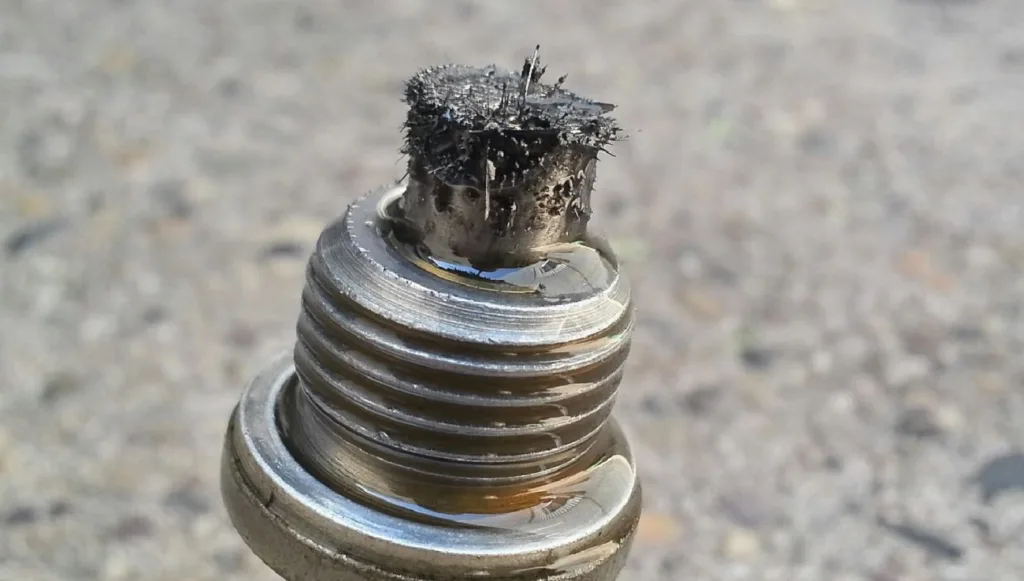
Magnetic plug
Ever wonder how to keep your engine or machinery free from harmful metal debris? A magnetic plug is designed to do just that. At its core, a magnetic plug is a specialized component that uses powerful magnets, often neodymium magnets, to attract and hold tiny metal particles circulating in fluids like oil or hydraulic liquid. This helps prevent engine wear and damage by trapping ferrous particles before they cause problems.
There are several types of magnetic plugs depending on the application:
- Magnetic drain plugs replace standard drain plugs in oil sumps, catching metal shavings during oil changes.
- Transmission fill plugs with magnets trap debris in transmission fluid.
- Gearbox vent plugs prevent metal contamination while allowing ventilation.
- Industrial magnetic filters serve larger hydraulic systems to maintain cleanliness.
Each type is designed to fit specific maintenance needs, making magnetic plugs an essential tool for condition-based monitoring and prolonging equipment life.
How Does a Magnetic Plug Work Mechanism and Installation Steps
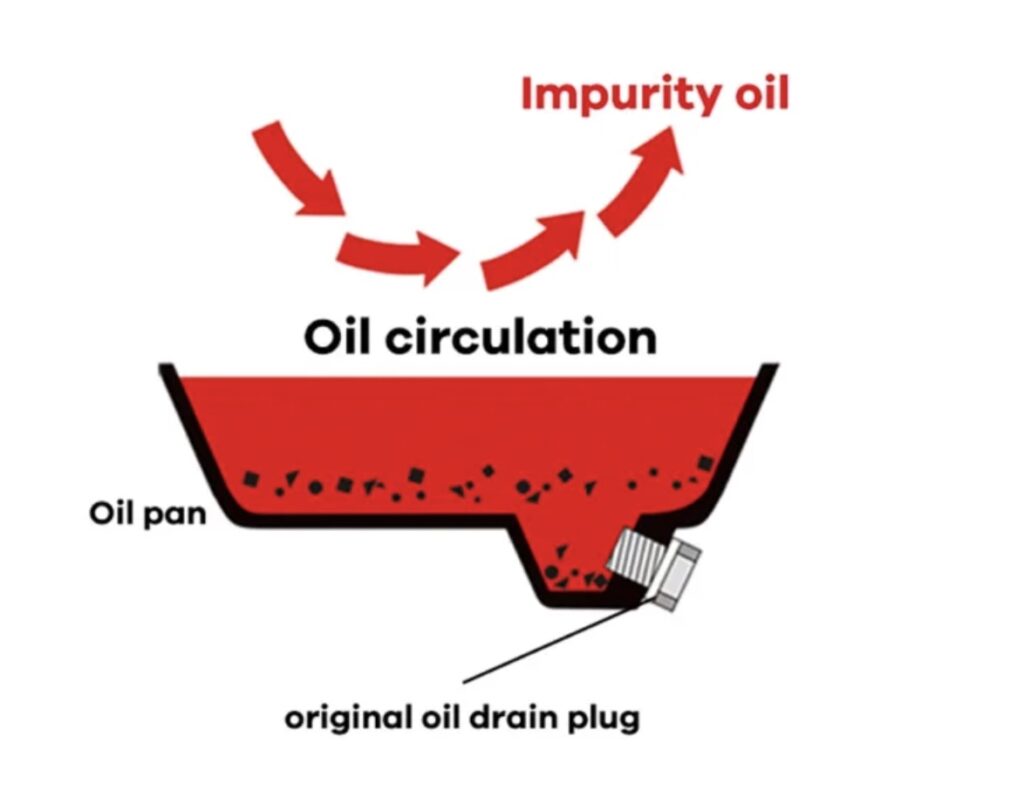
A magnetic plug works by capturing tiny metal particles, like iron or steel debris, that circulate in your engine oil, transmission fluid, or hydraulic systems. Most magnetic plugs use strong مغناطیسهای نئودیمیوم to attract and hold these ferrous particles before they can cause damage or increase engine wear. This prevents buildup and protects parts like the oil sump, gearbox, or transmission from premature wear.
Here’s how it works in a nutshell:
- Magnet attracts metal particles: The neodymium magnet embedded in the plug pulls in any ferrous debris floating in the fluid.
- Traps debris: These particles stick to the magnetic surface, stopping them from circulating and causing damage.
- Easy cleaning: When you check or change fluids, you remove the plug and wipe off the trapped metal.
Installing a magnetic plug is straightforward:
- Locate the correct plug spot: It typically replaces standard drain plugs in oil sumps, gearboxes, or transmission fill points.
- Remove the existing plug: Using the right tools, carefully take out the old plug without spilling fluid.
- Insert the magnetic plug: Screw in the magnetic drain plug by hand to avoid cross-threading, then tighten securely with a wrench—don’t over-tighten.
- Check for leaks: After installation, run the engine or system and inspect for leaks to ensure a proper seal.
cURL Too many subrequests by single Worker invocation. To configure this limit, refer to https://developers.cloudflare.com/workers/wrangler/configuration/#limits
cURL Too many subrequests by single Worker invocation. To configure this limit, refer to https://developers.cloudflare.com/workers/wrangler/configuration/#limits
cURL Too many subrequests by single Worker invocation. To configure this limit, refer to https://developers.cloudflare.com/workers/wrangler/configuration/#limits
cURL Too many subrequests by single Worker invocation. To configure this limit, refer to https://developers.cloudflare.com/workers/wrangler/configuration/#limits
- cURL Too many subrequests by single Worker invocation. To configure this limit, refer to https://developers.cloudflare.com/workers/wrangler/configuration/#limitscURL Too many subrequests by single Worker invocation. To configure this limit, refer to https://developers.cloudflare.com/workers/wrangler/configuration/#limits
- cURL Too many subrequests by single Worker invocation. To configure this limit, refer to https://developers.cloudflare.com/workers/wrangler/configuration/#limitscURL Too many subrequests by single Worker invocation. To configure this limit, refer to https://developers.cloudflare.com/workers/wrangler/configuration/#limits
- cURL Too many subrequests by single Worker invocation. To configure this limit, refer to https://developers.cloudflare.com/workers/wrangler/configuration/#limitscURL Too many subrequests by single Worker invocation. To configure this limit, refer to https://developers.cloudflare.com/workers/wrangler/configuration/#limits
- cURL Too many subrequests by single Worker invocation. To configure this limit, refer to https://developers.cloudflare.com/workers/wrangler/configuration/#limitscURL Too many subrequests by single Worker invocation. To configure this limit, refer to https://developers.cloudflare.com/workers/wrangler/configuration/#limits
- cURL Too many subrequests by single Worker invocation. To configure this limit, refer to https://developers.cloudflare.com/workers/wrangler/configuration/#limitscURL Too many subrequests by single Worker invocation. To configure this limit, refer to https://developers.cloudflare.com/workers/wrangler/configuration/#limits
cURL Too many subrequests by single Worker invocation. To configure this limit, refer to https://developers.cloudflare.com/workers/wrangler/configuration/#limits
cURL Too many subrequests by single Worker invocation. To configure this limit, refer to https://developers.cloudflare.com/workers/wrangler/configuration/#limits
cURL Too many subrequests by single Worker invocation. To configure this limit, refer to https://developers.cloudflare.com/workers/wrangler/configuration/#limits
کاربردهای رایج
- cURL Too many subrequests by single Worker invocation. To configure this limit, refer to https://developers.cloudflare.com/workers/wrangler/configuration/#limitscURL Too many subrequests by single Worker invocation. To configure this limit, refer to https://developers.cloudflare.com/workers/wrangler/configuration/#limits
- cURL Too many subrequests by single Worker invocation. To configure this limit, refer to https://developers.cloudflare.com/workers/wrangler/configuration/#limitscURL Too many subrequests by single Worker invocation. To configure this limit, refer to https://developers.cloudflare.com/workers/wrangler/configuration/#limits
- cURL Too many subrequests by single Worker invocation. To configure this limit, refer to https://developers.cloudflare.com/workers/wrangler/configuration/#limitscURL Too many subrequests by single Worker invocation. To configure this limit, refer to https://developers.cloudflare.com/workers/wrangler/configuration/#limits
- cURL Too many subrequests by single Worker invocation. To configure this limit, refer to https://developers.cloudflare.com/workers/wrangler/configuration/#limitscURL Too many subrequests by single Worker invocation. To configure this limit, refer to https://developers.cloudflare.com/workers/wrangler/configuration/#limits
- Industrial magnetic filter setups: In heavy machinery and manufacturing plants, magnetic plugs serve as the first line of defense against metal contamination.
Real World Use Cases
- Automotive repair shops: Many mechanics recommend magnetic drain plugs for oil changes to monitor the engine’s health through condition-based monitoring.
- Construction and farming equipment: Heavy gear like bulldozers and tractors use magnetic plugs to reduce unexpected downtime by trapping harmful debris.
- Marine engines: Saltwater corrosion combined with engine wear makes magnetic plugs essential for boat maintenance.
- Industrial gearboxes: Factories use magnetic plugs to capture wear particles, helping with preventive maintenance and avoiding costly repairs.
By catching metal particles early, magnetic plugs play a crucial role in keeping equipment lasting longer and running better in everyday U.S. applications—from your family car to large industrial machines.
Installation Maintenance and Troubleshooting Guide
Installing a magnetic plug is straightforward, but doing it right ensures you get the full benefits of this industrial magnetic filter. Here’s how to handle installation, maintenance, and common troubleshooting for magnetic drain plugs and similar types.
Installation Steps
- Locate the right plug port: Usually, magnetic plugs replace your traditional transmission fill plug, gearbox vent plug, or drain plug in oil sumps.
- Remove old plug carefully: Make sure to keep the area clean so no dirt enters the system during replacement.
- Install the magnetic plug: Screw the plug in snugly, but don’t overtighten—it’s important to maintain a proper seal without damaging threads.
- Double-check for leaks: After installation, run your engine or hydraulic system and inspect for any leaks around the plug.
Maintenance Tips
- Regular inspection: Check the magnetic plug during routine oil changes or hydraulic system maintenance.
- Clean trapped debris: Remove the magnetic plug periodically to wipe away the ferrous particle filter buildup. This helps prevent engine wear and prolong pump and gearbox life.
- Keep an eye on debris size and quantity: This is part of condition-based monitoring that can warn you about early system damage.
عیوب معمول در عیبیابی
- Plug leaking: If you notice oil or fluid leakage, ensure the plug is tightened correctly and the sealing washer or O-ring is intact.
- Reduced magnetic performance: If the plug isn’t collecting as much debris, it may be damaged or the neodymium magnet plug inside could be weakening. Replace if necessary.
- Plug difficult to remove: Use the proper tools and avoid forcing the plug to prevent thread damage.
Following these steps will keep your magnetic plug functioning efficiently and protect your engine or hydraulic system from premature wear and costly repairs.
For more on magnets and magnetic components used in similar applications, check out cURL Too many subrequests by single Worker invocation. To configure this limit, refer to https://developers.cloudflare.com/workers/wrangler/configuration/#limits و McURL Too many subrequests by single Worker invocation. To configure this limit, refer to https://developers.cloudflare.com/workers/wrangler/configuration/#limits.
cURL Too many subrequests by single Worker invocation. To configure this limit, refer to https://developers.cloudflare.com/workers/wrangler/configuration/#limits cURL Too many subrequests by single Worker invocation. To configure this limit, refer to https://developers.cloudflare.com/workers/wrangler/configuration/#limits


 Persian
 English
 German
 Vietnamese
 Spanish (Mexico)
 Russian
 Turkish
 Polish
 Hindi
 Thai
 Malay
 Korean
 Japanese
 French
 Czech
 Danish
 Dutch
 Finnish
 Italian
 Portuguese (Brazil)
 Portuguese (Portugal)
 Slovenian
 Ukrainian
 Hebrew
 Scottish Gaelic
 Hungarian
 Tagalog
 Spanish (Spain)
 Serbian
 Indonesian
 Slovak
 Dutch (Belgium)
 Arabic
 Romanian
 Estonian
 Greek
 Bulgarian

یک نظر بدهید