
What Does Headset Magnet Mean?
The term headset magnet carries a dual meaning in the audio industry, spanning internal acoustic engineering and external desk organization.
Headset Magnet as an Audio Component
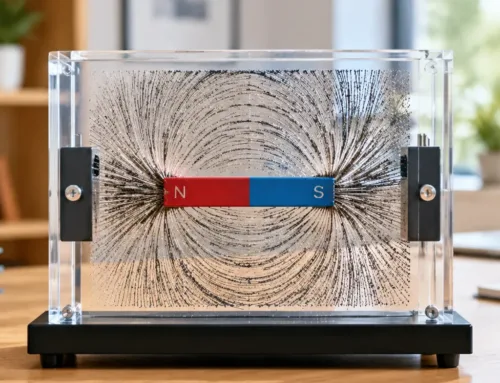
Inside an earpiece, a headphone driver magnet serves as the core acoustic engine.
-
- Drive Mechanism: Creates a stationary magnetic field that interacts with the voice coil to push and pull the diaphragm.
- Performance Impact: Magnetic strength directly controls transient response, sound clarity, and speaker efficiency.
- Common Materials: Magas teljesítmény neodymium headphone magnet discs or ferrite rings power the transducer assembly.
Headset Magnet as an Accessory
Outside the earcup, a headset magnet refers to mounting and storage hardware designed for space management.
-
- Mounting Solutions: Includes products like a magnetic headset holder, headset magnet hook, vagy under desk headphone holder.
- Utility: Employs strong permanent magnets to attach securely to steel desk frames, PC enclosures, or metal mounting plates.
- Protection: Offers cable management and safe storage without requiring permanent screws or wall anchors.
Why This Keyword Has Mixed Intent
Search intent for headset magnet splits between technical manufacturing and consumer accessories:
| Search Category | Target Audience | Key Requirement | Common Search Intent |
|---|---|---|---|
| Acoustic Hardware | Audio OEMs, engineers, procurement managers | Flux density, magnetic tolerance, customized sizing | neodymium magnet for audio, speaker magnet for headphones |
| Workspace Gear | Gamers, professionals, audio enthusiasts | Clamping strength, scratch prevention, load capacity | magnetic headset stand, gaming headset holder magnetic |
We engineer precision magnetic solutions for both sides of the market—delivering custom transducer magnets for driver production alongside heavy-duty magnetic mounting hardware.
How Magnets Work Inside Headsets and Headphones
The Basic Driver Structure
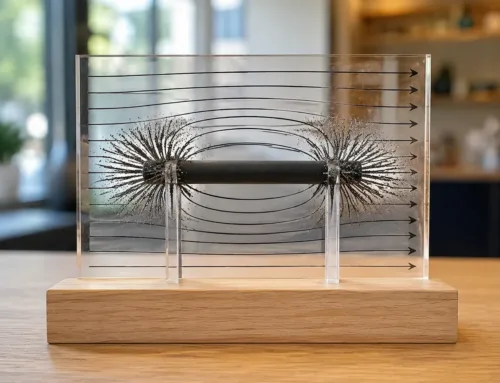
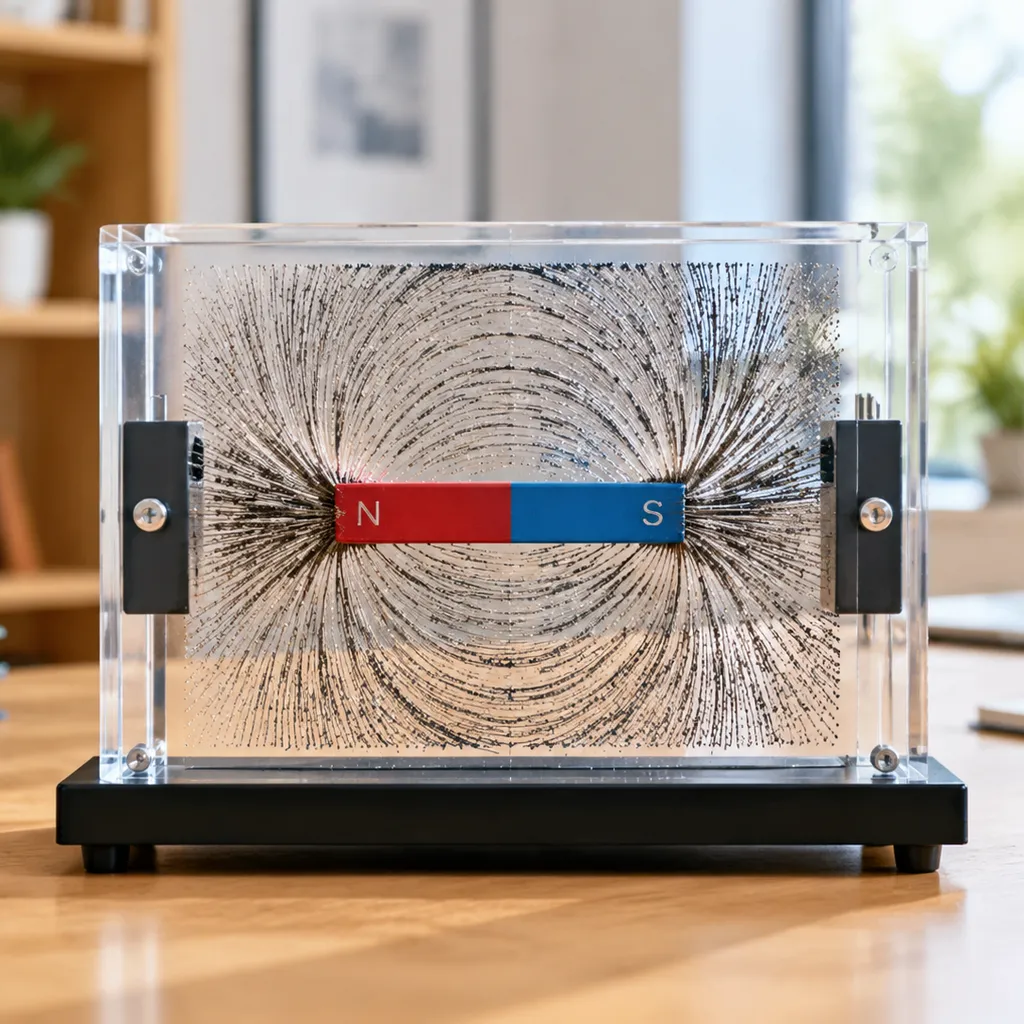
A standard headphone driver magnet setup relies on three core components working in tandem: a permanent magnet, a voice coil, and a light flexible diaphragm. We position the stationary headset magnet directly behind or around the voice coil to create a continuous, concentrated magnetic field within the driver housing.
How Magnetic Force Creates Sound
Converting electrical audio signals into sound waves requires rapid electromagnetic interaction.
-
- Current Input: Alternating current (AC) audio signals pass from the amplifier into the lightweight voice coil.
- Electromagnetic Reaction: The incoming electrical current turns the voice coil into a temporary magnet whose magnetic poles flip constantly based on the sound frequency.
- Rapid Piston Motion: The voice coil rapidly repels and attracts against the fixed dynamic driver magnet. This push-pull force drives the attached diaphragm back and forth, compressing air to create readable acoustic waves.
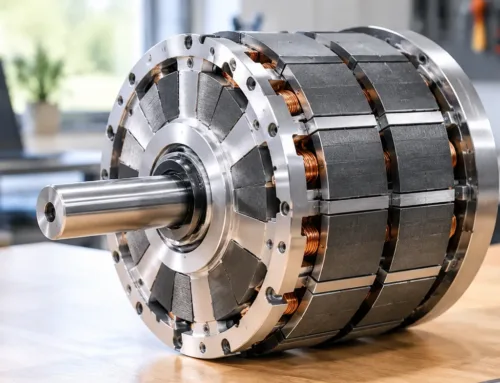
To maximize magnetic flux density and direct force efficiently inside compact earcups, engineered magnetic circuits sometimes leverage localized field configurations like Halbach array magnets.
Why Magnet Strength Matters
The overall magnetic field strength directly impacts acoustic performance and signal conversion clarity. High magnetic flux provides immediate mechanical benefits:
-
- Faster Transient Response: A stronger magnetic pull starts and stops the diaphragm instantly, delivering tight bass and crisp treble.
- Lower Harmonic Distortion: High field strength maintains linear movement, preventing voice coil wobble at higher volumes.
- Higher Sensitivity: Stronger magnetic force drives higher decibel output with less input wattage, boosting battery performance in wireless headsets.
Types of Magnets Used in Headphone and Headset Drivers
The choice of headset magnet directly dictates driver efficiency, weight, frequency response, and overall acoustic power. When engineering modern drivers, we evaluate five core magnetic materials, each balancing cost, magnetic flux density, and thermal stability. Understanding the industrial types of magnets used across audio applications helps narrow down the ideal material for specific audio designs.
-
- Neodymium (NdFeB) Magnets: The industry standard for high-performance audio. Delivering unmatched magnetic flux in a compact footprint, neodymium headphone magnets allow compact drivers to produce deep bass and crisp treble. For demanding high-power drivers subject to heat, we often engineer high-coercivity NdFeB mágnesek to prevent flux loss during extended use.
- Ferrit mágnesek: Highly cost-effective with superior corrosion resistance, but significantly bulkier and heavier. A ferrite headphone magnet is primarily found in budget-friendly over-ear models where driver housing space and overall weight are less critical.
- Samarium Cobalt (SmCo) Magnets: Exceptional thermal resistance and strong demagnetization stability. SmCo offers high magnetic energy similar to NdFeB, making it suitable for high-end specialized headsets operating in extreme temperatures, though higher raw material costs limit mass adoption.
- AlNiCo Magnets: An alloy of aluminum, nickel, and cobalt favored in vintage and niche audiophile driver designs. AlNiCo produces a warm, smooth sound curve, but its lower resistance to demagnetization makes modern dynamic driver implementation rare.
- Bonded NdFeB Magnets: Created by blending neodymium magnetic powder with polymer resins. While yielding lower overall magnetic strength than sintered alternatives, bonded magnets allow precise, complex geometry molding directly into custom headphone driver magnet assemblies without secondary machining.
Why Neodymium Magnets Are Popular in Modern Headsets
Neodymium (NdFeB) dominates the audio industry because it provides maximum magnetic strength in the smallest possible footprint. Integrating a high-grade neodymium headphone magnet allows us to maximize driver performance while keeping headsets lightweight and comfortable for daily use.
High Power in a Small Size
-
- Maximum energy density: Delivers the highest magnetic flux per millimeter of any commercial material.
- Compact driver designs: Allows acoustic engineers to build ultra-slim earcups without sacrificing volume or acoustic output.
- Weight reduction: Reduces overall headset weight to eliminate neck fatigue during extended listening or gaming sessions.
- When comparing material performance, clients often ask are Samarium Cobalt magnets stronger than neodymium—while SmCo offers high heat resistance, neodymium delivers superior magnetic energy for compact consumer audio designs.
Better Audio Performance Potential
A high-energy neodymium magnet for audio directly improves driver mechanics and sound reproduction:
Faster transient response: Stronger magnetic fields react instantly to subtle audio signals.
Reduced sound distortion: Maintains linear driver diaphragm movement during high-volume output.
Deeper bass and tight treble: Delivers impactful low-end frequencies alongside clear, detailed highs.
Ideal for Premium Consumer Electronics
-
- Versatile application: Powers everything from compact true wireless earbuds to full-sized audiophile headphones.
- Energiahatékonyság: High flux density increases sound output per milliwatt, helping conserve wireless battery life.
Coating and Corrosion Protection
Raw neodymium oxidizes quickly when exposed to humidity and human sweat. To ensure long-term durability in everyday headsets, we apply specialized protective coatings:
Ni-Cu-Ni (Nickel-Copper-Nickel): Triple-layer plating for standard durability and a clean metallic finish.
Black Epoxy: Excellent moisture barrier ideal for sports headphones and sweat-resistant gear.
Gold or Passivation Layer: High-end chemical protection for ultra-precise mechanical tolerances.
Headset Magnet Performance Factors to Evaluate
Evaluating a headset magnet requires looking beyond basic magnetic force. When we engineer driver components for audio equipment, we focus on five core performance metrics that directly dictate acoustic clarity, long-term durability, and user comfort.
Magnetic Strength and Gauss Value
-
- Flux Density: High surface Gauss values ensure a concentrated magnetic field within the voice coil air gap, improving acoustic sensitivity and transient response.
- Power Efficiency: Stronger magnetic fields reduce the power required to drive the membrane, extending battery life in wireless units while boosting dynamic range.
Size and Weight Constraints
-
- Compact Footprint: Modern earcups leave zero room for excess bulk. Utilizing high-energy neodymium headphone magnet alloys delivers the necessary field strength in ultra-compact form factors.
- User Comfort: Minimizing physical magnet mass keeps total headset weight low, preventing neck fatigue during long gaming or listening sessions.
Hőstabilitás
-
- Heat Resistance: High-volume sound playback generates localized heat near the voice coil, threatening driver stability.
- Coercivity Ratings: Selecting magnet grades with adequate temperature resistance (high Hcj) prevents irreversible demagnetization during heavy operational loads.
Korrózióállóság
-
- Moisture Defense: Trapped sweat and ambient humidity rapidly degrade raw magnetic alloys, particularly standard iron-heavy grades.
- Protective Coatings: Multi-layer nickel-copper-nickel (Ni-Cu-Ni) or protective epoxy finishes shield the headphone driver magnet from humidity and sweat oxidation.
Méretbeli tűrés
-
- Micro-Precision Gaps: Voice coils operate inside extremely narrow air gaps. Micro-level manufacturing tolerances (+/- 0.01 mm) prevent driver scraping and harmonic distortion.
- Channel Matching: Tight tolerances across production batches guarantee consistent acoustic performance and volume output between left and right channels.
Planar Magnetic vs Dynamic Driver Magnets
What Makes Planar Magnetic Headphones Different
Traditional dynamic drivers use a single ring or cup magnet with a voice coil attached to a cone diaphragm. In contrast, planar magnetic headphones place a flat, ultra-thin diaphragm embedded with electrical conductors between two opposing arrays of neodymium magnets. This creates an even magnetic field across the entire surface rather than pushing from a central point.
Sound Characteristics of Planar Magnetic Designs
-
- Lightning-Fast Transients: The balanced magnetic field moves the ultra-thin membrane instantly for crisp detail retrieval.
- Near-Zero Distortion: Uniform driving force across the entire plane prevents the cone flex and acoustic break-up common in dynamic drivers.
- Deep, Linear Bass: Delivers clean, extended low frequencies down to sub-bass levels without muddying the midrange.
Planar Magnetic vs Dynamic Driver Comparison
| Jellemző | Planar Magnetic Drivers | Dynamic Drivers |
|---|---|---|
| Magnet Setup | Dual neodymium bar/strip arrays | Single compact ring or cup magnet |
| Driver Weight | Heavier due to extensive magnetic arrays | Lightweight and compact |
| Power Needs | Higher power demand (often needs an amp) | Highly efficient (easily powered by phones/USBs) |
| Primary Use | High-end studio & audiophile gear | Gaming headsets & portable consumer audio |
Choosing the Right Driver Magnet Strategy
-
- Choose Planar Magnetic when: You are engineering premium acoustic products where absolute soundstage depth, low distortion, and micro-detail override weight or budget limitations.
- Choose Dynamic Drivers when: Your product calls for lightweight comfort, high power efficiency for wireless designs, budget-friendly manufacturing, and punchy bass response.
Whether we configure planar magnet arrays or compact dynamic driver magnet layouts, managing field uniformity—similar to how engineers determine what a magnetic bar is used for in precision magnetic assemblies—is critical to achieving high sensitivity and clean acoustic output.
Do Magnets Damage Headsets or Headphones?
Can External Magnets Affect Headphone Performance?
Every driver we design relies on an internal headphone magnet calibrated for exact acoustic output. Standard magnetic accessories won’t ruin your audio gear, but strong external magnetic flux—like unshielded neodymium blocks or heavy industrial equipment—can disrupt voice coil alignment, cause diaphragm distortion, or degrade sound accuracy over prolonged exposure.
What Users Should Avoid
-
- Direct contact with raw high-grade magnets: Placing loose neodymium components on earcups can pull voice coils out of true alignment.
- Unshielded industrial environments: Storing gear next to large power transformers, high-power speakers, or heavy magnetic tools.
- Dropping or high-impact contact: Impact damages both external casings and fragile internal magnet coatings, leading to flux leakage and reduced performance.
Safe Handling and Storage Tips
-
- Use purpose-built accessories: Store gear on a proper magnetic headset holder or magnetic headset stand designed with shielded mount points.
- Maintain clearance: Keep drivers at least 2 inches away from raw high-flux magnetic sources.
- Choose proper mounts: Ensure your headset magnet hook or under desk headphone holder uses isolated magnetic plates that redirect flux away from the earcups.
- Isolate spare drivers: Keep loose headphone driver magnet stock packaged in non-ferrous or padded shielding when not installed.
Magnetic Headset Holders and Hooks: A Practical Buying Guide
We see magnetic headset holders used across diverse environments where space optimization and quick access matter. A quality headset magnet setup eliminates desk clutter while keeping your audio gear within reach.
Where Magnetic Headset Holders Are Used
-
- PC Cases & Steel Desks: Mounts directly onto iron or steel frames without drilling holes or using messy adhesives.
- Under-Desk Workstations: An under desk headphone holder mounts under steel beams to keep your workspace clean.
- Production Studios & Server Racks: Attaches securely to rack cabinets, metal shelving, and industrial consoles for fast gear management.
What to Look For Before Buying
| Jellemző | Specification Standard | Miért fontos |
|---|---|---|
| Holding Capacity | Minimum 1.5–3 kg vertical load | Prevents slipping when heavy gaming headsets are placed quickly. |
| Grip Coating | Rubber or silicone layer | Increases friction to block sliding and protects paint from scratches. |
| Contact Surface | Flat neodymium base | Maximizes direct surface contact on thin steel plates. |
| Hook Width | Wide, curved contact area | Supports broad headbands without indenting soft cushion padding. |
Best Material Choices for Holders and Hooks
We recommend choosing mounts built with robust materials tailored for heavy use:
Neodymium Cores: Strong NdFeB magnets deliver high pull force in a compact body. Similar to energy efficiency principles seen in magnetic coupling in transformers, maximum magnetic circuit contact guarantees stable holding power.
Rubber-Coated Bases: High-friction rubber covers keep a headset magnet hook firmly in place on smooth powder-coated steel.
Aluminum & ABS Bodies: Anodized aluminum arms offer structural rigidity, while impact-resistant ABS plastics provide lightweight durability.
Common User Search Habits
When buyers search for a gaming headset holder magnetic solution, their queries usually focus on practical installation needs:
Form Factor: Users search specifically for a magnetic headset stand for desktop placement or a magnetic mount for headset gear designed for vertical PC side panels.
Load Rating: Searchers actively look for high weight limits to ensure their heavy wireless headsets won’t drop.
Surface Protection: High search volume centers around anti-scratch, rubber-molded bases that protect custom PC enclosures.
How OEMs Choose the Right Magnet for Headset and Audio Applications
Match the Magnet to Product Design
We help OEM engineering teams balance acoustic targets with tight space constraints. Choosing the ideal headset magnet depends on driver enclosure size, voice coil impedance, and required sensitivity. Compact earbud designs demand high-energy neodymium magnets for audio, while full-size gaming headsets utilize custom geometries to maximize flux density without adding weight. Understanding how to choose the right magnet for your appliances and consumer electronics ensures optimal driver efficiency from the start.
Key Procurement Considerations
OEMs must evaluate performance, supply chain reliability, and unit costs when selecting a headphone driver magnet.
| Procurement Factor | Key Specification | Impact on Audio Performance |
|---|---|---|
| Mágnes osztály | N42, N48, N52 Neodymium | Higher grades maximize flux density and sensitivity |
| Hőstabilitás | Temp resistance (80°C to 150°C) | Prevents demagnetization during high-power usage |
| Plating & Coating | Ni-Cu-Ni or Black Epoxy | Shields the magnet from sweat, oxidation, and humidity |
| BOM Cost | Material volume vs energy product | Balances audio performance with target manufacturing budget |
Quality Control Requirements
Strict quality management ensures consistent frequency response across every production batch:
-
- Gauss Value & Flux Consistency: Automated Gaussmeters test surface field strength to maintain uniform acoustic output.
- Korrózióállóság: Salt spray testing ensures the neodymium headphone magnet withstands human sweat and moisture exposure.
- Tight Dimensional Tolerances: Precise micron-level tolerances allow seamless automated placement inside the speaker magnet for headphones.
Why Customization Matters
Off-the-shelf components rarely hit exact frequency response curves. Producing high-grade sound requires a custom audio magnet engineered specifically for your acoustic chamber. Custom magnetic rings, segmented polar arrays, and tailored flux patterns give audio brands a distinct performance advantage in competitive markets.
NBAEM Custom Magnet Solutions for Audio Applications
At NBAEM, we design and manufacture high-performance magnet solutions tailored specifically for headsets and high-fidelity audio gear. Whether building ultra-lightweight earbud drivers or high-output planar magnetic headphones, our engineered components deliver the precise field strength and acoustic stability your products need.
Custom Neodymium Magnets for Headset Drivers
We produce high-grade headphone driver magnets customized to exact client specifications, ensuring optimal magnetic flux for dynamic sound reproduction.
-
- Flexible Geometries: Ring, disc, block, and arc shapes optimized for dynamic and planar driver structures.
- High Energy Grades: Materials ranging from N35 up to N52H and N52SH high-temperature grades to prevent thermal demagnetization.
- Protective Coatings: Multi-layer Nickel (Ni-Cu-Ni), Epoxy, or Zinc finishes tested to withstand sweat, humidity, and salt spray exposure.
Magnet Assemblies for OEM Manufacturers
To simplify production lines and cut assembly costs, we supply fully integrated magnet assemblies directly to OEM audio manufacturers.
| Jellemző | OEM Assembly Specification |
|---|---|
| Tight Tolerances | Precision dimensional accuracy down to ± 0.01 mm for micro-driver enclosures |
| Bonding Quality | Automated structural adhesive bonding between yoke, magnet, and pole piece |
| Testing Standard | 100% magnetic flux mapping and Gauss stability testing per unit |
Compliance and Manufacturing Support
Every batch of custom audio magnets we produce meets stringent global regulatory and performance standards.
-
- Environmental Compliance: Full adherence to RoHS, REACH, and Conflict-Free Mineral standards.
- Minőségbiztosítás: ISO 9001 and IATF 16949 certified production facilities with complete material traceability.
Requesting a Custom Quote
Engineering a custom headset magnet requires minimal turnaround time when specs are defined clearly upfront. Providing target dimensions, magnet grade, surface coating preference, required Gauss values, and estimated volume allows our technical team to return detailed Design for Manufacturability (DFM) feedback alongside direct factory pricing within 24 hours.

 Hungarian
  English
  German
  Vietnamese
  Spanish (Mexico)
  Russian
  Turkish
  Polish
  Hindi
Hindi  Thai
Thai  Malay
Malay  Korean
  Japanese
  French
  Czech
Czech  Danish
  Dutch
Dutch  Finnish
  Italian
  Portuguese (Brazil)
  Portuguese (Portugal)
  Slovenian
  Ukrainian
  Hebrew
  Scottish Gaelic
  Tagalog
  Spanish (Spain)
  Serbian
  Indonesian
  Slovak
  Dutch (Belgium)
  Persian
  Arabic
  Romanian
  Estonian
  Greek
Greek  Bulgarian

Hagyj egy hozzászólást