
Many engineers struggle with weak magnetic performance simply because the internal alignment of the material is misunderstood. When finalizing a permanent magnet design, getting the magnet orientation right is just as critical as choosing the correct grade. We rely on precise manufacturing processes to ensure the A mágnesek mögötti erő a behaves exactly as your application demands.
Easy Direction of Magnetization
At the microscopic level, a magnet’s crystal structure dictates its ultimate performance. The “easy axis” is the preferred path where this crystal structure naturally aligns. Forcing the magnetic flux direction along this specific axis requires less energy during manufacturing and yields the highest possible magnetic strength in the finished product.
Anisotropic Material vs. Isotropic Ferrite
Not all raw magnetic materials behave the same way. The initial manufacturing process determines whether a magnet is locked into a specific direction or remains flexible for custom magnetization later.
| Jellemző | Anizotróp mágnesek | Izotróp mágnesek |
|---|---|---|
| Internal Alignment | Pre-aligned during the pressing stage | Random, unaligned crystal structure |
| Mágneses erősség | Exceptionally high remánencia (Br) | Lower overall magnetic strength |
| Magnetization Flexibility | Can only be magnetized in one specific direction | Can be magnetized in any direction |
| Általános alkalmazások | Magas teljesítmény ritkaföldfém mágnesek | Költséghatékony isotropic ferrite components |
Magnetic Field Alignment
To establish the final magnet orientation, we subject the raw material to an intense external magnetic field. High-voltage coils housed inside a custom magnetizing fixture deliver a massive, instantaneous pulse of energy. This powerful surge forces the internal magnetic domains to snap into perfect alignment with the external field, driving the material to complete saturation magnetization. This controlled burst of energy is what transforms an inert block of metal into a powerful, functional magnet.
Common Types of Magnet Orientation
In permanent magnet design, choosing the right alignment is everything. The way we set the magnetic axis determines exactly how the magnet will interact with its environment. Here are the most common types of magnet orientation you will encounter, along with a simple way to visualize them.
- Tangential orientáció: This is the most standard type. The North and South poles are located on the flat, opposing surfaces. If you picture a standard coin, the “heads” side would be North and the “tails” side would be South.
- Diametrical Orientation: Instead of the flat ends, the poles are located on the curved sides. Imagine a cylinder where the magnetic field flows directly across the diameter, from left to right, rather than top to bottom.
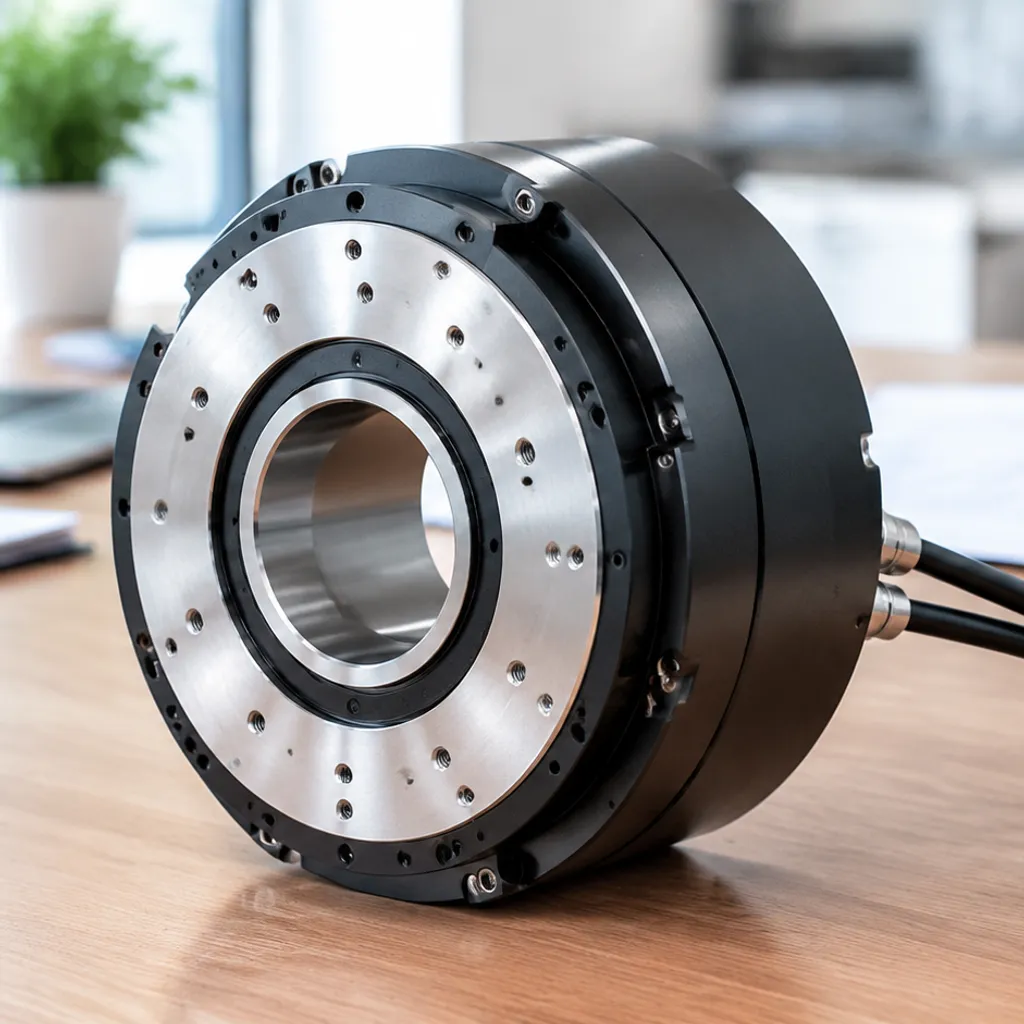
- Sugárirányú orientáció: Here, the magnetic field radiates outward from the center, much like the spokes of a bicycle wheel. We often use radial ring magnets in high-performance motors because they provide a smooth, continuous magnetic flux direction around the entire circumference.
- Multi-Pole Orientation: This involves placing multiple alternating North and South poles on a single face of the magnet. It acts like an invisible striped pattern of magnetic fields and is highly effective for increasing holding force on thin metal surfaces or for precise sensor triggers.
- Specialty Orientations: cURL Too many subrequests by single Worker invocation. To configure this limit, refer to https://developers.cloudflare.com/workers/wrangler/configuration/#limits Halbach tömbcURL Too many subrequests by single Worker invocation. To configure this limit, refer to https://developers.cloudflare.com/workers/wrangler/configuration/#limits
cURL Too many subrequests by single Worker invocation. To configure this limit, refer to https://developers.cloudflare.com/workers/wrangler/configuration/#limits
cURL Too many subrequests by single Worker invocation. To configure this limit, refer to https://developers.cloudflare.com/workers/wrangler/configuration/#limits magnetic flux and surface gausscURL Too many subrequests by single Worker invocation. To configure this limit, refer to https://developers.cloudflare.com/workers/wrangler/configuration/#limits
cURL Too many subrequests by single Worker invocation. To configure this limit, refer to https://developers.cloudflare.com/workers/wrangler/configuration/#limits
cURL Too many subrequests by single Worker invocation. To configure this limit, refer to https://developers.cloudflare.com/workers/wrangler/configuration/#limits
cURL Too many subrequests by single Worker invocation. To configure this limit, refer to https://developers.cloudflare.com/workers/wrangler/configuration/#limits
cURL Too many subrequests by single Worker invocation. To configure this limit, refer to https://developers.cloudflare.com/workers/wrangler/configuration/#limits
- cURL Too many subrequests by single Worker invocation. To configure this limit, refer to https://developers.cloudflare.com/workers/wrangler/configuration/#limits cURL Too many subrequests by single Worker invocation. To configure this limit, refer to https://developers.cloudflare.com/workers/wrangler/configuration/#limits
- cURL Too many subrequests by single Worker invocation. To configure this limit, refer to https://developers.cloudflare.com/workers/wrangler/configuration/#limits cURL Too many subrequests by single Worker invocation. To configure this limit, refer to https://developers.cloudflare.com/workers/wrangler/configuration/#limits
cURL Too many subrequests by single Worker invocation. To configure this limit, refer to https://developers.cloudflare.com/workers/wrangler/configuration/#limits
cURL Too many subrequests by single Worker invocation. To configure this limit, refer to https://developers.cloudflare.com/workers/wrangler/configuration/#limits
- Szenzorok: cURL Too many subrequests by single Worker invocation. To configure this limit, refer to https://developers.cloudflare.com/workers/wrangler/configuration/#limits
- Elektromos motorok: cURL Too many subrequests by single Worker invocation. To configure this limit, refer to https://developers.cloudflare.com/workers/wrangler/configuration/#limits
- cURL Too many subrequests by single Worker invocation. To configure this limit, refer to https://developers.cloudflare.com/workers/wrangler/configuration/#limits cURL Too many subrequests by single Worker invocation. To configure this limit, refer to https://developers.cloudflare.com/workers/wrangler/configuration/#limits
- cURL Too many subrequests by single Worker invocation. To configure this limit, refer to https://developers.cloudflare.com/workers/wrangler/configuration/#limits cURL Too many subrequests by single Worker invocation. To configure this limit, refer to https://developers.cloudflare.com/workers/wrangler/configuration/#limits
cURL Too many subrequests by single Worker invocation. To configure this limit, refer to https://developers.cloudflare.com/workers/wrangler/configuration/#limits
cURL Too many subrequests by single Worker invocation. To configure this limit, refer to https://developers.cloudflare.com/workers/wrangler/configuration/#limits
cURL Too many subrequests by single Worker invocation. To configure this limit, refer to https://developers.cloudflare.com/workers/wrangler/configuration/#limits magnet orientation cURL Too many subrequests by single Worker invocation. To configure this limit, refer to https://developers.cloudflare.com/workers/wrangler/configuration/#limits
Professional Tools for Field Mapping
For high-precision requirements, we use electronic devices to remove the guesswork:
- Pole Identifiers: These handheld devices use a small internal sensor to provide an instant LED readout. A green light typically indicates the North pole, while red indicates South.
- Gauss Meters: By moving a probe across the surface, we can find the areas of peak flux density. This helps us distinguish between simple axial orientation and more complex mágneses anizotrópia patterns in sintered materials.
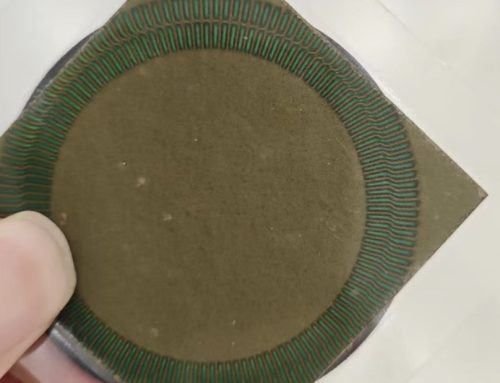
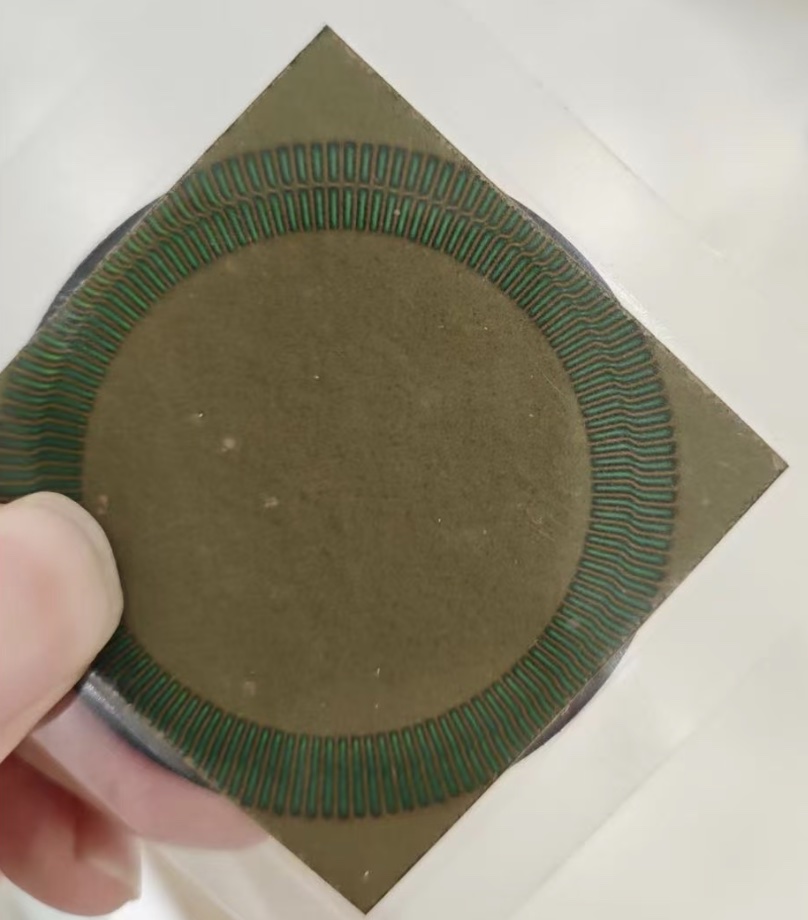
- Mágneses megfigyelő film: This translucent sheet allows us to “see” the poles. It turns dark where the magnetic field is strongest and light where the transition zones occur, making it perfect for identifying multi-pole or radial patterns.
The Compass Method and Visual Cues
If electronic tools aren’t available, a standard compass is a reliable alternative for a quick check. The “North” needle of the compass will be attracted to the South pole of your magnet. By rotating the magnet, you can quickly see if the poles are on the flat faces (axial) or the sides (diametrical).
In many industrial settings, we use standardized visual markers to streamline the assembly of Északi és Déli pólusnak:
- Dimples or Dots: A small indentation or a painted dot usually marks the North pole.
- Csiszolt élek: Some designs use a specific beveled edge to physically indicate the direction of magnetization.
- Marking Standards: We often apply laser etching or ink-jet coding on the surface to specify the exact magnetic field alignment for high-volume production runs.
Manufacturing Challenges and Precision in Magnet Orientation
Getting magnet orientation exactly right on the production floor comes with serious technical hurdles. Precision is the difference between a high-performing component and a useless piece of metal.
Achieving Perfect Radial Alignment
Creating true radial ring magnets out of sintered Neodymium is notoriously tricky. The magnetic field alignment must radiate perfectly from the center outward. Any slight shift during the pressing or sintering phase can compromise the entire permanent magnet design, leading to uneven magnetic strength and dead zones.
Why Tolerance Deviation Ruins Sensor Readings
When dealing with precision electronics, tight orientation tolerances are non-negotiable.
- Sensor Accuracy: Even a fraction of a degree of tilt in the magnetic axis can completely throw off Hall effect sensor readings.
- cURL Too many subrequests by single Worker invocation. To configure this limit, refer to https://developers.cloudflare.com/workers/wrangler/configuration/#limits cURL Too many subrequests by single Worker invocation. To configure this limit, refer to https://developers.cloudflare.com/workers/wrangler/configuration/#limits ipari mágnesek cURL Too many subrequests by single Worker invocation. To configure this limit, refer to https://developers.cloudflare.com/workers/wrangler/configuration/#limits
cURL Too many subrequests by single Worker invocation. To configure this limit, refer to https://developers.cloudflare.com/workers/wrangler/configuration/#limits
cURL Too many subrequests by single Worker invocation. To configure this limit, refer to https://developers.cloudflare.com/workers/wrangler/configuration/#limits
- cURL Too many subrequests by single Worker invocation. To configure this limit, refer to https://developers.cloudflare.com/workers/wrangler/configuration/#limits cURL Too many subrequests by single Worker invocation. To configure this limit, refer to https://developers.cloudflare.com/workers/wrangler/configuration/#limits cURL Too many subrequests by single Worker invocation. To configure this limit, refer to https://developers.cloudflare.com/workers/wrangler/configuration/#limits cURL Too many subrequests by single Worker invocation. To configure this limit, refer to https://developers.cloudflare.com/workers/wrangler/configuration/#limits magnetic flux direction cURL Too many subrequests by single Worker invocation. To configure this limit, refer to https://developers.cloudflare.com/workers/wrangler/configuration/#limits
- cURL Too many subrequests by single Worker invocation. To configure this limit, refer to https://developers.cloudflare.com/workers/wrangler/configuration/#limits cURL Too many subrequests by single Worker invocation. To configure this limit, refer to https://developers.cloudflare.com/workers/wrangler/configuration/#limits ritkaföldfém mágnesekcURL Too many subrequests by single Worker invocation. To configure this limit, refer to https://developers.cloudflare.com/workers/wrangler/configuration/#limits
- cURL Too many subrequests by single Worker invocation. To configure this limit, refer to https://developers.cloudflare.com/workers/wrangler/configuration/#limits cURL Too many subrequests by single Worker invocation. To configure this limit, refer to https://developers.cloudflare.com/workers/wrangler/configuration/#limits cURL Too many subrequests by single Worker invocation. To configure this limit, refer to https://developers.cloudflare.com/workers/wrangler/configuration/#limits cURL Too many subrequests by single Worker invocation. To configure this limit, refer to https://developers.cloudflare.com/workers/wrangler/configuration/#limits
cURL Too many subrequests by single Worker invocation. To configure this limit, refer to https://developers.cloudflare.com/workers/wrangler/configuration/#limits
cURL Too many subrequests by single Worker invocation. To configure this limit, refer to https://developers.cloudflare.com/workers/wrangler/configuration/#limits
cURL Too many subrequests by single Worker invocation. To configure this limit, refer to https://developers.cloudflare.com/workers/wrangler/configuration/#limits
cURL Too many subrequests by single Worker invocation. To configure this limit, refer to https://developers.cloudflare.com/workers/wrangler/configuration/#limits cURL Too many subrequests by single Worker invocation. To configure this limit, refer to https://developers.cloudflare.com/workers/wrangler/configuration/#limits például cURL Too many subrequests by single Worker invocation. To configure this limit, refer to https://developers.cloudflare.com/workers/wrangler/configuration/#limits, a magnetic axis cURL Too many subrequests by single Worker invocation. To configure this limit, refer to https://developers.cloudflare.com/workers/wrangler/configuration/#limits cURL Too many subrequests by single Worker invocation. To configure this limit, refer to https://developers.cloudflare.com/workers/wrangler/configuration/#limits cURL Too many subrequests by single Worker invocation. To configure this limit, refer to https://developers.cloudflare.com/workers/wrangler/configuration/#limits cURL Too many subrequests by single Worker invocation. To configure this limit, refer to https://developers.cloudflare.com/workers/wrangler/configuration/#limits is the exception; it lacks a preferred crystal direction and can be magnetized in any way, though it offers significantly lower magnetic strength.
Does magnet orientation affect the price?
Yes, it heavily influences the final cost. Standard alignments, such as simple axial or diametrical magnetization, are cost-effective because they utilize standard production equipment. On the other hand, complex configurations like radial ring magnets or multi-pole setups require a custom magnetizing fixture. Designing and building these specialized tools to achieve the correct magnetic flux direction adds to both the lead time and the overall production price.
How do I specify orientation in a technical drawing?
Clear communication is critical for successful permanent magnet design. When I review technical drawings for production, I look for specific indicators to ensure we get the alignment right the first time. You should always include:
- Directional Arrows: Draw a clear, unmistakable arrow indicating the exact path of the magnetic field through the part.
- Pole Labels: Explicitly mark the Északi és Déli pólusnak on the correct geometrical surfaces.
- Text Callouts: Clearly state the orientation type in the notes (e.g., “Magnetized Axially” or “Magnetized through the 5mm thickness”).
- Material Context: Having a solid grasp of miből készülnek a mágnesek helps dictate the practical limits of your design, ensuring that the orientation you specify is actually manufacturable for that specific alloy.

 Hungarian
 English
 German
 Vietnamese
 Spanish (Mexico)
 Russian
 Turkish
 Polish
 Hindi
 Thai
 Malay
 Korean
 Japanese
 French
 Czech
 Danish
 Dutch
 Finnish
 Italian
 Portuguese (Brazil)
 Portuguese (Portugal)
 Slovenian
 Ukrainian
 Hebrew
 Scottish Gaelic
 Tagalog
 Spanish (Spain)
 Serbian
 Indonesian
 Slovak
 Dutch (Belgium)
 Persian
 Arabic
 Romanian
 Estonian
 Greek
 Bulgarian

Hagyj egy hozzászólást