
Diagnostic Excellence: The Power of MRI and Beyond
Magnetic technology is the backbone of modern diagnostics, providing non-invasive clarity that was once thought impossible. By leveraging high-performance magnetic fields, we can map the human body with extreme precision, identifying pathologies at their earliest stages.
Risonanza Magnetica (MRI)
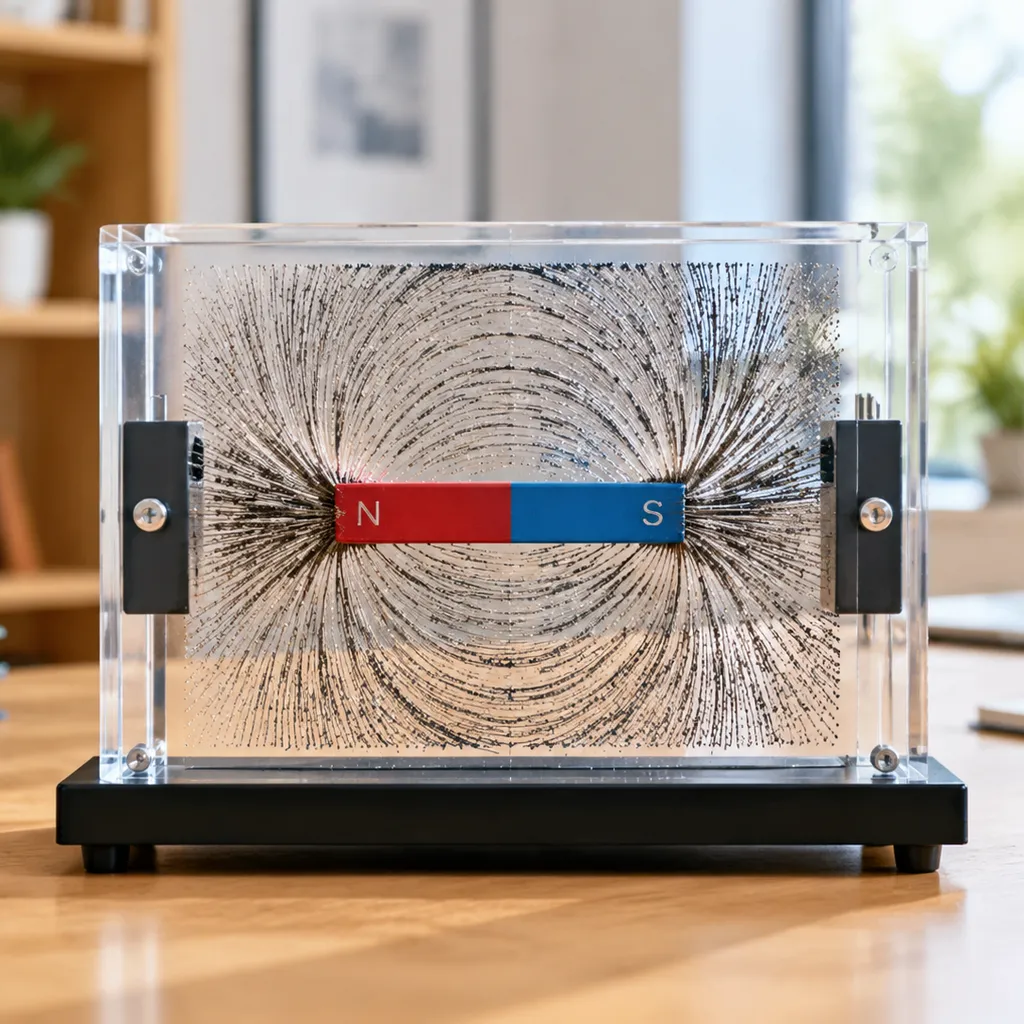
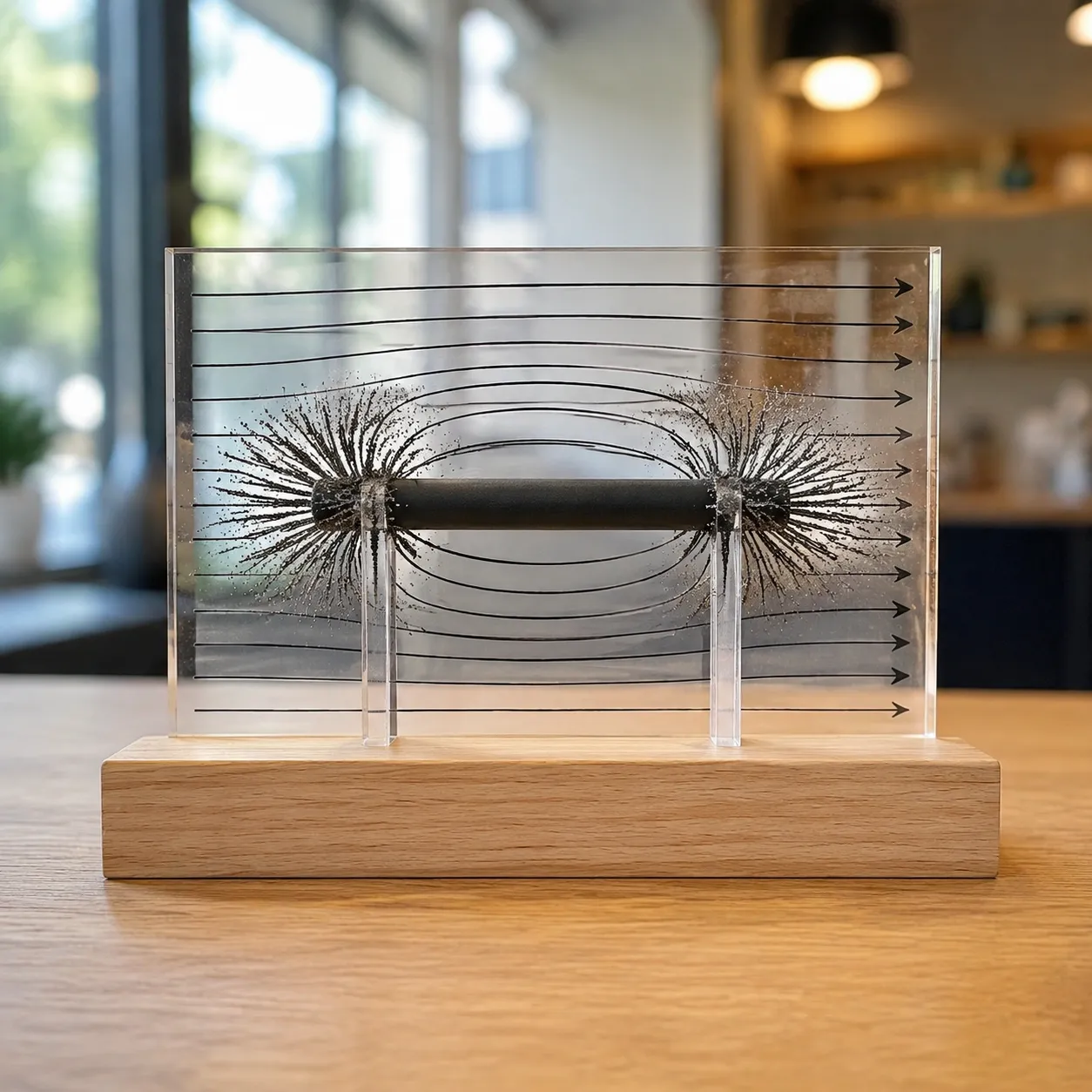
The core of an MRI scanner relies on magneti superconduttori, typically cooled by liquid helium. These magnets generate a powerful, uniform static magnetic field that aligns the hydrogen protons in the patient’s body. When radiofrequency pulses are applied, these protons shift and return to their original state, emitting signals that our systems translate into high-resolution 3D internal mapping.
The Role of Gradient Magnets
While the main magnet provides the field, gradient magnets are responsible for spatial encoding. These smaller magnetic coils allow us to:
- Localize signals: Precisely determine where in the body a signal originates.
- Improve switching speeds: Faster gradients lead to shorter scan times and sharper image quality.
- Enhance diagnostic clarity: Reducing artifacts in complex scans like cardiac or neurological imaging.
Magnetoencefalografia (MEG)
Beyond traditional imaging, Magnetoencefalografia (MEG) utilizes ultra-sensitive magnetic sensors (SQUIDs) to map brain activity. By detecting the minute magnetic fields produced by neuronal electrical currents, we can monitor brain function in real-time with millisecond temporal resolution, which is vital for surgical planning and epilepsy research.
Material Focus: Neodymium (NdFeB) in Open-Bore MRI
For patients with claustrophobia or obesity, open-bore MRI machines offer a critical alternative. These systems rely on high-stability Neodymium (NdFeB) magnets rather than superconducting coils.
- Permanent Magnet Strength: NdFeB provides the necessary flux density in a compact footprint.
- Stability: High-grade rare-earth magnets ensure field consistency over long periods.
- Accessibility: Enables a “C-arm” or open design, improving patient comfort without sacrificing essential diagnostic data.
Magnetic Applications in Surgery and Medical Devices
In the rapidly evolving field of medical device manufacturing, magnets are pushing the boundaries of what is possible in the operating room. We rely on advanced permanent magnet assemblies to make procedures safer, faster, and far less intrusive for patients globally.
Minimally Invasive Surgery (MIS)
Surgeons increasingly use magnetic coupling to guide internal surgical tools from outside the body. This technique eliminates the need for large incisions, drastically reducing recovery time and patient trauma. Because surgical instruments must undergo rigorous sterilization, integrating magneti ad alta temperatura ensures that the tools maintain their magnetic strength and stability even after repeated autoclaving.
Precision in Magnetic Eye Surgery
When metallic foreign bodies enter the eye, traditional extraction methods carry high risks of tissue damage. Specialized magnetic probes allow ophthalmologists to extract these microscopic shards with pinpoint precision. The controlled magnetic field pulls the metal out safely, preserving the patient’s vision.
Prosthetics and Orthotics
Comfort and security are non-negotiable for patients using prosthetics. Rare-earth magnets have completely transformed how these devices connect:
- Dentures: Small, powerful magnetic attachments provide a secure hold, eliminating the need for messy adhesives and improving daily comfort.
- Limb Prostheses: Magnetic systems offer an improved “snap-fit” connection. This allows users to attach and detach limbs quickly while maintaining a strong, reliable bond during physical activity.
Magnetic Sphincter Augmentation (MSA)
For patients suffering from chronic Gastroesophageal Reflux Disease (GERD), magnets offer a highly effective mechanical solution. MSA involves implanting a flexible ring of magnetic beads around the lower esophageal sphincter. The magnetic attraction keeps the sphincter closed to prevent acid reflux, yet the ring expands naturally to allow food and liquid to pass during swallowing.
Therapeutic Breakthroughs: Targeted Healing
Medical field magnet applications have evolved far beyond simple imaging. Today, we see magnets actively treating diseases and accelerating patient recovery. By harnessing controlled magnetic forces, medical professionals can target specific areas of the body without invasive surgical procedures.
Here is how magnetic technology is driving modern therapeutic breakthroughs:
- Transcranial Magnetic Stimulation (TMS): This non-invasive therapy uses highly focused magnetic pulses to stimulate nerve cells in the brain. It has become a game-changer for treating severe depression and various neurological disorders. The equipment relies on precise electromagnetic fields (EMF) to deliver consistent, safe pulses directly to the targeted brain regions.
- Pulsed Electromagnetic Field (PEMF) Therapy: We are seeing incredible results in physical rehabilitation using PEMF. By directing pulsating magnetic fields into injured tissue, this therapy accelerates bone healing, reduces inflammation, and speeds up overall cellular repair.
- Magnetic Hyperthermia: Treating cancer requires extreme precision to protect healthy tissue. Doctors are now injecting nanoparticelle magnetiche directly into tumors. By applying an alternating magnetic field, these particles heat up and effectively “cook” the cancer cells from the inside out, leaving the surrounding healthy tissue completely unharmed.
- Targeted Drug Delivery: Instead of flooding the entire body with harsh medications, external magnetic gradients are used to guide magnetically tagged drugs exactly where they are needed. This targeted drug delivery minimizes side effects and maximizes the treatment’s impact. The success of this method depends heavily on the strength and stability of the external permanent magnet assemblies used. Ensuring the la qualità dei magneti al neodimio in the guiding equipment is critical for achieving the precise magnetic gradients required to steer these medications safely through the bloodstream.
Laboratory and Biotechnology Medical Field Magnet Applications
In the lab, precision isn’t just a goal—it’s a requirement. We integrate high-performance magnets into biotechnology workflows to automate complex tasks and isolate biological markers with extreme accuracy. From sample preparation to high-speed diagnostics, magnets are the backbone of modern medical research.
Magnetic Cell Separation and Isolation
We utilize functionalized magnetic beads to simplify the isolation of specific biological entities. This process is faster and more efficient than traditional centrifugation.
- Cell Sorting: Capturing specific cell types (like T-cells or stem cells) using antibody-coated beads.
- DNA/RNA Extraction: Binding nucleic acids to magnetic particles for rapid purification.
- Protein Research: Isolating target proteins from complex mixtures for pharmaceutical development.
Automation in Clinical Lab Equipment
Modern diagnostics rely on high-speed automation to process thousands of samples daily. We use permanent magnets to ensure these systems run without a hitch.
- Centrifuges: High-stability magnets drive the motors required for extreme rotational speeds.
- Liquid Handling Robotics: Magnetic couplings and sensors allow for the precise movement of pipettes and sample trays.
- Stepper Motors: Ensuring repeatable, micro-level accuracy in automated testing platforms.
For high-performance lab environments requiring specific magnetic properties, reviewing a Samarium Cobalt magnet data sheet helps in selecting materials that maintain stability during rigorous testing cycles.
Microfluidics and Lab-on-a-Chip
We are pushing the boundaries of “Lab-on-a-chip” technology by using magnetic gradients to control fluid flow at the microscopic level. This allows for:
- Point-of-Care Testing: Rapid diagnostic results from a single drop of blood.
- Magnetic Susceptibility: Sorting particles based on their inherent magnetic properties without adding external labels.
- Enhanced Mixing: Using magnetic micro-stirrers to ensure reagents react completely in tiny volumes.
| Applicazione | Magnet Type Used | Primary Benefit |
|---|---|---|
| Cell Isolation | Paramagnetic Beads | High purity and speed |
| Robotic Arms | Neodimio (NdFeB) | Compact size, high torque |
| Microfluidics | Permanent Magnet Arrays | Precise fluid control |
| Centrifugation | High-speed Rotors | Long-term durability |
By focusing on high-grade materials and precise manufacturing, we ensure that these laboratory tools meet the strict demands of the medical field.
Material Requirements for Medical-Grade Magnets
In medical field magnet applications, there is absolutely no room for error. We know that building components for healthcare means adhering to strict standards, including full ISO 13485 compliance. The materials we select must perform flawlessly under extreme conditions while remaining completely safe for patient exposure.
Biocompatibility and Protective Coatings
Raw rare-earth magnets are naturally susceptible to corrosion, especially when exposed to biological environments. To prevent degradation and ensure absolute safety, we rely on highly specialized biocompatible coatings.
- Parylene: Delivers a pinhole-free, moisture-resistant polymer barrier that is ideal for internal implants.
- Oro: Highly unreactive, providing a premium, body-safe layer.
- Nickel-Copper-Nickel (Ni-Cu-Ni): Offers durable, multi-layered protection for external medical tools and diagnostic equipment.
Stability and Precision Tolerance
Medical device manufacturing demands exact specifications. Whether powering a micro-sensor or a surgical tool, the magnetic output must be perfectly stable. Precision machining is non-negotiable here, as even a microscopic deviation can impact a device’s performance. When engineering these critical tools, comparing ferrite and neodymium magnets helps us determine the exact material needed to achieve the required strength-to-size ratio without ever compromising on stability.
Temperature Resistance for Sterilization
Medical instruments must survive repeated high-heat sterilization processes, such as autoclaving. While standard Neodymium (NdFeB) magnets are incredibly strong, they can lose their magnetization at these extreme temperatures. For high-heat environments, we utilize Samario Cobalto (SmCo) magnets. SmCo maintains its magnetic integrity and performance even under severe thermal stress.
Medical Magnet Material Quick Reference
| Requirement | Preferred Solution | Primary Medical Application |
|---|---|---|
| Resistenza alla Corrosione | Parylene, Gold, Ni-Cu-Ni | Implants, internal surgical tools |
| High Magnetic Strength | Neodimio (NdFeB) | Compact medical devices, sensors |
| High-Heat Sterilization | Samario Cobalto (SmCo) | Autoclavable equipment, dental tools |
The Future of Medical Magnetism
The evolution of medical magnet applications is moving toward total autonomy and real-time internal monitoring. We are seeing a shift from external diagnostic tools to internal, proactive systems that redefine how we treat chronic conditions and perform complex surgeries.
Magnetic Nanobots and Micro-Surgeons
The next frontier involves magnetic nanobots—microscopic machines controlled by external magnetic gradients. These autonomous micro-surgeons can navigate the bloodstream to clear arterial blockages or perform biopsies without a single incision. By utilizing high-precision magnetic fields, doctors can steer these bots to hard-to-reach areas of the brain or heart with sub-millimeter accuracy.
Smart Implants and Internal Monitoring
Future medical devices are becoming “smart” through integrated magnetic sensors. These smart implants provide a continuous stream of data regarding internal health:
- Pressure Sensing: Monitoring intracranial or intraocular pressure in real-time.
- Structural Integrity: Tracking the wear and tear of orthopedic implants.
- Biosensors: Detecting early signs of infection or inflammation via magnetic susceptibility changes.
Key Innovations on the Horizon
- Remote-Controlled Drug Release: Implants that release medication only when triggered by a specific magnetic pulse.
- Magnetic Scaffolding: Using magnetic fields to organize cells into complex tissue structures for organ regeneration.
- Wireless Power Transfer: Using magnetic induction to charge internal pacemakers or neurostimulators through the skin, eliminating the need for replacement surgeries.
We are entering an era where magnetism isn’t just a tool for seeing inside the body, but a primary method for active, internal healing. These advancements rely heavily on specialized applications of high-performance magnetic materials that can withstand the rigors of the human biological environment while providing consistent, reliable performance.
FAQs: Understanding Medical Field Magnet Applications
Navigating the complexities of Medical Field Magnet Applications requires a clear understanding of material safety, performance, and specialized coatings. Below are the most frequent questions we address regarding the integration of magnets into healthcare technology.
What are the most common magnets used in healthcare?
The medical industry relies heavily on three primary types of magnets:
- Neodimio (NdFeB): Used in MRI machines, surgical tools, and hearing aids due to its immense strength.
- Samario Cobalto (SmCo): Preferred for devices requiring high-temperature sterilization or high-heat environments.
- Superconducting Magnets: Essential for high-field MRI scanners to produce detailed internal mapping.
Are medical magnets safe for long-term implants?
Yes, magnets are safe for long-term implantation when properly encapsulated. Since rare-earth magnets are prone to corrosion, they must be hermetically sealed with biocompatible coatings to prevent any interaction between the magnet material and bodily fluids.
How do magnets help in targeted cancer treatment?
Magnets facilitate a process called magnetic hyperthermia. Magnetic nanoparticles are injected into the bloodstream and guided to the tumor site using external magnetic gradients. Once localized, an alternating magnetic field is applied, causing the particles to vibrate and generate heat, which “cooks” and destroys cancer cells while leaving healthy tissue unharmed.
Why is Neodymium preferred over other materials in medical devices?
Neodymium offers the highest magnetic energy product of any permanent magnet. This allows engineers to design smaller, lighter, and more portable medical devices without losing magnetic pull. When evaluating a magnete in ferrite vs neodimio for medical use, neodymium is almost always chosen for precision applications where space is at a premium.
What coatings are required for biocompatibility?
To ensure patient safety and device longevity, we utilize several specialized plating options:
- Parylene C: A polymer coating that provides a complete moisture and chemical barrier.
- Gold Plating: Highly inert and non-reactive, making it ideal for internal medical components.
- Medical-Grade Epoxy: Used to provide a durable, smooth finish that resists sterilization cycles.
- Nickel-Copper-Nickel: Often used as a base layer before applying a final biocompatible topcoat.

 Italian
  English
  German
  Vietnamese
  Spanish (Mexico)
  Russian
  Turkish
  Polish
  Hindi
Hindi  Thai
Thai  Malay
Malay  Korean
  Japanese
  French
  Czech
Czech  Danish
  Dutch
Dutch  Finnish
  Portuguese (Brazil)
  Portuguese (Portugal)
  Slovenian
  Ukrainian
  Hebrew
  Scottish Gaelic
  Hungarian
  Tagalog
  Spanish (Spain)
  Serbian
  Indonesian
  Slovak
  Dutch (Belgium)
  Persian
  Arabic
  Romanian
  Estonian
  Greek
Greek  Bulgarian

Lascia un commento