
You already know that mechanical seals are the number one cause of pump failure and downtime.
But is switching to a Magnetic Coupling always the simple fix?
The answer lies in the engineering details. While the concept of non-contact torque transmission is straightforward, selecting the wrong magnet material or containment shell can lead to catastrophic overheating and slippage.
In this guide, you’re going to learn exactly how to analyze torque requirements, minimize eddy current losses, and select the perfect assembly for zero-leakage performance.
Let’s get into the technicals.
The Mechanics: How Magnetic Couplings Actually Work
We engineer magnetic couplings to eliminate the most common failure point in rotating equipment: the dynamic seal. By utilizing non-contact torque transmission, we bridge the gap between the prime mover and the load without a physical shaft penetrating the process boundary. This design ensures a hermetic seal, completely isolating hazardous or expensive fluids from the external environment.
The reliability of our systems stems from a precise three-part anatomy:
- Outer Rotor (The Driver): Connected directly to the motor shaft, this component houses a ring of high-performance permanent magnets on its internal surface. It remains in the atmosphere and does not touch the process fluid.
- Inner Rotor (The Driven): Attached to the pump or mixer shaft, this rotor is fully encapsulated to resist corrosion. It sits inside the process fluid and rotates synchronously with the outer rotor, driven solely by magnetic force.
- Containment Shell (The Barrier): This static isolation sleeve sits between the two rotors. It is the critical component that creates the leak-proof barrier, allowing magnetic flux to pass through while physically separating the atmosphere from the process medium.
The Physics of Torque Transmission
At the core of every synchronous magnetic coupling lies the precise interaction between magnetic fields. We utilize high-performance rare earth magnets to establish a robust magnetic circuit that bridges the gap between the driving and driven components. When the outer rotor spins, its magnetic field penetrates the stationary containment shell and “grabs” the inner rotor. This creates non-contact torque transmission, ensuring the driven load matches the motor’s speed exactly without any physical connection.
The efficiency of this transfer relies heavily on magnetic flux and surface gauss density. A higher flux density allows for a stronger magnetic lock across the air gap, enabling the transmission of higher torque loads within a compact footprint.
Key Mechanical Principles:
- Magnetic Locking: Opposite poles (North and South) on the inner and outer rotors attract each other, locking them in step for precise movement.
- Synchronous Rotation: Under normal operating conditions, there is zero slip. The output speed equals the input speed, maintaining perfect timing for sensitive applications.
- Breakaway Torque: If the load exceeds the coupling’s maximum design limit—such as during a pump blockage—the magnetic bond breaks. The rotors slip past each other, effectively acting as a “magnetic fuse” to protect the motor and drive shaft from catastrophic mechanical damage.
Magnetic Couplings vs. Mechanical Seals

Why Zero-Leakage Performance Beats Traditional Sealing
Traditional mechanical seals have a fundamental flaw: they rely on physical contact to retain fluid. Over time, friction inevitably wears down the seal faces, leading to heat generation, leaks, and costly maintenance downtime. We approach this challenge differently. By utilizing sealless pump technology, our magnetic couplings eliminate the dynamic seal entirely. Instead of a rotating shaft penetrating the pump casing, we use a static containment shell to separate the atmosphere from the process fluid.
This design achieves true hermetic sealing. There is no path for fluid to escape, which is critical when you are responsible for hazardous fluid handling or moving expensive chemicals. Since there is no physical contact between the driving and driven parts, you benefit from non-contact torque transmission. This not only stops leaks but also isolates vibration and prevents the wear associated with friction-based seals.
Key Advantages Over Mechanical Seals:
- Zero Leakage: The static containment shell isolation guarantees a 100% leak-proof barrier, unlike mechanical seals that drip as they degrade.
- Maintenance Free: Without contacting parts to wear out or require lubrication, the service life extends significantly.
- Safety: Eliminating seal failure risks protects both plant personnel and the environment from toxic exposure.
Understanding the underlying physics, such as magnetic flux and surface gauss, explains how we maintain a robust connection without physical touch. This shift from dynamic sealing to magnetic driving is the standard for modern, high-reliability fluid transfer.
Cost-Benefit Analysis for Industry
When we look at the bottom line, switching to a Magnetic Coupling system is often a decision driven by long-term operational savings rather than just initial purchase price. In traditional setups using mechanical seals, you are constantly dealing with friction, heat, and inevitable wear. These seals are essentially “consumables” that require regular replacement, lubrication, and downtime.
In contrast, our magnetic drives operate on the principle of non-contact torque transmission. Since the inner and outer rotors never physically touch, there are virtually no wear parts to replace. This shift from consumable components to permanent solutions drastically reduces maintenance budgets. The longevity of these systems relies heavily on the quality of Neodymium magnets we utilize, ensuring stable torque performance over decades without degradation.
Here is how the cost benefits break down for industrial operators:
- Zero Maintenance Requirements: Without physical contact, there is no friction to cause wear. This eliminates the need for lubrication systems and spare seal inventories, effectively removing maintenance from the daily schedule.
- Vibration Dampening: Mechanical couplings transmit motor vibrations directly to the driven load (like a pump impeller), which accelerates bearing failure. The air gap in a magnetic coupling acts as a buffer, isolating the motor from the load and extending the lifespan of the entire drivetrain.
- Torque Overload Protection: If the load seizes, the coupling simply “slips” (decouples) rather than breaking the shaft or burning out the motor. This acts as a reusable safety fuse, preventing catastrophic equipment damage that would otherwise result in expensive repairs.
- Elimination of Downtime: The hidden cost of mechanical seals is the production halt required to change them. By using a hermetic sealing solution, you avoid the unplanned shutdowns associated with seal leaks.
Exploring Types of Magnetic Couplings
When we engineer a synchronous magnetic coupling, the physical geometry is just as critical as the magnetic material itself. We primarily manufacture two distinct configurations to suit different machinery layouts and containment requirements: Coaxial (Cylindrical) and Disc (Planar) types. Choosing the right shape ensures optimal torque transmission and fits the specific spatial constraints of your equipment.
Coaxial vs Disc Coupling Designs
The choice between these designs often comes down to how the driving and driven parts need to be arranged relative to the containment barrier. We utilize different shapes of magnets to optimize the magnetic circuit for each specific configuration.
- Coaxial (Cylindrical) Couplings:
This is the most common design for magnetic drive pumps. It consists of an Outer Rotor connected to the motor and an Inner Rotor attached to the pump shaft, with one nested inside the other. This “tube-inside-a-tube” design provides a large surface area for magnetic flux, resulting in high torque density. - Disc (Planar) Couplings:
In this setup, two magnetic discs face each other across a flat barrier. This is useful for applications where a cylindrical containment shell isn’t feasible, or where torque needs to be transmitted through a flat wall. While effective, the axial forces (attraction between discs) can be significant and must be managed by the bearing system.
Quick Comparison: Cylindrical vs. Planar
| Feature | Coaxial (Cylindrical) | Disc (Planar) |
|---|---|---|
| Arrangement | Nested (Inner/Outer Rotor) | Face-to-Face |
| Torque Capacity | High (Large surface area) | Moderate |
| Axial Load | Balanced (Neutral) | High (Strong attraction) |
| Primary Use | Centrifugal pumps, mixers | Agitators through flat walls |
| Space Profile | Long and narrow | Short and wide |
By selecting the correct magnetic coupling type, we ensure that your system achieves the necessary torque transfer while maintaining a hermetic seal, regardless of the mechanical layout.
Material Science: The Heart of the Coupling
The performance of any magnetic coupling relies entirely on the quality and selection of the rare earth permanent magnets embedded within the rotors. We engineer the magnetic circuit based on two critical factors: the required torque density and the operating temperature of the application. Choosing the wrong material can lead to demagnetization or coupling failure, so we prioritize matching the magnet grade to the specific environment.
Choosing the Right Magnets: NdFeB vs. SmCo
We primarily utilize two types of sintered magnets to drive our synchronous magnetic couplings, each serving a distinct purpose in industrial settings:
- NdFeB (Neodymium Iron Boron): This is the industry standard for high-torque applications. Neodymium offers the highest magnetic energy product available, allowing us to design compact NdFeB magnetic assembly units that transmit exceptional power. It is ideal for standard operating temperatures ranging from 80°C to 150°C. For general guidance on these alloys, reviewing our magnetic materials specifications helps determine the optimal grade for standard pumps and mixers.
- SmCo (Samarium Cobalt): When the application involves extreme heat, Neodymium is not suitable due to its lower temperature coefficient. For these scenarios, we use SmCo high-temperature magnets. These are critical for applications reaching up to 350°C, providing excellent thermal stability and corrosion resistance. Consulting a specific Samarium Cobalt magnet data sheet is essential when designing couplings for handling hot oils or aggressive chemicals where thermal demagnetization is a risk.
Containment Shell Materials and Efficiency
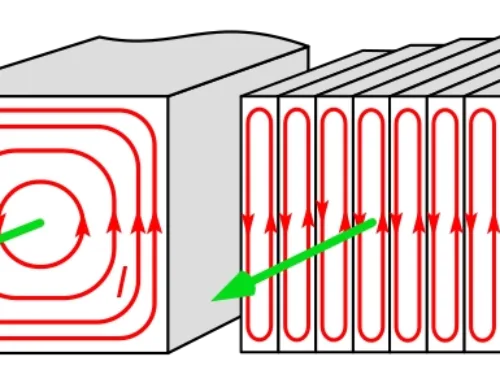
The containment shell, or canister, is the static barrier that provides hermetic sealing, physically isolating the process fluid from the atmosphere. While its primary function is safety and containment shell isolation, the material choice directly impacts the energy efficiency of the coupling. When the outer magnetic rotor spins around a stationary metallic shell, it induces electrical currents known as eddy current loss. These currents generate heat and create drag, which can reduce the overall efficiency of the drive.
To manage these losses while maintaining structural integrity, we carefully select materials based on their electrical resistance and mechanical strength.
- Stainless Steel (304, 316): A robust choice for general applications, offering good corrosion resistance and high pressure tolerance.
- Hastelloy C: Provides superior chemical resistance and is often used to handle aggressive media where standard steel might fail.
- Titanium Alloys: High strength and high electrical resistance make Titanium ideal for minimizing eddy current losses, improving the overall efficiency of the synchronous magnetic coupling.
Because eddy currents inevitably generate heat within the shell, thermal management is critical. If the process fluid cannot adequately cool the shell, the temperature rise can affect the magnetic assembly. In these scenarios, we often integrate high-temperature magnets to ensure the coupling maintains its torque capacity and does not suffer from irreversible demagnetization during operation.
Engineering Selection Criteria
Selecting the correct synchronous magnetic coupling requires more than just matching shaft diameters; it comes down to precise torque calculations. When we engineer these solutions, the primary goal is ensuring the magnetic force is strong enough to drive the load but sensitive enough to break away during a jam.
To determine the right fit, we focus on the breakaway torque. This is the maximum torque the coupling can transmit before the inner and outer rotors slip. If you underestimate this, the coupling will decouple during startup spikes. If you overestimate it, you lose the safety benefit of the “magnetic fuse” that protects your equipment.
Calculating Torque and Safety Margins
We recommend applying a safety margin to the required operating torque to accommodate system fluctuations and motor startup inertia.
- Identify Nominal Torque: Calculate the steady-state torque required to drive the pump or mixer at operating speed.
- Factor in Starting Torque: Electric motors often generate high torque spikes upon startup. The coupling must handle this without slipping.
- Apply a Safety Factor: Typically, we advise a safety margin (often 1.2 to 1.5 times the peak load) to ensure reliable torque transmission.
- Assess Magnet Strength: The grade of the magnet directly influences performance. Understanding how to measure magnet strength helps in predicting the actual holding force between the rotors.
Correct sizing ensures the magnetic assembly operates efficiently without decoupling unexpectedly, while still isolating vibration and preventing mechanical damage during overload conditions.
Operational Considerations: Temperature, Chemistry, and Alignment
When integrating a synchronous magnetic coupling into your system, we have to look beyond simple torque ratings. The operational environment dictates the engineering, specifically regarding heat, chemical exposure, and physical alignment. Ignoring these factors is the fastest way to compromise the hermetic sealing that makes these drives so valuable.
Managing Thermal Limits
Heat is the primary enemy of permanent magnets. Standard NdFeB magnetic assembly units generally operate reliably between 80°C and 150°C. However, for industrial processes exceeding these limits, we must upgrade to SmCo high-temperature magnets, which maintain magnetic stability up to 350°C. Selecting the correct magnetic grade ensures that the coupling does not suffer from irreversible demagnetization during operation. For applications requiring specific magnetic performance profiles, understanding the nuances of material manufacturing, such as the benefits of a hot press magnet, can be crucial for long-term reliability.
Chemical Compatibility and Containment
In hazardous fluid handling, the containment shell is the only component in contact with the media. We cannot use generic materials here.
- Standard Applications: Stainless steel (304 or 316) offers a good balance of strength and corrosion resistance.
- Aggressive Media: For highly corrosive acids or alkalis, we utilize Hastelloy C or Titanium alloys.
- Eddy Currents: Metallic shells generate heat due to eddy current loss. In extremely sensitive applications, we may look at non-metallic or specialized alloy options to minimize heat buildup and maximize efficiency.
Handling Misalignment
One of the distinct advantages of non-contact torque transmission is the ability to tolerate imperfections that would destroy a mechanical seal. While we always aim for perfect alignment, these couplings offer significant radial misalignment tolerance. The magnetic gap acts as a vibration damper, isolating the motor from the pump. This “soft” connection absorbs minor shaft deviations and prevents the transmission of mechanical vibration, protecting both the motor bearings and the driven load.
Common Industrial Applications
We design magnetic couplings for industries where failure isn’t an option. When you are moving expensive, dangerous, or ultra-pure fluids, a standard mechanical seal is often the weakest link. Our solutions replace those seals with a static containment shell, ensuring absolute isolation between the drive and the process.
Chemical Processing & Hazardous Fluid Handling
In the chemical industry, safety is priority number one. We frequently deploy sealless pump technology to handle fluids that are toxic, flammable, corrosive, or explosive. Because there is no physical contact between the motor and the shaft, there is no seal to wear out and leak.
- Zero Leakage: Prevents environmental contamination and protects worker safety.
- Corrosion Resistance: We use containment shells made from Hastelloy or Titanium to withstand aggressive chemicals.
- Safety: Ideal for hazardous fluid handling where even a drop of leakage is unacceptable.
Pharmaceuticals & Vacuum Systems
For pharmaceutical manufacturers, the goal is purity. Hermetic sealing is essential to prevent outside contaminants from entering the process stream. Our couplings allow for torque transmission into sterile environments without the risk of lubricant leakage or bacterial ingress found in traditional seal systems. Similarly, in vacuum techniques, maintaining a perfect barrier is critical for system efficiency.
Agitators, Mixers, and Compressors
Beyond pumps, we engineer solutions for agitators and compressors used in high-pressure or high-temperature reactors. The non-contact torque transmission ensures that vibrations from the motor are not passed to the equipment, protecting sensitive machinery. The reliability of these systems depends heavily on the magnetic strength; understanding how to make NdFeB magnets gives insight into how we achieve high torque density in compact designs for these demanding industrial applications.
Frequently Asked Questions
What happens if the load exceeds the coupling’s maximum torque?
This is where the “magnetic fuse” feature saves the day. If the load surpasses the designed breakaway torque, the inner and outer rotors simply slip past each other rather than breaking a mechanical shaft. This decoupling instantly protects your motor and driven equipment from catastrophic damage during a jam or overload. Once the overload is removed, the synchronous magnetic coupling can often re-engage or be reset, depending on the specific design.
Do magnetic couplings lose efficiency due to the containment shell?
There is a minor efficiency factor to consider called eddy current loss. When a magnetic field rotates through a metallic containment shell, it can generate heat. To minimize this, we engineer shells using high-resistance materials like Hastelloy or Titanium, or use non-metallic options for smaller applications. We also utilize high-performance magnets used in industrial settings, such as NdFeB and SmCo, to ensure the magnetic flux remains strong enough to overcome these losses and maintain high transmission efficiency.
Can I retrofit a magnetic drive onto an existing pump?
Yes, upgrading to sealless pump technology is a common request. Since we specialize in custom engineering, we can design the magnetic circuit and housing to fit existing pump dimensions. However, you need to consider the shaft size, flange connections, and the specific fluid properties to ensure the new rare earth permanent magnets and containment shell are compatible with your process.
Key Considerations for Selection:
- Torque Margin: We usually recommend a safety factor (often 1.2x to 1.5x) above your operating torque to prevent unwanted slipping.
- Temperature: Standard Neodymium magnets work well up to 80°C–150°C, while Samarium Cobalt is required for temperatures up to 350°C.
- Gap Distance: The air gap between the rotor and the shell affects torque transmission; precision manufacturing is vital here.

 English
  German
  Vietnamese
  Spanish (Mexico)
  Russian
  Turkish
  Polish
  Hindi
Hindi  Thai
Thai  Malay
Malay  Korean
  Japanese
  French
  Czech
Czech  Danish
  Dutch
Dutch  Finnish
  Italian
  Portuguese (Brazil)
  Portuguese (Portugal)
  Slovenian
  Ukrainian
  Hebrew
  Scottish Gaelic
  Hungarian
  Tagalog
  Spanish (Spain)
  Serbian
  Indonesian
  Slovak
  Dutch (Belgium)
  Persian
  Arabic
  Romanian
  Estonian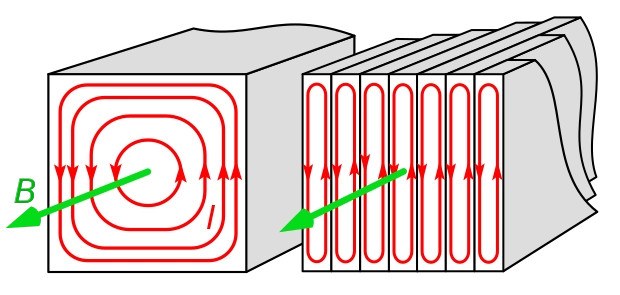

Leave A Comment