
How Magnetic Switches Work: The Two Dominant Technologies
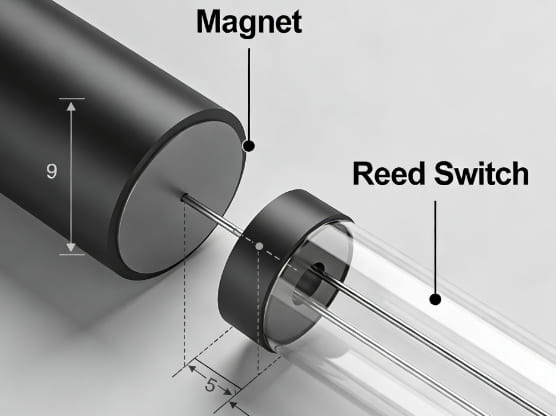
Cylinder magnet in magnetic switch
At NBAEM, we approach magnetic actuation from a materials engineering perspective. A magnetic switch is only as reliable as the field driving it. Whether you are designing for industrial automation or consumer electronics, the interaction between the magnetic assembly and the sensor is critical. We specialize in optimizing the magnetic components that power the two primary switching technologies used today.
The Reed Switch: Reliable Mechanical Actuation
Siła Reed Switch remains the industry standard for simplicity and isolation. It operates using two ferrous metal reeds encapsulated within a hermetically sealed glass envelope.
- Mechanizm: When a magnetic field—generated by one of our custom Neodymowy or Ferryta assemblies—approaches the envelope, the reeds become magnetized and attract each other, completing the circuit.
- Hermetic Sealing: Because the contacts are sealed in inert gas, they are impervious to dust, corrosion, and oxidation. This makes them ideal for harsh industrial environments or fluid monitoring systems.
- Configuration: These are typically available as Normally Open (NO) or Normally Closed (NC), depending on the positioning of the magnet relative to the contact.
The Hall Effect Sensor: Precision Solid-State Sensing
For applications requiring high-speed actuation and zero physical wear, the Hall Effect Switch is the modern standard. Unlike reed switches, these are solid-state devices that detect the magnitude of a magnetic field.
- Solid-State Sensing: There are no moving parts inside the sensor itself. Instead, a transducer generates a voltage difference in response to gęstości strumienia magnetycznego. This eliminates contact bounce and significantly extends the component’s lifespan.
- Analog vs. Digital Outputs:
- Digital Sensors: Provide a simple On/Off signal once a specific magnetic threshold (Gauss level) is reached.
- Analog Sensors: Output a continuous signal proportional to the magnetic field strength. This allows for advanced features like adjustable actuation points oraz Rapid Trigger functionality in high-performance inputs.
Our role is ensuring the magnetic component delivers a consistent, stable field to ensure these sensors operate without hysteresis or signal drift.
Critical Material Selection for a Magnetic Switch
The performance of any magnetic switch depends entirely on the magnet inside it. If you choose the wrong material, the component fails. I always focus on matching the exact magnet chemistry to the specific application.
Sinterowane NdFeB
When you need massive power in a small footprint, Sinterowane NdFeB is the industry standard. This material is the engine behind a compact neodymium magnet assembly used in precision devices and gaming keyboards featuring Rapid Trigger Technology. It delivers high magnetic flux density without taking up space. Understanding the manufacturing process of NdFeB magnets highlights exactly why this material dominates the high-performance market.
Ferrite and Ceramic Magnets
For high-volume, cost-sensitive projects, ferrite is the reliable workhorse. It lacks the raw pull of neodymium but remains the most practical choice for bulk industrial sensors where physical size constraints are relaxed.
Samarium Kobalt (SmCo)
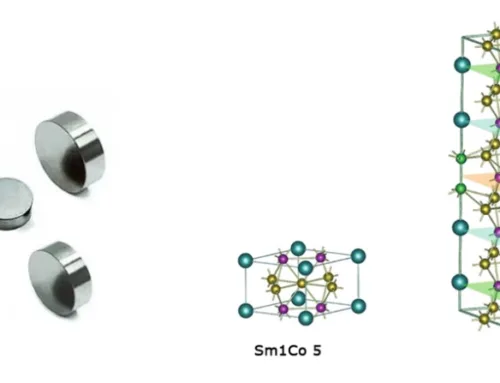
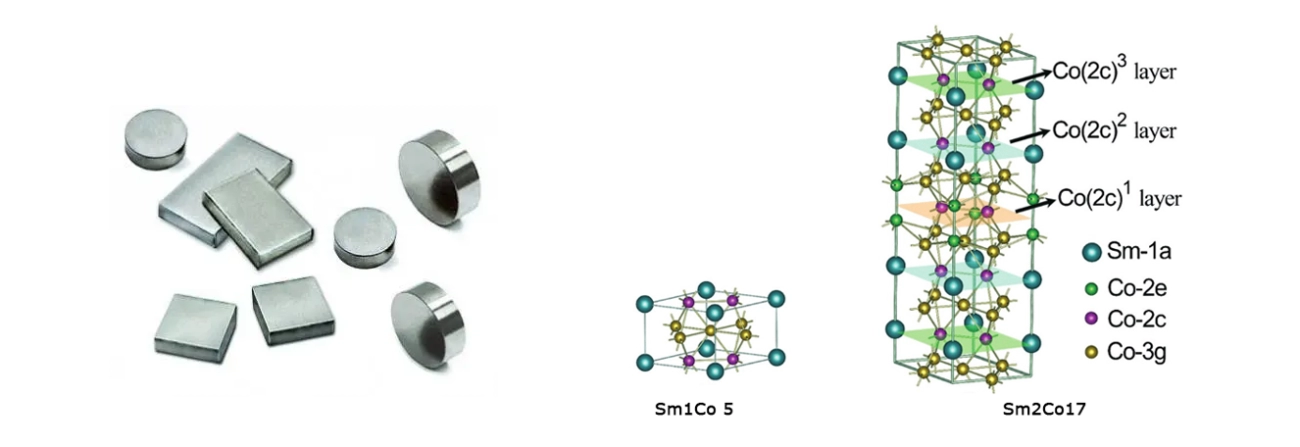
Standard magnets lose their strength in extreme heat. For high-temperature environments like automotive engine bays or aerospace equipment, SmCo is mandatory. It holds its magnetic field strength and reliability even under intense, prolonged thermal stress.
Protective Coatings
Magnets will degrade and corrode if left exposed, which instantly compromises the magnetic switch. Applying the correct surface treatment is non-negotiable.
- Ni-Cu-Ni (Nickel-Copper-Nickel): A durable triple-layer metallic shield. This is the baseline standard for most commercial and industrial builds.
- Epoksyd: Heavy-duty protection. We specify epoxy coatings when the solid state switch operates in high moisture, salt, or chemically harsh outdoor environments.
Key Industrial Applications for Magnetic Switches
While consumer electronics often grab the headlines, our core engineering focuses on critical industrial sectors where reliability is non-negotiable. We design and source magnetic assemblies that power the machinery driving the global economy.
Automotive & EV Innovation
Modern vehicles are moving away from mechanical wear parts. In the Electric Vehicle (EV) sector, Magnetic Switches are standard for brake pedal positioning, secure door latches, and fluid monitoring systems.
- Wytrzymałość: Components must survive extreme vibration and heat.
- Material Choice: High-performance sensors often require a specific przewodniku po magnesach rzadkich ziem to ensure the flux density remains stable over the vehicle’s lifespan.
Security Systems
For perimeter security, consistency is king. We supply magnets for tamper-proof contacts in door and window sensors. These systems frequently utilize Normally Open (NO) vs Normally Closed (NC) configurations to ensure instant alarm triggering if the magnetic field is interrupted.
Automatyka przemysłowa
Factory floors rely on precision. Our magnetic components are integral to:
- Pneumatic Cylinder Sensing: Accurate position detection for automated pistons.
- Industrial Safety Interlocks: Emergency stop mechanisms that halt machinery if safety guards are breached.
Urządzenia medyczne
In sterile environments, physical buttons are a contamination risk. Magnetic switching allows for Non-contact Actuation, enabling doctors to operate surgical tools and fluid pumps without direct touch, maintaining strict hygiene standards.
Engineering Challenges: Why Custom Magnetic Assemblies Matter
Designing a reliable Magnetic Switch isn’t just about picking a strong magnet; it’s about fine-tuning how that magnet interacts with the sensor. Off-the-shelf parts often fail because they don’t account for the specific environment of the final product. Here is where engineering expertise becomes critical to ensure the system works flawlessly.
Addressing Magnetic Hysteresis
One of the biggest headaches in switch design is Magnetic Hysteresis. This is the difference or “lag” between the point where the switch activates (actuation point) and where it resets. If the hysteresis is too large, the switch feels sluggish and unresponsive. We focus on selecting magnetic grades and geometries that minimize this gap, ensuring a snappy, precise response every time.
Temperature Stability and Flux Management
Heat is the enemy of consistent performance. As temperature rises, Magnetic Field Strength naturally drops. If your application involves high heat—like under a car hood—a standard Neodymium magnet might lose its charge or drift out of spec. We have to calculate the temperature coefficient carefully to ensure the flux density remains stable regardless of the operating environment.
Preventing Interference (Crosstalk)
On a crowded PCB Mount Switch layout, magnets sitting too close together can interfere with each other’s fields. This “crosstalk” can cause false triggers or dead zones. We solve this by optimizing the polarity orientation and, in some cases, adding magnetic shielding to isolate the field.
The Assembly Advantage
Many manufacturers try to source raw magnets and assemble the switch stems in-house, but this often leads to alignment errors. A pre-assembled solution is usually superior. By utilizing a professional zespół magnesów service, you get a magnet that is already bonded, encapsulated, and perfectly aligned on the stem. This eliminates handling risks and guarantees that the magnetic center matches the sensor’s sweet spot.
Sourcing the Right Magnetic Switch Supplier
When manufacturing a reliable magnetic switch, who you source from makes or breaks the final product. We look for three non-negotiable pillars in our supply chain to ensure flawless operation and long-term durability.
Consistency is King
If the magnetic field strength varies from batch to batch, the exact actuation point of your solid state switch will constantly drift. We demand strict Gauss ratings to maintain absolute magnetic flux density consistency. Maintaining tight control over the jakości magnesów neodymowych guarantees that every single switch triggers precisely when intended, eliminating manufacturing headaches and product recalls.
Certifications You Cannot Skip
Whether the switch is for a standard PCB mount switch or a critical industrial safety interlock, the manufacturing standards must be verifiable. We prioritize suppliers backed by hard data and global standards:
- ISO/TS16949: The ultimate benchmark for high-stakes automotive and industrial manufacturing.
- PPAP Level 3: Ensures the entire production process is completely stable, documented, and validated before mass production begins.
Customization for Unique Housings
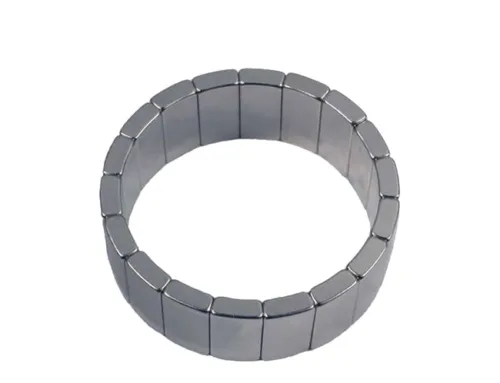
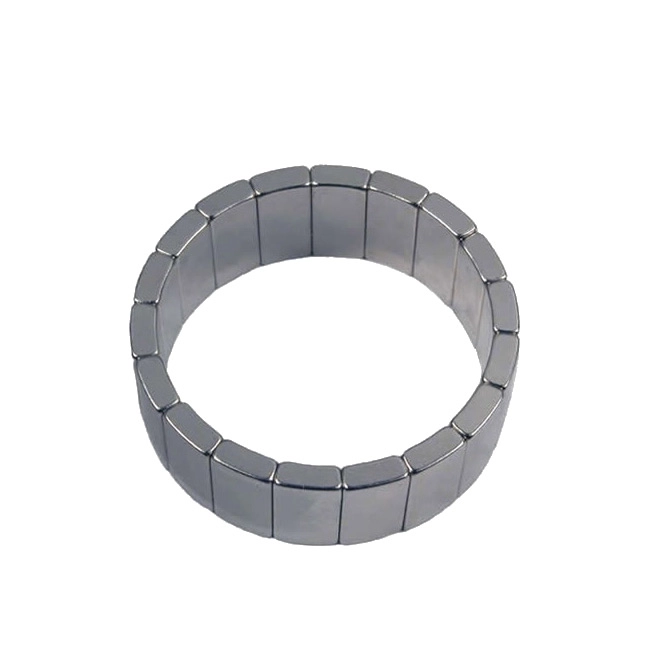
Standard off-the-shelf magnets rarely fit highly specialized applications. Unique switch housings require exact dimensions to prevent interference and maximize performance. Utilizing advanced magnet machining processes, we source custom shapes—like precision rings or ultra-thin sintered NdFeB blocks—to perfectly fit any tailored neodymium magnet assembly.


 Polish
  English
  German
  Vietnamese
  Spanish (Mexico)
  Russian
  Turkish
  Hindi
Hindi  Thai
Thai  Malay
Malay  Korean
  Japanese
  French
  Czech
Czech  Danish
  Dutch
Dutch  Finnish
  Italian
  Portuguese (Brazil)
  Portuguese (Portugal)
  Slovenian
  Ukrainian
  Hebrew
  Scottish Gaelic
  Hungarian
  Tagalog
  Spanish (Spain)
  Serbian
  Indonesian
  Slovak
  Dutch (Belgium)
  Persian
  Arabic
  Romanian

Zostaw komentarz