
How Magnetron Sputtering Works
When you need precise, high-quality thin film deposition, understanding the mechanics behind the process is crucial. Many manufacturers struggle with inconsistent coatings or poor adhesion. We solve this by mastering the core fundamentals of magnetron sputtering.
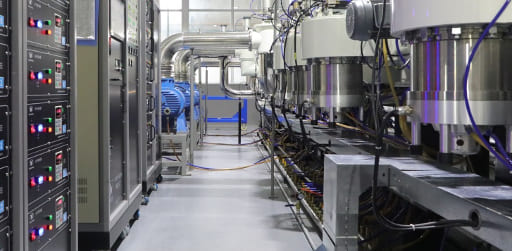
Magnetron Sputtering
Breaking Down Physical Vapor Deposition (PVD)
Magnetron sputtering is a highly effective form of Physical Vapor Deposition (PVD). Instead of melting materials to create a vapor, we use a physical momentum exchange process to eject atoms from a solid target material and deposit them onto a substrate.
- No extreme heat required: Protects temperature-sensitive substrates from thermal damage.
- Atom-by-atom buildup: Guarantees superior coating uniformity and density.
- Versatile application: Works with almost any solid material.
The Role of the Vacuum Chamber
The entire operation takes place inside a tightly sealed environment. Controlling the vacuum chamber pressure is a non-negotiable step in our process.
- Removes contaminants: Strips away atmospheric air, moisture, and dust that could ruin the film.
- Clears the travel path: Increases the “mean free path,” allowing ejected target atoms to travel directly to the substrate without colliding with stray air molecules.
Why We Use Argon Gas Ions
Once we establish the baseline vacuum, we introduce a specific working gas into the chamber. We rely heavily on argon for the sputtering process.
- Heavy atomic mass: Argon provides the necessary physical weight to effectively knock atoms off the target material upon impact.
- Chemically inert: It will not react with your target material or alter the properties of the final thin film.
- Highly efficient: It offers the best balance of performance and cost-effectiveness for consistent argon ionization.
Creating the Plasma Discharge
The actual deposition begins when we apply a high voltage across the argon gas. This electrical field strips electrons from the argon atoms, igniting a glowing plasma discharge.
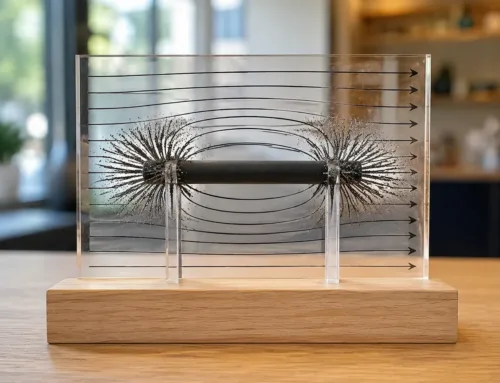
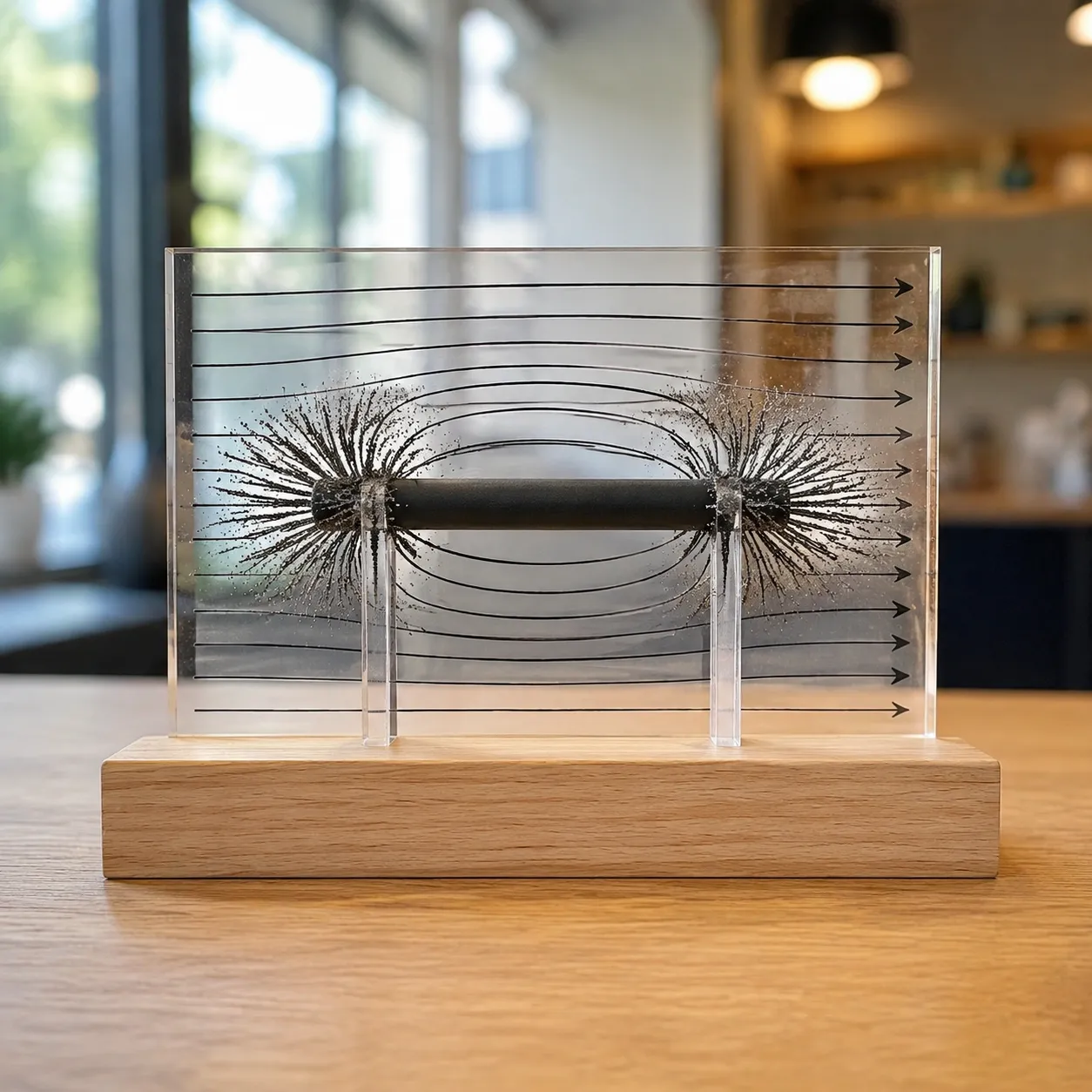
- Magnetic confinement: We use a magnetic field to trap electrons close to the target surface. This drastically increases the rate of collisions with argon atoms.
- Ion bombardment: The newly formed, positively charged argon ions are violently accelerated into the negatively charged target material.
- Target ejection: The sheer force of this impact blasts target atoms loose, sending them flying toward the substrate to form a perfect, continuous thin film.
Core Components of the Magnetron Sputtering Setup
To achieve consistent results in Physical Vapor Deposition (PVD), we rely on a highly controlled hardware environment. The equipment dictates the quality and efficiency of the entire thin film deposition process. Here is a breakdown of the essential parts that make up a standard system.
The Target Material and Substrate
The setup relies on two main physical components:
- The Target (Cathode): This is the source material we want to deposit. It is bombarded by ions to release atoms.
- The Substrate (Anode): This is the item receiving the coating. Maintaining the precise distance between the cathode and anode is critical for achieving a uniform finish.
Power Supplies: DC vs RF
We use different power configurations depending on the specific material being sputtered:
- DC Power: The standard choice for conductive metals. It is highly efficient, stable, and cost-effective for industrial scaling.
- RF Power: We switch to Radio Frequency (RF) power for insulating materials. It alternates the electrical charge, preventing insulating layers from building up and stopping the process.
Magnetron Assembly and Magnetic Fields
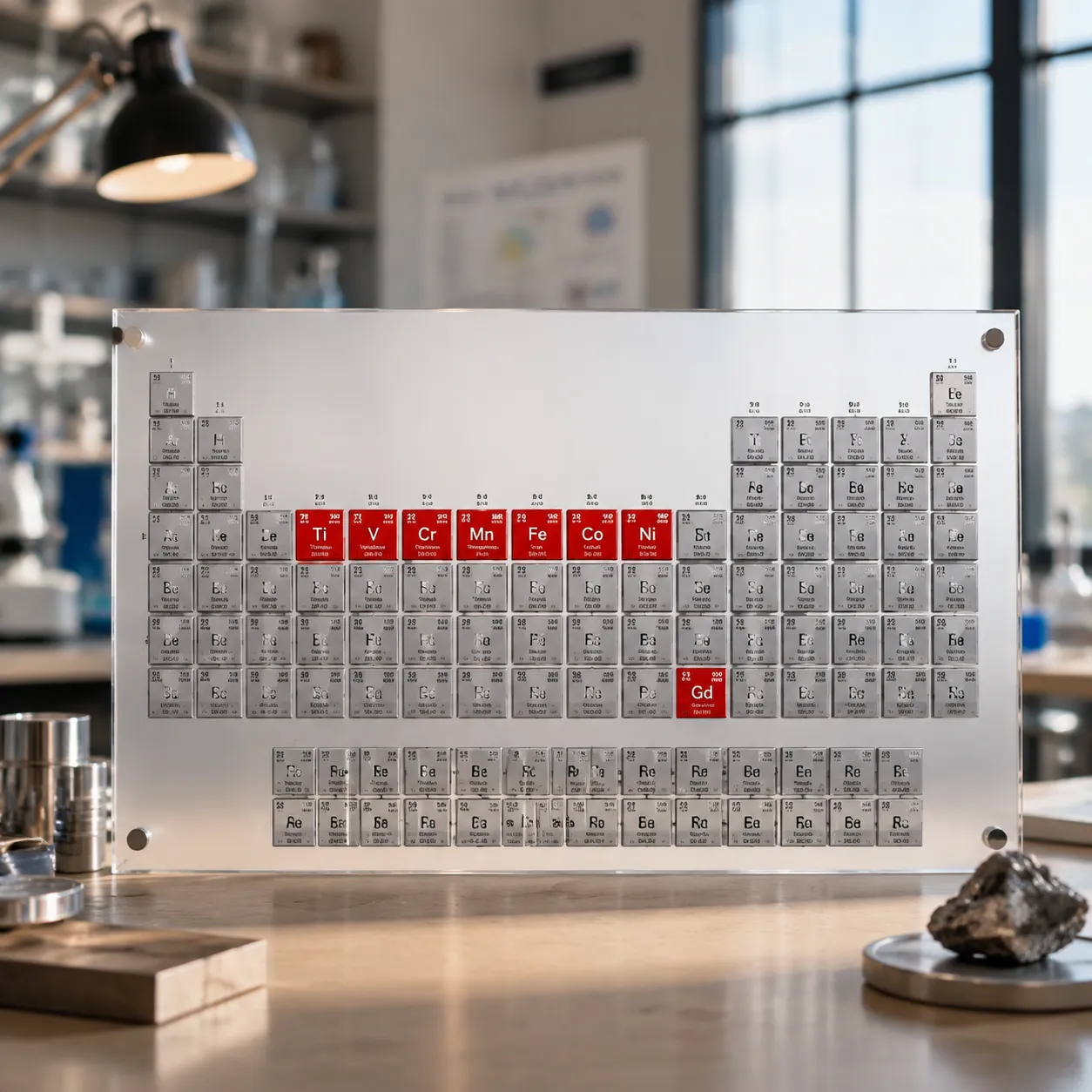
The magnetron assembly is the heart of the operation. By utilizing strong magnetic confinement, we trap electrons close to the target surface. This drastically increases the plasma density and speeds up the coating process. When engineering these arrays, selecting the correct magnetic strength is vital, much like evaluating the performance differences between ferrite vs neodymium magnets for specific industrial applications. A perfectly tuned magnetic field also guarantees even target erosion, which maximizes material usage and reduces operational costs.
Cooling Systems for Thermal Management
Magnetron sputtering generates an enormous amount of heat. We integrate heavy-duty water-cooling systems directly behind the target to prevent the material from melting or warping under the intense energy. Effective thermal management also allows us to strictly regulate the substrate temperature, ensuring that heat-sensitive components remain completely safe and structurally sound during deposition.
Different Magnetron Sputtering Types You Should Know
When we set up a Physical Vapor Deposition (PVD) system, choosing the right technique is crucial. Magnetron sputtering is highly adaptable, and the specific method we use depends entirely on the target material and the desired thin film deposition. Here is a breakdown of the core methods we rely on to achieve optimal results across various aplicações industriais.
- DC Magnetron Sputtering: This is the industry standard for depositing conductive metals. It uses a direct current to maintain a stable plasma discharge between the cathode and anode. It is highly efficient, offering excellent deposition rate control and a high sputter yield.
- RF Sputtering: Radio Frequency (RF) sputtering is our go-to for insulating materials. By rapidly alternating the electrical potential, it prevents charge buildup on non-conductive targets. This ensures steady target erosion without electrical arcing.
- HiPIMS: High-Power Impulse Magnetron Sputtering delivers short, massive bursts of power. This triggers intense argon ionization and creates a highly dense plasma. The result is exceptional coating uniformity and ultra-smooth, high-density films.
- Reactive Sputtering: By introducing a reactive gas—such as oxygen or nitrogen—into the vacuum chamber, the sputtered atoms chemically react before or as they hit the substrate. This is the primary method for creating durable oxides and nitrides.
Quick Comparison of Sputtering Methods
| Sputtering Type | Best Used For | Vantagem Principal |
|---|---|---|
| DC Sputtering | Conductive Metals | High deposition rates, cost-effective |
| RF Sputtering | Insulating Materials | Prevents target charge buildup |
| HiPIMS | High-Density Coatings | Exceptional coating uniformity and adhesion |
| Reactive Sputtering | Oxides & Nitrides | Precise chemical composition control |
Why We Choose Magnetron Sputtering
When it comes to thin film deposition, we rely on magnetron sputtering because it consistently delivers top-tier results. This Physical Vapor Deposition (PVD) technique offers a unique balance of speed, quality, and control that other methods simply cannot match.
Here is exactly why this method is our go-to choice for industrial coating applications:
High Deposition Rates and Precision
By optimizing the vacuum chamber pressure and utilizing strong magnetic confinement, we achieve a much higher sputter yield. This allows for precise deposition rate control, meaning we can build films quickly without sacrificing exact thickness requirements.
Excellent Film Adhesion and Uniformity
The energy of the sputtered atoms ensures they bond tightly to the surface. This creates outstanding coating uniformity across the entire substrate, eliminating weak spots and ensuring long-lasting durability.
Scalability for Industrial Production
Whether coating small microelectronics or massive architectural glass, the process scales effortlessly. The target erosion remains stable over time, making it highly reliable for continuous, high-volume manufacturing runs.
Low Substrate Heating
Unlike standard evaporation methods, magnetron sputtering keeps the substrate temperature remarkably low. By trapping electrons near the target using advanced magnetic arrays—often built with high-strength ímãs de neodímio—we prevent excessive heat from bombarding delicate parts. This makes it perfect for coating temperature-sensitive materials like plastics or flexible electronics.
Magnetron Sputtering Advantages at a Glance
| Característica | Benefit to Production |
|---|---|
| Deposition Speed | Faster throughput with precise thickness control. |
| Coating Uniformity | Even distribution, even on complex geometries. |
| Thermal Control | Low substrate temperature protects sensitive materials. |
| Escalabilidade | Easily adapts from lab-scale to large industrial lines. |
Real-World Applications of Magnetron Sputtering
We see magnetron sputtering driving innovation across almost every major high-tech industry today. Because this Physical Vapor Deposition (PVD) method offers incredible coating uniformity and strict deposition rate control, it has become the go-to solution for advanced manufacturing worldwide. The process relies heavily on magnetic confinement—often utilizing robust magnet arrays similar in strength and reliability to industrial levantadores magnéticos permanentes—to maintain a highly efficient plasma discharge.
Here is how we use thin film deposition in everyday industrial applications:
- Semiconductors and Microelectronics: We rely on this process to deposit ultra-thin, precise conductive and insulating layers onto silicon wafers. It is the absolute backbone of modern microchip fabrication.
- Optical Coatings and Solar Cells: From anti-reflective layers on camera lenses to the active absorbing layers in thin-film solar panels, sputtering provides the exact optical properties needed without compromising the base material.
- Hard Coatings for Tools: Industrial cutting tools and high-stress engine components require extreme wear resistance. We apply hard metal coatings to drastically extend the lifespan and durability of these critical parts.
- Flexible Electronics and Touchscreens: Modern smartphone screens and flexible displays depend on transparent conductive films. Magnetron sputtering allows us to deposit these critical layers at a low substrate temperature, ensuring the flexible plastic or delicate glass underneath remains perfectly intact during production.
Magnetron Sputtering FAQs
We get a lot of questions about how this technology stacks up against other methods and how it works in practice. Here are the most common questions we hear from our global manufacturing partners.
Sputtering vs. Evaporation: What’s the Difference?
Both are forms of Physical Vapor Deposition (PVD), but they operate on entirely different principles. Evaporation uses extreme heat to melt and vaporize a source material. Magnetron sputtering uses kinetic energy instead of heat. We use a plasma discharge to physically knock atoms off a solid target. This method provides superior coating uniformity and much stronger film adhesion. The efficiency of this process relies heavily on magnetic confinement, which is why high-strength ímãs de neodímio are typically installed behind the target to trap electrons and maintain a dense plasma.
How Thick Can the Deposited Films Get?
We are strictly dealing with thin film deposition here.
- Standard Range: Typically, film thickness ranges from a few nanometers up to about 5 micrometers.
- Precisão: Because we have precise deposition rate control, we can dial in the exact thickness required for the job.
While you can technically run the machine longer to build thicker layers, it eventually becomes inefficient and can lead to high substrate temperature issues.
Which Gas is Best for the Sputtering Process?
Argon is the undisputed industry standard. It is a heavy, inert gas, meaning it won’t chemically react with your target material. Argon ionization creates an energetic plasma that provides an excellent sputter yield, efficiently knocking target atoms loose.
If we need to create specific compound coatings, we adjust the atmosphere:
- Pure Metals: 100% Argon gas.
- Oxides & Nitrides: We introduce a reactive gas (like oxygen or nitrogen) alongside the argon to form compounds directly on the substrate.
Is Magnetron Sputtering Environmentally Friendly?
Absolutely. It is highly eco-friendly, especially when compared to traditional wet coating methods. Unlike chemical electroplating that relies on toxic baths and generates heavy pollution, sputtering is a clean, dry process. Everything happens safely under controlled vacuum chamber pressure. There is no hazardous wastewater to dispose of, making it a highly sustainable choice for modern industrial production.

 Portuguese (Brazil)
  English
  German
  Vietnamese
  Spanish (Mexico)
  Russian
  Turkish
  Polish
  Hindi
Hindi  Thai
Thai  Malay
Malay  Korean
  Japanese
  French
  Czech
Czech  Danish
  Dutch
Dutch  Finnish
  Italian
  Portuguese (Portugal)
  Slovenian
  Ukrainian
  Hebrew
  Scottish Gaelic
  Hungarian
  Tagalog
  Spanish (Spain)
  Serbian
  Indonesian
  Slovak
  Dutch (Belgium)
  Persian
  Arabic
  Romanian
  Estonian
  Greek
Greek  Bulgarian
Deixe um Comentário