
What Is a Potted Magnet and Why Make Your Own
If you’ve ever wondered what a potted magnet is and why you might want to make one yourself, you’re not alone. Simply put, a potted magnet is a permanent magnet—often a strong neodymium magnet—encased securely in a protective steel housing, sometimes called a “pot.” This design boosts the magnet’s holding power while protecting it from damage, corrosion, and wear.
Understanding pot magnet basics helps clarify why DIY projects are worth considering. The steel housing channels the magnetic force in one direction, enhancing the pull strength where you need it. This setup is great for mounting, clamping, or holding applications.
Now, should you build your own potted magnet or buy a ready-made one? Here’s a quick rundown of the pros and cons:
DIY Pros
- Custom sizes and shapes tailored to your specific needs
- Cost savings on small, specialized runs
- Hands-on control over materials and assembly quality
DIY Cons
- Requires some basic tools and skills
- Time investment for assembly and testing
- Potential learning curve to get optimal magnetic holding force
Buying Pros
- Ready to use with guaranteed specs
- Professional-grade manufacturing and safety tested
- Ideal for bulk orders and complex designs
Buying Cons
- Higher cost for small or custom quantities
- Less flexibility in design and customization
When it comes to cost, DIY can be more economical for small batches or unique applications, but buying in bulk from experts like NBAEM often provides better value and reliability.
Potted magnets are hugely versatile. They’re common in industrial applications like magnetic clamping, holding signs or tools, securing machinery parts, and even in DIY mounting projects around the home or workshop. Whether you’re aiming to improve magnetic holding force or protect an expensive neodymium core, knowing how to make a potted magnet opens up lots of useful possibilities.
Essential Materials and Tools for Building a Potted Magnet
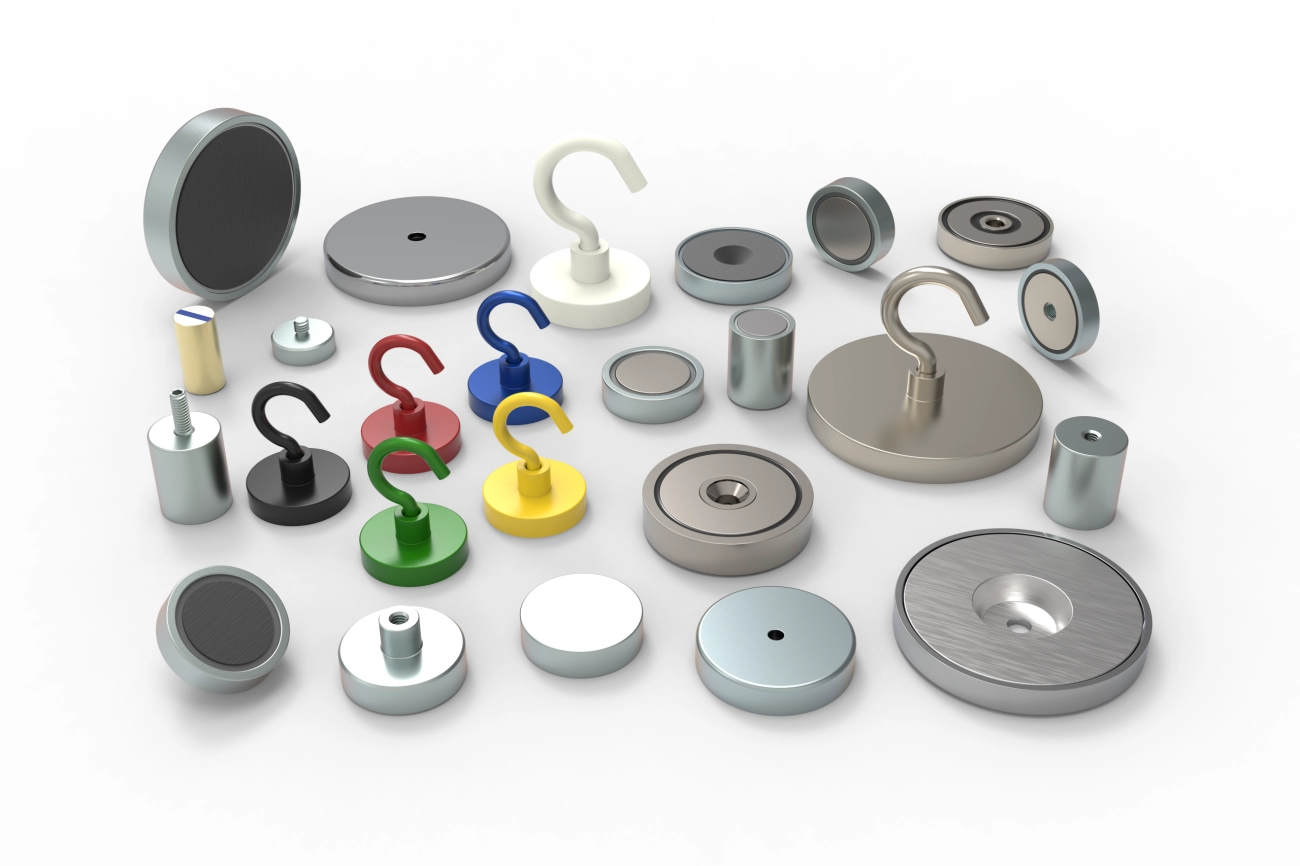
Before you start your DIY mounting magnet project, it’s important to gather the right materials and tools to make a strong, reliable potted magnet.
Selecting the Right Magnet Core
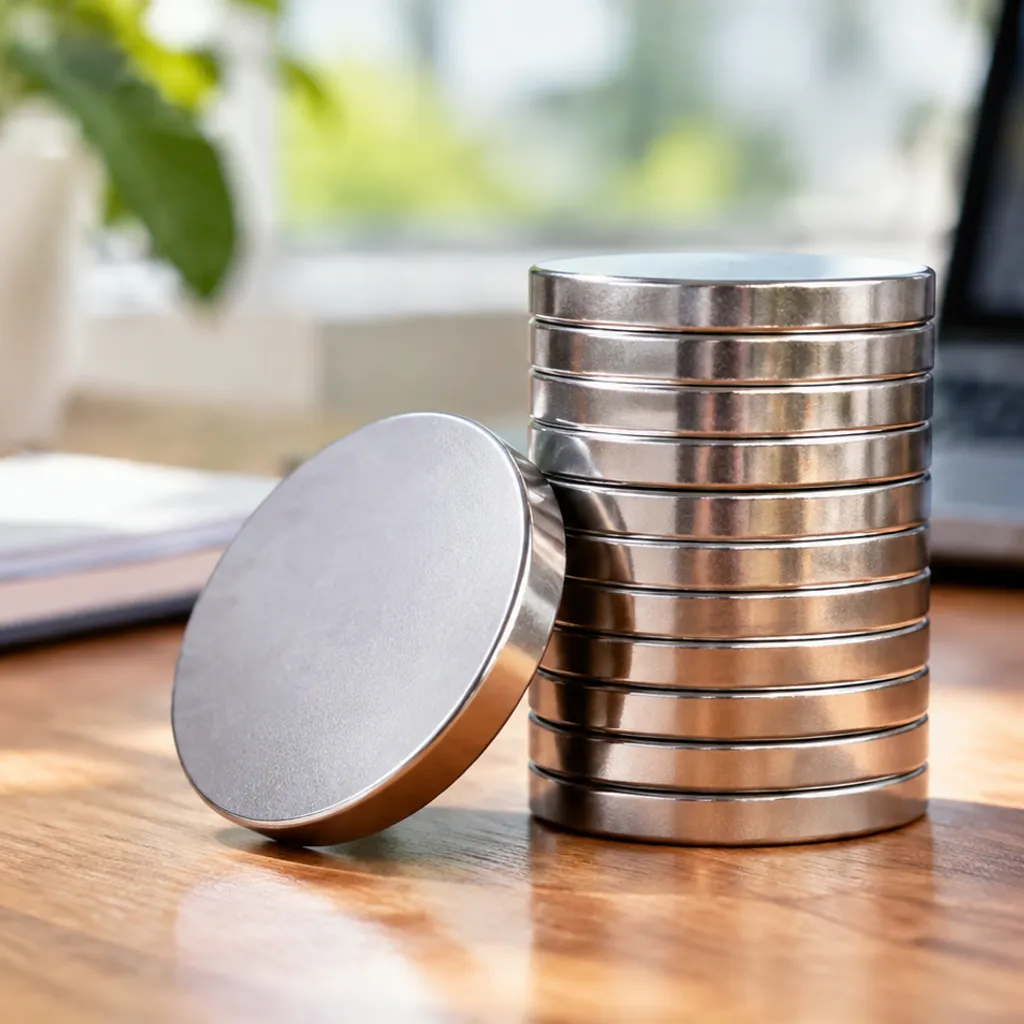
Choosing the magnet core is key. Most people use neodýmové magnety (NdFeB) because they offer powerful magnetic holding force in a small size. However, ferritové magnety are an option if you want something more affordable but less strong. For most custom NdFeB pot magnets, selecting a magnet with the right size and pull strength for your application is critical.
Housing and Accessories
The “pot” or housing protects the magnet and improves its magnetic pull by focusing the field. Common housings include:
- Steel pot magnet housing — durable and boosts magnetic strength
- Epoxy or resin for permanent magnet encapsulation to keep your magnet secure and resistant to damage
- Mounting hardware like screws or plates to help attach your magnet where you need it
Tools You’ll Need
Having the right tools makes assembly easier and safer. Here’s a quick list:
- cURL Too many subrequests by single Worker invocation. To configure this limit, refer to https://developers.cloudflare.com/workers/wrangler/configuration/#limits
- cURL Too many subrequests by single Worker invocation. To configure this limit, refer to https://developers.cloudflare.com/workers/wrangler/configuration/#limits
- cURL Too many subrequests by single Worker invocation. To configure this limit, refer to https://developers.cloudflare.com/workers/wrangler/configuration/#limits
- cURL Too many subrequests by single Worker invocation. To configure this limit, refer to https://developers.cloudflare.com/workers/wrangler/configuration/#limits
- cURL Too many subrequests by single Worker invocation. To configure this limit, refer to https://developers.cloudflare.com/workers/wrangler/configuration/#limits
cURL Too many subrequests by single Worker invocation. To configure this limit, refer to https://developers.cloudflare.com/workers/wrangler/configuration/#limits
cURL Too many subrequests by single Worker invocation. To configure this limit, refer to https://developers.cloudflare.com/workers/wrangler/configuration/#limits
cURL Too many subrequests by single Worker invocation. To configure this limit, refer to https://developers.cloudflare.com/workers/wrangler/configuration/#limits
cURL Too many subrequests by single Worker invocation. To configure this limit, refer to https://developers.cloudflare.com/workers/wrangler/configuration/#limits
cURL Too many subrequests by single Worker invocation. To configure this limit, refer to https://developers.cloudflare.com/workers/wrangler/configuration/#limits
cURL Too many subrequests by single Worker invocation. To configure this limit, refer to https://developers.cloudflare.com/workers/wrangler/configuration/#limits
cURL Too many subrequests by single Worker invocation. To configure this limit, refer to https://developers.cloudflare.com/workers/wrangler/configuration/#limits
cURL Too many subrequests by single Worker invocation. To configure this limit, refer to https://developers.cloudflare.com/workers/wrangler/configuration/#limits
cURL Too many subrequests by single Worker invocation. To configure this limit, refer to https://developers.cloudflare.com/workers/wrangler/configuration/#limits
cURL Too many subrequests by single Worker invocation. To configure this limit, refer to https://developers.cloudflare.com/workers/wrangler/configuration/#limits
cURL Too many subrequests by single Worker invocation. To configure this limit, refer to https://developers.cloudflare.com/workers/wrangler/configuration/#limits
cURL Too many subrequests by single Worker invocation. To configure this limit, refer to https://developers.cloudflare.com/workers/wrangler/configuration/#limits
cURL Too many subrequests by single Worker invocation. To configure this limit, refer to https://developers.cloudflare.com/workers/wrangler/configuration/#limits
cURL Too many subrequests by single Worker invocation. To configure this limit, refer to https://developers.cloudflare.com/workers/wrangler/configuration/#limits
cURL Too many subrequests by single Worker invocation. To configure this limit, refer to https://developers.cloudflare.com/workers/wrangler/configuration/#limits
- cURL Too many subrequests by single Worker invocation. To configure this limit, refer to https://developers.cloudflare.com/workers/wrangler/configuration/#limitscURL Too many subrequests by single Worker invocation. To configure this limit, refer to https://developers.cloudflare.com/workers/wrangler/configuration/#limits
- cURL Too many subrequests by single Worker invocation. To configure this limit, refer to https://developers.cloudflare.com/workers/wrangler/configuration/#limitscURL Too many subrequests by single Worker invocation. To configure this limit, refer to https://developers.cloudflare.com/workers/wrangler/configuration/#limits
- cURL Too many subrequests by single Worker invocation. To configure this limit, refer to https://developers.cloudflare.com/workers/wrangler/configuration/#limits: Epoxy bonding for magnets isn’t just about strength—it also helps with vibration absorption and sealing. Use high-quality industrial-grade epoxy for better long-term stability.
Testing and Optimization
- Always test your neodymium cup magnet assembly for pull strength. Use a pull strength testing magnets tool or setup to measure holding force consistently.
- Adjust the pot size or magnet thickness to optimize magnetic flux.
- Experiment with thicker housing walls or added steel back plates to boost magnetic performance and durability.
- Re-test after any modification to ensure the magnet maintains its required force.
Environmentálne a bezpečnostné úvahy
- Keep in mind the temperature limits of your magnets—NdFeB magnets lose strength above certain heat levels. Choose materials accordingly.
- Handle strong magnets carefully to avoid injury; always wear gloves and safety glasses during assembly.
- Proper encapsulation prevents magnetic corrosion and dust formation, extending your magnet’s lifespan.
- If you’re scaling up for industrial use, check compliance with relevant safety standards and regulations.
By following these tips, you can create custom potted magnets tailored to your project’s demands that perform reliably in various settings. For more in-depth guidance on enhancing magnet strength, check out our detailed guide on how to make a magnet stronger.
When to Partner with NBAEM for Professional Potted Magnets
If you’re looking for reliable, high-quality potted magnets but need something beyond DIY, it’s time to consider partnering with NBAEM. Whether you want consistent performance, bulk orders, or custom specifications, NBAEM has the expertise and resources to deliver exactly what you need.
Prečo si vybrať NBAEM
- Proven Quality: NBAEM specializes in skilled neodymium cup magnet assembly and permanent magnet encapsulation, ensuring your magnets hold strong and last long.
- Prispôsobenie: They offer custom NdFeB magnet pot solutions tailored to your exact pull strength requirements and housing preferences.
- Trusted Support: From technical help to after-sales service, NBAEM provides reliable assistance throughout your project.
- Pokročilá výroba: Their steel pot magnet housing and epoxy bonding techniques enhance magnetic holding force and durability better than most off-the-shelf options.
Bulk Ordering and Support
If you need large quantities of pot magnets for industrial magnet clamping or other applications, NBAEM’s bulk services save you money and hassle. They handle everything from ferrite vs neodymium pot magnets selection to pull strength testing magnets at scale. You’ll also benefit from:
- Faster lead times on big orders
- Consistent quality with every batch
- Dedicated customer service for order tracking and technical guidance
In short, when your project demands professional-grade, custom potted magnets with reliable support, partnering with NBAEM makes perfect sense.
 Slovak
 English
 German
 Vietnamese
 Spanish (Mexico)
 Russian
 Turkish
 Polish
 Hindi
 Thai
 Malay
 Korean
 Japanese
 French
 Czech
 Danish
 Dutch
 Finnish
 Italian
 Portuguese (Brazil)
 Portuguese (Portugal)
 Slovenian
 Ukrainian
 Hebrew
 Scottish Gaelic
 Hungarian
 Tagalog
 Spanish (Spain)
 Serbian
 Indonesian
 Dutch (Belgium)
 Persian
 Arabic
 Romanian
 Estonian
 Greek
 Bulgarian
Zverejniť komentár