
Magnetic filter is widely used in industrial fluid systems to remove ferrous contamination from coolants, oils, and process liquids. Unlike traditional barrier filters that rely on physical media to block particles, magnetic filtration uses high-intensity magnetic fields to actively attract and capture metal debris without restricting flow. This advanced separation technology not only improves fluid cleanliness but also extends equipment life, reduces downtime, and lowers maintenance costs.
To fully understand why magnetic filter are so effective, it is essential to explore the core principles behind magnetic field gradients, filtration design, and how contaminants are continuously removed from flowing fluids.
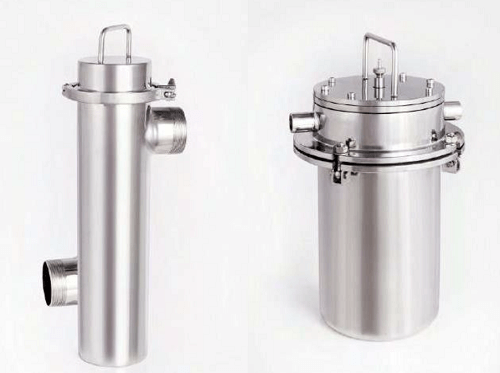
Magnetic Filter
The Core Principle: Magnetic Gradients
เมื่อเราพูดถึง industrial fluid purification, we aren’t just dropping a magnet into a pipe and hoping for the best. The real effectiveness of our systems relies on the magnetic field gradient. The science here is straightforward but powerful: we create a high-intensity magnetic circuit that actively disrupts the path of ferrous particles suspended in fluids like coolants and oils. Unlike traditional barrier filters that act as a physical wall—often clogging or reducing pressure—magnetic separation technology uses invisible force fields to pull contaminants out of the stream without impeding the flow.
Field Intensity: Gauss and Pull Force
You will often hear the term Gauss rating definition thrown around in this industry, but a high Gauss number alone doesn’t guarantee performance. While we utilize powerful High-intensity Neodymium magnets (Rare Earth), the true measure of success is the “pull force.”
This is the ability of the magnetic core to attract and securely hold onto ferrous contamination removal targets against the velocity of the liquid. We engineer these gradients to ensure that the magnetic grip is significantly stronger than the drag of the fluid, preventing particles from washing back into the system.
Defining the Capture Zone
The capture zone is the critical area within the filter housing where the magnetic influence is strongest. This isn’t random; it is a calculated space designed to maximize contact between the fluid and the magnetic cores.
- Sub-micron Filtration: Our high-performance circuits can capture particles as small as 0.07 microns, which standard media filters usually miss.
- Strategic Positioning: The fluid is directed to flow immediately over the magnetic rods, ensuring 100% exposure to the field.
- Zero Barrier: Because the capture zone relies on magnetic attraction rather than a physical mesh, we achieve this filtration with absolutely zero pressure drop.
Anatomy of a Magnetic Filter
Understanding the physical construction of these systems reveals why they outperform traditional barriers. A magnetic filter isn’t just a magnet dropped in a pipe; it is a precision-engineered assembly designed to maximize field exposure and durability.
The Magnetic Core: Stainless Steel and Neodymium
The “engine” of the filter is the magnetic core. We rely strictly on high-intensity Neodymium magnets (Rare Earth) rather than standard ferrite. These generate the powerful field required to strip sub-micron particles from fast-moving fluids. To understand the engineering behind this power, looking at how to make NdFeB magnets reveals the complex sintering process that defines their strength. These magnets are encapsulated within thin-walled, non-magnetic stainless steel tubes. This cladding protects the brittle magnet material from corrosion and physical damage while allowing the magnetic flux to penetrate the fluid path without restriction.
Housing Materials: 304 vs 316L Stainless Steel
The vessel containing the rare earth magnetic rods must withstand high pressures and aggressive chemicals. We typically fabricate housings from two grades of stainless steel:
- 304 Stainless Steel: Suitable for standard water and oil applications where corrosion risk is moderate.
- 316L Stainless Steel Housing: The industrial standard for harsh environments. The “L” stands for low carbon, offering superior resistance to pitting and corrosion, especially in acidic fluids or saline conditions.
Flow Diverters and Baffle Design
Simply placing magnets in a stream isn’t enough. We engineer the internal flow dynamics using diverters and baffles. These structures force the contaminated fluid to spiral or weave directly around the magnetic cores, preventing “channeling”—where fluid bypasses the capture zone. This design ensures that 100% of the liquid passes through the high-intensity magnetic field, maximizing the capture of ferrous contaminants.
Step-by-Step Filtration Process
When contaminated fluid enters the filter housing, the internal design forces the liquid to flow directly around the magnetic cores. This isn’t a passive process; the flow is specifically directed to ensure every drop of coolant or oil receives maximum exposure to the magnetic field gradient. As the fluid moves through this high-intensity zone, the specific composition of the magnets becomes critical. We utilize powerful Rare Earth cores that actively execute ferrous contamination removal, pulling metal particulates out of the stream instantly.
The real advantage here is the level of precision we can achieve. While standard barrier filters often struggle with anything smaller than 20 microns, our magnetic separation technology excels at sub-micron particle filtration, capturing contaminants as fine as 0.07 microns. These particles accumulate securely on the rods without blocking the flow path. This means the fluid exits the system completely clarified, returning to your machinery with zero pressure drop filtration. You get cleaner fluid without stressing your pumps or experiencing the flow reduction common with traditional media.
Fluid Dynamics: Why Flow Rate Matters
Viscosity vs. Magnetic Strength
When we deal with industrial filtration, the relationship between fluid thickness (viscosity) and flow speed is critical. Thicker fluids, like heavy gear oils, create significant drag on contaminants, effectively trying to sweep them past the capture zone. To counter this, we rely on high-intensity Neodymium magnets. The magnetic field must be strong enough to overcome the fluid’s drag and pull ferrous particles out of the stream. If the magnet is too weak for the flow rate, particles will wash right by. For a deeper understanding of the materials we use to achieve this hold, our คู่มือแม่เหล็กแรร์เอิร์ธของเรา details the specific grades required for heavy-duty separation.
The Zero Pressure Drop Advantage
One of the biggest issues with traditional barrier filters is that they choke the flow as they get dirty, causing back pressure. Magnetic filter operates differently, offering zero pressure drop filtration. Since the fluid flows around the magnetic rods rather than forcing its way through a porous mesh, the flow rate remains consistent even when the filter is fully loaded with contamination.
Key benefits of this dynamic include:
- Continuous Operation: No reduction in pressure means your pumps do not have to work harder to push fluid through.
- No Bypass Risks: The filter never becomes physically blocked, preventing unfiltered fluid from bypassing the system via relief valves.
- ประสิทธิภาพพลังงาน: Maintaining a steady flow rate significantly reduces the energy load on your hydraulic or coolant systems.
Types of Contaminants Captured
When we talk about industrial filtration, knowing exactly what gets pulled out of the fluid is critical. Our systems go far beyond just catching big metal chips; they target the microscopic particles that cause the most damage to precision machinery. By utilizing high-intensity magnetic circuits, we ensure that fluids remain pristine, protecting both the tool and the final workpiece.
Ferrous Contamination Removal
The primary targets for any magnetic unit are materials with high magnetic permeability. In heavy machining and grinding applications, effective ferrous contamination removal is the top priority to prevent abrasive wear. This category typically includes:
- Iron: Ranging from large chips to fine dust.
- Steel: Hardened alloys often found in automotive and transmission manufacturing.
- Nickel: Frequently encountered in high-performance engineering sectors.
Paramagnetic Particle Separation and Magnetite
Standard barrier filters often struggle with “black sludge”—that fine, silt-like buildup that ruins coolant life and creates bacterial breeding grounds. This is often caused by oxidized iron, known as magnetite. Through high-intensity magnetite capture, our magnetic cores pull these sub-micron particles (down to 0.07 microns) out of suspension. We also handle paramagnetic particle separation, grabbing materials that are only weakly attracted to magnetic fields but still pose a significant risk to component surface finish.
Trapping Non-Magnetic Inclusions
It might sound counterintuitive, but magnetic filter effectively removes non-magnetic debris like abrasive grit, silica, or aluminum. As ferrous particles accumulate on the magnetic rod, they form a dense, brush-like “filter cake.” This matrix acts as a secondary mechanical filter, physically trapping non-magnetic inclusions as the fluid passes through the magnetic field, ensuring a cleaner output without the pressure drop associated with paper filters.
Cleaning and Regeneration Methods
Once the magnetic cores are saturated with trapped particles, they must be cleaned to maintain the magnetic gradient. If the capture zone is completely full, the filter stops working effectively. We generally implement two primary ways to handle this regeneration process, depending on your production volume and specific application needs.
Manual Cleaning vs. Sleeve Systems
For operations with lower contamination levels, manual cleaning is the standard approach. However, trying to scrape sharp metal shards and sludge directly off a powerful magnet is difficult, messy, and potentially dangerous. That is why we utilize a smart sleeve design in our manual units.
The high-intensity magnets are sealed inside non-magnetic stainless steel tubes (sleeves). To clean the unit, you simply pull the magnetic core out of the sleeve. Since the magnetic field is effectively removed from the surface of the tube, the collected ferrous contamination falls off immediately into a collection tray. This method is significantly safer for operators and protects the เคลือบแม่เหล็ก from abrasion and damage that would occur during direct scraping.
Automated Self-Cleaning Options
In high-volume industrial manufacturing, stopping production for manual maintenance often isn’t an option. Our automated systems are designed for continuous 24/7 operation without human intervention. These units typically use a PLC (Programmable Logic Controller) to manage the cleaning cycle based on time intervals.
- Continuous Flow: The system automatically retracts the magnetic rods or activates a purging mechanism.
- Zero Downtime: The ferrous waste is flushed into a separate buffer tank or waste chute while the main fluid line continues to run.
- Consistency: Automation ensures the filter is cleaned before it becomes oversaturated, maintaining consistent sub-micron filtration efficiency.
Material Quality and Performance
The effectiveness of any filtration system relies heavily on the quality of the materials used in its construction. We don’t just throw any magnet into a steel tube; the specific grade of the magnetic core determines whether you capture microscopic contaminants or let them pass right through back into your machinery.
Magnet Grade Differences: N35 vs N52
In the world of industrial fluid purification, the strength of the magnetic field is paramount. This is often measured in grades, with high-intensity Neodymium magnets being the gold standard.
- N35 Grade: A standard grade often found in generic applications. While magnetic, it lacks the field density required to reliably trap fine particles in high-flow environments.
- N52 Grade: The premium choice for high-performance filtration. An N52 magnet generates a significantly stronger magnetic flux. This increased power is essential for sub-micron particle filtration, allowing the system to snatch particles as small as 0.07 microns out of a fast-moving fluid stream.
Using a higher grade ensures that the magnetic field gradient is steep enough to overcome the drag force of the liquid, ensuring that once a particle is caught, it stays caught. For a deeper dive into the physics behind this strength, understanding the magnetic moment helps explain why higher grades deliver superior holding force.
Temperature Stability in Industrial Boilers
Magnetic performance isn’t static; it changes with heat. In applications like industrial boilers or hot coolant lines, standard magnets can suffer from irreversible demagnetization. If the operating temperature exceeds the magnet’s rating, the Gauss rating definition becomes irrelevant because the magnet permanently loses its strength.
To combat this, we utilize temperature-stabilized rare earth magnetic rods designed to withstand the harsh thermal environments of manufacturing. This ensures that the magnetic separation technology remains consistent 24/7, preventing ferrous contaminants from damaging pumps and seals even when fluids are running hot.
FAQ: Common Questions About Magnetic Filter
When we talk to plant managers and engineers about upgrading their filtration systems, a few specific questions always come up. Here is the breakdown of how magnetic separation technology handles real-world industrial demands.
Does magnetic filter affect flow rate?
No, they do not. This is one of the biggest advantages over traditional barrier methods like paper or cartridge filters.
- Zero Pressure Drop: Because the fluid flows around the magnetic rods rather than through a tight mesh, there is no restriction.
- Consistent Performance: Even as the ferrous contamination removal process fills the rods with waste, the flow rate remains consistent. You don’t experience the pressure build-up that typically signals a blocked paper filter.
How small of a particle can be captured?
We are dealing with precision that standard media simply cannot match. Our high-performance systems are designed for sub-micron particle filtration.
- 0.07 Microns: Utilizing high-intensity Neodymium (Rare Earth) magnets, we can capture ferrous particles as small as 0.07 microns.
- Magnetic Intensity: To catch these microscopic fines, the magnetic circuit must be incredibly powerful. Understanding วิธีวัดความแข็งแกร่งของแม่เหล็ก is crucial to ensuring your system has the Gauss rating required for this level of precision.
Is magnetic filter suitable for high-viscosity liquids?
Yes, they are highly effective for thick fluids.
- Flow Dynamics: Since there is no porous media to force the liquid through, viscosity and flow rate are not hindered.
- การใช้งาน: This makes them ideal for heavy cutting oils, syrups, or slurries where a standard barrier filter would clog almost instantly or require immense pump pressure to operate.

 Thai
Thai  English
  German
  Vietnamese
  Spanish (Mexico)
  Russian
  Turkish
  Polish
  Hindi
Hindi  Malay
Malay  Korean
  Japanese
  French
  Czech
Czech  Danish
  Dutch
Dutch  Finnish
  Italian
  Portuguese (Brazil)
  Portuguese (Portugal)
  Slovenian
  Ukrainian
  Hebrew
  Scottish Gaelic
  Hungarian
  Tagalog
  Spanish (Spain)
  Serbian
  Indonesian
  Slovak
  Dutch (Belgium)
  Persian
  Arabic
  Romanian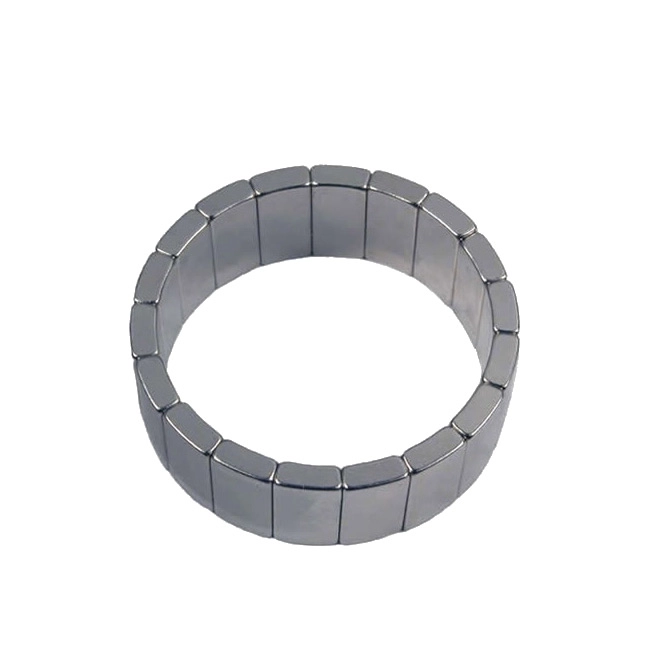

แสดงความคิดเห็น