
What Is a Magnetic Door Latch and How Does It Actually Work?
A magnetic door latch is a simple yet effective hardware solution designed to keep doors closed using magnetic force instead of traditional mechanical parts. Unlike mechanical latches that rely on physical hooks and springs to hold a door shut, magnetic latches use the invisible power of magnetism to create a smooth, silent, and reliable closing action.
How Magnetic Door Latch Works vs Traditional Mechanical Latches
Traditional latches work by mechanically engaging a catch or strike plate, often involving moving parts like springs or bolts. These parts can wear out, make noise, or require maintenance. Magnetic latches, on the other hand, depend on the attraction force between a magnet and a steel striker plate or sometimes two magnets facing each other. This magnetic pull holds the door firmly in place without the need for mechanical movement.
Key Components of a Magnetic Door Latch
- Magnet: Usually a high-quality rare-earth magnet or ferrite magnet, the heart of the latch providing the holding force.
- Steel Striker Plate: Mounted on the door or frame; it’s attracted to the magnet to keep the door closed. In some designs, a magnet-to-magnet system replaces the plate.
- Housing: A casing made of metal or plastic that holds the magnet securely and fits onto the door or frame for easy installation.
Advantages of Magnetic Door Latch
- Silent Closing: No clicking or snapping sounds, making magnetic latches ideal for quiet environments like bedrooms or offices.
- No Wear & Tear: With no moving parts rubbing against each other, these latches last longer and require less maintenance.
- Child-Friendly: Smooth, easy operation without pinching hazards or complicated catches.
- Modern Look: Sleek and minimalistic design fits well with contemporary furniture and cabinetry, especially when recessed or concealed.
Magnetic latch combine subtlety and functionality, offering a smart alternative to traditional mechanical systems for doors and cabinets worldwide.
Main Types of Magnetic Door Latch You’ll Find on the Market

ภาพจาก IQS Directory.
When shopping for a magnetic latch for doors, you’ll come across several popular types, each designed for specific needs and styles.
-
Standard Surface-Mounted Magnetic Catch
The most common type, these latches attach visibly on the door and frame surfaces. They’re easy to install and work well for light to medium doors like cabinets and small closets.
-
Recessed / Concealed (Invisible) Magnetic Latch
Hidden inside the door or frame, these latches keep a clean, modern look without visible hardware. Perfect for frameless cabinets or sleek furniture designs where aesthetics matter.
-
Heavy-Duty Magnetic Catch
Built for entry doors, wardrobes, and heavier furniture, these magnetic catches provide a strong holding force suitable for larger, heavier doors.
-
Push-to-Open (Touch) Magnetic Latch
No handles needed here. Just push the door slightly, and the latch releases, allowing it to open. These are popular for minimalist kitchens and furniture where you want a handle-free look.
-
Adjustable Force Magnetic Latches
These let you tweak the holding strength to suit different door weights and user preference — handy when you want just the right magnetic force without swapping hardware.
-
Double-Sided & Magnetic Hold-Open Latches
Designed for double doors or special applications, these latches can hold doors open magnetically or offer a magnetic catch on both sides, enhancing convenience and control.
These types cover most needs, from light cabinet doors to heavy entryways. Choosing the right style depends on door weight, aesthetics, and how you want the door to function in everyday use.
Types of Magnets Used in Door Latches – Detailed Comparison

When choosing a magnetic door latch, the type of magnet used plays a big role in performance, cost, and durability. Here’s a quick breakdown of the main magnets you’ll find in magnetic door latch, showing their key traits and ideal uses:
| ประเภทของแม่เหล็ก | แรงยึดเกาะ | อุณหภูมิสูงสุด (°C) | ความต้านทานการกัดกร่อน | ต้นทุน | เหมาะสำหรับ |
|---|---|---|---|---|---|
| นีโอไดเมียม (NdFeB) | 5–30+ kg | 80–200 | ปานกลาง | Medium-high | Heavy doors, strong magnetic catches |
| แซมเมอเรียมโคบอลต์ (SmCo) | 4–20 kg | Up to 350 | สูง | สูง | High-temp areas, outdoor gates |
| Hard Ferrite (Ceramic) | 0.5–3 kg | Up to 250 | ดีมาก | ต่ำ | Budget cabinets, light interior doors |
| อัลนิโค (Al-Ni-Co) | 2–8 kg | Up to 500 | ดี | ปานกลาง | Vintage hardware & adjustable latches |
| Bonded Neodymium | 3–12 kg | Up to 150 | ยอดเยี่ยม | ปานกลาง | Concealed latches, injection molded |
นีโอไดเมียม (NdFeB)
This rare-earth magnet is the powerhouse in magnetic latches. It offers high holding forces, making it perfect for heavy entry doors or wardrobes. It performs well up to 200 °C and balances cost with strength, often used in premium magnetic catches.
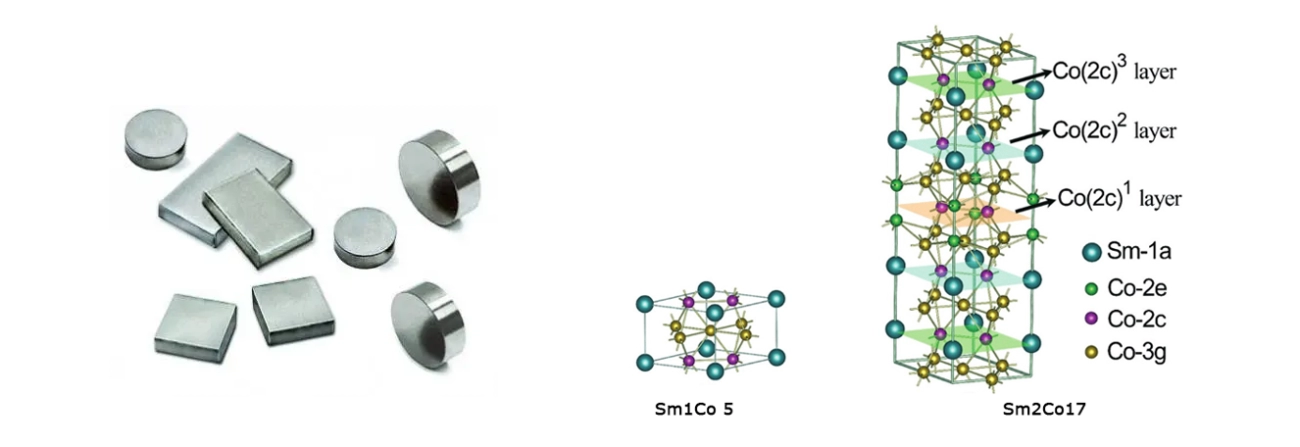
แซมเมอเรียมโคบอลต์ (SmCo)
Similar to NdFeB but designed for extreme environments, SmCo magnets handle temperatures up to 350 °C and resist corrosion better. They’re ideal for doors exposed to heat or harsh weather, although they come at a higher price.
Hard Ferrite (Ceramic)
A budget-friendly option, ferrite magnets offer lower strength but excellent corrosion resistance. They’re great for light interior cabinet doors or furniture where strong hold isn’t critical. Their cost-effectiveness makes them popular for everyday use.
Alnico (อะลูมิเนียม-นิกเกิล-โคบอลต์)
Though less common today, Alnico magnets can sustain very high temperatures (up to 500 °C). They have moderate holding power and good corrosion resistance, often found in vintage-style hardware or latches requiring adjustability.
Bonded Neodymium
Combining neodymium powder with plastic, these magnets balance corrosion resistance and strength. They’re medium strength and perfect for invisible, injection-molded magnetic latches used in cabinetry and furniture.
For more details on magnet types and their applications, check out this detailed guide on what magnets are used for, which covers practical uses including magnetic door hardware.
Neodymium (NdFeB) – The King of Modern Magnetic Latches
Neodymium magnets, or NdFeB, dominate the market, with about 95% of premium magnetic door latch using either sintered or bonded varieties. Their exceptional strength delivers holding forces ranging from moderate to very high, making them perfect for everything from kitchen cabinets to heavy wardrobe doors. This power comes with relatively compact size, so you get a sleek latch without bulky hardware.
NdFeB magnets come in different grades, typically from N35 up to N52 for door applications. The higher the number, the stronger the magnet and the better it holds. Most magnetic catches for doors use grades between N42 and N50 to balance strength, durability, and cost.
When it comes to protective coatings and moldings, NdFeB magnets come in various finishes:
- การชุบ Nickel is common, offering a shiny, corrosion-resistant shell.
- การเคลือบอีพ็อกซี่ add a durable, waterproof layer.
- Plastic overmolding or bonding lets manufacturers create custom shapes and improve corrosion resistance, especially for concealed or injection-molded applications.
NBAEM specializes in high-quality plastic overmolded neodymium magnets, combining strong magnetic properties with excellent durability and design flexibility. You can find detailed info on their bonded magnets and production techniques in this bonded magnet data sheet.
In , if you want a magnetic latch that’s powerful, compact, and reliable for everyday use, NdFeB is the top pick by far.
When to Choose Ferrite vs Neodymium vs SmCo
Choosing the right magnet type for your magnetic latch depends on the door’s size, weight, and environment. Here’s a quick guide to help you decide:
| การใช้งาน | ประเภทของแม่เหล็ก | Why Choose It? | ประโยชน์หลัก |
|---|---|---|---|
| Light interior cabinet doors | เฟอร์ไรต์ (เซรามิก) | คุ้มค่า, ทนต่อการกัดกร่อนดี | Low price, decent holding force (0.5–3 kg) |
| Wardrobe & heavy furniture doors | Neodymium (N42–N50) | High holding force for heavier doors | Strong pull (up to 30+ kg), compact size |
| Outdoor gates / high-heat areas | แซมเมอเรียมโคบอลต์ (SmCo) or Coated NdFeB | Performs well at high temperatures (up to 350 °C) and resists corrosion | Best for harsh environments, durable |
Why these choices matter:
- Ferrite magnets are perfect for most household cabinet doors where cost matters more than raw power.
- Neodymium magnets dominate for wardrobes, heavier furniture, and any door needing stronger pull and durability.
- SmCo magnets or specially coated NdFeB types keep magnetic catches working steadily in outdoor settings or near heat sources.
For deeper insights on how premium neodymium magnets perform, check out the detailed breakdown of N55 , the higest grade of sinter NdFeB magnets, a favorite for reliable, strong magnetic door latches.
Holding Force Guide – How Strong Should Your Magnetic Door Latch Be?
Choosing the right holding force for your magnetic door latch is key to ensuring reliable closure without being too hard to open. The strength needed depends largely on the door’s weight, size, and usage.
Recommended Pull Force by Door Type & Weight
| Door Type | Approximate Weight | Recommended Holding Force (kg) |
|---|---|---|
| Light cabinet doors | Up to 5 kg | 0.5 – 1.5 kg |
| Wardrobe or furniture doors | 5 – 20 kg | 3 – 8 kg |
| Interior room doors | 20 – 50 kg | 8 – 15 kg |
| Heavy entry or exterior doors | 50+ kg | 15 – 30+ kg |
For standard interior furniture, a force of around 3–8 kg is enough to hold doors firmly closed without difficulty in opening. Heavier or external doors need stronger magnets, often neodymium types, to maintain security.
Testing Methods
Manufacturers and installers often verify magnetic latch strength using pull testers, which measure the force it takes to separate the magnet from the strike plate. Testing your latch before final installation ensures optimal performance.
- Pull tester data can help identify if the magnetic catch meets the required holding force.
- Ideally, test multiple times and at different latch points for consistency.
- Ensure testing replicates actual door closing conditions — small gaps or misalignment can affect holding force drastically.
Properly matching your magnetic catch strength to your door type balances secure closure with ease of use, reducing wear and improving your door hardware’s life.
Installation Tips & Common Mistakes
Getting your magnetic latch to work perfectly is all about proper installation. Here’s what you need to know:
Alignment Is Everything
Magnetic latches only work well when the magnet and the striker plate line up exactly. Even a slight misalignment can reduce holding force drastically. When installing, make sure the magnet faces the steel striker plate flat and square. Use a level or marking tools to get this just right.
Distance Between Magnet and Striker (0–2 mm Gap Rule)
For best performance, keep the gap between the magnet and striker plate very small—ideally between 0 and 2 mm. A larger gap weakens the magnetic pull and may result in a latch that doesn’t hold the door closed properly.
Screws vs Adhesive Mounting
- Screws: Provide a secure and permanent hold, especially for heavier doors or heavier-duty magnetic catches.
- Adhesive mounting: Easier and quicker, but less reliable for heavy use or on rough surfaces. Use high-quality double-sided adhesives if you choose this method, but consider screws for a long-lasting hold.
How To Increase Strength If Latch Feels Weak
If your latch isn’t holding well:
- Check and improve the alignment.
- Reduce the gap between magnet and striker plate.
- Upgrade to a stronger magnet, like a higher-grade neodymium catch.
- Use a larger striker plate or magnet to increase surface contact.
- Make sure the mounting surface is clean and stable to avoid wobble.
Following these tips ensures your magnetic door latch works smoothly and lasts longer.
Top Magnetic Door Latch Brands & Where Professionals Source Magnets

When it comes to reliable magnetic latches, a few brands consistently stand out in the global market. Popular names like Zuperior hardware ,Rok, Sugatsune, and Hettich lead the pack with quality products known for durability, strong holding force, and modern designs. Whether you need a magnetic cabinet latch or a heavy-duty magnetic catch for an entry door, these brands offer a wide range of options trusted by professionals worldwide.
Behind the scenes, most of these top brands don’t manufacture their magnets from scratch. Instead, they source their raw magnetic materials from specialist manufacturers, primarily based in China. NBAEM is one of the leading suppliers known for producing high-quality rare earth and bonded magnets that meet strict standards for strength and corrosion resistance. Their expertise allows brands to create magnetic latches with Neodymium (NdFeB) or Samarium Cobalt magnets that perform consistently well in demanding applications.
For professionals looking to buy or specify magnetic latches, understanding this supply chain helps in choosing products that combine global innovation with reliable material sourcing. If you want to dive deeper into magnet quality and manufacturing, NBAEM’s insights on how to make a magnet stronger offer useful background on what goes into premium magnetic latch systems.
Future Trends in Magnetic Door Hardware (2025–2030)
The next few years will see some exciting innovations in magnetic door latches, driven by evolving design needs and technology advances.
- Ultra-thin Neodymium for Frameless Glass Doors: As frameless and minimalist glass doors become more popular, manufacturers are developing ultra-thin neodymium magnetic catches that fit discreetly without affecting the sleek look. These powerful magnets keep glass doors securely closed while preserving transparency and style.
- Smart Magnetic Door Latch with Sensors: Integration of sensors is set to make magnetic latches smarter than ever. Imagine magnetic catches that alert you when a door isn’t fully closed or automatically lock with a proximity sensor. This trend combines convenience and security, especially in smart homes and offices.
- Eco-friendly Bonded Magnets: Sustainability is shaping magnet manufacturing too. Eco-friendly bonded magnets made with less harmful materials and greener production methods are gaining traction. These magnets keep performance high but reduce the environmental footprint, perfect for customers looking for green building solutions.
For those interested in how neodymium magnets are used across household appliances and innovations, you can explore more about their applications and benefits ที่นี่.
Choosing the Right Magnetic Door Latch & Magnet Type
Picking the right magnetic door latch and magnet depends on your door type, usage, and environment. Here’s a quick recap to help you decide:
| การใช้งาน | ประเภทแม่เหล็กที่แนะนำ | Key Reason |
|---|---|---|
| Light interior cabinet doors | Hard Ferrite (Ceramic) | คุ้มค่า, ทนต่อการกัดกร่อนดี |
| Wardrobe & heavy furniture doors | Neodymium (NdFeB) N42–N50 | Strong holding force, compact size |
| High-temperature or outdoor gates | Samarium Cobalt (SmCo) or coated NdFeB | High heat tolerance, corrosion resistance |
| Concealed or invisible latches | Bonded Neodymium | Easy to mold, good corrosion protection |
| Adjustable magnetic holders | อัลนิโกะ | Adjustable force, good heat resistance |
Final Recommendation Checklist
- Match magnet strength to door weight and frequency — don’t oversize or undersize.
- Consider environment — choose SmCo or coated NdFeB for heat or humidity.
- Choose concealed latches? Bonded NdFeB offers the best blend of strength and corrosion resistance.
- For budget installs on light doors, ferrite’s your friend.
- Check installation alignment and gap size to get optimal holding force.
- Think about your door’s style — some latches provide a modern, invisible look while others are surface-mounted.
By aligning your needs with the right magnet type and latch style, you’ll ensure smooth, reliable door operation that lasts. If you want to dive deeper into more use of permanent magnets, please check 10 การใช้งานของแม่เหล็กถาวร to get more information.
 Thai
Thai  English
  German
  Vietnamese
  Spanish (Mexico)
  Russian
  Turkish
  Polish
  Hindi
Hindi  Malay
Malay  Korean
  Japanese
  French
  Czech
Czech  Danish
  Dutch
Dutch  Finnish
  Italian
  Portuguese (Brazil)
  Portuguese (Portugal)
  Slovenian
  Ukrainian
  Hebrew
  Scottish Gaelic
  Hungarian
  Tagalog
  Spanish (Spain)
  Serbian
  Indonesian
  Slovak
  Dutch (Belgium)
  Persian
  Arabic
  Romanian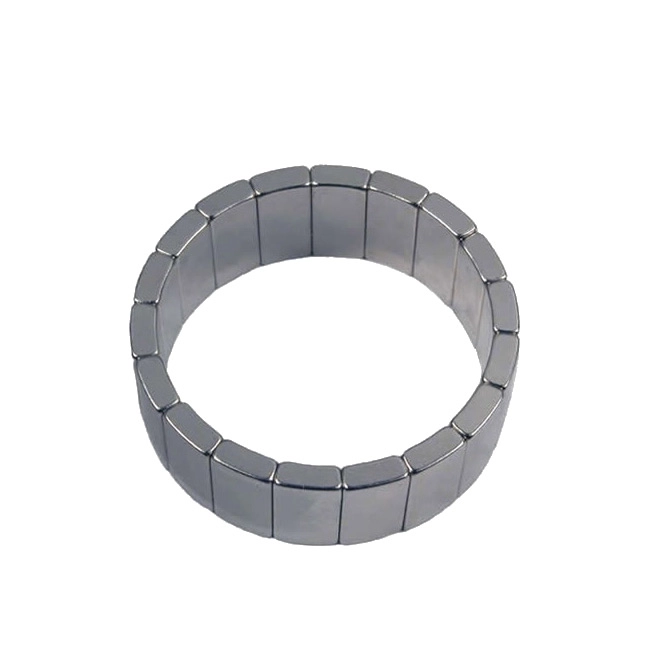
แสดงความคิดเห็น