
You might think cutting a magnet is as simple as slicing through metal, but if you go in unprepared, you’re likely to end up with a shattered mess, a lost magnetic field, or even a fire hazard.
Whether you’re a DIY hobbyist or an engineer needing custom shaped magnets, the rules of engagement change entirely depending on your material. From the effortless trim of flexible magnetic sheets to the high-stakes precision required for cutting neodymium magnets, there is a massive gap between a clean cut and a total disaster.
In this guide, I’m breaking down the exact tools and techniques you need to modify magnets without destroying their properties. We’ll cover everything from diamond cutting wheels to the “bend and snap” method—and why managing the Curie Sıcaklığı: is the difference between a functional tool and a useless paperweight.
Let’s dive right in.
Understanding Your Magnet: Why Material Type Changes Everything
Before I grab any tools, I always look at the material composition first. Magnets aren’t just pieces of metal; their internal structures vary wildly. If you use the wrong technique on the wrong material, you will ruin the magnet, destroy your tools, or risk personal injury. Knowing exactly what you are working with determines your entire approach.
Soft & Flexible Magnets
These are the easiest types to handle. Usually made of a plastic or rubber matrix mixed with ferrite powder, they are pliable and highly forgiving.
- Common Forms: Magnetic sheets, refrigerator strips, and flexible tape.
- Cutting Difficulty: Very low.
- Best Use: Crafting, signage, and quick organizational DIYs.
Hard & Brittle Magnets
Ferrite and ceramic magnets fall into this category. They are made by pressing and sintering iron oxide powder. While they are highly resistant to demagnetization, they behave much like glass or porcelain when you try to alter them.
- Common Forms: Block magnets, heavy-duty disc magnets, and loudspeaker components.
- Cutting Difficulty: Moderate to high.
- Risk: They crack, chip, or shatter instantly if subjected to uneven mechanical pressure.
Advanced Rare-Earth Magnets
Neodymium (NdFeB) and Samarium Cobalt (SmCo) magnets are the powerhouses of the industrial world. They offer incredible magnetic pull but are notoriously difficult and dangerous to modify.
- Common Forms: High-performance motor magnets, computer hard drives, and industrial sensors.
- Cutting Difficulty: Extreme.
- Risk: They are highly brittle, prone to rapid corrosion if their protective plating is breached, and can produce flammable dust during modification.
Magnet Types vs. Difficulty & Best Cutting Tools
| Mıknatıs Türü | Material Characteristics | Cutting Difficulty | Best Cutting Tools |
|---|---|---|---|
| Flexible Magnetic Sheets | Pliable, rubber-based, soft | Düşük | Heavy-duty utility knife, industrial shears |
| Ferrite / Ceramic Magnets | Brittle, crystalline, glass-like | Orta | Rotary tool diamond blade, wet tile saw |
| Neodymium (Rare-Earth) | Ultra-strong, highly brittle, coated | Extreme | Diamond cutting wheel for magnets, EDM machining |
Critical Risks: What Happens Internally When You Cut a Magnet?
Cutting a magnet isn’t like cutting wood or steel. When you alter a magnetic material, you change its physical structure and its internal magnetic alignment. If you don’t use the proper techniques, you risk permanently ruining the material or creating a serious safety hazard.
Thermal Demagnetization
Applying too much friction during the cutting process generates intense heat. Every magnetic material has a specific magnet demagnetization temperature (known as the Curie temperature). If your blade heats the magnet past this threshold, the internal magnetic domains misalign, causing a permanent loss of magnetic strength. Keeping the material cool with a dedicated coolant for machining magnets is vital to preserving its power.
Structural Shattering
Hard magnets, especially those made from ferrite or neodymium, are incredibly brittle. They behave more like glass or ceramic than metal. Using the wrong tool, such as attempting to cut a magnet with a hacksaw, applies uneven mechanical stress. This pressure leads to immediate shattered magnet safety issues, causing the material to crack, fracture, or violently burst into sharp fragments.
The Flammability Hazard
When you use a rotary tool diamond blade to cut rare earth magnets, the grinding process produces a very fine dust. This airborne dust is highly pyrophoric, meaning it can spontaneously ignite or explode when exposed to air and friction sparks. Managing this dust and preventing ignition requires specialized heavy-duty environments, which is why understanding nasıl NdFeB mıknatıs yapılır components helps illustrate the volatile nature of these raw alloys.
Magnetic Realignment
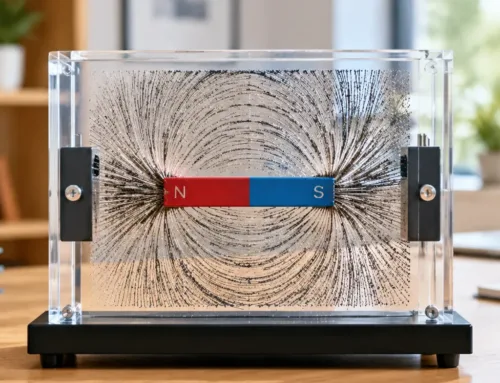
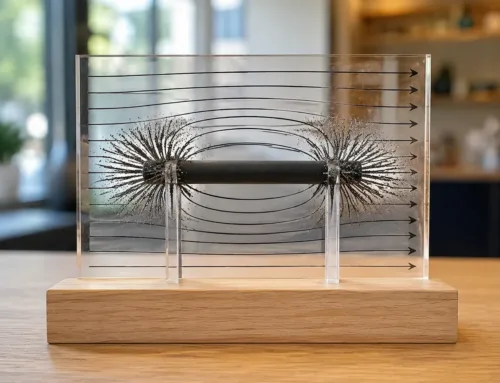
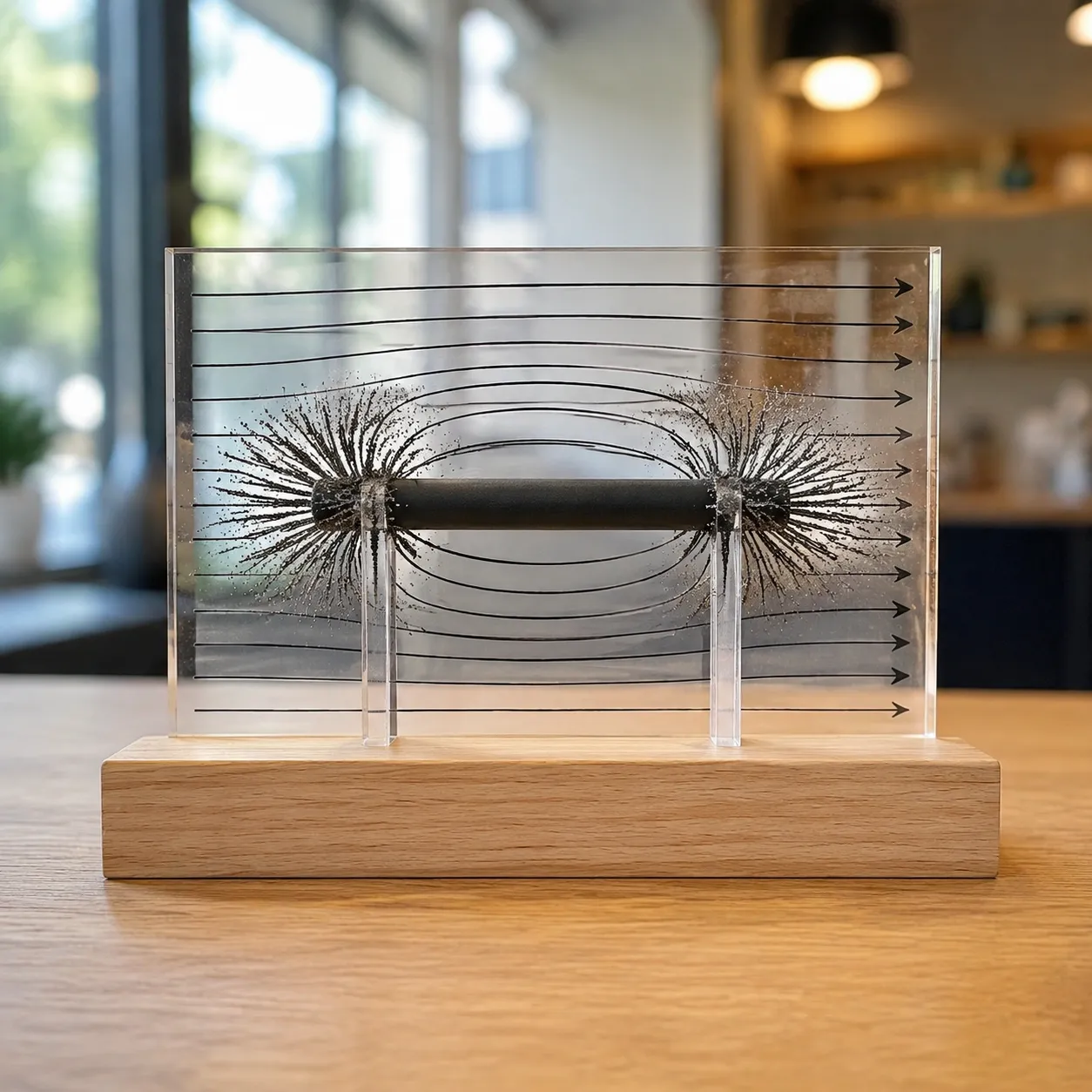
Every time you successfully split a magnet, you don’t just get two smaller pieces; you create entirely new magnetic poles. The magnetic field lines distortion that occurs during a rough cut can weaken the localized holding power near the edges. The physical impact and localized heating shift the internal boundaries, leaving you with poorly performing poles that may no longer fit your industrial application needs.
Essential Safety Gear & Workspace Setup
Cutting a magnet isn’t like cutting wood or plastic. It requires a dedicated approach to safety and a meticulously organized environment to prevent a shattered magnet safety hazard or serious personal injury.
Personal Protective Equipment (PPE)
Never attempt to cut hard or rare-earth magnetic materials without the proper protective gear. The process generates airborne dust, flying shards, and extreme friction.
- Heavy-Duty Safety Goggles: Standard glasses are not enough. You need impact-resistant, sealed safety goggles to protect your eyes from high-velocity magnetic splinters.
- Heavy Work Gloves: Thick leather gloves shield your hands from sharp edges, friction heat, and unexpected pinches if the magnet snaps toward a nearby metal object.
- Respiratory Mask (N95 or higher): Cutting rare-earth materials produces fine, toxic, and highly flammable dust. A proper respirator is essential to prevent inhalation.
Workspace Preparation
Your workspace must be specifically prepared to handle magnetic forces and fine particulate matter.
- Non-Magnetic Work Surface: Work on a wooden, plastic, or heavy duty rubber workbench. Avoid steel or iron tables, as the magnet will violently pull toward the surface, causing pinch hazards or crushing injuries.
- Debris Control: Cover the area with a non-magnetic catch tray or plastic sheeting to collect fine metal shavings. Keep a vacuum cleaner nearby to clean up magnetic dust immediately, preventing it from tracking into other areas.
- Clear the Area: Remove all electronic devices, credit cards, and precision steel tools from the immediate radius to avoid data corruption or accidental magnetic attraction.
Clamping and Stabilization
Because cutting tools apply immense friction, securing the workpiece is critical to prevent shattering.
- Use Non-Magnetic Vises: Secure the magnet using brass, aluminum, or heavy-duty plastic clamps. Avoid iron or steel clamps that distort the magnetic field lines or pull the magnet out of alignment.
- Wood Padding: Place wooden or rubber blocks between the clamp jaws and the magnet. This distributes the pressure evenly, prevents surface cracking, and absorbs vibrations from a rotary tool diamond blade or hacksaw.
- Firm but Gentle Pressure: Tighten the clamp enough to eliminate vibration, but avoid over-tightening hard, brittle materials to prevent premature cracking. Knowing mıknatısların yapıldığı malzemeler helps you understand their structural limits under mechanical pressure.
Step-by-Step Guide: How to Cut a Magnet

Çoklu tel kesimi
Cutting a magnet isn’t a one-size-fits-all job. The approach depends entirely on the material you are working with. Below is the direct, step-by-step breakdown of how to cut a magnet safely and effectively.
Method 1: Cutting Flexible Magnetic Sheets and Strips
Flexible magnets are the easiest to work with because they are mixed with a plastic or rubber binder. You do not need heavy machinery for this process.
- Tools Needed: Heavy-duty utility knife, sharp industrial shears, or a straightedge ruler.
- The Process: 1. Measure and mark your cut line directly on the non-magnetic side.
2. Place the sheet on a flat, protected cutting mat.
3. Use a straightedge and a heavy-duty utility knife to score the line.
4. Bend the sheet along the scored line to snap it cleanly, or use shears to complete the cut.
Method 2: Cutting Ferrite / Ceramic Magnets
Ferrite magnets are hard and brittle. Trying to force a cut with standard workshop tools will cause the material to shatter instantly.
- Tools Needed: Rotary tool, diamond cutting wheel, water or specialized coolant, and a secure clamp.
- The Process:
- Secure the ceramic magnet in a padded clamp to prevent cracking from vibrations.
- Equip your rotary tool diamond blade or wheel.
- Apply constant water or coolant for machining magnets to the cutting zone to manage heat and dust.
- Guide the tool gently along the cut line, letting the diamond edge score the material deeply before applying light pressure to snap it along the groove.
Method 3: Cutting Neodymium (Rare-Earth) Magnets (Advanced/High-Risk)
Warning: DIY cutting of rare-earth magnets is highly discouraged due to extreme structural risks, sparking hazards, and potential destruction of the magnetic properties.
If you must attempt to cut neodymium magnets in a workshop environment, you must use specialized tools and strict thermal management to avoid hitting the critical magnet demagnetization temperature.
- Tools Needed: Variable-speed diamond wheel saw, specialized non-flammable coolant, and a non-magnetic clamping fixture.
- The Process:
- Submerge the cutting zone in a continuous stream of liquid coolant to suppress sparks and prevent thermal demagnetization.
- Operate the diamond saw at a low, steady speed to minimize friction and vibration.
- Make slow, incremental passes through the material.
- Immediately coat the raw, exposed edges to prevent rapid oxidation and corrosion.
| Mıknatıs Türü | Difficulty Level | Primary Cutting Tool | Risk of Shattering |
|---|---|---|---|
| Flexible Sheets & Strips | Very Low | Utility Knife / Shears | Hiçbiri |
| Ferrite / Ceramic | Orta | Rotary Tool with Diamond Wheel | Yüksek |
| Neodymium (Rare-Earth) | Extremely High | Diamond Saw with Continuous Coolant | Critical |
Post-Cut Care: Restoring and Protecting Your Magnet
Once you finish cutting a magnet, the job isn’t done. The cutting process leaves raw edges, alters the magnetic field, and exposes the internal material to environmental damage. Proper post-cut care is essential to keep the magnet functional and safe to handle.
Deburring and Shaving
Cutting hard magnetic materials leaves sharp, jagged edges and microscopic fragments. These burrs can cause injuries or scratch surfaces during use.
- Use a fine-grit sandpaper or a specialized diamond file to gently smooth down the edges.
- Clean off all loose magnetic debris immediately using a piece of strong adhesive tape or a vacuum.
- Avoid using heavy pressure, as friction can create localized heat and degrade the magnet’s performance.
Dealing with Loss of Magnetism
The heat and vibration from cutting often cause partial magnet demagnetization. If your magnet lost its punch, you can sometimes re-magnetize it using a strong external magnetic field.
- Pass a powerful neodymium magnet along the cut piece in a single, consistent direction to realign the internal domains.
- For precision applications where stable magnetic performance is critical, understanding properties like the BH curve helps analyze how materials retain or lose their magnetic flux under stress.
Anti-Corrosion Sealing
Raw magnet interiors—especially rare-earth types—oxidize rapidly when exposed to air and moisture. Corrosion will eventually crumble the magnet from the inside out.
- Clean the surface: Wipe the magnet down with isopropyl alcohol to remove oils and dust.
- Apply a protective layer: Coat the exposed cut area with heavy-duty epoxy, specialized rubberized spray, or anti-corrosion paint.
- Let it cure fully: Allow the sealant to dry completely before placing the magnet back into service or attaching it to metal surfaces.
The Professional Alternative: Why Custom Sourcing Beats DIY
When DIY Fails
Trying to cut powerful magnets at home or in a standard workshop often ends in frustration. Traditional tools fail against hardened magnetic materials, frequently resulting in a shattered magnet, ruined equipment, or completely demagnetized materials due to friction heat. When precision matters, a DIY approach risks wasting time and money while compromising safety.
Industrial Precision Machining
Achieving the perfect magnetic component requires specialized industrial manufacturing. Professional facilities use advanced techniques like wire EDM (Electrical Discharge Machining), specialized coolants for machining magnets, and precision diamond cutting wheels to alter magnets without destroying their internal structure. This ensures the farklı manyetik şekil you require maintains its exact geometric tolerances and full magnetic performance.
Why Partner with NBAEM
As a premier magnetic material supplier, NBAEM eliminates the guesswork and hazards of self-machining. We deliver custom shaped magnets tailored precisely to your project specifications, bypassing the risks of structural failure and thermal demagnetization. Partnering with us ensures you receive high-quality, ready-to-use magnetic solutions manufactured to strict industrial standards, saving your team time and securing optimal performance for your applications.

 Turkish
  English
  German
  Vietnamese
  Spanish (Mexico)
  Russian
  Polish
  Hindi
Hindi  Thai
Thai  Malay
Malay  Korean
  Japanese
  French
  Czech
Czech  Danish
  Dutch
Dutch  Finnish
  Italian
  Portuguese (Brazil)
  Portuguese (Portugal)
  Slovenian
  Ukrainian
  Hebrew
  Scottish Gaelic
  Hungarian
  Tagalog
  Spanish (Spain)
  Serbian
  Indonesian
  Slovak
  Dutch (Belgium)
  Persian
  Arabic
  Romanian
  Estonian
  Greek
Greek  Bulgarian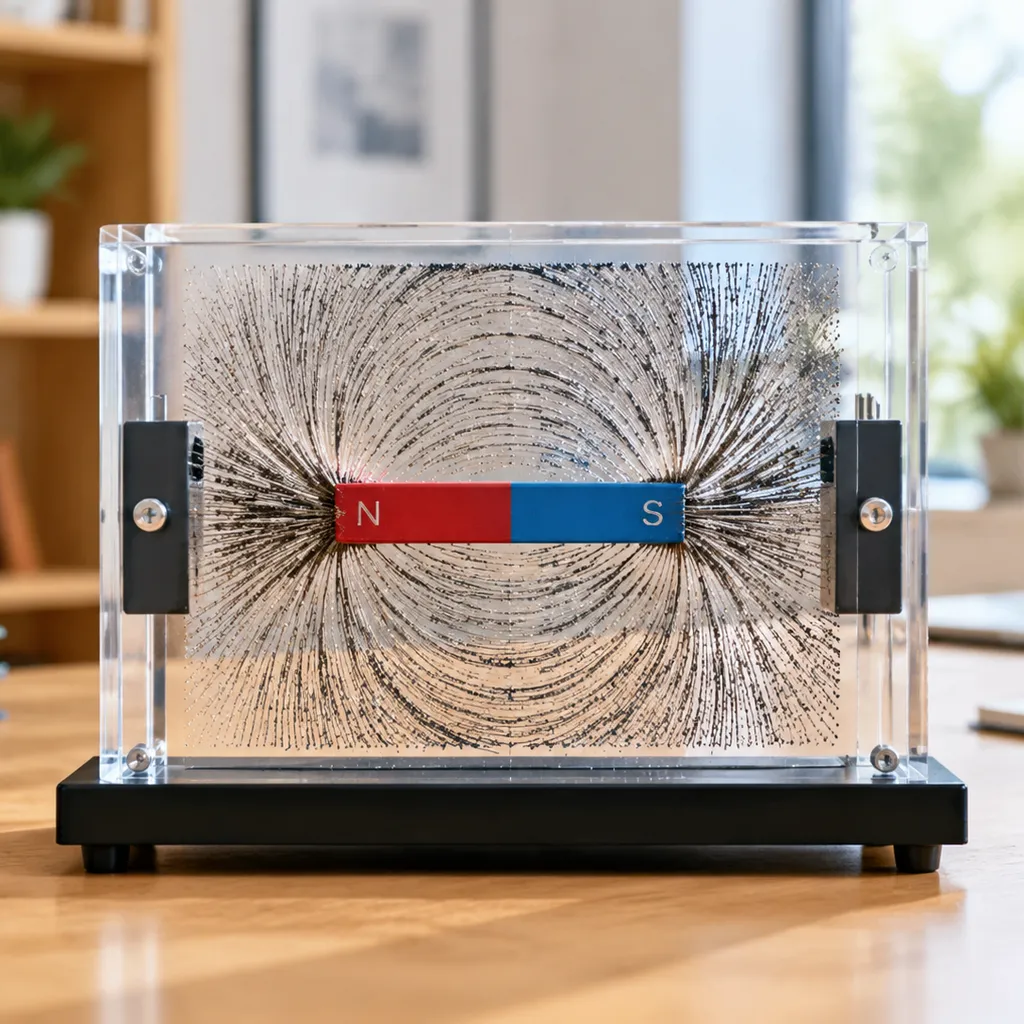


Yorum Yap