
Magnetic anisotropy means that a material has a preferred direction for its magnetic moments when you apply a magnetic field to it. In simpler terms, it means that the way a material is pointed affects how it behaves magnetically. Some materials want to be magnetized more in one direction than others. We call that the “easy” axis. They don’t want to be magnetized in other directions.
Causes of Magnetic Anisotropy
There are a couple of things that cause magnetic anisotropy.
- Crystal Structure: The symmetry of the crystal lattice of a material can create an easy axis. Cubic materials often want to point their magnetization along the body diagonal. Non-cubic materials want to point their magnetization along certain crystal axes. We call this magnetocrystalline anisotropy. This is the only intrinsic cause of anisotropy because it comes from the structure of the material.
- Shape Anisotropy: When you have non-spherical objects like thin films or small particles, you can get anisotropy because of surface or edge effects. The shape of the material affects how it responds to an external magnetic field. The demagnetizing fields are different depending on which way you measure them.
- Spin-Orbit Coupling: The interaction between the spin of the electrons and the motion of the electrons around the nucleus can make the magnetization want to point in a certain direction.
- Magnetoelastic Anisotropy: If you put a mechanical strain or tension on a material, you can change how it behaves magnetically.
- Exchange Anisotropy: This has to do with the interactions between the magnetic moments in the materials. When you have ferromagnetic and antiferromagnetic materials coupled together, the antiferromagnetic layer can affect the way the magnetization behaves in the ferromagnetic layer.
- Doping and Impurities: You can intentionally introduce impurities or defects into a material to change its electronic structure, which can affect how it behaves magnetically and its anisotropy
- Strain: When you mechanically deform a material, you distort the symmetry of its crystal structure. This distortion can change where the easy axis is and how it behaves magnetically.
Types of Magnetic Anisotropy
There are a few different types of magnetic anisotropy.
- Crystalline Anisotropy: This is when the crystal symmetry of the material determines where the easy axis is. You can see this in cubic and non-cubic materials.
- Shape Anisotropy: This is when the shape of the material determines where the easy axis is. You see this in thin films and nanoparticles.
- Magnetostriction: This is when the magnetism of the material interacts with the lattice structure, and the material expands or contracts when you apply a magnetic field to it.
- Magnetic Field Anisotropy: This is when the material has a high magnetic susceptibility, and the external magnetic field interacts with the magnetic moments in the material differently depending on which way the field is pointing.
Anisotropy in Hard and Soft Magnetic Materials
Hard Magnetic Materials: These materials, such as مع معالجة GBD, have high magnetic anisotropy, so they are resistant to demagnetization. We use their strong, directional magnetic properties in applications like motors and generators.
Soft Magnetic Materials: Less commonly, soft magnetic materials can also be anisotropic due to internal structural factors or external processing methods. Examples include grain-oriented electrical steels used in transformers.
Achieving Better Magnetic Anisotropy
Manufacturers can improve magnetic anisotropy by carefully controlling several factors during production:
اختيار المادة: The choice of base material, like neodymium in high-performance magnets, is key to getting strong magnetic properties.
cURL Too many subrequests by single Worker invocation. To configure this limit, refer to https://developers.cloudflare.com/workers/wrangler/configuration/#limits cURL Too many subrequests by single Worker invocation. To configure this limit, refer to https://developers.cloudflare.com/workers/wrangler/configuration/#limits
cURL Too many subrequests by single Worker invocation. To configure this limit, refer to https://developers.cloudflare.com/workers/wrangler/configuration/#limits cURL Too many subrequests by single Worker invocation. To configure this limit, refer to https://developers.cloudflare.com/workers/wrangler/configuration/#limits
cURL Too many subrequests by single Worker invocation. To configure this limit, refer to https://developers.cloudflare.com/workers/wrangler/configuration/#limits cURL Too many subrequests by single Worker invocation. To configure this limit, refer to https://developers.cloudflare.com/workers/wrangler/configuration/#limits
cURL Too many subrequests by single Worker invocation. To configure this limit, refer to https://developers.cloudflare.com/workers/wrangler/configuration/#limits cURL Too many subrequests by single Worker invocation. To configure this limit, refer to https://developers.cloudflare.com/workers/wrangler/configuration/#limits
cURL Too many subrequests by single Worker invocation. To configure this limit, refer to https://developers.cloudflare.com/workers/wrangler/configuration/#limits
cURL Too many subrequests by single Worker invocation. To configure this limit, refer to https://developers.cloudflare.com/workers/wrangler/configuration/#limits cURL Too many subrequests by single Worker invocation. To configure this limit, refer to https://developers.cloudflare.com/workers/wrangler/configuration/#limits
cURL Too many subrequests by single Worker invocation. To configure this limit, refer to https://developers.cloudflare.com/workers/wrangler/configuration/#limits cURL Too many subrequests by single Worker invocation. To configure this limit, refer to https://developers.cloudflare.com/workers/wrangler/configuration/#limits
cURL Too many subrequests by single Worker invocation. To configure this limit, refer to https://developers.cloudflare.com/workers/wrangler/configuration/#limits
cURL Too many subrequests by single Worker invocation. To configure this limit, refer to https://developers.cloudflare.com/workers/wrangler/configuration/#limits
- cURL Too many subrequests by single Worker invocation. To configure this limit, refer to https://developers.cloudflare.com/workers/wrangler/configuration/#limits cURL Too many subrequests by single Worker invocation. To configure this limit, refer to https://developers.cloudflare.com/workers/wrangler/configuration/#limits
- المولِّدات: cURL Too many subrequests by single Worker invocation. To configure this limit, refer to https://developers.cloudflare.com/workers/wrangler/configuration/#limits
- cURL Too many subrequests by single Worker invocation. To configure this limit, refer to https://developers.cloudflare.com/workers/wrangler/configuration/#limits cURL Too many subrequests by single Worker invocation. To configure this limit, refer to https://developers.cloudflare.com/workers/wrangler/configuration/#limits
- cURL Too many subrequests by single Worker invocation. To configure this limit, refer to https://developers.cloudflare.com/workers/wrangler/configuration/#limits cURL Too many subrequests by single Worker invocation. To configure this limit, refer to https://developers.cloudflare.com/workers/wrangler/configuration/#limits
- cURL Too many subrequests by single Worker invocation. To configure this limit, refer to https://developers.cloudflare.com/workers/wrangler/configuration/#limits cURL Too many subrequests by single Worker invocation. To configure this limit, refer to https://developers.cloudflare.com/workers/wrangler/configuration/#limits
cURL Too many subrequests by single Worker invocation. To configure this limit, refer to https://developers.cloudflare.com/workers/wrangler/configuration/#limits
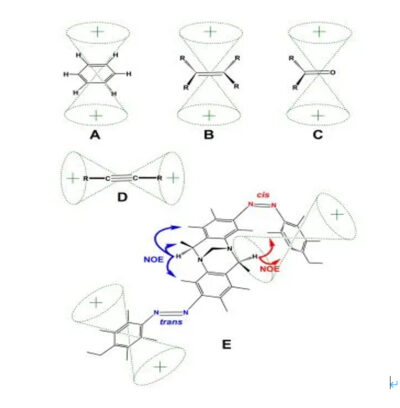
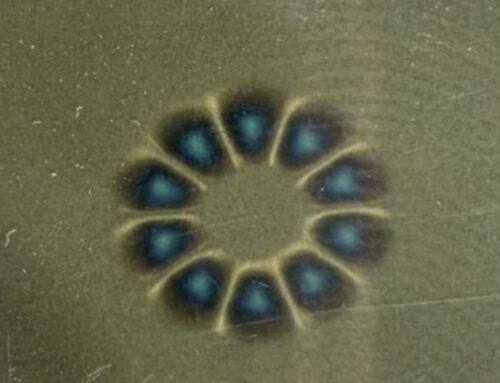
Magnetic Anisotropy. Image Source: Wikipedia
 Arabic
 English
 German
 Vietnamese
 Spanish (Mexico)
 Russian
 Turkish
 Polish
 Hindi
 Thai
 Malay
 Korean
 Japanese
 French
 Czech
 Danish
 Dutch
 Finnish
 Italian
 Portuguese (Brazil)
 Portuguese (Portugal)
 Slovenian
 Ukrainian
 Hebrew
 Scottish Gaelic
 Hungarian
 Tagalog
 Spanish (Spain)
 Serbian
 Indonesian
 Slovak
 Dutch (Belgium)
 Persian
 Romanian
 Estonian
 Greek
 Bulgarian
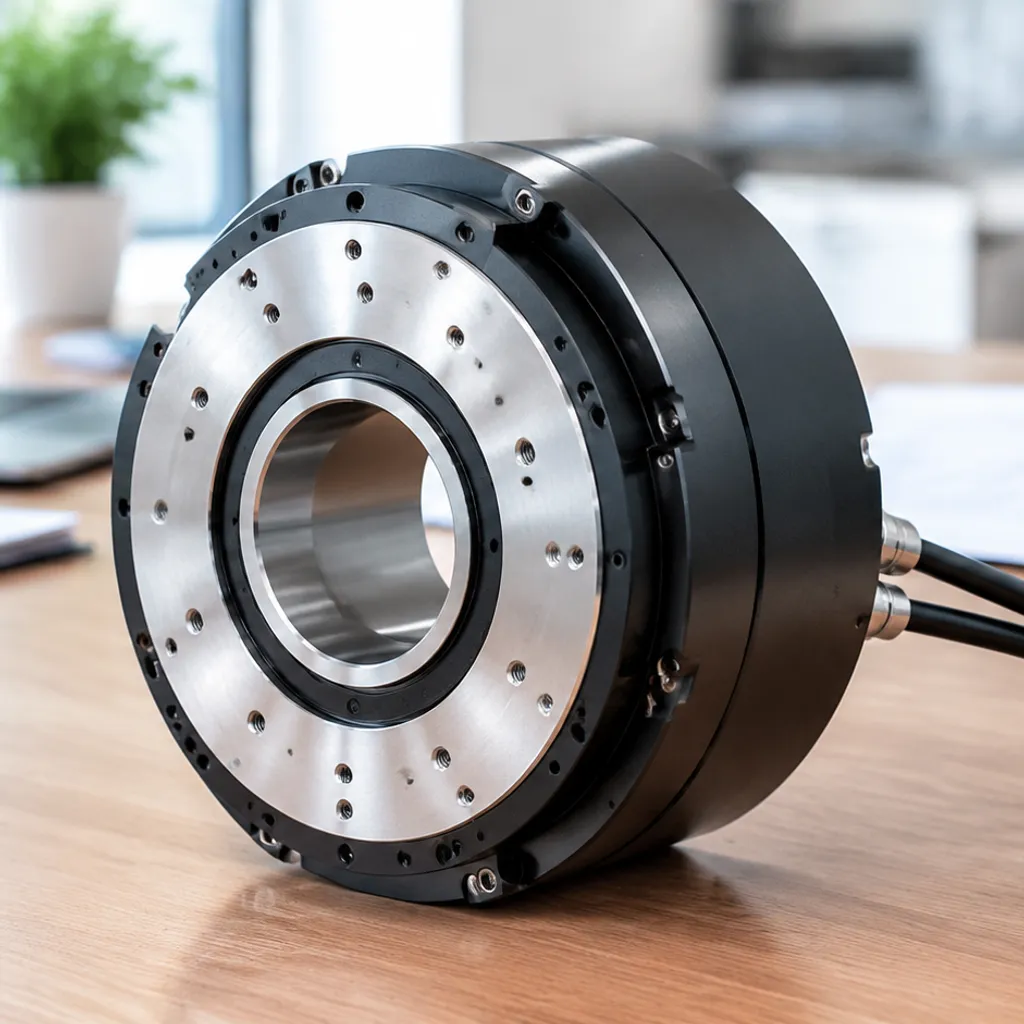

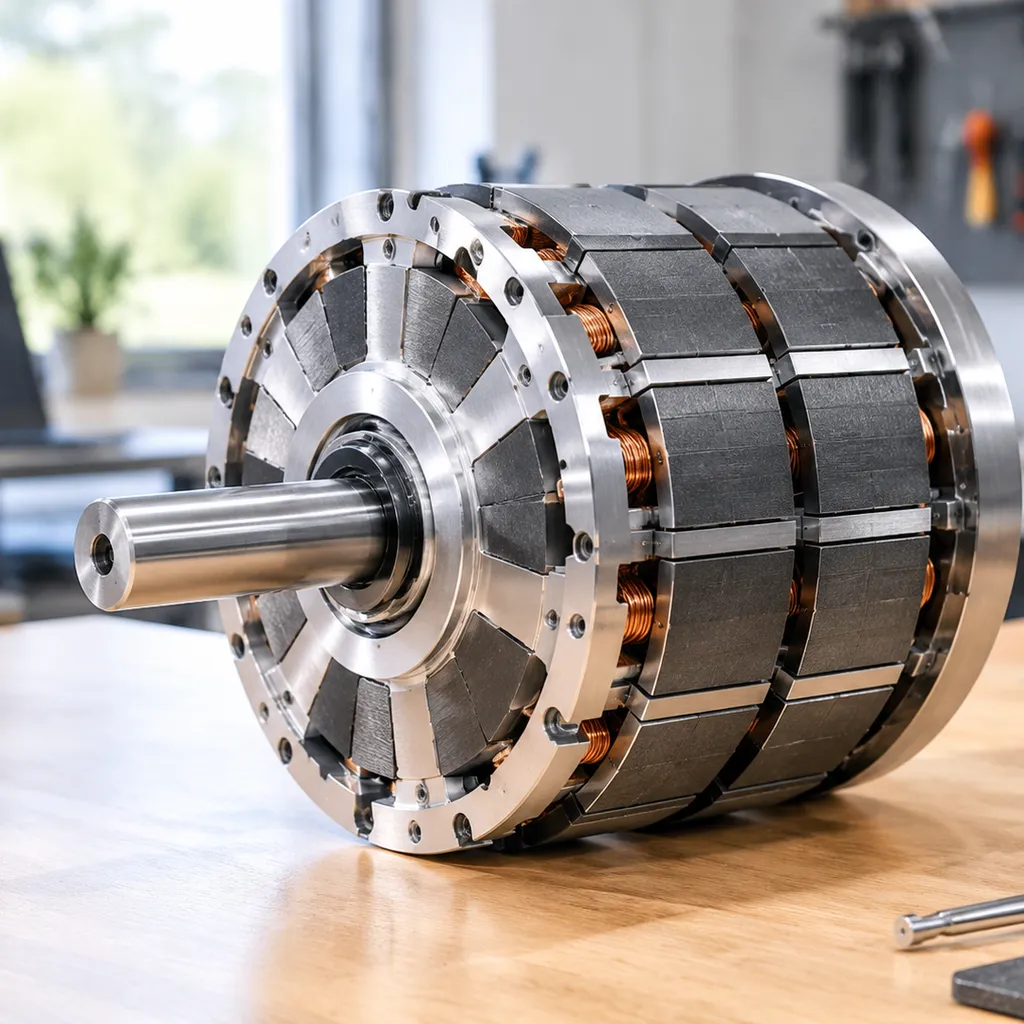
[…] Selecting the right magnetic material depends on motor type, operating conditions, and cost considerations. For a deeper understanding of magnetics basics, check out what is a magnetic moment and magnetic anisotropy. […]