
Traditional gearbox-driven turbines are no longer enough to hit the 2026 efficiency benchmarks. If you’re looking to eliminate mechanical friction and slash O&M costs, the answer lies in magnetic wind power.
The industry is rapidly pivoting toward Direct-drive turbine technology a Permanent Magnet Synchronous Generators (PMSG) to capture energy at low-wind startup speeds of just 1.5 m/s.
In this guide, you’ll discover how leveraging high-flux density magnetic materials and precision lamination cores can optimize nacelle weight and secure a 30-year turbine lifecycle. Whether you’re engineering Vertical Axis Wind Turbines (VAWT) or massive offshore arrays, this technical breakdown will show you how to maximize your Renewable energy ROI.
Let’s dive right in.
The Anatomy of Efficiency: How Magnetic Materials Drive Performance
In the modern energy landscape, we recognize that mechanical friction is the primary enemy of uptime. By transitioning to magnetic wind power architectures, we are fundamentally redefining turbine physics to prioritize longevity and energy capture. Our focus centers on replacing complex mechanical linkages with high-performance magnetic materials that streamline the entire power conversion process.
Eliminating the Gearbox: The Rise of Direct-Drive Systems
Traditional turbines rely on heavy, maintenance-intensive gearboxes to increase shaft speed. We have eliminated this point of failure by adopting Direct-Drive technology powered by high-grade Permanent Magnet Synchronous Generators (PMSG). By using high-flux Neodym (NdFeB) magnets, we can generate significant power at lower rotational speeds without the need for a transmission.
- Nacelle Weight Optimization: Removing the gearbox significantly reduces the structural load on the tower.
- Reduced Maintenance: Fewer moving parts mean a drastic reduction in lubrication requirements and mechanical wear.
- Enhanced Reliability: Direct-drive systems offer superior performance in remote or offshore environments where repairs are costly.
Maglev Technology: Frictionless Bearings for 1.5 m/s Startup
To maximize ROI, a turbine must spin when others stand still. We utilize frictionless magnetic bearings—
Critical Components: Beyond the Turbine Blades
While the blades capture the breeze, the real work in magnetic wind power happens inside the nacelle. High-efficiency energy conversion depends on how well the internal magnetic circuit is engineered to minimize waste and maximize output.
High-Performance Lamination Cores
We focus heavily on precision-engineered lamination cores to solve the problem of energy leakage. By using ultra-thin, high-grade steel layers, we achieve significant eddy current loss reduction. This ensures that the kinetic energy from the wind is converted into electricity rather than being lost as heat, which is vital for maintaining a high Renewable energy ROI 2026.
Rare-Earth vs. Non-Rare-Earth Magnets
Choosing the right material is a balancing act between power and durability. We specialize in tailoring the magnetic profile to your specific environment:
- Neodym (NdFeB): These provide the high-flux density magnetic materials required for compact, high-output generators. They are the go-to for maximum efficiency.
- Samarium Kobalt (SmCo): For turbines in extreme climates or high-heat scenarios, SmCo magnets for harsh environments are the better choice due to their incredible tepelné stabilitě.
Selecting the correct magnétech v větrných turbínách is the most critical decision a technical buyer can make to ensure long-term performance.
Zakázkové magnetické sestavy
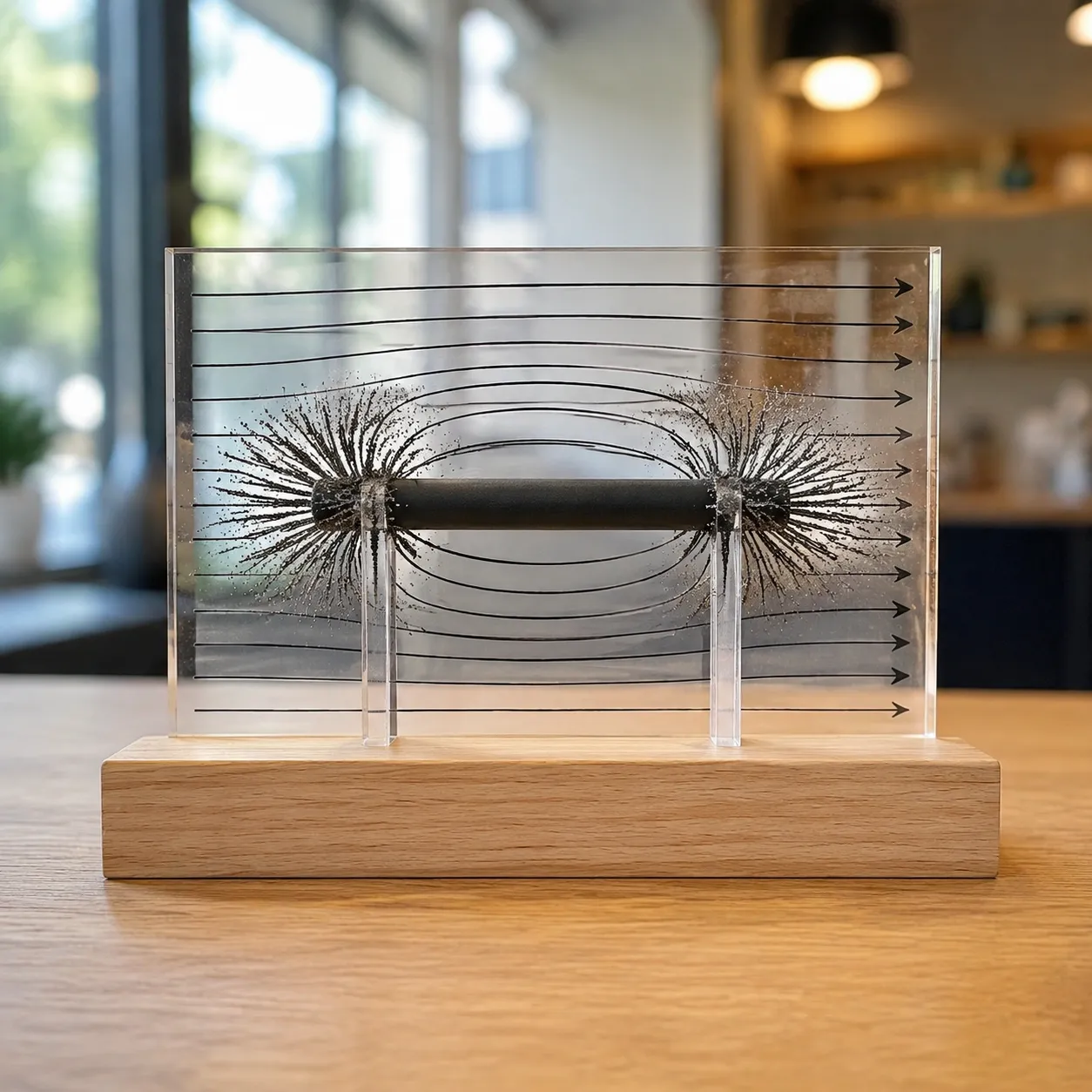
Our 2026 rotor designs leverage Halbach arrays to push the boundaries of physics. These custom magnetic assemblies arrange magnets in a specific pattern to augment the magnetic field on one side while nearly cancelling it on the other.
| Vlastnost | Výhoda |
|---|---|
| Halbachova pole | Concentrated magnetic flux and nacelle weight optimization. |
| Precision Engineering | Higher power-to-weight ratio for easier installation. |
| Optimized Flux Path | Reduced magnetic leakage and improved generator response. |
By focusing the magnetic field exactly where it’s needed, we can reduce the overall weight of the turbine head, making it easier to install and maintain without losing an ounce of power.
Key Advantages of Magnetic Wind Systems
I’ve seen how traditional turbines struggle with maintenance costs, which is why we’ve moved toward magnetic solutions. The shift isn’t just about power; it’s about making the technology last and work where others can’t.
Dlouhověkost a spolehlivost
We’ve achieved a 30-year lifecycle by virtually eliminating mechanical wear. By replacing standard bearings with frictionless magnetic bearings, we remove the primary point of failure. Understanding z čeho jsou magnety vyrobeny is essential to seeing how these materials handle stress differently than mechanical steel.
- Reduced Friction: No physical contact means no heat buildup or grinding.
- Lower Maintenance: We spend significantly less on lubrication and part replacements.
- Sustainable ROI: Longer operation cycles directly improve the long-term return on investment for 2026 energy projects.
Urban Integration with VAWT
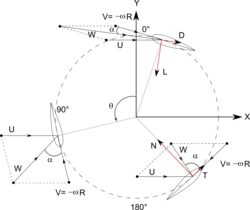
Vertical Axis Wind Turbines (VAWT) are the primary choice for smart city energy. Unlike horizontal turbines, VAWTs don’t need complex yaw systems to face the wind. I find them perfect for urban rooftops because:
- Omnidirectional Capture: They handle turbulent, multi-directional winds found in cities.
- Silent Operation: Magnetic levitation allows them to spin silently, meeting strict noise ordinances.
- Bezpečnost: The lower rotational speed and enclosed designs are safer for birds and urban residents.
Low-Wind Efficiency and Geographic Reach
The biggest breakthrough I can point to is the low-wind startup speed (1.5 m/s). By using high-grade magnetic assemblies, we can capture energy in areas where air barely moves. When comparing neodymium vs ferrite magnet properties, it becomes clear that high-flux density is what allows these turbines to start turning when traditional models stay locked. This opens up massive geographic regions—especially inland and coastal zones—that were previously non-viable for wind power.
Sourcing for Success: The Technical Buyer’s Checklist
Buying for large-scale wind projects in 2026 requires a sharp eye for quality and consistency. We focus on delivering high-performance components that meet strict global standards, ensuring your magnetic wind power installation remains operational for decades without unexpected failures.
Critical Material Certifications
To guarantee the performance of a Permanent Magnet Synchronous Generator (PMSG), we adhere to the most rigorous quality protocols in the industry. Navigating these requirements is non-negotiable for long-term reliability.
| Certifikace | Why It Matters for Wind Power |
|---|---|
| ISO/TS16949 | Ensures a defect-free manufacturing process for ISO/TS16949 compliant magnetic assemblies. |
| PPAP úroveň 3 | Provides full evidence of design and production reliability before mass roll-out. |
| RoHS/REACH | Confirms compliance with global environmental safety and sustainability standards. |
Customization and Nacelle Weight Optimization
Every turbine nacelle has unique space and weight constraints. We help you balance high-flux density with physical dimensions to hit your performance targets. Whether you need specialized lepené magnety for complex geometries or high-grade sintered NdFeB for maximum torque, we tailor the grade and shape to your specific rotor design.
- Magnetic Shape: Custom arc, block, or bread-loaf geometries for optimal flux distribution.
- Coating Technology: Triple-layer protection (Ni-Cu-Ni or Epoxy) for offshore corrosion resistance.
- Thermal Stability: Selecting the right H, SH, or UH grades to prevent demagnetization at high operating temperatures.
- Nacelle Weight Optimization: Reducing overall mass through higher-grade materials to lower structural costs.
Supply Chain Resilience in 2026
The 2026 market demands more than just a supplier; you need a partner with a secure pipeline. We prioritize transparent lead times and deep R&D support to keep your project on schedule. By maintaining a robust inventory of raw materials and offering transparency into how we make NdFeB magnets, we ensure your supply chain is resilient against global market fluctuations and geographic shifts. We provide the technical backing needed to move from the prototype phase to full-scale deployment without the typical sourcing bottlenecks.
The Future Outlook: Magnetic Wind Power Recycling and Sustainable Sourcing
The long-term viability of magnetic wind power depends on how we handle raw materials. We are moving toward a circular economy where high-value components aren’t just used once but are recovered and reused to minimize environmental impact.
Innovations in Iron-Nitride and Circular Economies
We are closely watching the shift toward iron-nitride magnets, which offer a promising alternative to traditional rare-earth elements. By diversifying our material base, we reduce dependence on volatile markets while maintaining high performance.
- Rare-Earth Recovery: We prioritize reclaiming Neodymium and Dysprosium from decommissioned turbines.
- Material Longevity: Using high-grade magnety samarium cobalt in specific high-heat zones ensures the turbine lasts longer, reducing the frequency of replacement.
- Closed-Loop Manufacturing: Our goal is to ensure that every magnet used in 2026 can be reprocessed for future energy projects.
Aligning Wind Projects with Global Sustainability Goals
Sustainability isn’t just a buzzword for us; it’s a manufacturing standard. We align our magnetic wind power components with lean manufacturing principles to cut waste and energy consumption during production.
- Carbon Footprint Reduction: By sourcing materials through ethical supply chains, we help developers meet strict ESG (Environmental, Social, and Governance) targets.
- Resource Efficiency: Naše custom magnetic assemblies are engineered to use the minimum amount of material necessary to achieve maximum flux density.
- Green Logistics: We optimize our global distribution to ensure that the components for your wind farm arrive with the lowest possible transport emissions.
By focusing on sustainable sourcing and advanced recycling, we ensure that the wind energy of tomorrow is as clean to produce as the power it generates.
Frequently Asked Questions About Magnetic Wind Power
Maglev wind turbine efficiency vs. Traditional Designs
The core difference lies in friction reduction. While traditional turbines rely on mechanical bearings and gearboxes that wear down over time, Maglev technology uses magnetic levitation to suspend the rotor. This allows for:
- Ultra-low startup speeds: Achieving rotation at just 1.5 m/s, compared to the 3-4 m/s required by conventional models.
- Zero mechanical contact: Eliminating the heat and wear associated with friction, which significantly lowers maintenance costs.
- Higher energy capture: More of the wind’s kinetic energy is converted directly into electricity rather than being lost as heat.
Boosting Renewable energy ROI 2026
Permanent magnets, specifically those used in a Permanent Magnet Synchronous Generator (PMSG), are the primary drivers of modern investment returns. By utilizing a různý tvar magnetu to optimize the magnetic flux within the rotor, we can maximize power density.
| Vlastnost | Impact on ROI |
|---|---|
| Direct-Drive Tech | Removes the gearbox, cutting failure rates by nearly 50%. |
| High Flux Density | Increases output in low-wind conditions, ensuring steady cash flow. |
| 30-Year Lifecycle | Spreads the initial CAPEX over a much longer operational period. |
Performance in Extreme Offshore Environments
Magnetic wind power is uniquely suited for the harsh conditions of offshore farms. We utilize high-grade materials like Samarium Kobalt (SmCo) or specialized NdFeB with advanced anti-corrosion coatings to handle salt mist and temperature fluctuations.
Because these systems are often “direct-drive,” they have fewer moving parts that can fail in the middle of the ocean. This reliability is critical when a single repair mission can cost thousands in logistics and downtime. We ensure our components meet strict international standards and supply chain requirements to keep projects running despite global market shifts.

 Czech
Czech  English
  German
  Vietnamese
  Spanish (Mexico)
  Russian
  Turkish
  Polish
  Hindi
Hindi  Thai
Thai  Malay
Malay  Korean
  Japanese
  French
  Danish
  Dutch
Dutch  Finnish
  Italian
  Portuguese (Brazil)
  Portuguese (Portugal)
  Slovenian
  Ukrainian
  Hebrew
  Scottish Gaelic
  Hungarian
  Tagalog
  Spanish (Spain)
  Serbian
  Indonesian
  Slovak
  Dutch (Belgium)
  Persian
  Arabic
  Romanian
  Estonian
  Greek
Greek  Bulgarian

Zanechte komentář