
Understanding Magnetic Actuators in Robotics
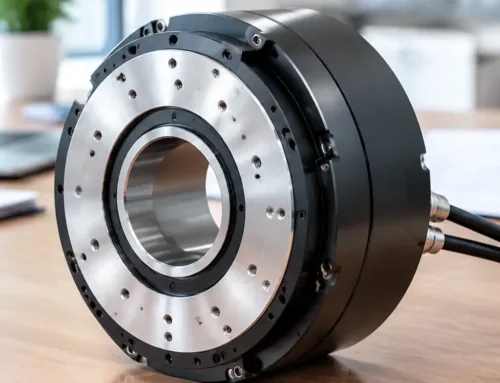
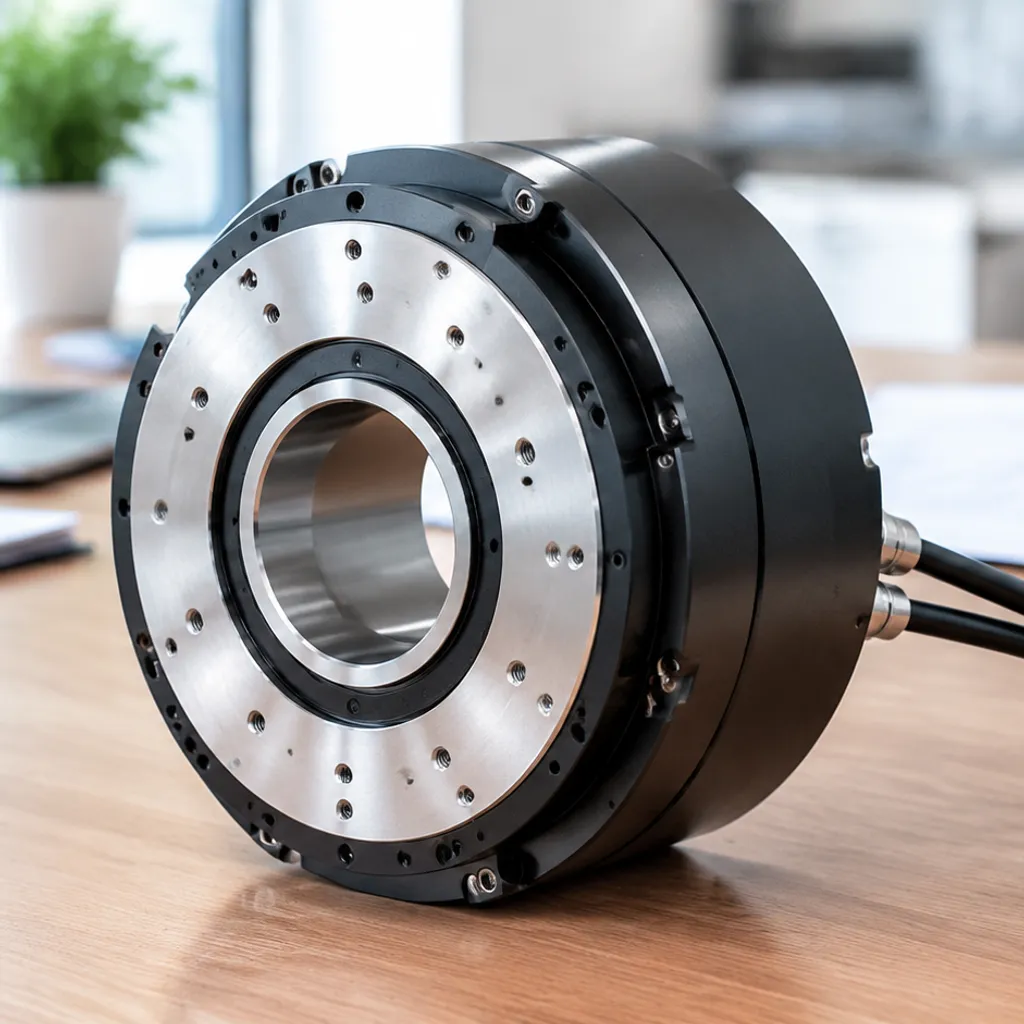
Magnetic actuators are essential components in robotic mobility, responsible for converting electrical energy into precise mechanical motion using magnetic fields. These actuators play a critical role in enabling smooth, accurate movement in various robotic systems.
Types and Working Principles
The primary types of magnetic actuators used in robotics include:
- Electromagnetic Actuators: Use an electric current to generate magnetic fields, causing movement.
- Permanent Magnet Actuators: Rely on the interaction between permanent magnets and coils to produce motion.
- Hybrid Actuators: Combine permanent magnets with electromagnets for enhanced control and efficiency.
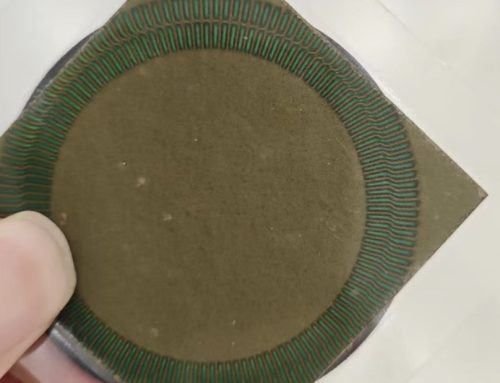
Their working principle centers on magnetic forces generated by these components to create controlled torque or linear motion, enabling precision robotic movements.
Comparison With Other Actuator Types
| Actuator Type | Πλεονεκτήματα | Περιορισμοί |
|---|---|---|
| Magnetic Actuators | High torque density, precision control, fast response | Sensitivity to magnetic interference, requires quality magnetic materials |
| Hydraulic Actuators | High force output | Bulky, complex maintenance |
| Pneumatic Actuators | Lightweight, cost-effective | Lower precision, compressibility issues |
| Ηλεκτρικοί κινητήρες | Precise control, compact | Can suffer heating issues, limited torque density |
Magnetic actuators stand out for their rapid response, energy efficiency, and fine positional accuracy, making them ideal for robotic mobility applications.
Importance of Magnetic Material Quality
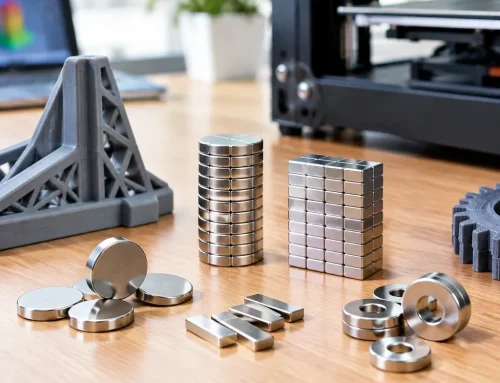
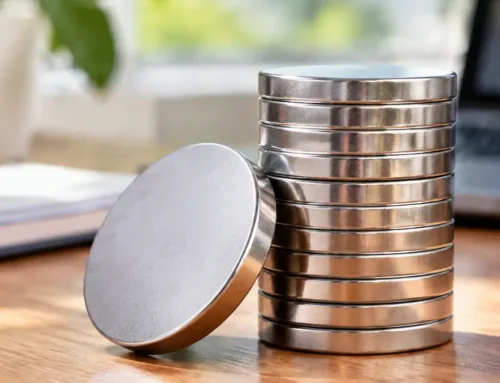
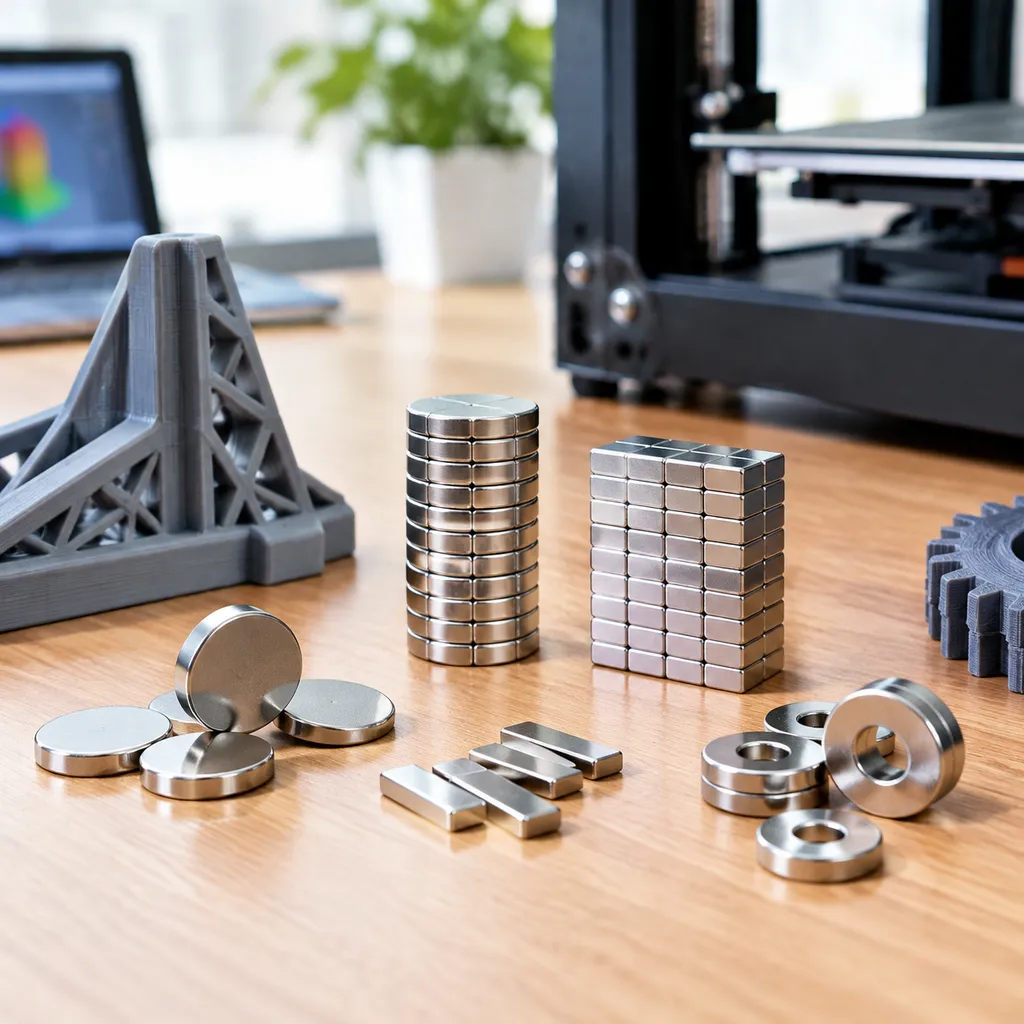
The performance of magnetic actuators heavily depends on the quality of magnetic materials used. High-grade materials such as NdFeB (neodymium-iron-boron) magnets provide:
- Stronger magnetic flux density
- Better thermal stability
- Improved durability and longevity
Selecting superior magnetic materials ensures consistent actuator performance, reduces energy consumption, and enhances the overall reliability of robotic systems. For a deeper understanding of magnetic material properties impacting actuator behavior, explore magnetic permeability and μαγνητικής υσχους concepts.
Key Performance Metrics of Magnetic Actuators
When choosing high-performance magnetic actuators for robotic mobility, several key factors come into play.
Torque density and precision control
cURL Too many subrequests by single Worker invocation. To configure this limit, refer to https://developers.cloudflare.com/workers/wrangler/configuration/#limits
cURL Too many subrequests by single Worker invocation. To configure this limit, refer to https://developers.cloudflare.com/workers/wrangler/configuration/#limits
cURL Too many subrequests by single Worker invocation. To configure this limit, refer to https://developers.cloudflare.com/workers/wrangler/configuration/#limits
cURL Too many subrequests by single Worker invocation. To configure this limit, refer to https://developers.cloudflare.com/workers/wrangler/configuration/#limits
cURL Too many subrequests by single Worker invocation. To configure this limit, refer to https://developers.cloudflare.com/workers/wrangler/configuration/#limits
cURL Too many subrequests by single Worker invocation. To configure this limit, refer to https://developers.cloudflare.com/workers/wrangler/configuration/#limits
cURL Too many subrequests by single Worker invocation. To configure this limit, refer to https://developers.cloudflare.com/workers/wrangler/configuration/#limits
cURL Too many subrequests by single Worker invocation. To configure this limit, refer to https://developers.cloudflare.com/workers/wrangler/configuration/#limits μαγνητικά υλικά στην τεχνολογία κινητήρων.
cURL Too many subrequests by single Worker invocation. To configure this limit, refer to https://developers.cloudflare.com/workers/wrangler/configuration/#limits
cURL Too many subrequests by single Worker invocation. To configure this limit, refer to https://developers.cloudflare.com/workers/wrangler/configuration/#limits
cURL Too many subrequests by single Worker invocation. To configure this limit, refer to https://developers.cloudflare.com/workers/wrangler/configuration/#limits
cURL Too many subrequests by single Worker invocation. To configure this limit, refer to https://developers.cloudflare.com/workers/wrangler/configuration/#limits
cURL Too many subrequests by single Worker invocation. To configure this limit, refer to https://developers.cloudflare.com/workers/wrangler/configuration/#limits

cURL Too many subrequests by single Worker invocation. To configure this limit, refer to https://developers.cloudflare.com/workers/wrangler/configuration/#limits
cURL Too many subrequests by single Worker invocation. To configure this limit, refer to https://developers.cloudflare.com/workers/wrangler/configuration/#limits
cURL Too many subrequests by single Worker invocation. To configure this limit, refer to https://developers.cloudflare.com/workers/wrangler/configuration/#limits
cURL Too many subrequests by single Worker invocation. To configure this limit, refer to https://developers.cloudflare.com/workers/wrangler/configuration/#limits
cURL Too many subrequests by single Worker invocation. To configure this limit, refer to https://developers.cloudflare.com/workers/wrangler/configuration/#limits
cURL Too many subrequests by single Worker invocation. To configure this limit, refer to https://developers.cloudflare.com/workers/wrangler/configuration/#limits
cURL Too many subrequests by single Worker invocation. To configure this limit, refer to https://developers.cloudflare.com/workers/wrangler/configuration/#limits
cURL Too many subrequests by single Worker invocation. To configure this limit, refer to https://developers.cloudflare.com/workers/wrangler/configuration/#limits
cURL Too many subrequests by single Worker invocation. To configure this limit, refer to https://developers.cloudflare.com/workers/wrangler/configuration/#limits
cURL Too many subrequests by single Worker invocation. To configure this limit, refer to https://developers.cloudflare.com/workers/wrangler/configuration/#limits
- cURL Too many subrequests by single Worker invocation. To configure this limit, refer to https://developers.cloudflare.com/workers/wrangler/configuration/#limits
- cURL Too many subrequests by single Worker invocation. To configure this limit, refer to https://developers.cloudflare.com/workers/wrangler/configuration/#limits
- Collaborative robotic arms in automotive plants incorporate magnetic actuators to enhance repeatability and reduce maintenance cycles.
Impact on Energy Efficiency and Lifespan
Magnetic actuators boost energy efficiency by offering higher torque with less power draw compared to traditional actuators. Their thermal stability also protects performance during extended operations, extending the robotic system’s overall lifespan. This benefits businesses focused on lowering operational costs and maximizing uptime.
Design Considerations for Integrating High Performance Magnetic Actuators
Choosing the right magnetic actuator for your robotic mobility project starts with understanding the specific needs of your robot. Key factors include the desired torque, precision, speed, size constraints, and energy efficiency. High torque magnetic actuators are ideal for heavy-duty tasks, while precision control actuators suit delicate robotic movements. Also, consider the environment—temperature swings and operational stresses impact actuator durability.
Integration can pose challenges such as aligning the actuator with existing mechanical systems, managing thermal loads, and ensuring reliable electrical connections. Solutions often involve close collaboration between design engineers and magnetic actuator suppliers to tailor components that fit perfectly with your robotic design. NBAEM offers valuable support in this area with custom magnetic materials like NdFeB magnets and SmCo magnets that optimize both performance and compactness.
Teaming up with NBAEM brings advantages:
- Expert guidance on selecting magnetic materials suited for your mobility application
- Assistance in overcoming integration hurdles with design consultations
- Access to high-quality, certified magnetic materials that meet U.S. industry standards
Leveraging NBAEM’s expertise ensures your magnetic actuators not only enhance robotic mobility but also deliver consistent, energy-efficient performance. For more on magnetic materials’ industrial use, check out NBAEM’s insights on industrial applications of magnetic materials.
Future Trends in Robotic Mobility Powered by Magnetic Actuators
Magnetic actuators are set to play a major role in shaping the future of robotic mobility. We’re seeing advances in smart magnetic materials that respond dynamically to changing conditions, improving efficiency and precision. AI-driven control systems are also becoming a game-changer, allowing actuators to adjust in real time for smoother, more adaptive robotic movements.
The market outlook for magnetic actuators in robotics remains strong, especially as demand grows for energy-efficient, high-torque solutions that fit into compact designs. More industries are adopting magnetic actuator technology to boost performance while keeping power consumption low.
At NBAEM, the focus is clear: pushing R&D into more specialized magnetic materials that meet the unique challenges of robotic mobility. This includes developing stronger, more stable magnets that offer high torque density and thermal stability. We’re also exploring customization options to help robotics manufacturers innovate faster with tailored magnetic solutions, supporting next-generation mobility systems across sectors.
These future trends show just how magnetic actuators will remain central to robotics, especially here in the U.S., where efficient and precise mobility solutions are critical for automation, logistics, and advanced robotics. For deeper insights on magnetic materials impacting robotics, check out NBAEM’s work on recent advances in magnetic material research and magnetic materials in motor technology.
 Greek
 English
 German
 Vietnamese
 Spanish (Mexico)
 Russian
 Turkish
 Polish
 Hindi
 Thai
 Malay
 Korean
 Japanese
 French
 Czech
 Danish
 Dutch
 Finnish
 Italian
 Portuguese (Brazil)
 Portuguese (Portugal)
 Slovenian
 Ukrainian
 Hebrew
 Scottish Gaelic
 Hungarian
 Tagalog
 Spanish (Spain)
 Serbian
 Indonesian
 Slovak
 Dutch (Belgium)
 Persian
 Arabic
 Romanian
 Estonian
 Bulgarian

[…] For more on how magnets operate in precise mechanisms like robotics and actuators, see insights on magnetic actuators for robotic mobility. […]