
The Fundamentals: What Exactly Is a Temporary Magnet?
A temporary magnet is a type of magnet that only exhibits magnetic properties when exposed to an external magnetic field. Unlike permanent magnets, temporary magnets lose their magnetism once the external field is removed. This behavior makes them ideal for applications where on-demand magnetic control is necessary. Typically, these magnets are made from soft ferromagnetic materials such as soft iron or certain alloys. Their atomic structure allows magnetic domains to align easily under a magnetic field but also return to random alignment without it.
Historically, the study of temporary magnets dates back to early experiments with soft iron and electromagnets in the 19th century. Advances in material science over time have improved their responsiveness and efficiency. Today, innovations include specially engineered soft iron cores and sophisticated alloy compositions that optimize magnetic performance.
Key characteristics of temporary magnets include:
- Low coercivity: They require a minimal external magnetic field to magnetize and demagnetize.
- High permeability: Their ability to channel magnetic flux efficiently.
- Reversibility: Their magnetism can switch on and off quickly and repeatedly.
These traits are crucial because they allow temporary magnets to be both energy-efficient and versatile, powering devices from industrial lifts to everyday electronics. Understanding their fundamentals helps us appreciate the wide range of practical uses where temporary magnets make a real difference.
How Temporary Magnets Work: The Science Behind the Switch
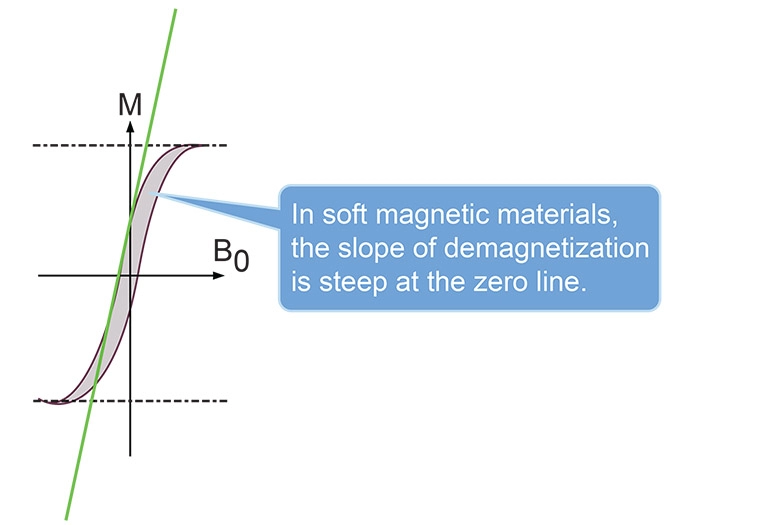
Temporary magnets work by becoming magnetic only when exposed to an external magnetic field. Imagine a bunch of tiny compass needles inside the metal. When you bring a magnet close, these needles line up, creating a magnetic effect. Take away the external magnet, and the needles quickly scatter, losing most of their magnetism. This “on-off” switch is the core of how temporary magnets function.
Hysteresis Loops Made Simple
The key to understanding temporary magnets lies in the hysteresis loop, which shows how a material magnetizes and demagnetizes. Think of it like pushing a swing: it takes effort to start swinging and to stop it. Similarly, temporary magnets require a magnetic field (push) to align their domains and lose magnetism quickly once the field is removed. Unlike permanent magnets, they have low coercivity—meaning they don’t hold onto magnetism long after the external field disappears.
What Affects Temporary Magnet Performance?
Several things impact how well a temporary magnet works:
- External Magnetic Field: The stronger and more consistent the field, the better the magnetization.
- cURL Too many subrequests by single Worker invocation. To configure this limit, refer to https://developers.cloudflare.com/workers/wrangler/configuration/#limits Soft iron and certain alloys are common because they easily gain and lose magnetism.
- Θερμοκρασία: Heat can make it harder for the magnet to maintain alignment, reducing effectiveness.
- Vibration and Movement: Physical disturbances can shake up those tiny domains, weakening the magnet.
Clearing Up Common Misconceptions
- Temporary magnets aren’t weak magnets. They just don’t keep their magnetism without a magnetic field.
- They’re not the same as electromagnets, though electromagnets use this property of temporary magnetism to turn magnetic effects on and off.
- All metals aren’t temporary magnets. Only specific ferromagnetic materials behave this way.
Understanding these basics makes it easier to appreciate how temporary magnets fit into everyday uses and advanced technology alike.
Types of Temporary Magnets: From Simple to Sophisticated
Temporary magnets come in various forms, each suited for different uses and levels of control. Here’s a quick rundown of the common types you’ll find in everyday life and industrial settings.
Soft Iron-Based Magnets and Everyday Examples
cURL Too many subrequests by single Worker invocation. To configure this limit, refer to https://developers.cloudflare.com/workers/wrangler/configuration/#limits
cURL Too many subrequests by single Worker invocation. To configure this limit, refer to https://developers.cloudflare.com/workers/wrangler/configuration/#limits
cURL Too many subrequests by single Worker invocation. To configure this limit, refer to https://developers.cloudflare.com/workers/wrangler/configuration/#limits
cURL Too many subrequests by single Worker invocation. To configure this limit, refer to https://developers.cloudflare.com/workers/wrangler/configuration/#limits
cURL Too many subrequests by single Worker invocation. To configure this limit, refer to https://developers.cloudflare.com/workers/wrangler/configuration/#limits
cURL Too many subrequests by single Worker invocation. To configure this limit, refer to https://developers.cloudflare.com/workers/wrangler/configuration/#limits
| Τύπος | Πλεονεκτήματα | Μειονεκτήματα | Τυπικές χρήσεις |
|---|---|---|---|
| cURL Too many subrequests by single Worker invocation. To configure this limit, refer to https://developers.cloudflare.com/workers/wrangler/configuration/#limits | cURL Too many subrequests by single Worker invocation. To configure this limit, refer to https://developers.cloudflare.com/workers/wrangler/configuration/#limits | cURL Too many subrequests by single Worker invocation. To configure this limit, refer to https://developers.cloudflare.com/workers/wrangler/configuration/#limits | cURL Too many subrequests by single Worker invocation. To configure this limit, refer to https://developers.cloudflare.com/workers/wrangler/configuration/#limits |
| Ηλεκτρομαγνήτες | cURL Too many subrequests by single Worker invocation. To configure this limit, refer to https://developers.cloudflare.com/workers/wrangler/configuration/#limits | cURL Too many subrequests by single Worker invocation. To configure this limit, refer to https://developers.cloudflare.com/workers/wrangler/configuration/#limits | cURL Too many subrequests by single Worker invocation. To configure this limit, refer to https://developers.cloudflare.com/workers/wrangler/configuration/#limits |
| cURL Too many subrequests by single Worker invocation. To configure this limit, refer to https://developers.cloudflare.com/workers/wrangler/configuration/#limits | cURL Too many subrequests by single Worker invocation. To configure this limit, refer to https://developers.cloudflare.com/workers/wrangler/configuration/#limits | cURL Too many subrequests by single Worker invocation. To configure this limit, refer to https://developers.cloudflare.com/workers/wrangler/configuration/#limits | cURL Too many subrequests by single Worker invocation. To configure this limit, refer to https://developers.cloudflare.com/workers/wrangler/configuration/#limits |
cURL Too many subrequests by single Worker invocation. To configure this limit, refer to https://developers.cloudflare.com/workers/wrangler/configuration/#limits
cURL Too many subrequests by single Worker invocation. To configure this limit, refer to https://developers.cloudflare.com/workers/wrangler/configuration/#limits
cURL Too many subrequests by single Worker invocation. To configure this limit, refer to https://developers.cloudflare.com/workers/wrangler/configuration/#limits cURL Too many subrequests by single Worker invocation. To configure this limit, refer to https://developers.cloudflare.com/workers/wrangler/configuration/#limits cURL Too many subrequests by single Worker invocation. To configure this limit, refer to https://developers.cloudflare.com/workers/wrangler/configuration/#limits cURL Too many subrequests by single Worker invocation. To configure this limit, refer to https://developers.cloudflare.com/workers/wrangler/configuration/#limits.
cURL Too many subrequests by single Worker invocation. To configure this limit, refer to https://developers.cloudflare.com/workers/wrangler/configuration/#limits
cURL Too many subrequests by single Worker invocation. To configure this limit, refer to https://developers.cloudflare.com/workers/wrangler/configuration/#limits
| Χαρακτηριστικό | Προσωρινοί Μαγνήτες | Μόνιμα Μαγνήτες |
|---|---|---|
| Magnetic Retention | Lose magnetism quickly once external field is removed | Maintain magnetism over time without power |
| Μαγνητική Ισχύς | Generally weaker; depends on external factors (current, field) | Strong and stable based on material type |
| Material Types | Soft iron, silicon steel, ferromagnetic alloys | Neodymium, samarium-cobalt, ferrite |
| Lifespan | Limited; fade due to demagnetization or physical changes | Long-lasting; resist demagnetization |
| Έλεγχος | Can be switched on/off with power | Fixed magnetic field, not adjustable |
Use-Case Matrix with Decision Flowchart
- Need adjustable magnetism? Go with temporary magnets like electromagnets.
- Require strong, permanent magnetic force? Choose permanent magnets.
- Concerned about energy consumption? Permanent magnets require no power, temporary do.
- Want easy magnet off/on capability? Temporary magnets shine in on-demand magnetic fields.
This simple flowchart helps navigate your choice:
- Is variable strength or on/off control critical?
→ Yes: Temporary magnet
→ No: Permanent magnet - Will the magnet face extreme temperature or harsh environments?
→ Yes: Permanent magnet (some alloys handle environments better)
→ No: Temporary magnet could work
Environmental and Sustainability Impacts
Temporary magnets usually require energy to maintain magnetism, which can impact power consumption and thus environmental footprint—especially in industrial settings. Permanent magnets don’t use energy once magnetized, making them more sustainable in long-term applications.
However, permanent magnets often use rare-earth materials like neodymium, which involve mining challenges and supply concerns. Temporary magnets mostly rely on common ferromagnetic materials like soft iron, which have a smaller environmental burden.
In brief:
- Temporary magnets: Higher energy use but less reliance on rare materials
- Permanent magnets: Zero energy use after magnetization but sourcing issues
cURL Too many subrequests by single Worker invocation. To configure this limit, refer to https://developers.cloudflare.com/workers/wrangler/configuration/#limits cURL Too many subrequests by single Worker invocation. To configure this limit, refer to https://developers.cloudflare.com/workers/wrangler/configuration/#limits.
cURL Too many subrequests by single Worker invocation. To configure this limit, refer to https://developers.cloudflare.com/workers/wrangler/configuration/#limits
cURL Too many subrequests by single Worker invocation. To configure this limit, refer to https://developers.cloudflare.com/workers/wrangler/configuration/#limits
cURL Too many subrequests by single Worker invocation. To configure this limit, refer to https://developers.cloudflare.com/workers/wrangler/configuration/#limits
Βιομηχανικές χρήσεις
- cURL Too many subrequests by single Worker invocation. To configure this limit, refer to https://developers.cloudflare.com/workers/wrangler/configuration/#limits cURL Too many subrequests by single Worker invocation. To configure this limit, refer to https://developers.cloudflare.com/workers/wrangler/configuration/#limits
- cURL Too many subrequests by single Worker invocation. To configure this limit, refer to https://developers.cloudflare.com/workers/wrangler/configuration/#limits cURL Too many subrequests by single Worker invocation. To configure this limit, refer to https://developers.cloudflare.com/workers/wrangler/configuration/#limits
- cURL Too many subrequests by single Worker invocation. To configure this limit, refer to https://developers.cloudflare.com/workers/wrangler/configuration/#limits cURL Too many subrequests by single Worker invocation. To configure this limit, refer to https://developers.cloudflare.com/workers/wrangler/configuration/#limits
Κοινοτικές Ηλεκτρονικές Συσκευές
- cURL Too many subrequests by single Worker invocation. To configure this limit, refer to https://developers.cloudflare.com/workers/wrangler/configuration/#limits cURL Too many subrequests by single Worker invocation. To configure this limit, refer to https://developers.cloudflare.com/workers/wrangler/configuration/#limits
- cURL Too many subrequests by single Worker invocation. To configure this limit, refer to https://developers.cloudflare.com/workers/wrangler/configuration/#limits cURL Too many subrequests by single Worker invocation. To configure this limit, refer to https://developers.cloudflare.com/workers/wrangler/configuration/#limits
- cURL Too many subrequests by single Worker invocation. To configure this limit, refer to https://developers.cloudflare.com/workers/wrangler/configuration/#limits cURL Too many subrequests by single Worker invocation. To configure this limit, refer to https://developers.cloudflare.com/workers/wrangler/configuration/#limits
Αναδυόμενες τεχνολογίες
- cURL Too many subrequests by single Worker invocation. To configure this limit, refer to https://developers.cloudflare.com/workers/wrangler/configuration/#limits cURL Too many subrequests by single Worker invocation. To configure this limit, refer to https://developers.cloudflare.com/workers/wrangler/configuration/#limits
- cURL Too many subrequests by single Worker invocation. To configure this limit, refer to https://developers.cloudflare.com/workers/wrangler/configuration/#limits cURL Too many subrequests by single Worker invocation. To configure this limit, refer to https://developers.cloudflare.com/workers/wrangler/configuration/#limits
cURL Too many subrequests by single Worker invocation. To configure this limit, refer to https://developers.cloudflare.com/workers/wrangler/configuration/#limits
cURL Too many subrequests by single Worker invocation. To configure this limit, refer to https://developers.cloudflare.com/workers/wrangler/configuration/#limits
cURL Too many subrequests by single Worker invocation. To configure this limit, refer to https://developers.cloudflare.com/workers/wrangler/configuration/#limits


 Greek
 English
 German
 Vietnamese
 Spanish (Mexico)
 Russian
 Turkish
 Polish
 Hindi
 Thai
 Malay
 Korean
 Japanese
 French
 Czech
 Danish
 Dutch
 Finnish
 Italian
 Portuguese (Brazil)
 Portuguese (Portugal)
 Slovenian
 Ukrainian
 Hebrew
 Scottish Gaelic
 Hungarian
 Tagalog
 Spanish (Spain)
 Serbian
 Indonesian
 Slovak
 Dutch (Belgium)
 Persian
 Arabic
 Romanian
 Estonian
 Bulgarian


Αφήστε ένα σχόλιο