
If you’ve ever wondered about the difference between electromagnets and permanent magnets, you’re not alone. Choosing the right type of magnet can make all the difference in everything from industrial machinery to everyday gadgets. In this post, you’ll get a clear, straightforward comparison that cuts through the technical jargon to explain how these magnets work, where each shines, and which might be best for your project or application. Whether you’re an engineer, student, or buyer, understanding these magnetic principles is key—and NBAEM is here to guide you with trusted expertise and quality magnetic materials. Let’s dive into the essential distinctions that will help you make smarter, more informed decisions.
What is a Magnet
A magnet is any object that produces a magnetic field, which attracts ferromagnetic materials like iron, nickel, or cobalt. This magnetic field is invisible but powerful enough to influence other magnetic materials and generate force. Magnets are essential components in countless devices and systems we use every day.
What is a Permanent Magnet
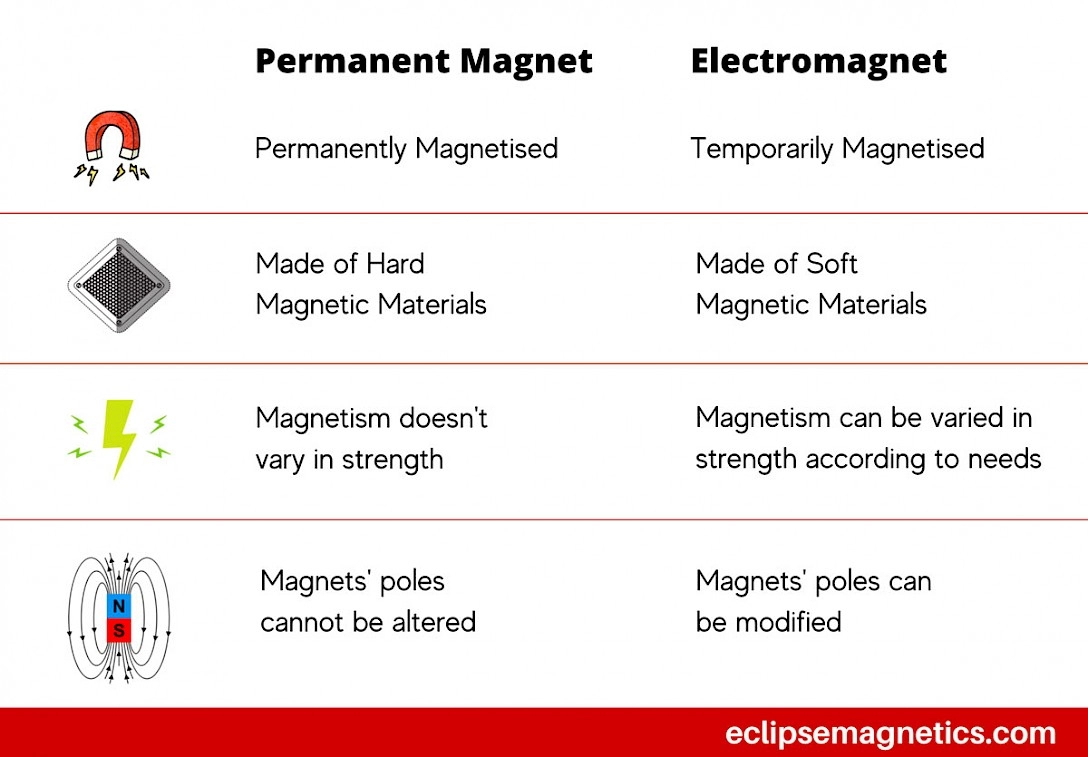
A permanent magnet is an object made from material that maintains a constant magnetic field without needing electricity. It works because the magnetic domains inside the material are aligned in one direction, creating a steady magnetic force naturally.
Permanent magnets are often made from materials like neodymium and ferrite, which offer strong magnetic performance. NBAEM specializes in supplying high-quality neodymium magnets known for their powerful and reliable magnetic strength. These materials keep their magnetism over time, making them ideal for long-lasting use.
Some common characteristics of permanent magnets include:
- Strong, consistent magnetic field
- No energy consumption to maintain magnetism
- Durable with good resistance to demagnetization
Typical uses for permanent magnets include motors, sensors, and speakers — devices that require a stable magnetic force without extra power input. NBAEM’s neodymium magnets are especially popular in these areas due to their compact size and high magnetic energy.
What is an Electromagnet

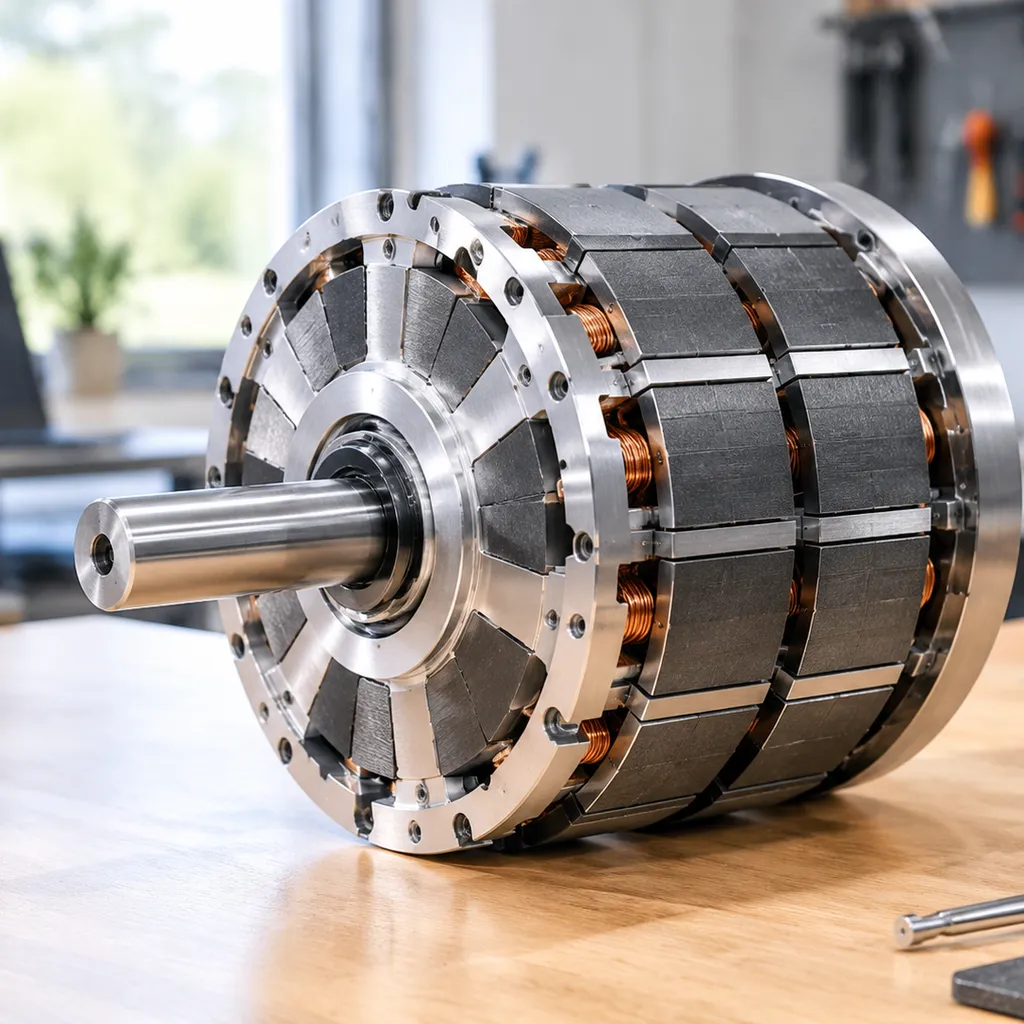
An electromagnet is a type of magnet where the magnetic field is created by an electric current flowing through a wire coil. When electricity passes through the coil, it generates a magnetic field around it, turning the coil into a magnet. If the current stops, the magnetic field disappears, making electromagnets temporary magnets.
Electromagnets usually have a core made from soft magnetic materials like iron or steel, which helps concentrate and strengthen the magnetic field. The coil windings are tightly wrapped around this core to maximize the effect.
One of the biggest advantages of electromagnets is that you can control their strength by adjusting the electric current. More current means a stronger magnet; less current makes it weaker. This controllability makes electromagnets very useful in many industries.
Common applications include cranes that use electromagnets to lift heavy metal objects, MRI machines where strong magnetic fields are essential for imaging, and electrical relays that rely on controlled magnets to switch circuits on and off. For more on materials used in magnets, check out NBAEM’s detailed insights on pehmete magnetiliste materjalide vs kõvade magnetiliste materjalidega.
Key Differences Between Electromagnet and Permanent Magnet
Understanding the differences between electromagnets and permanent magnets helps in choosing the right type for your needs. Here’s a breakdown of the main distinctions:
| omadus | Elektromagnet | Püsiv magnet |
|---|---|---|
| Source of Magnetism | Electric current flowing through coil | Intrinsic magnetic material |
| Tugevus | Adjustable by changing current | Fixed strength based on material |
| Control | Can turn magnetism on/off or vary it | Always magnetized |
| Power Consumption | Requires continuous electricity | No power needed |
| cURL Too many subrequests by single Worker invocation. To configure this limit, refer to https://developers.cloudflare.com/workers/wrangler/configuration/#limits | Energy used to maintain magnetism | Works without energy input |
| Heat Generation | Can heat up due to current | cURL Too many subrequests by single Worker invocation. To configure this limit, refer to https://developers.cloudflare.com/workers/wrangler/configuration/#limits |
| cURL Too many subrequests by single Worker invocation. To configure this limit, refer to https://developers.cloudflare.com/workers/wrangler/configuration/#limits | cURL Too many subrequests by single Worker invocation. To configure this limit, refer to https://developers.cloudflare.com/workers/wrangler/configuration/#limits | cURL Too many subrequests by single Worker invocation. To configure this limit, refer to https://developers.cloudflare.com/workers/wrangler/configuration/#limits |
| cURL Too many subrequests by single Worker invocation. To configure this limit, refer to https://developers.cloudflare.com/workers/wrangler/configuration/#limits | cURL Too many subrequests by single Worker invocation. To configure this limit, refer to https://developers.cloudflare.com/workers/wrangler/configuration/#limits | cURL Too many subrequests by single Worker invocation. To configure this limit, refer to https://developers.cloudflare.com/workers/wrangler/configuration/#limits |
| Maksumus | cURL Too many subrequests by single Worker invocation. To configure this limit, refer to https://developers.cloudflare.com/workers/wrangler/configuration/#limits | cURL Too many subrequests by single Worker invocation. To configure this limit, refer to https://developers.cloudflare.com/workers/wrangler/configuration/#limits |
| cURL Too many subrequests by single Worker invocation. To configure this limit, refer to https://developers.cloudflare.com/workers/wrangler/configuration/#limits | cURL Too many subrequests by single Worker invocation. To configure this limit, refer to https://developers.cloudflare.com/workers/wrangler/configuration/#limits | cURL Too many subrequests by single Worker invocation. To configure this limit, refer to https://developers.cloudflare.com/workers/wrangler/configuration/#limits |
cURL Too many subrequests by single Worker invocation. To configure this limit, refer to https://developers.cloudflare.com/workers/wrangler/configuration/#limits
- Elektromagnetid cURL Too many subrequests by single Worker invocation. To configure this limit, refer to https://developers.cloudflare.com/workers/wrangler/configuration/#limits
- Püsik magnetid cURL Too many subrequests by single Worker invocation. To configure this limit, refer to https://developers.cloudflare.com/workers/wrangler/configuration/#limits
cURL Too many subrequests by single Worker invocation. To configure this limit, refer to https://developers.cloudflare.com/workers/wrangler/configuration/#limits
Eelised ja puudused
cURL Too many subrequests by single Worker invocation. To configure this limit, refer to https://developers.cloudflare.com/workers/wrangler/configuration/#limits
- cURL Too many subrequests by single Worker invocation. To configure this limit, refer to https://developers.cloudflare.com/workers/wrangler/configuration/#limits cURL Too many subrequests by single Worker invocation. To configure this limit, refer to https://developers.cloudflare.com/workers/wrangler/configuration/#limits
- cURL Too many subrequests by single Worker invocation. To configure this limit, refer to https://developers.cloudflare.com/workers/wrangler/configuration/#limits cURL Too many subrequests by single Worker invocation. To configure this limit, refer to https://developers.cloudflare.com/workers/wrangler/configuration/#limits
- cURL Too many subrequests by single Worker invocation. To configure this limit, refer to https://developers.cloudflare.com/workers/wrangler/configuration/#limits cURL Too many subrequests by single Worker invocation. To configure this limit, refer to https://developers.cloudflare.com/workers/wrangler/configuration/#limits
- cURL Too many subrequests by single Worker invocation. To configure this limit, refer to https://developers.cloudflare.com/workers/wrangler/configuration/#limits cURL Too many subrequests by single Worker invocation. To configure this limit, refer to https://developers.cloudflare.com/workers/wrangler/configuration/#limits
Advantages of Electromagnets
- Control and flexibility: You can turn them on or off and adjust their strength by changing the electric current.
- High magnetic power: Electromagnets can produce stronger fields than many permanent magnets, which is useful in heavy-duty applications.
- Versatile use: Perfect for applications like cranes, MRI machines, and relays where variable magnetism is needed.
Drawbacks of Permanent Magnets
- Fixed strength: You can’t change the magnetic field once it’s made.
- Limited by materials: Their strength depends on materials like neodymium, which can be expensive or rare.
- Temperature sensitive: Excessive heat can weaken them permanently.
Drawbacks of Electromagnets
- Power consumption: They need constant electricity to work, which can increase operating costs.
- Heat generation: Running current causes heat, requiring cooling systems in some cases.
- Heavier and bulkier: Due to coils and power supplies, they’re usually larger and heavier than permanent magnets.
- Maintenance needs: More components mean more potential points of failure and maintenance requirements.
Rakendused ja tööstusharus kasutusjuhtumid
When it comes to choosing between electromagnets and permanent magnets, the right pick often depends on the specific application and industry needs.
Where Permanent Magnets Shine
Permanent magnets are preferred in devices that need a constant magnetic field without extra power. They’re common in:
- Mootorid: Especially in small to medium motors where efficiency and size matter.
- Speakers: To create sound without needing electricity for the magnet itself.
- Andurid: For reliable, low-maintenance magnetic sensing.
NBAEM supplies high-quality permanent magnets like neodymium magnets that are ideal for these applications, offering strong magnetic performance and long-lasting durability.
Where Electromagnets Dominate
Electromagnets are the go-to where magnetism needs to be switched on and off or controlled:
- Industrial cranes: For lifting heavy metal loads, turning magnetism on and off saves energy and adds safety.
- MRI seadmed: Precise magnetic fields controlled by electricity are crucial here.
- cURL Too many subrequests by single Worker invocation. To configure this limit, refer to https://developers.cloudflare.com/workers/wrangler/configuration/#limitscURL Too many subrequests by single Worker invocation. To configure this limit, refer to https://developers.cloudflare.com/workers/wrangler/configuration/#limits
cURL Too many subrequests by single Worker invocation. To configure this limit, refer to https://developers.cloudflare.com/workers/wrangler/configuration/#limits
cURL Too many subrequests by single Worker invocation. To configure this limit, refer to https://developers.cloudflare.com/workers/wrangler/configuration/#limitscURL Too many subrequests by single Worker invocation. To configure this limit, refer to https://developers.cloudflare.com/workers/wrangler/configuration/#limits
- cURL Too many subrequests by single Worker invocation. To configure this limit, refer to https://developers.cloudflare.com/workers/wrangler/configuration/#limits cURL Too many subrequests by single Worker invocation. To configure this limit, refer to https://developers.cloudflare.com/workers/wrangler/configuration/#limitscURL Too many subrequests by single Worker invocation. To configure this limit, refer to https://developers.cloudflare.com/workers/wrangler/configuration/#limits
- Kui vajate cURL Too many subrequests by single Worker invocation. To configure this limit, refer to https://developers.cloudflare.com/workers/wrangler/configuration/#limitscURL Too many subrequests by single Worker invocation. To configure this limit, refer to https://developers.cloudflare.com/workers/wrangler/configuration/#limits
cURL Too many subrequests by single Worker invocation. To configure this limit, refer to https://developers.cloudflare.com/workers/wrangler/configuration/#limits
cURL Too many subrequests by single Worker invocation. To configure this limit, refer to https://developers.cloudflare.com/workers/wrangler/configuration/#limits
cURL Too many subrequests by single Worker invocation. To configure this limit, refer to https://developers.cloudflare.com/workers/wrangler/configuration/#limits
Rakenduste vajadused
- Püsivad magnetid cURL Too many subrequests by single Worker invocation. To configure this limit, refer to https://developers.cloudflare.com/workers/wrangler/configuration/#limits
- Elektromagnetid cURL Too many subrequests by single Worker invocation. To configure this limit, refer to https://developers.cloudflare.com/workers/wrangler/configuration/#limits
Eelarve
| Faktor | Püsivad magnetid | Elektromagnetid |
|---|---|---|
| cURL Too many subrequests by single Worker invocation. To configure this limit, refer to https://developers.cloudflare.com/workers/wrangler/configuration/#limits | cURL Too many subrequests by single Worker invocation. To configure this limit, refer to https://developers.cloudflare.com/workers/wrangler/configuration/#limits | cURL Too many subrequests by single Worker invocation. To configure this limit, refer to https://developers.cloudflare.com/workers/wrangler/configuration/#limits |
| cURL Too many subrequests by single Worker invocation. To configure this limit, refer to https://developers.cloudflare.com/workers/wrangler/configuration/#limits | cURL Too many subrequests by single Worker invocation. To configure this limit, refer to https://developers.cloudflare.com/workers/wrangler/configuration/#limits | cURL Too many subrequests by single Worker invocation. To configure this limit, refer to https://developers.cloudflare.com/workers/wrangler/configuration/#limits |
| Hooldus | cURL Too many subrequests by single Worker invocation. To configure this limit, refer to https://developers.cloudflare.com/workers/wrangler/configuration/#limits | cURL Too many subrequests by single Worker invocation. To configure this limit, refer to https://developers.cloudflare.com/workers/wrangler/configuration/#limits |
cURL Too many subrequests by single Worker invocation. To configure this limit, refer to https://developers.cloudflare.com/workers/wrangler/configuration/#limits
- TugevuscURL Too many subrequests by single Worker invocation. To configure this limit, refer to https://developers.cloudflare.com/workers/wrangler/configuration/#limits
- Control: Electromagnets allow you to change or cut off the magnetic field. Permanent magnets don’t.
- cURL Too many subrequests by single Worker invocation. To configure this limit, refer to https://developers.cloudflare.com/workers/wrangler/configuration/#limits: Permanent magnets can be lighter since they don’t need coils or power supplies.
Keskkonnatundlikkus
- Heat Sensitivity: Permanent magnets, especially neodymium, lose strength at high temperatures. Electromagnets generate heat but can be designed with cooling solutions.
- Power Supply Access: If electricity is limited or unreliable, permanent magnets are safer.
- Safety: Electromagnets can be switched off to reduce accidents; permanent magnets continuously attract metal nearby.
By matching these points to your project’s needs, you can pick the magnet type that fits best without overspending or compromising on performance.
FAQs Related to Electromagnets and Permanent Magnets
Can electromagnets replace permanent magnets?
Electromagnets can replace permanent magnets in some cases, especially where you need control over the magnetic strength. However, they require power to work, so for simple, always-on uses, permanent magnets are usually better.
Are permanent magnets always stronger?
Not always. Some electromagnets can generate much stronger magnetic fields, especially when powered properly. But permanent magnets like neodymium tend to have strong, consistent magnetic force without electricity.
How does temperature affect both magnets?
High temperatures can weaken permanent magnets and sometimes cause them to lose magnetism permanently. Electromagnets can handle heat better, but overheating the coil can damage the wire insulation or reduce efficiency.
What about lifespan?
Permanent magnets generally last longer since they don’t rely on electricity or moving parts. Electromagnets may wear out faster due to heat buildup or electrical failures but can be repaired or replaced more easily.
Safety tips when handling magnets
- Keep magnets away from sensitive electronics and magnetic storage devices.
- Be careful of pinch hazards, especially with strong magnets.
- Avoid exposure to high heat or impact that can damage the magnet.
- Use insulated gloves if handling large electromagnets connected to power.
These tips keep you and your equipment safe when working with either electromagnets or permanent magnets.

 Estonian
 English
 German
 Vietnamese
 Spanish (Mexico)
 Russian
 Turkish
 Polish
 Hindi
 Thai
 Malay
 Korean
 Japanese
 French
 Czech
 Danish
 Dutch
 Finnish
 Italian
 Portuguese (Brazil)
 Portuguese (Portugal)
 Slovenian
 Ukrainian
 Hebrew
 Scottish Gaelic
 Hungarian
 Tagalog
 Spanish (Spain)
 Serbian
 Indonesian
 Slovak
 Dutch (Belgium)
 Persian
 Arabic
 Romanian
 Greek
 Bulgarian

Jäta kommentaar