
Basic Principles How Electricity is Generated Using Magnets What Is a Generator
At its core, a generator is a device that converts mechanical energy into electrical energy. This conversion relies heavily on magnets and the interaction between magnetic fields and conductors. Simply put, when a conductor such as a wire coil moves through a magnetic field, it induces an electric current—a process essential for producing electricity.
Generators are everywhere—from power plants to small backup units powering homes. Despite their variety, all generators operate on one fundamental principle: electromagnetic induction. This means that magnets and coils work together to create a flow of electricity without direct contact, making the process efficient and reliable.
Understanding what a generator is and how it works helps clarify the vital role magnets play in power generation. In everyday terms, think of turning a handle or a turbine spinning. That motion moves magnets or coils so that electricity is produced. This simple yet powerful idea forms the backbone of modern electrical systems, delivering energy to everything from appliances to industrial machinery.
Basic Principles How Electricity is Generated Using Magnets Fundamentals of Magnetism and Electromagnetism
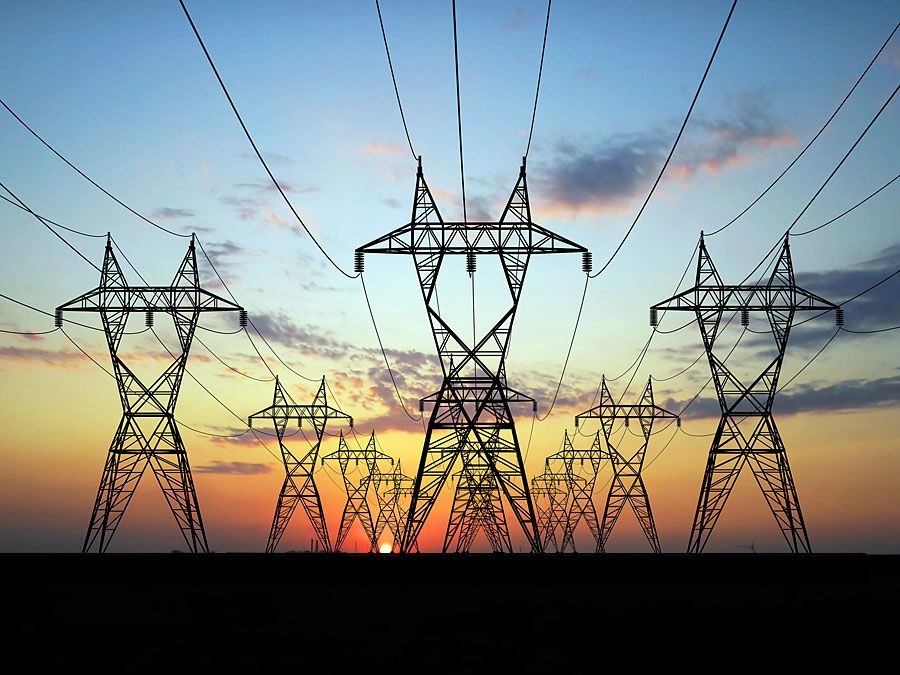
To understand how a generator works, it helps to know a bit about magnetism and electromagnetism. Magnets create magnetic fields, invisible forces that can push or pull certain metals like iron. In a generator, these magnetic fields interact with coils of wire to produce electricity.
Electromagnetism ties together electricity and magnetism. When an electric current flows through a wire, it creates a magnetic field around it. Likewise, moving a wire through a magnetic field—or changing the magnetic field near a wire—causes electricity to flow in that wire. This is the basic idea behind electromagnetic induction in generators.
Electromagnetic Induction The Core Concept
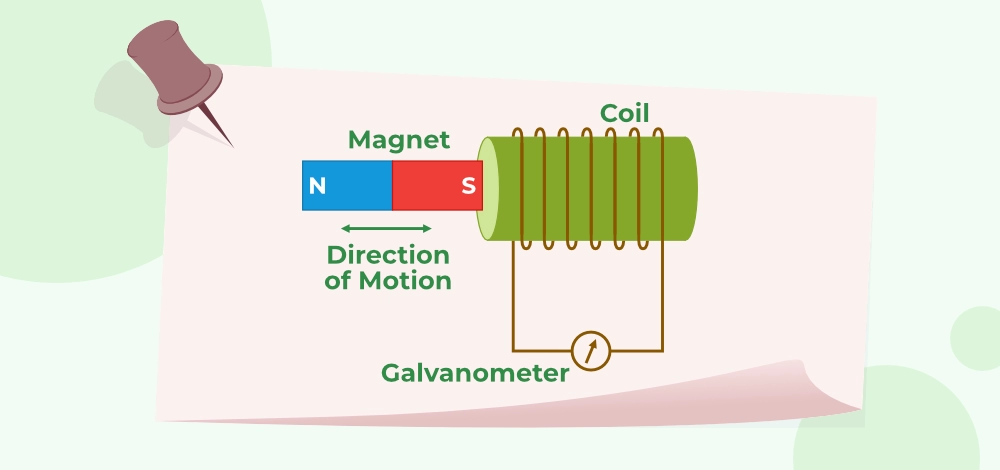
Electromagnetic induction is the main idea behind how magnets work in a generator. When a magnet moves near a coil of wire, it creates a changing magnetic field. This change in the magnetic field causes electric current to flow in the wire. This process is called electromagnetic induction.
Here’s why it matters: as the magnet spins or moves inside the generator, it constantly changes the magnetic flux through the coil. This shifting magnetic flux generates electricity. Without this interaction between the magnet and the coil, no power would be produced.
This principle works in all types of generators, whether they use permanent magnets or electromagnets. The key is having a magnetic field that changes relative to the wire coil to induce a steady flow of electric current. So, understanding electromagnetic induction is essential to grasp how generators produce electricity using magnets.
Role of Magnets in Different Types of Generators Permanent Magnet Generators PMGs
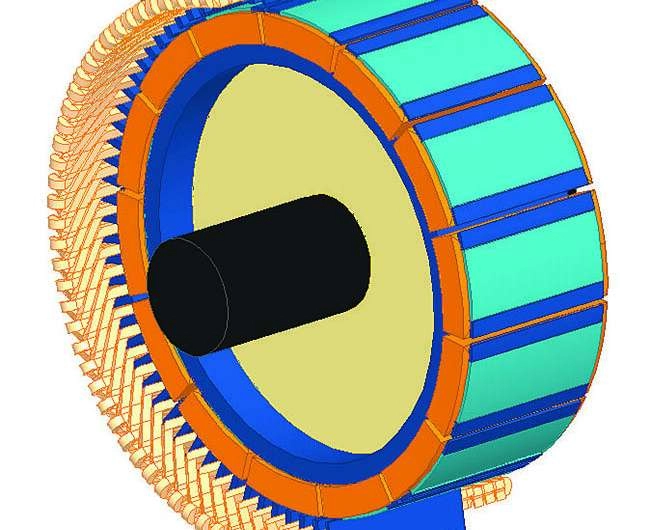
Permanent Magnet Generators (PMGs) use magnets that keep their magnetic field without needing extra power. These magnets are usually made from strong materials like neodymium, which provide a steady magnetic flux. In a PMG, the magnets spin around a coil or the coil spins inside a magnetic field. This movement causes electromagnetic induction, which produces electricity.
Key features of PMGs with magnets:
- Tidak perlu daya eksternal: Magnets create the magnetic field on their own.
- cURL Too many subrequests by single Worker invocation. To configure this limit, refer to https://developers.cloudflare.com/workers/wrangler/configuration/#limitscURL Too many subrequests by single Worker invocation. To configure this limit, refer to https://developers.cloudflare.com/workers/wrangler/configuration/#limits
- cURL Too many subrequests by single Worker invocation. To configure this limit, refer to https://developers.cloudflare.com/workers/wrangler/configuration/#limitscURL Too many subrequests by single Worker invocation. To configure this limit, refer to https://developers.cloudflare.com/workers/wrangler/configuration/#limits
- cURL Too many subrequests by single Worker invocation. To configure this limit, refer to https://developers.cloudflare.com/workers/wrangler/configuration/#limitscURL Too many subrequests by single Worker invocation. To configure this limit, refer to https://developers.cloudflare.com/workers/wrangler/configuration/#limits
PMG magnet types commonly used:
| Jenis Magnet | Kekuatan | cURL Too many subrequests by single Worker invocation. To configure this limit, refer to https://developers.cloudflare.com/workers/wrangler/configuration/#limits | Biaya |
|---|---|---|---|
| Neodymium (NdFeB) | Sangat Tinggi | cURL Too many subrequests by single Worker invocation. To configure this limit, refer to https://developers.cloudflare.com/workers/wrangler/configuration/#limits | Lebih tinggi |
| Ferrit | Sedang | cURL Too many subrequests by single Worker invocation. To configure this limit, refer to https://developers.cloudflare.com/workers/wrangler/configuration/#limits | Lebih rendah |
| Alnico | Cukup Ringan-Sedang | cURL Too many subrequests by single Worker invocation. To configure this limit, refer to https://developers.cloudflare.com/workers/wrangler/configuration/#limits | Sedang |
cURL Too many subrequests by single Worker invocation. To configure this limit, refer to https://developers.cloudflare.com/workers/wrangler/configuration/#limits
Role of Magnets in Different Types of Generators Electromagnetic Generators
cURL Too many subrequests by single Worker invocation. To configure this limit, refer to https://developers.cloudflare.com/workers/wrangler/configuration/#limits cURL Too many subrequests by single Worker invocation. To configure this limit, refer to https://developers.cloudflare.com/workers/wrangler/configuration/#limitscURL Too many subrequests by single Worker invocation. To configure this limit, refer to https://developers.cloudflare.com/workers/wrangler/configuration/#limits
cURL Too many subrequests by single Worker invocation. To configure this limit, refer to https://developers.cloudflare.com/workers/wrangler/configuration/#limits
- cURL Too many subrequests by single Worker invocation. To configure this limit, refer to https://developers.cloudflare.com/workers/wrangler/configuration/#limitscURL Too many subrequests by single Worker invocation. To configure this limit, refer to https://developers.cloudflare.com/workers/wrangler/configuration/#limits
- cURL Too many subrequests by single Worker invocation. To configure this limit, refer to https://developers.cloudflare.com/workers/wrangler/configuration/#limitscURL Too many subrequests by single Worker invocation. To configure this limit, refer to https://developers.cloudflare.com/workers/wrangler/configuration/#limits
- cURL Too many subrequests by single Worker invocation. To configure this limit, refer to https://developers.cloudflare.com/workers/wrangler/configuration/#limitscURL Too many subrequests by single Worker invocation. To configure this limit, refer to https://developers.cloudflare.com/workers/wrangler/configuration/#limits
cURL Too many subrequests by single Worker invocation. To configure this limit, refer to https://developers.cloudflare.com/workers/wrangler/configuration/#limits
| Fitur | Deskripsi |
|---|---|
| cURL Too many subrequests by single Worker invocation. To configure this limit, refer to https://developers.cloudflare.com/workers/wrangler/configuration/#limits | cURL Too many subrequests by single Worker invocation. To configure this limit, refer to https://developers.cloudflare.com/workers/wrangler/configuration/#limits |
| cURL Too many subrequests by single Worker invocation. To configure this limit, refer to https://developers.cloudflare.com/workers/wrangler/configuration/#limits | Ideal for big power plants and industrial setups |
| Pemeliharaan | Requires power to maintain magnetism, slight energy cost |
Electromagnetic generators are common in power plants because they can handle high capacities and provide flexibility in control. Unlike permanent magnets, electromagnetic setups don’t rely on fixed magnets, making them adaptable but dependent on an external power source to keep the magnets energized.
This flexibility is vital for meeting varying power demands in the U.S. energy grid, where reliability and control are key to stable electricity supply.
Role of Magnets in Different Types of Generators Hybrid Systems and Advanced Designs
Hybrid generators combine features from both permanent magnet generators (PMGs) and electromagnetic generators to improve efficiency and flexibility. In these advanced designs, magnets play a crucial role by working alongside electromagnets to optimize power output.
How Hybrid Systems Use Magnets
- Magnet permanen provide a constant magnetic field without needing external power, which reduces energy loss.
- Elektromagnet adjust the magnetic field strength dynamically, allowing better control over output voltage and current.
- This combination helps the generator manage varying loads and speeds more effectively than traditional designs.
Advantages of Hybrid Magnet Systems
| Fitur | Manfaat |
|---|---|
| Stable magnetic flux | Consistent power output |
| Adjustable magnetic fields | Better control and efficiency under load |
| Reduced energy consumption | Lower operating costs |
| Enhanced durability | Longer generator lifespan |
Hybrid generators are common in wind turbines and other renewable energy setups where fluctuating conditions demand adaptable magnet performance.
Why Quality Magnetic Materials Matter NBAEM’s Contribution Magnetic Material Types Used in Generators
The quality of magnetic materials plays a big role in how well generators perform. NBAEM offers a variety of magnetic materials tailored specifically for electric generators, helping improve efficiency and durability. Some common types of magnets used in generators include:
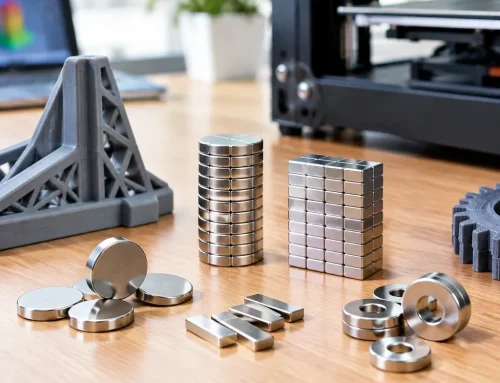
- Neodymium Magnets (NdFeB): Known for their strong magnetic fields and high energy density, neodymium magnets are popular in permanent magnet generators (PMGs). They enable smaller, lighter generators without sacrificing power output.
- Magnet Ferrit: More affordable and corrosion-resistant, ferrite magnets are common in many generators but offer lower magnetic strength compared to neodymium.
- Samarium Cobalt Magnets: Ideal for high-temperature environments, these magnets maintain magnetic properties even under intense heat, making them suitable for certain heavy-duty generators.
NBAEM specializes in providing these magnetic materials with consistent quality, catering to different generator needs across the U.S. market. Their materials ensure stable magnetic flux, which directly impacts the generator coil and magnet interaction, leading to reliable electricity production. For American manufacturers and users, getting magnetic materials from NBAEM means access to both cost-effective and high-performance options suited to various power generation systems.
Material Performance and Generator Efficiency
The quality of magnetic materials plays a big role in how well a generator performs. Stronger and more stable magnets create a stronger magnetic field, which means better electromagnetic induction in generators. This boosts the power output and overall efficiency of the device.
NBAEM provides high-grade magnetic materials known for their excellent magnetic flux density and temperature stability. These properties help generators maintain performance even under tough conditions, like high heat or continuous use. Using materials like neodymium magnets from NBAEM improves the magnetic field strength, making permanent magnet generators (PMGs) and electromagnetic generators more reliable and efficient.
Better magnetic materials also reduce energy losses inside the generator. This means less wasted power and more energy sent to your home or business. In a market where every watt counts, NBAEM’s materials help optimize the generator’s output, supporting cleaner and more cost-effective power production.
Why Quality Magnetic Materials Matter NBAEM’s Contribution Custom Solutions for Various Generator Applications
Every generator application is unique, and choosing the right magnetic materials is key to maximizing performance. NBAEM understands this well, offering custom magnetic solutions tailored to fit specific generator needs across different industries in the U.S. market.
Whether it’s a compact permanent magnet generator for renewable energy or a large electromagnetic generator for industrial use, NBAEM provides magnets with properties suited for optimal magnetic flux and durability. These custom magnets help improve power output, efficiency, and reliability, meeting exact specifications like size, shape, coercivity, and temperature resistance.
NBAEM works closely with clients to select the best magnet types—including neodymium magnets known for their strong magnetic fields or bonded magnets designed for specialized shapes and applications. This flexibility allows manufacturers and maintenance teams to find the perfect balance between cost, performance, and longevity.
By offering tailored magnetic material solutions, NBAEM supports generators in delivering consistent power while reducing maintenance needs and wear. This approach benefits local U.S. customers looking for dependable, high-quality magnets for diverse generator designs.
For more details on how magnet types affect performance, you might find NBAEM’s insights on types of magnetic materials berguna.
Practical Insights How Magnets Affect Generator Performance Efficiency and Power Output
Magnets play a major role in how well a generator performs, directly impacting both efficiency and power output. Stronger magnets create a more intense magnetic field, which helps generate more electricity from the same amount of mechanical energy. This means the generator can produce higher power without needing extra fuel or input energy.
Permanent magnets, especially those made from high-quality materials like neodymium, offer consistent magnetic strength and improve efficiency by reducing energy loss during operation. This leads to better power output and less heat generation, which keeps the generator running smoothly for longer periods. On the other hand, weaker or lower-grade magnets can cause the generator’s output to drop, making it less reliable and more costly to operate.
cURL Too many subrequests by single Worker invocation. To configure this limit, refer to https://developers.cloudflare.com/workers/wrangler/configuration/#limits cURL Too many subrequests by single Worker invocation. To configure this limit, refer to https://developers.cloudflare.com/workers/wrangler/configuration/#limits, cURL Too many subrequests by single Worker invocation. To configure this limit, refer to https://developers.cloudflare.com/workers/wrangler/configuration/#limits
cURL Too many subrequests by single Worker invocation. To configure this limit, refer to https://developers.cloudflare.com/workers/wrangler/configuration/#limits
Longevity and Maintenance Considerations
cURL Too many subrequests by single Worker invocation. To configure this limit, refer to https://developers.cloudflare.com/workers/wrangler/configuration/#limits
cURL Too many subrequests by single Worker invocation. To configure this limit, refer to https://developers.cloudflare.com/workers/wrangler/configuration/#limits
cURL Too many subrequests by single Worker invocation. To configure this limit, refer to https://developers.cloudflare.com/workers/wrangler/configuration/#limits
cURL Too many subrequests by single Worker invocation. To configure this limit, refer to https://developers.cloudflare.com/workers/wrangler/configuration/#limits
Practical Insights How Magnets Affect Generator Performance Environmental and Economic Benefits
cURL Too many subrequests by single Worker invocation. To configure this limit, refer to https://developers.cloudflare.com/workers/wrangler/configuration/#limits
cURL Too many subrequests by single Worker invocation. To configure this limit, refer to https://developers.cloudflare.com/workers/wrangler/configuration/#limits
- cURL Too many subrequests by single Worker invocation. To configure this limit, refer to https://developers.cloudflare.com/workers/wrangler/configuration/#limits cURL Too many subrequests by single Worker invocation. To configure this limit, refer to https://developers.cloudflare.com/workers/wrangler/configuration/#limits
- cURL Too many subrequests by single Worker invocation. To configure this limit, refer to https://developers.cloudflare.com/workers/wrangler/configuration/#limits cURL Too many subrequests by single Worker invocation. To configure this limit, refer to https://developers.cloudflare.com/workers/wrangler/configuration/#limits
- cURL Too many subrequests by single Worker invocation. To configure this limit, refer to https://developers.cloudflare.com/workers/wrangler/configuration/#limits cURL Too many subrequests by single Worker invocation. To configure this limit, refer to https://developers.cloudflare.com/workers/wrangler/configuration/#limits
- cURL Too many subrequests by single Worker invocation. To configure this limit, refer to https://developers.cloudflare.com/workers/wrangler/configuration/#limits cURL Too many subrequests by single Worker invocation. To configure this limit, refer to https://developers.cloudflare.com/workers/wrangler/configuration/#limits
cURL Too many subrequests by single Worker invocation. To configure this limit, refer to https://developers.cloudflare.com/workers/wrangler/configuration/#limits
| Manfaat | Penjelasan |
|---|---|
| cURL Too many subrequests by single Worker invocation. To configure this limit, refer to https://developers.cloudflare.com/workers/wrangler/configuration/#limits | cURL Too many subrequests by single Worker invocation. To configure this limit, refer to https://developers.cloudflare.com/workers/wrangler/configuration/#limits |
| cURL Too many subrequests by single Worker invocation. To configure this limit, refer to https://developers.cloudflare.com/workers/wrangler/configuration/#limits | cURL Too many subrequests by single Worker invocation. To configure this limit, refer to https://developers.cloudflare.com/workers/wrangler/configuration/#limits |
| cURL Too many subrequests by single Worker invocation. To configure this limit, refer to https://developers.cloudflare.com/workers/wrangler/configuration/#limits | cURL Too many subrequests by single Worker invocation. To configure this limit, refer to https://developers.cloudflare.com/workers/wrangler/configuration/#limits |
| Lower fuel consumption | Efficient magnets cut fuel usage in generators powered by combustion. |
Investing in high-grade magnetic materials helps deliver reliable power with less environmental impact and lower operating costs. This balance is especially important for U.S. households and businesses aiming for sustainable, affordable energy solutions.
Common Misconceptions and FAQs about Magnets in Generators
Many people misunderstand how magnets work inside generators. Here are some common misconceptions cleared up and quick answers to frequent questions.
Misconception 1: Magnets produce electricity on their own
Magnets don’t create electricity by themselves. They help generate electricity by creating a magnetic field that interacts with coils of wire. This interaction, called electromagnetic induction, is what actually produces electric current.
Misconception 2: Stronger magnets always mean a better generator
While strong magnets like neodymium magnets improve efficiency, other factors such as coil design, rotation speed, and material quality also play crucial roles. Simply using stronger magnets isn’t a guarantee of higher power output.
Misconception 3: All generators use permanent magnets
There are many types of generators. Some use permanent magnets (like PMGs), while others rely on electromagnets that need an external power source to create their magnetic field. Hybrid systems combine both for better performance.
FAQ 1: How long do magnets last in generators?
Quality magnets, especially rare-earth types, can last many years without significant loss of magnetism. However, factors like heat and physical damage can reduce their lifespan. Learn how long neodymium magnets last for more insights.
FAQ 2: Can magnets in generators demagnetize over time?
Yes, magnets can lose strength due to heat, strong external magnetic fields, or physical shock. But good-quality magnets are made to resist this. You can also remagnetize some magnets if needed.
FAQ 3: Why do some generators use electromagnets instead of permanent magnets?
Electromagnets allow control over the magnetic field strength, which is helpful for larger generators or where variable power output is needed. However, they require additional energy to power the magnets themselves.
FAQ 4: What types of magnets are commonly used in generators?
Permanent magnets like neodymium, samarium-cobalt, and ceramic magnets are popular in smaller to mid-sized generators. Bigger power plants often use electromagnets due to the need for adjustable fields.
 Indonesian
 English
 German
 Vietnamese
 Spanish (Mexico)
 Russian
 Turkish
 Polish
 Hindi
 Thai
 Malay
 Korean
 Japanese
 French
 Czech
 Danish
 Dutch
 Finnish
 Italian
 Portuguese (Brazil)
 Portuguese (Portugal)
 Slovenian
 Ukrainian
 Hebrew
 Scottish Gaelic
 Hungarian
 Tagalog
 Spanish (Spain)
 Serbian
 Slovak
 Dutch (Belgium)
 Persian
 Arabic
 Romanian
 Estonian
 Greek
 Bulgarian

pretendo montar um gerador de energia em área rural onde não há energia, com capacidade aproximada de 20k