
In this post, you’ll discover the many ways magnets function across different industries, why choosing the right magnet matters, and how leading suppliers like NBAEM provide tailored solutions to meet modern demands. Ready to unlock the power behind magnets and see how they influence the world around you? Let’s get started!
Basic Understanding of Magnets
If you’ve ever wondered what a magnet really is and why it works, let’s break it down simply. A magnet is an object that produces a magnetic field, which attracts certain materials like iron, nickel, and cobalt. This force that magnets create is called magnetism. It’s a natural phenomenon caused by the movement of electric charges within atoms.
There are three main types of magnets:
- Natural magnets: Found in nature like lodestone, these are rare and have magnetic properties without any treatment.
- Magnet permanen: Made from materials like neodymium or ferrite, they retain their magnetism over time without power.
- Elektromagnet: Created by running electric current through a coil of wire, these magnets can be switched on or off.
Understanding magnets also means knowing their key properties:
- Attraction: Magnets pull magnetic materials toward them.
- Medan magnet: The invisible area around a magnet where its force acts.
- Kebalikan muatan: Every magnet has two poles—north and south—and opposite poles attract while like poles repel.
These fundamentals shape how magnets are used across different applications, from simple fridge magnets to advanced industrial tools.
Common Uses of Magnets in Daily Life

Magnets are everywhere in our daily lives, making many things work smoothly without us even noticing. Around the house, you probably have refrigerator magnets holding up notes or kids’ artwork. Magnetic clasps on purses, jewelry, and some bags make opening and closing quick and easy. Magnetic tools like screwdrivers with magnetic tips help keep screws from dropping, which is a simple but handy use.
Magnets also play a big role in education. Teachers use them for science experiments and demonstrations to explain magnetism and physics concepts. Magnetic teaching aids are common in classrooms, helping students visualize how magnets attract and repel.
When it comes to personal gadgets, magnets are essential. Speakers and headphones use magnets to produce sound, while your mobile phone relies on tiny magnets in components like vibration motors and sensors. Magnets help these devices run efficiently, making them a key part of the electronics you use every day.
Industrial Applications of Magnets
Magnets play a huge role in many industries across the U.S., making manufacturing and automation smoother and more efficient. In factories, magnetic lifting devices help move heavy metal parts effortlessly, while magnetic separators clear out unwanted metal debris from raw materials. Conveyor belts often use magnets to hold or sort items, speeding up production lines.
In the electronics industry, magnets are vital components. Hard disk drives rely on precise magnetic fields to store data, and sensors use magnets to detect position, speed, or pressure. MRI machines, well-known in healthcare, use powerful magnets to create detailed images of the body.
The automotive sector also depends on magnets. Electric motors in vehicles use permanent magnets to convert electrical energy into motion. Sensors employing magnets monitor everything from wheel speed to engine performance, and anti-theft systems often include magnetic elements for security.
Renewable energy benefits from magnets in wind turbines, where they generate electricity by converting mechanical motion into electrical current. This makes magnets essential for green energy growth. Another cutting-edge use is in magnetic refrigeration technology, which promises energy-efficient cooling with fewer harmful chemicals.
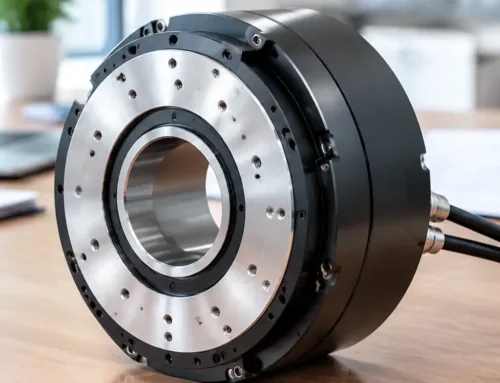
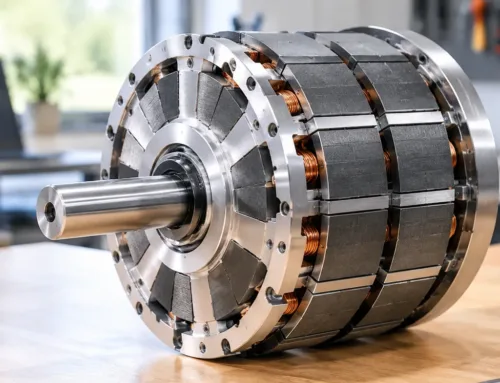
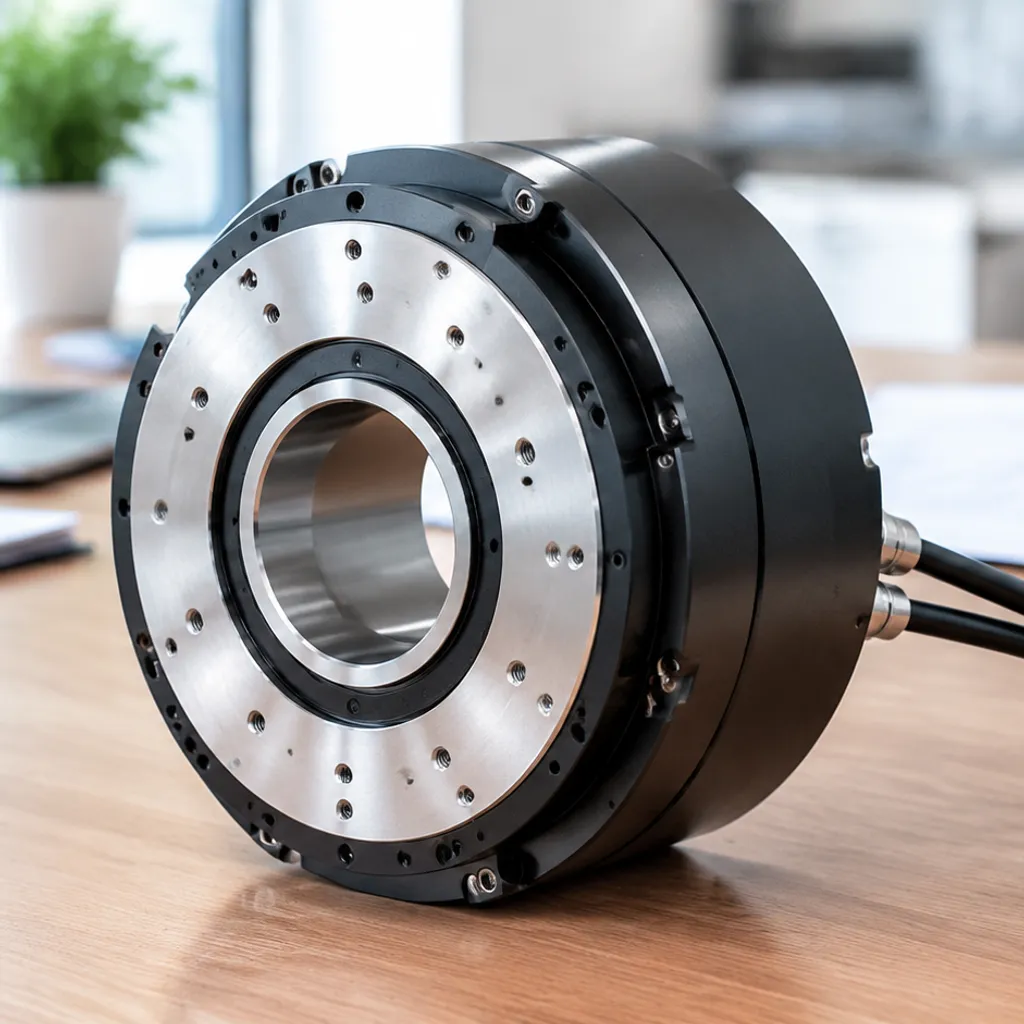
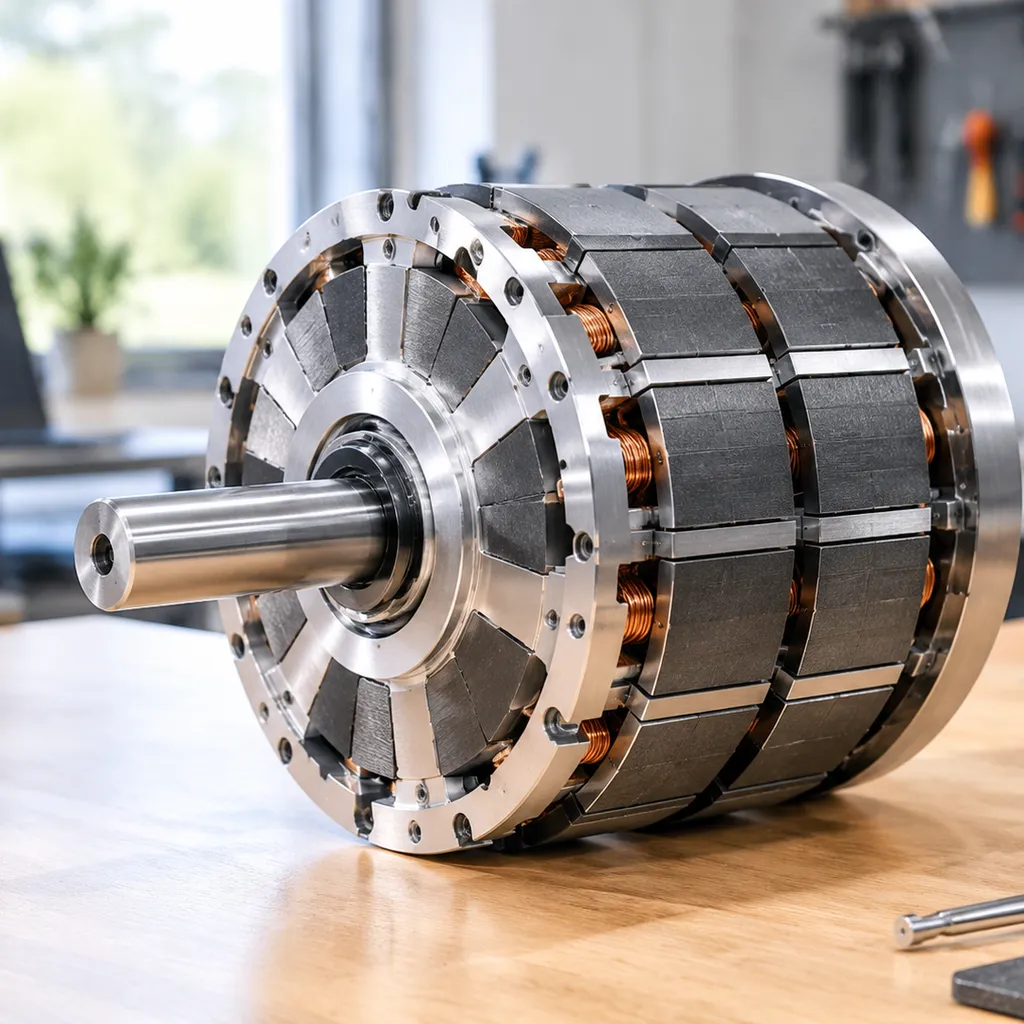
If you’re curious about magnets used in motors, check out this detailed resource on permanent magnets in coreless motors. Industrial magnets supplier NBAEM offers a wide range of magnetic materials suitable for these applications.
Specialized Uses in High Tech Fields
Magnets play a crucial role in several high-tech industries that impact our daily lives in powerful ways. In medicine, magnets are key components in MRI machines, where strong magnetic fields help create detailed images of the inside of your body without surgery. Magnetic implants are also used in various medical devices, improving patient care and treatment.
In aerospace, magnets help with precise navigation instruments and satellite components, ensuring reliable communication and positioning for everything from flights to GPS systems.
Research and science benefit greatly from magnets too. Particle accelerators use powerful magnets to speed up particles for experiments that expand our understanding of physics. Magnetic resonance spectroscopy is another technique that uses magnets to analyze chemical structures, helping in materials science and pharmaceutical research.
These specialized uses show how magnets go beyond everyday life and play a vital part in cutting-edge technology across multiple advanced fields.
cURL Too many subrequests by single Worker invocation. To configure this limit, refer to https://developers.cloudflare.com/workers/wrangler/configuration/#limits
cURL Too many subrequests by single Worker invocation. To configure this limit, refer to https://developers.cloudflare.com/workers/wrangler/configuration/#limits cURL Too many subrequests by single Worker invocation. To configure this limit, refer to https://developers.cloudflare.com/workers/wrangler/configuration/#limits, SmCo (samarium cobalt) magnets, dan magnet ferritecURL Too many subrequests by single Worker invocation. To configure this limit, refer to https://developers.cloudflare.com/workers/wrangler/configuration/#limits
- Magnit NdFeB cURL Too many subrequests by single Worker invocation. To configure this limit, refer to https://developers.cloudflare.com/workers/wrangler/configuration/#limits
- Magnet SmCo cURL Too many subrequests by single Worker invocation. To configure this limit, refer to https://developers.cloudflare.com/workers/wrangler/configuration/#limits
- Magnet ferit cURL Too many subrequests by single Worker invocation. To configure this limit, refer to https://developers.cloudflare.com/workers/wrangler/configuration/#limits
cURL Too many subrequests by single Worker invocation. To configure this limit, refer to https://developers.cloudflare.com/workers/wrangler/configuration/#limits pilihan kustomisasi luas cURL Too many subrequests by single Worker invocation. To configure this limit, refer to https://developers.cloudflare.com/workers/wrangler/configuration/#limits
cURL Too many subrequests by single Worker invocation. To configure this limit, refer to https://developers.cloudflare.com/workers/wrangler/configuration/#limits
cURL Too many subrequests by single Worker invocation. To configure this limit, refer to https://developers.cloudflare.com/workers/wrangler/configuration/#limits
cURL Too many subrequests by single Worker invocation. To configure this limit, refer to https://developers.cloudflare.com/workers/wrangler/configuration/#limits
- KekuatancURL Too many subrequests by single Worker invocation. To configure this limit, refer to https://developers.cloudflare.com/workers/wrangler/configuration/#limits
- Ketahanan TemperaturcURL Too many subrequests by single Worker invocation. To configure this limit, refer to https://developers.cloudflare.com/workers/wrangler/configuration/#limits
- Ketahanan KorosicURL Too many subrequests by single Worker invocation. To configure this limit, refer to https://developers.cloudflare.com/workers/wrangler/configuration/#limits
- Ukuran dan BentukcURL Too many subrequests by single Worker invocation. To configure this limit, refer to https://developers.cloudflare.com/workers/wrangler/configuration/#limits
cURL Too many subrequests by single Worker invocation. To configure this limit, refer to https://developers.cloudflare.com/workers/wrangler/configuration/#limits
- cURL Too many subrequests by single Worker invocation. To configure this limit, refer to https://developers.cloudflare.com/workers/wrangler/configuration/#limits
- cURL Too many subrequests by single Worker invocation. To configure this limit, refer to https://developers.cloudflare.com/workers/wrangler/configuration/#limits
- cURL Too many subrequests by single Worker invocation. To configure this limit, refer to https://developers.cloudflare.com/workers/wrangler/configuration/#limits
cURL Too many subrequests by single Worker invocation. To configure this limit, refer to https://developers.cloudflare.com/workers/wrangler/configuration/#limits
cURL Too many subrequests by single Worker invocation. To configure this limit, refer to https://developers.cloudflare.com/workers/wrangler/configuration/#limits
cURL Too many subrequests by single Worker invocation. To configure this limit, refer to https://developers.cloudflare.com/workers/wrangler/configuration/#limits
cURL Too many subrequests by single Worker invocation. To configure this limit, refer to https://developers.cloudflare.com/workers/wrangler/configuration/#limits
cURL Too many subrequests by single Worker invocation. To configure this limit, refer to https://developers.cloudflare.com/workers/wrangler/configuration/#limits
Beyond energy, magnets are playing a growing role in cool tech like the Internet of Things (IoT) and robotics. Tiny, precise magnets help sensors and devices communicate and function smoothly. From smart home gadgets to automated robots used in manufacturing, magnets keep things connected and running.
In short, whether it’s electric vehicles, green energy, or smart technology, magnets will be a key part of America’s future technological landscape. Businesses and consumers alike benefit from these advancements, as magnets become more powerful, versatile, and essential to everyday life.


 Indonesian
 English
 German
 Vietnamese
 Spanish (Mexico)
 Russian
 Turkish
 Polish
 Hindi
 Thai
 Malay
 Korean
 Japanese
 French
 Czech
 Danish
 Dutch
 Finnish
 Italian
 Portuguese (Brazil)
 Portuguese (Portugal)
 Slovenian
 Ukrainian
 Hebrew
 Scottish Gaelic
 Hungarian
 Tagalog
 Spanish (Spain)
 Serbian
 Slovak
 Dutch (Belgium)
 Persian
 Arabic
 Romanian
 Estonian
 Greek
 Bulgarian

Tinggalkan Komentar