
What Exactly Is a Cylinder Magnet Core Definition and Characteristics
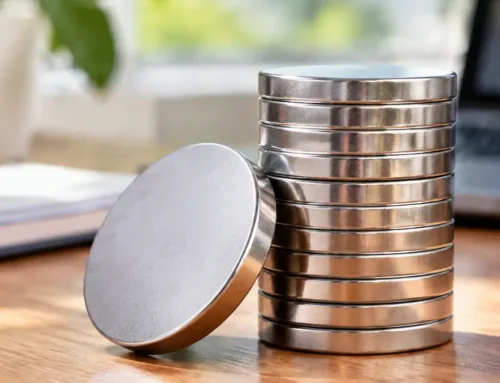
So, what is a cylinder magnet exactly? Simply put, it’s a permanent magnet shaped like a solid rod or cylinder. Most of these magnets are made from neodymium iron boron (NdFeB), a rare earth material known for its exceptionally high magnetic flux density. This means cylinder magnets pack a strong magnetic punch in a compact size.
Cylinder magnets come in various sizes and grades, typically ranging from (Neodimiu, Fier Bor, Boron) variind de la clasele—the higher the number, the stronger the magnetic force. You’ll find them as solid rods or with a central hole, depending on the application needs. These physical traits make cylinder magnets very versatile.
Compared with disc or bar magnets, cylinder magnets often offer better magnetic reach and pull force along their axis. This makes them ideal for applications requiring a focused, strong magnetic field in a small footprint.
At NBAEM, we craft precision-engineered cylinder magnets that meet strict global standards for consistency and performance. Whether you need a standard size or a custom variation, NBAEM’s neodymium rod magnets deliver reliability and strength you can count on.
Explore more about how cylinder magnets stack up against other shapes and why they’re a smart choice for your projects.
How Cylinder Magnets Are Made A Step-by-Step Manufacturing Breakdown

Cylinder magnets usually start with high-quality raw materials—primarily neodymium, iron, and boron powders. NBAEM ensures these are ethically sourced to meet global standards, which is important for consistent magnet performance and reliability.
The production process has several key stages:
- Alloy melting and casting: The neodymium, iron, and boron are melted together into an alloy.
- Pulverizing and pressing: This alloy is ground into fine powder, then pressed into the cylindrical shapes.
- Magnetic alignment: During pressing, the material is exposed to a magnetic field to align the particles for maximum magnetic strength.
- Sinterizare: The pressed pieces are heated just below their melting point, fusing the powder into a solid magnet with enhanced field uniformity.
- Machining: After sintering, the magnets are shaped precisely to size and specifications.
- Coating: Since neodymium magnets can corrode easily, durable coatings like nickel or epoxy are applied to protect against moisture and wear.
- Magnetization: Finally, the magnets are magnetized, meaning they receive their magnetic field through a controlled process.
Quality control is a strict part of this process. The magnets are tested for temperature stability—they must resist demagnetization up to their Curie point (the temperature where magnets lose their strength). NBAEM also customizes magnets based on customer needs, ensuring the right balance of pull force, size, and temperature resistance.
This well-controlled manufacturing process results in cylinder magnets with strong, reliable magnetic fields that work consistently in many applications.
Types and Variations of Cylinder Magnets Choosing the Right One
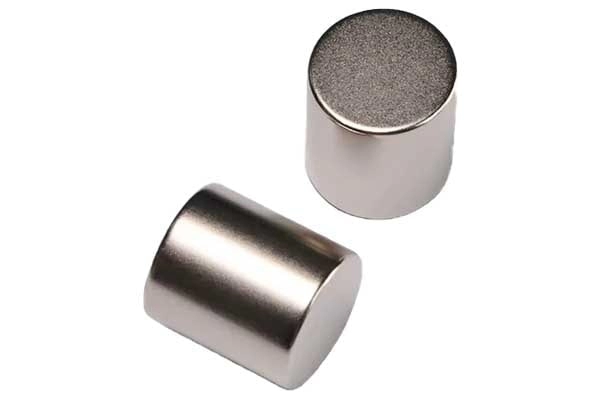
Cylinder magnets come in different materials and styles, so picking the right one depends on what you need.
Material Types
- Neodim: The most common, offers high magnetic field strength and great pull force.
- Samariu Cobalt: More resistant to heat and corrosion, ideal for tougher environments.
- Ceramic: Cost-effective and sturdy, but with lower magnetic strength compared to rare earth magnets.
Magnetization Orientations
- Magnetizarea axială: Magnetized along the cylinder’s length, common for standard uses.
- Diametric Magnetization: Magnetized across the diameter, good when you need side-to-side magnetic fields.
Specialized Variants
- cURL Too many subrequests by single Worker invocation. To configure this limit, refer to https://developers.cloudflare.com/workers/wrangler/configuration/#limitscURL Too many subrequests by single Worker invocation. To configure this limit, refer to https://developers.cloudflare.com/workers/wrangler/configuration/#limits
- cURL Too many subrequests by single Worker invocation. To configure this limit, refer to https://developers.cloudflare.com/workers/wrangler/configuration/#limitscURL Too many subrequests by single Worker invocation. To configure this limit, refer to https://developers.cloudflare.com/workers/wrangler/configuration/#limits
cURL Too many subrequests by single Worker invocation. To configure this limit, refer to https://developers.cloudflare.com/workers/wrangler/configuration/#limits
- Luați în considerare pull force cURL Too many subrequests by single Worker invocation. To configure this limit, refer to https://developers.cloudflare.com/workers/wrangler/configuration/#limits
- cURL Too many subrequests by single Worker invocation. To configure this limit, refer to https://developers.cloudflare.com/workers/wrangler/configuration/#limits temperature limitscURL Too many subrequests by single Worker invocation. To configure this limit, refer to https://developers.cloudflare.com/workers/wrangler/configuration/#limits
- cURL Too many subrequests by single Worker invocation. To configure this limit, refer to https://developers.cloudflare.com/workers/wrangler/configuration/#limits cURL Too many subrequests by single Worker invocation. To configure this limit, refer to https://developers.cloudflare.com/workers/wrangler/configuration/#limits.
cURL Too many subrequests by single Worker invocation. To configure this limit, refer to https://developers.cloudflare.com/workers/wrangler/configuration/#limits
cURL Too many subrequests by single Worker invocation. To configure this limit, refer to https://developers.cloudflare.com/workers/wrangler/configuration/#limits cURL Too many subrequests by single Worker invocation. To configure this limit, refer to https://developers.cloudflare.com/workers/wrangler/configuration/#limits cURL Too many subrequests by single Worker invocation. To configure this limit, refer to https://developers.cloudflare.com/workers/wrangler/configuration/#limits
cURL Too many subrequests by single Worker invocation. To configure this limit, refer to https://developers.cloudflare.com/workers/wrangler/configuration/#limits
cURL Too many subrequests by single Worker invocation. To configure this limit, refer to https://developers.cloudflare.com/workers/wrangler/configuration/#limits
cURL Too many subrequests by single Worker invocation. To configure this limit, refer to https://developers.cloudflare.com/workers/wrangler/configuration/#limits
cURL Too many subrequests by single Worker invocation. To configure this limit, refer to https://developers.cloudflare.com/workers/wrangler/configuration/#limits
cURL Too many subrequests by single Worker invocation. To configure this limit, refer to https://developers.cloudflare.com/workers/wrangler/configuration/#limits
cURL Too many subrequests by single Worker invocation. To configure this limit, refer to https://developers.cloudflare.com/workers/wrangler/configuration/#limits
cURL Too many subrequests by single Worker invocation. To configure this limit, refer to https://developers.cloudflare.com/workers/wrangler/configuration/#limits
- cURL Too many subrequests by single Worker invocation. To configure this limit, refer to https://developers.cloudflare.com/workers/wrangler/configuration/#limitscURL Too many subrequests by single Worker invocation. To configure this limit, refer to https://developers.cloudflare.com/workers/wrangler/configuration/#limits
- cURL Too many subrequests by single Worker invocation. To configure this limit, refer to https://developers.cloudflare.com/workers/wrangler/configuration/#limitscURL Too many subrequests by single Worker invocation. To configure this limit, refer to https://developers.cloudflare.com/workers/wrangler/configuration/#limits
- Rentabil: Compared to custom shapes, standard cylinder magnets are more economical to produce while delivering reliable performance.
- Durability with coatings: Corrosion-resistant coatings like nickel or epoxy extend their life, especially in humid or industrial environments.
However, they do come with some limitations to keep in mind:
- Fragilitate: These rare earth cylinder magnets are hard but fragile, meaning they can chip or crack if dropped or mishandled.
- Temperature sensitivity: Without special high-temperature variants or coatings, their magnetism can weaken above certain temperatures (often around 80°C unless specified otherwise).
- Corrosion risks: Exposed neodymium magnets will rust quickly without plating, so coating is essential for longevity.
Handling and Storage Tips
- Keep magnets away from electronics and magnetic data storage to avoid damage.
- Store them separated or with spacers to prevent sudden snapping together, which may cause chipping.
- Use protective gloves or tools to handle larger magnets safely.
- Always magnetize carefully—rapid magnetization or demagnetization can cause fractures.
NBAEM offers coated cylinder magnets designed to resist corrosion and operate at higher temperatures, helping you avoid common pitfalls. Their custom high-temp neodymium rod magnets provide more stability for demanding applications without sacrificing pull force or durability.
For more on magnet types and material durability, check out Neodymium Magnets vs Ceramic Magnets and understand how Magnetic Anisotropy influences performance.
 Romanian
 English
 German
 Vietnamese
 Spanish (Mexico)
 Russian
 Turkish
 Polish
 Hindi
 Thai
 Malay
 Korean
 Japanese
 French
 Czech
 Danish
 Dutch
 Finnish
 Italian
 Portuguese (Brazil)
 Portuguese (Portugal)
 Slovenian
 Ukrainian
 Hebrew
 Scottish Gaelic
 Hungarian
 Tagalog
 Spanish (Spain)
 Serbian
 Indonesian
 Slovak
 Dutch (Belgium)
 Persian
 Arabic
 Estonian
 Greek
 Bulgarian
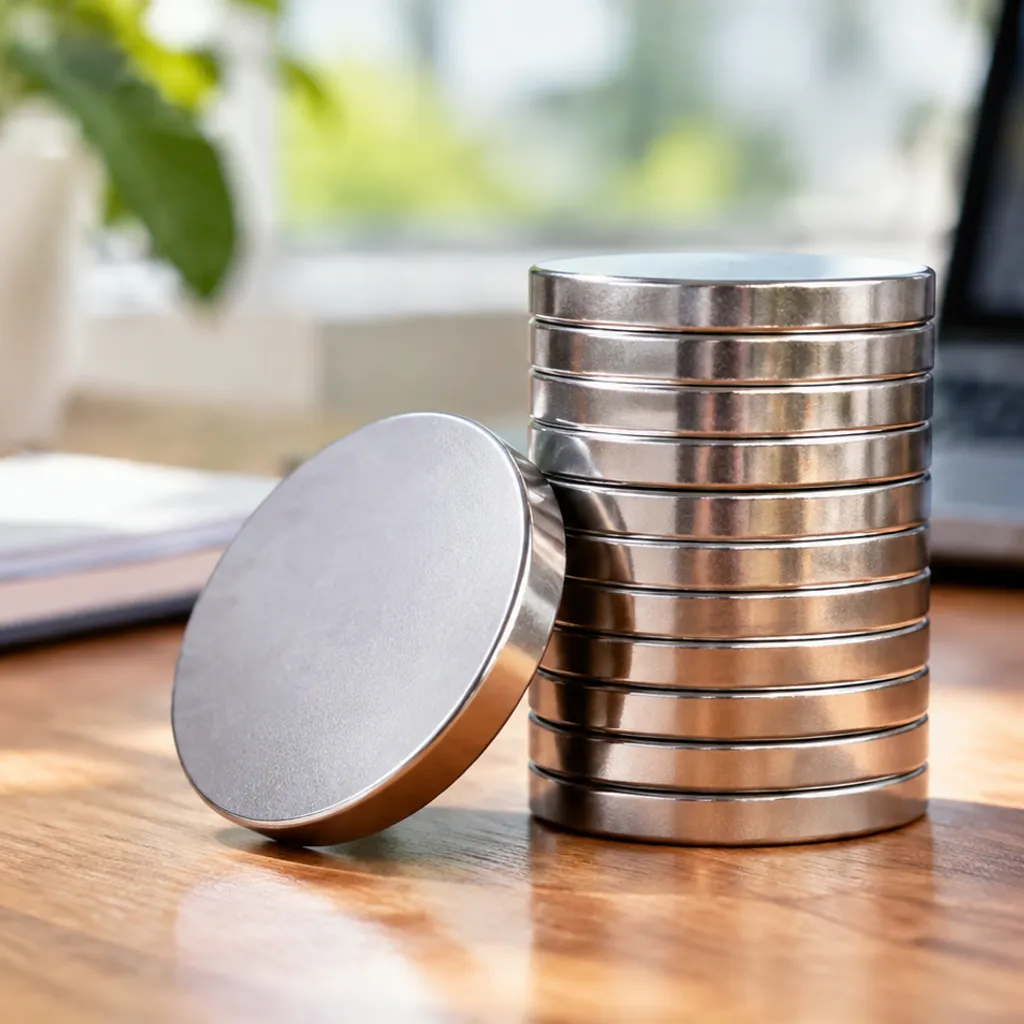
[…] Choosing disc magnets gives you a durable, reliable option that balances size, power, and value perfectly for both professional and home projects. If you want to learn more about different magnet shapes and uses, check out our guide on what is a cylinder magnet. […]