
Definiția histerezisului magnetic
Magnetic hysteresis is a property of ferromagnetic materials where the material’s magnetic response depends not only on the current magnetic field but also on its past exposure to magnetic fields. In simple terms, when you apply a magnetic field to materials like iron, they become magnetized. However, when the magnetic field changes or is removed, these materials don’t instantly lose their magnetization. Instead, they retain some magnetic memory, which causes a lag in their response.
This lagging behavior is explained by the physics of magnetic domains—small regions inside the material where magnetic moments are aligned. When an external magnetic field is applied, these domains grow or shrink but do not immediately return to their original state when the field changes. This creates a looped pattern known as the magnetic hysteresis loop.
The hysteresis loop graphically represents how the magnetization (magnetic flux density) of a material changes in response to the applied magnetic field strength (magnetic field intensity). It reveals key characteristics such as coercivity (resistance to demagnetization) and retentivity (remaining magnetization), critical for understanding and designing magnetic devices.
How Magnetic Hysteresis Works
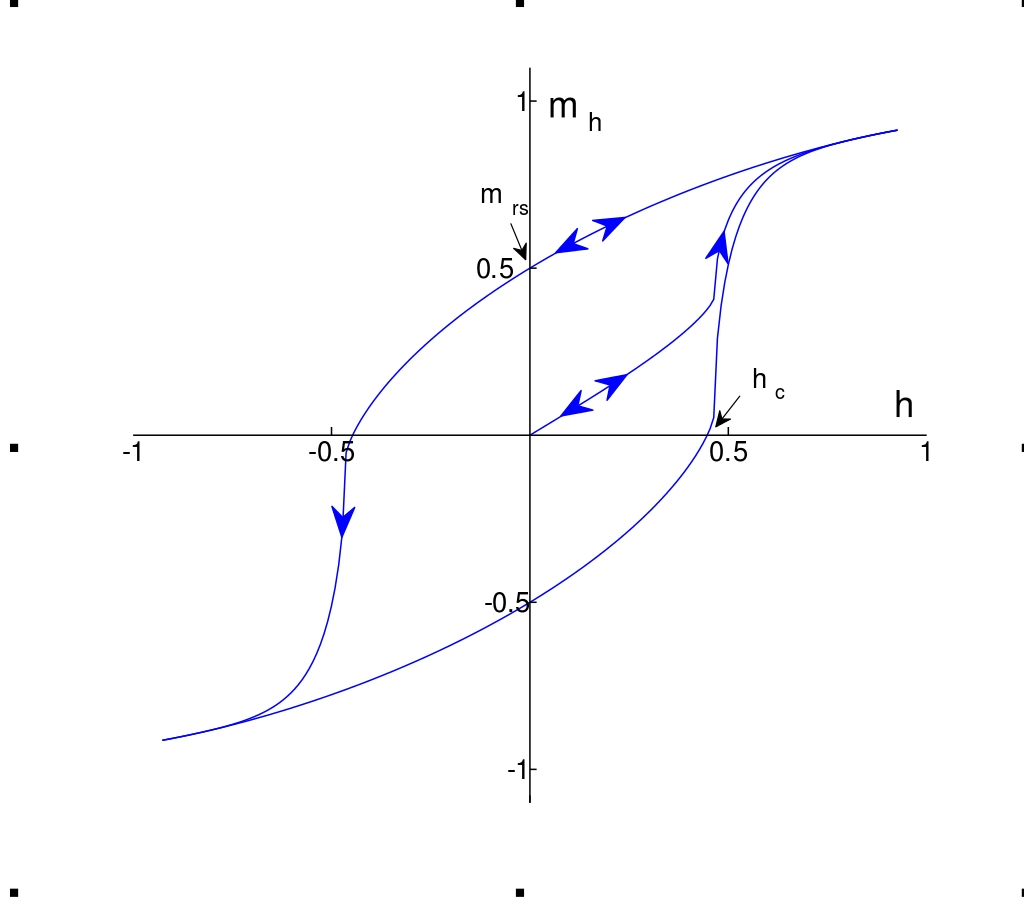
Magnetic hysteresis happens because of the way magnetic materials respond when you magnetize and then demagnetize them. When you apply a magnetic field, the material’s tiny magnetic regions, called domains, start to line up with that field. This alignment is what creates magnetization. But when you take away or reverse the magnetic field, these domains don’t go back to their original state immediately. This lag is what causes the hysteresis effect.
The magnetic hysteresis loop, or B-H curve, is a graph that shows how the material’s magnetic flux density (B) changes with the applied magnetic field strength (H). Important parts of this loop include:
- Coercivitatea: The reverse magnetic field needed to bring the magnetization back to zero. It shows how ‘stubborn’ the magnet is about holding its magnetism.
- Retentivity (or remanence): The amount of leftover magnetization when the external magnetic field is removed. This tells you how much magnetic memory the material retains.
- Magnetizare de saturație: The maximum magnetization a material can reach when all the domains are fully aligned.
Types of Magnetic Materials and Their Hysteresis Characteristics
Magnetic materials mainly fall into two categories: materiale magnetice moi și materiale magnetice dure. Each type shows different hysteresis behavior, which affects their practical use.
Materiale Magnetice Moi
- Have narrow hysteresis loops
- Low coercivity (easy to magnetize and demagnetize)
- Low retentivity (they don’t hold magnetization well)
- Ideal for applications needing quick magnetic response and minimal energy loss
Common Examples:
- Oțel de siliciu
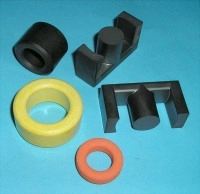
- Ferite
Materiale magnetice dure
- Show wide hysteresis loops
- Coercivitate înaltă (rezistă demagnetizării)
- High retentivity (holds magnetization for a long time)
- Used where permanent magnetization is needed
Common Examples:
- Rare earth magnets (like neodymium and samarium-cobalt)
| Proprietate | Materiale Magnetice Moi | Materiale magnetice dure |
|---|---|---|
| Coercivitatea | Scăzut | Înalt |
| Retentivitate | Scăzut | Înalt |
| Bucla de histereză | Narrow | Wide |
| Energy Loss (Hysteresis Loss) | Scăzut | Superior |
| Aplicație | Transformatoare, inductori | Permanent magnets, motors |
Understanding these differences helps select the right material based on efficiency, magnetic memory needs, and energy consumption—especially critical in the U.S. market for industries like power, electronics, and automotive.
For more on how magnetic materials work, check out this soft vs hard magnetic materials cURL Too many subrequests by single Worker invocation. To configure this limit, refer to https://developers.cloudflare.com/workers/wrangler/configuration/#limits
Significance of Magnetic Hysteresis in Magnetic Materials
Magnetic hysteresis plays a big role in how magnetic materials perform, especially when they’re used in everyday devices. One major issue is energy loss due to hysteresis, often called hysteresis loss. This loss happens because when a magnetic material like a transformer core or motor winding cycles through magnetization and demagnetization (AC applications), it wastes energy as heat. That reduces efficiency and can increase operating costs.
cURL Too many subrequests by single Worker invocation. To configure this limit, refer to https://developers.cloudflare.com/workers/wrangler/configuration/#limits
cURL Too many subrequests by single Worker invocation. To configure this limit, refer to https://developers.cloudflare.com/workers/wrangler/configuration/#limits cURL Too many subrequests by single Worker invocation. To configure this limit, refer to https://developers.cloudflare.com/workers/wrangler/configuration/#limitscURL Too many subrequests by single Worker invocation. To configure this limit, refer to https://developers.cloudflare.com/workers/wrangler/configuration/#limits
cURL Too many subrequests by single Worker invocation. To configure this limit, refer to https://developers.cloudflare.com/workers/wrangler/configuration/#limits
cURL Too many subrequests by single Worker invocation. To configure this limit, refer to https://developers.cloudflare.com/workers/wrangler/configuration/#limits
cURL Too many subrequests by single Worker invocation. To configure this limit, refer to https://developers.cloudflare.com/workers/wrangler/configuration/#limits
cURL Too many subrequests by single Worker invocation. To configure this limit, refer to https://developers.cloudflare.com/workers/wrangler/configuration/#limits
cURL Too many subrequests by single Worker invocation. To configure this limit, refer to https://developers.cloudflare.com/workers/wrangler/configuration/#limits
cURL Too many subrequests by single Worker invocation. To configure this limit, refer to https://developers.cloudflare.com/workers/wrangler/configuration/#limits
cURL Too many subrequests by single Worker invocation. To configure this limit, refer to https://developers.cloudflare.com/workers/wrangler/configuration/#limits
cURL Too many subrequests by single Worker invocation. To configure this limit, refer to https://developers.cloudflare.com/workers/wrangler/configuration/#limits
- Vibrating Sample Magnetometer (VSM): cURL Too many subrequests by single Worker invocation. To configure this limit, refer to https://developers.cloudflare.com/workers/wrangler/configuration/#limits
- cURL Too many subrequests by single Worker invocation. To configure this limit, refer to https://developers.cloudflare.com/workers/wrangler/configuration/#limits cURL Too many subrequests by single Worker invocation. To configure this limit, refer to https://developers.cloudflare.com/workers/wrangler/configuration/#limits
cURL Too many subrequests by single Worker invocation. To configure this limit, refer to https://developers.cloudflare.com/workers/wrangler/configuration/#limits
| Parametru | cURL Too many subrequests by single Worker invocation. To configure this limit, refer to https://developers.cloudflare.com/workers/wrangler/configuration/#limits | De ce contează |
|---|---|---|
| Coercivitatea | cURL Too many subrequests by single Worker invocation. To configure this limit, refer to https://developers.cloudflare.com/workers/wrangler/configuration/#limits | cURL Too many subrequests by single Worker invocation. To configure this limit, refer to https://developers.cloudflare.com/workers/wrangler/configuration/#limits |
| Retentivitate | cURL Too many subrequests by single Worker invocation. To configure this limit, refer to https://developers.cloudflare.com/workers/wrangler/configuration/#limits | cURL Too many subrequests by single Worker invocation. To configure this limit, refer to https://developers.cloudflare.com/workers/wrangler/configuration/#limits |
| cURL Too many subrequests by single Worker invocation. To configure this limit, refer to https://developers.cloudflare.com/workers/wrangler/configuration/#limits | cURL Too many subrequests by single Worker invocation. To configure this limit, refer to https://developers.cloudflare.com/workers/wrangler/configuration/#limits | cURL Too many subrequests by single Worker invocation. To configure this limit, refer to https://developers.cloudflare.com/workers/wrangler/configuration/#limits |
| Pierderea prin isteresis | cURL Too many subrequests by single Worker invocation. To configure this limit, refer to https://developers.cloudflare.com/workers/wrangler/configuration/#limits | cURL Too many subrequests by single Worker invocation. To configure this limit, refer to https://developers.cloudflare.com/workers/wrangler/configuration/#limits |
Manufacturers use these measurements in quality control to ensure materials meet specific standards for performance and efficiency. Consistency in magnetic properties means better reliability in transformers, motors, and storage devices used in the U.S. market.
Minimizing and Controlling Hysteresis Loss
Reducing hysteresis loss starts with choosing the right type of magnetic material. Materiale magnetice moi like silicon steel or ferrites have low coercivity, meaning they magnetize and demagnetize easily with minimal energy loss. These are ideal for transformers and inductors where rapid magnetic changes happen. On the other hand, materiale magnetice dure with high coercivity are great when you want a permanent magnet but generally have higher hysteresis loss.
To further control hysteresis loss, manufacturers often use treatments like:
- Annealing: Heating and slowly cooling materials relieves internal stresses, improving magnetic properties and lowering energy loss.
- Alloying: Adding elements like aluminum, nickel, or cobalt helps tailor magnetic behavior and reduce hysteresis.
Finally, smart design plays a big role. Engineers optimize magnetic device shapes, core sizes, and winding configurations to minimize unnecessary magnetic resistance and energy waste. Using laminated cores or powder cores also helps limit eddy currents, complementing hysteresis loss reduction efforts.
All these strategies combined make magnetic components more efficient and reliable, benefiting everything from transformers to electric motors used across the market.
 Romanian
 English
 German
 Vietnamese
 Spanish (Mexico)
 Russian
 Turkish
 Polish
 Hindi
 Thai
 Malay
 Korean
 Japanese
 French
 Czech
 Danish
 Dutch
 Finnish
 Italian
 Portuguese (Brazil)
 Portuguese (Portugal)
 Slovenian
 Ukrainian
 Hebrew
 Scottish Gaelic
 Hungarian
 Tagalog
 Spanish (Spain)
 Serbian
 Indonesian
 Slovak
 Dutch (Belgium)
 Persian
 Arabic
 Estonian
 Greek
 Bulgarian
[…] At NBAEM, we support customers with tailored advice to fit your specific welding needs. Our industrial-grade neodymium magnets come with specifications suited for various applications, especially useful for hands-free welding tools and reliable ferrous metal positioning. For more on magnetic basics, check out our detailed guide on magnetic hysteresis. […]
[…] Hysteresis Loop […]