
What Is a Magnetic Lifter?

A magnetic lifter is a powerful lifting device designed to securely hold and move heavy ferromagnetic materials like steel plates, bars, and pipes without the need for clamps, chains, or slings. It uses strong magnetic fields to create a firm grip on the metal surface, allowing for safe, efficient lifting and transport.
Typically, a magnetic lifter consists of a robust steel body housing magnets (either permanent magnets or electromagnets), a handle or control mechanism to engage and disengage the magnetic force, and attachment points for cranes or hoists. Its simple yet sturdy design makes it an easy-to-use tool in industrial settings.
Unlike mechanical lifters or cranes that rely on physical clamping or hooking, magnetic lifters eliminate the risk of damaging the material’s surface or losing grip during lifting. This magnetic approach streamlines handling while enhancing safety and reducing handling time in factories, warehouses, and shipyards.
How Magnetic Lifters Work
Magnetic lifters rely on the power of magnetic fields to lift heavy ferromagnetic materials like steel plates or bars. The basic science behind them is simple: when a strong magnetic field is generated, it creates a magnetic force that firmly grips the metal surface, allowing safe lifting and handling without clamps or slings.
There are two main types of magnets used in magnetic lifters:
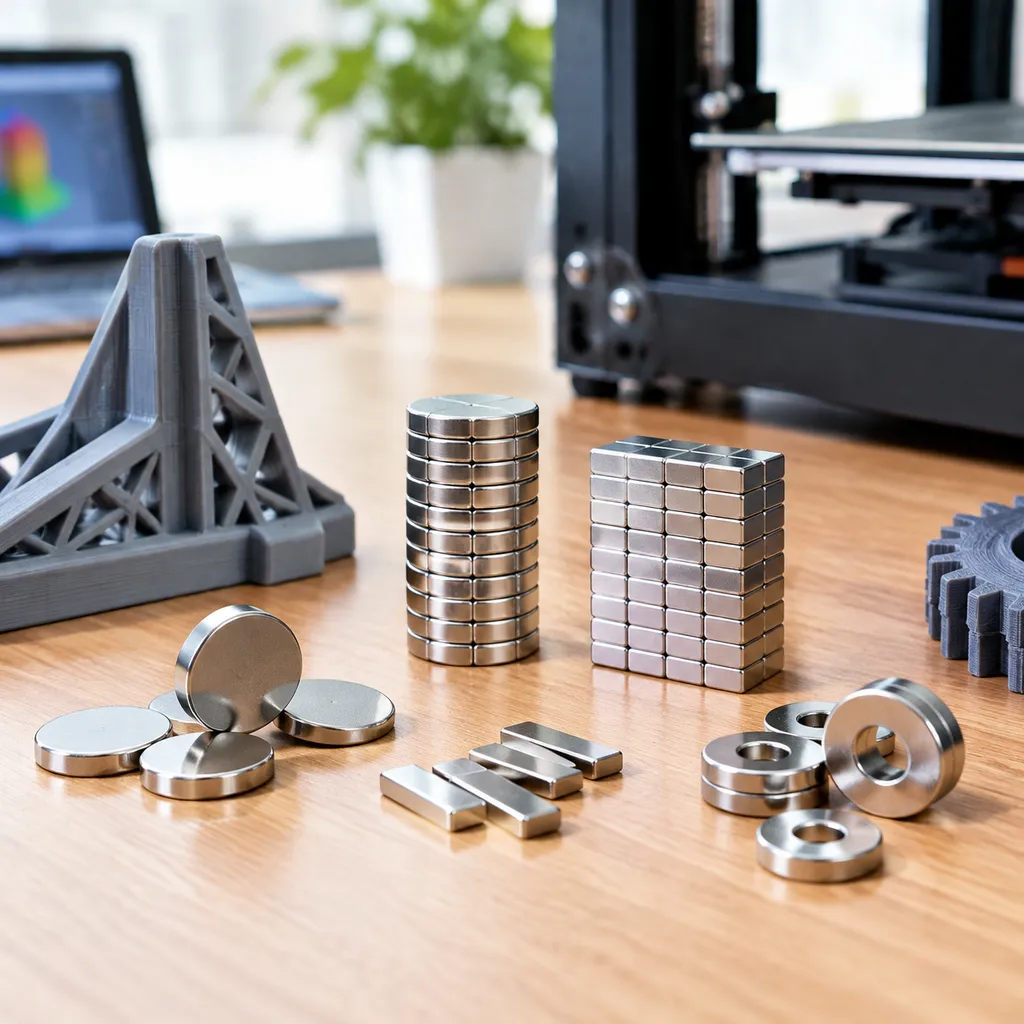
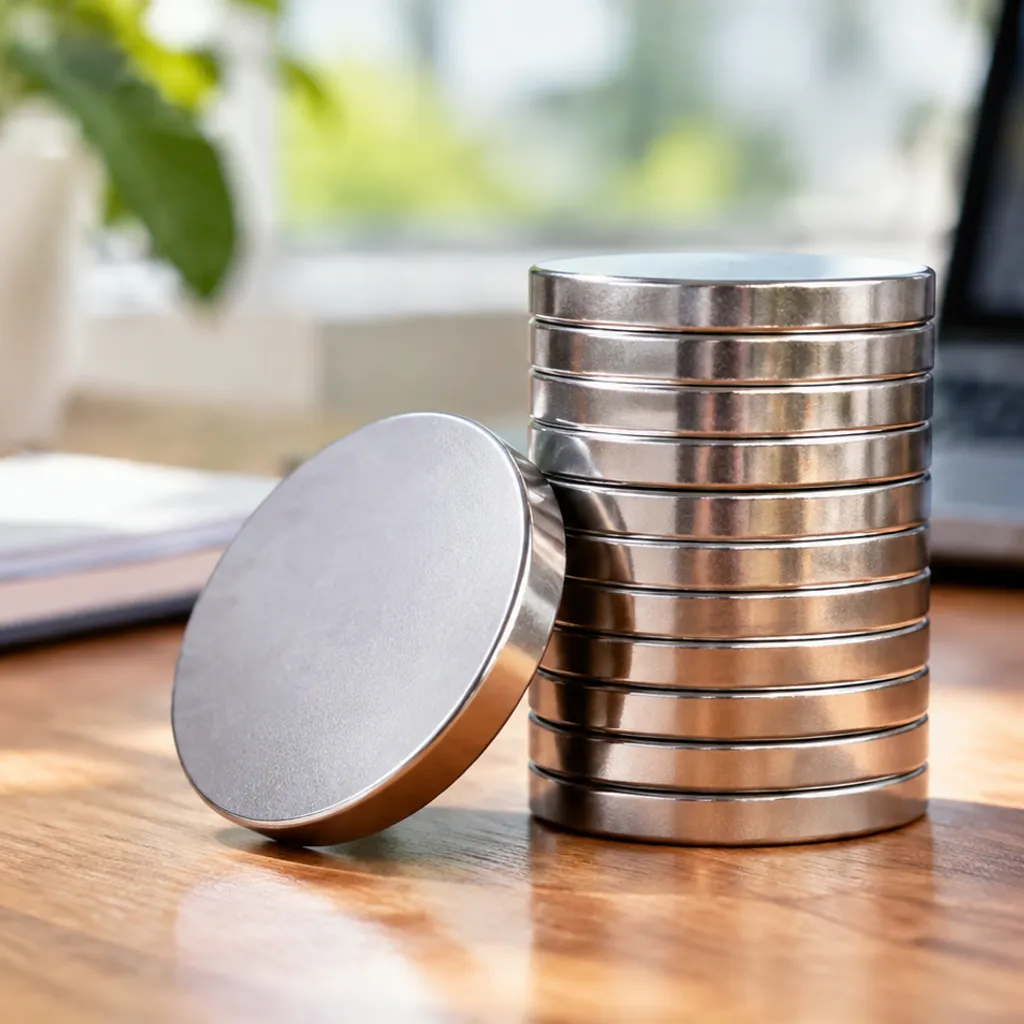
- Magneți permanenți: These use materials like neodymium or samarium-cobalt to produce a constant magnetic field without needing electricity. They often come with a manual lever or switch to turn the magnetic force on or off, providing reliable, energy-free operation.
- Electromagneți: These generate a magnetic field only when electric current passes through a coil. This allows easy control of the magnetic force, often via switches or remote controls, but they need a power source to operate.
Operating mechanisms vary by design:
- Manual lever: The operator physically engages or disengages the magnet using a lever, common in permanent magnetic lifters for straightforward control.
- Automatic engagement: Some advanced systems engage the magnetic force automatically when the lifter contacts the metal surface.
- Remote control: Electromagnetic lifters often come with remote control options, allowing operators to turn the magnet on or off from a distance, improving safety and convenience.
Understanding these basics helps you choose the right magnetic lifter based on your lifting needs and control preferences. For more on magnetic principles and how polarity affects magnetic performance, see this detailed explanation on what polarity means in magnetic fields.
Types of Magnetic Lifters
Magnetic lifters come in several types to match different lifting needs and environments. Here’s a quick look at the main ones:
-
Ridicătoare magnetice permanente
These use strong permanent magnets (often neodymium or ferrite) to generate magnetic force without needing electricity. They’re simple, reliable, and great for continuous use where power supply isn’t available. Activation is usually manual, via a lever or switch, making them energy-efficient and low-maintenance.
-
Electromagnetic Lifters
These lifters rely on electric current to create a magnetic field. They offer adjustable lifting power by controlling the electric current, which makes them versatile for different load sizes. However, they need a steady power source and include safety features to maintain magnetic force in case of power loss.
-
Battery-Powered Magnetic Lifters
A combination of the two above, battery-powered magnetic lifters provide the flexibility of electromagnets without being tethered to a power outlet. They’re ideal for outdoor or remote jobsites where electricity isn’t reliable, combining portability with strong magnetic holding force.
-
Customized Magnetic Lifters
For unique lifting tasks, customized magnetic lifters are designed to meet specific requirements—such as unusual shapes, heavy weights, or special materials. These can include larger sizes, multi-magnet configurations, or precise release controls tailored to complex industrial applications.
Each type serves a particular need, so picking the right magnetic lifter depends on your lifting volume, environment, and power availability. For more insight into the magnets used in lifters, check out our guide on din ce sunt făcute magneții.
Common Applications of Magnetic Lifters
Magnetic lifters are widely used across various industries due to their efficiency and ease of handling ferromagnetic materials like steel plates, pipes, and bars. Here’s where you’ll often find them:
| Industrie | Typical Materials Handled | Beneficii |
|---|---|---|
| Factories | Steel sheets, metal parts | Quick, safe loading and unloading |
| Warehouses | cURL Too many subrequests by single Worker invocation. To configure this limit, refer to https://developers.cloudflare.com/workers/wrangler/configuration/#limits | cURL Too many subrequests by single Worker invocation. To configure this limit, refer to https://developers.cloudflare.com/workers/wrangler/configuration/#limits |
| cURL Too many subrequests by single Worker invocation. To configure this limit, refer to https://developers.cloudflare.com/workers/wrangler/configuration/#limits | cURL Too many subrequests by single Worker invocation. To configure this limit, refer to https://developers.cloudflare.com/workers/wrangler/configuration/#limits | cURL Too many subrequests by single Worker invocation. To configure this limit, refer to https://developers.cloudflare.com/workers/wrangler/configuration/#limits |
| Producție | cURL Too many subrequests by single Worker invocation. To configure this limit, refer to https://developers.cloudflare.com/workers/wrangler/configuration/#limits | cURL Too many subrequests by single Worker invocation. To configure this limit, refer to https://developers.cloudflare.com/workers/wrangler/configuration/#limits |
| cURL Too many subrequests by single Worker invocation. To configure this limit, refer to https://developers.cloudflare.com/workers/wrangler/configuration/#limits | cURL Too many subrequests by single Worker invocation. To configure this limit, refer to https://developers.cloudflare.com/workers/wrangler/configuration/#limits | cURL Too many subrequests by single Worker invocation. To configure this limit, refer to https://developers.cloudflare.com/workers/wrangler/configuration/#limits |
| cURL Too many subrequests by single Worker invocation. To configure this limit, refer to https://developers.cloudflare.com/workers/wrangler/configuration/#limits | cURL Too many subrequests by single Worker invocation. To configure this limit, refer to https://developers.cloudflare.com/workers/wrangler/configuration/#limits | cURL Too many subrequests by single Worker invocation. To configure this limit, refer to https://developers.cloudflare.com/workers/wrangler/configuration/#limits |
cURL Too many subrequests by single Worker invocation. To configure this limit, refer to https://developers.cloudflare.com/workers/wrangler/configuration/#limits
cURL Too many subrequests by single Worker invocation. To configure this limit, refer to https://developers.cloudflare.com/workers/wrangler/configuration/#limits
cURL Too many subrequests by single Worker invocation. To configure this limit, refer to https://developers.cloudflare.com/workers/wrangler/configuration/#limits cURL Too many subrequests by single Worker invocation. To configure this limit, refer to https://developers.cloudflare.com/workers/wrangler/configuration/#limitscURL Too many subrequests by single Worker invocation. To configure this limit, refer to https://developers.cloudflare.com/workers/wrangler/configuration/#limits
cURL Too many subrequests by single Worker invocation. To configure this limit, refer to https://developers.cloudflare.com/workers/wrangler/configuration/#limits cURL Too many subrequests by single Worker invocation. To configure this limit, refer to https://developers.cloudflare.com/workers/wrangler/configuration/#limitscURL Too many subrequests by single Worker invocation. To configure this limit, refer to https://developers.cloudflare.com/workers/wrangler/configuration/#limits
cURL Too many subrequests by single Worker invocation. To configure this limit, refer to https://developers.cloudflare.com/workers/wrangler/configuration/#limits cURL Too many subrequests by single Worker invocation. To configure this limit, refer to https://developers.cloudflare.com/workers/wrangler/configuration/#limitscURL Too many subrequests by single Worker invocation. To configure this limit, refer to https://developers.cloudflare.com/workers/wrangler/configuration/#limits
Portabilitate și ușurința în utilizare cURL Too many subrequests by single Worker invocation. To configure this limit, refer to https://developers.cloudflare.com/workers/wrangler/configuration/#limits
Lastly, by simplifying the lifting process, magnetic lifters help reduce labor intensity. Workers don’t need bulky equipment or complex rigging, lowering physical strain and improving productivity overall.
These advantages make magnetic lifters a smart choice for modern industrial lifting needs.
Important Specifications and Parameters
When choosing a magnetic lifter, knowing the key specifications is crucial to ensure safe and efficient operation. Here are the main parameters to keep in mind:
| Specificație | Descriere |
|---|---|
| Lifting Capacity | Maximum weight the lifter can safely handle. Always confirm the rated load. |
| Material Thickness | Thicker material improves magnetic adhesion; specify minimum thickness for optimal grip. |
| Magnetic Adhesion | The strength of the magnetic field, affected by surface condition and material type. |
| Dimensions & Weight | Overall size and weight of the lifter influence portability and handling ease. |
| Safety Factor | Usually ranges from 3:1 to 5:1, ensuring a margin beyond rated load to prevent accidents. |
| Certification Standards | Compliance with local/international safety standards (e.g., ISO, CE) guarantees quality. |
Notes:
- Always check if the magnetic lifter is certified according to your industry’s safety regulations.
- Lifting capacity depends on the ferromagnetic nature of the material — non-ferrous metals may reduce performance.
- Surface rust, paint, or oil can reduce magnetic adhesion, so consider surface preparation requirements.
Understanding these specs helps you choose the right magnetic lifter that matches your load weight and application needs without risks.
How to Choose the Right Magnetic Lifter for Your Needs
Picking the right magnetic lifter isn’t complicated, but it does need some thought. Here’s what to keep in mind:
Factori cheie de luat în considerare
| Factor | What to Check |
|---|---|
| Load Weight | Ensure the lifter’s lifting capacity exceeds your heaviest load. Never go below requirement. |
| Tip de Material | Check if the material is ferromagnetic (steel, iron). Some lifters work better with specific alloys. |
| Working Environment | Consider temperature, humidity, and exposure to dust or chemicals that might affect magnet performance. |
| Material Thickness | Thicker materials usually hold better. Thin or rusty surfaces can reduce magnetic adhesion. |
| Surface Conditions | Smooth, clean surfaces help the magnet grip fully. Dirt, paint, or rust can reduce effectiveness. |
Balancing Capacity and Load
The magnetic lifter’s rated capacity should have a good safety buffer over your load. This keeps operations safer and extends the life of the equipment.
cURL Too many subrequests by single Worker invocation. To configure this limit, refer to https://developers.cloudflare.com/workers/wrangler/configuration/#limits
cURL Too many subrequests by single Worker invocation. To configure this limit, refer to https://developers.cloudflare.com/workers/wrangler/configuration/#limits forța magnetică.
cURL Too many subrequests by single Worker invocation. To configure this limit, refer to https://developers.cloudflare.com/workers/wrangler/configuration/#limits
cURL Too many subrequests by single Worker invocation. To configure this limit, refer to https://developers.cloudflare.com/workers/wrangler/configuration/#limits
cURL Too many subrequests by single Worker invocation. To configure this limit, refer to https://developers.cloudflare.com/workers/wrangler/configuration/#limits cURL Too many subrequests by single Worker invocation. To configure this limit, refer to https://developers.cloudflare.com/workers/wrangler/configuration/#limits cURL Too many subrequests by single Worker invocation. To configure this limit, refer to https://developers.cloudflare.com/workers/wrangler/configuration/#limits
cURL Too many subrequests by single Worker invocation. To configure this limit, refer to https://developers.cloudflare.com/workers/wrangler/configuration/#limits
- cURL Too many subrequests by single Worker invocation. To configure this limit, refer to https://developers.cloudflare.com/workers/wrangler/configuration/#limits cURL Too many subrequests by single Worker invocation. To configure this limit, refer to https://developers.cloudflare.com/workers/wrangler/configuration/#limits
- cURL Too many subrequests by single Worker invocation. To configure this limit, refer to https://developers.cloudflare.com/workers/wrangler/configuration/#limits cURL Too many subrequests by single Worker invocation. To configure this limit, refer to https://developers.cloudflare.com/workers/wrangler/configuration/#limits
- cURL Too many subrequests by single Worker invocation. To configure this limit, refer to https://developers.cloudflare.com/workers/wrangler/configuration/#limits
- cURL Too many subrequests by single Worker invocation. To configure this limit, refer to https://developers.cloudflare.com/workers/wrangler/configuration/#limits
cURL Too many subrequests by single Worker invocation. To configure this limit, refer to https://developers.cloudflare.com/workers/wrangler/configuration/#limits
- cURL Too many subrequests by single Worker invocation. To configure this limit, refer to https://developers.cloudflare.com/workers/wrangler/configuration/#limits cURL Too many subrequests by single Worker invocation. To configure this limit, refer to https://developers.cloudflare.com/workers/wrangler/configuration/#limits cURL Too many subrequests by single Worker invocation. To configure this limit, refer to https://developers.cloudflare.com/workers/wrangler/configuration/#limits
- Ensure the cURL Too many subrequests by single Worker invocation. To configure this limit, refer to https://developers.cloudflare.com/workers/wrangler/configuration/#limits cURL Too many subrequests by single Worker invocation. To configure this limit, refer to https://developers.cloudflare.com/workers/wrangler/configuration/#limits
- cURL Too many subrequests by single Worker invocation. To configure this limit, refer to https://developers.cloudflare.com/workers/wrangler/configuration/#limits
- cURL Too many subrequests by single Worker invocation. To configure this limit, refer to https://developers.cloudflare.com/workers/wrangler/configuration/#limits
cURL Too many subrequests by single Worker invocation. To configure this limit, refer to https://developers.cloudflare.com/workers/wrangler/configuration/#limits
- cURL Too many subrequests by single Worker invocation. To configure this limit, refer to https://developers.cloudflare.com/workers/wrangler/configuration/#limits cURL Too many subrequests by single Worker invocation. To configure this limit, refer to https://developers.cloudflare.com/workers/wrangler/configuration/#limits or materials thinner than recommended.
- Avoid lifting loads with rust, scale, or paint that reduce magnetic grip.
- Do not rely solely on magnetic force for lifting—use safety chains or backup supports when necessary.
- Avoid sudden impacts or rough handling that may damage the magnet or affect adhesive force.
Training and Certification for Operators
- Ensure all operators receive proper training on magnetic lifter working principles and safe handling.
- Provide training on emergency procedures in case of magnet failure or power loss (for electromagnets).
- Certification should be aligned with local and international safety standards to guarantee competence.
- Regular refresher courses help maintain awareness and minimize the risk of accidents.
Following these safety tips enhances operational efficiency while reducing the risk of injury and equipment damage.
NBAEM’s Magnetic Lifters: Quality and Reliability
NBAEM stands out as a trusted magnetic lifter manufacturer in China, offering a wide range of high-quality magnetic lifters designed to meet diverse industrial needs. Their product lineup includes permanent magnetic lifters, electromagnetic lifters, and customized solutions tailored for special applications. This flexibility ensures that whether you need to lift heavy steel plates, pipes, or bars, NBAEM has a reliable and efficient option.
With years of expertise in magnetic materials and lifting technology, NBAEM delivers lifters known for durability, strong magnetic adhesion, and safe performance. They also provide excellent after-sales support, including technical assistance and maintenance advice, ensuring your equipment operates smoothly throughout its lifespan.
Furthermore, NBAEM offers customization services that adapt magnetic lifters to specific industry requirements, helping you optimize handling processes and improve productivity. Some clients have shared positive feedback on the reliability and ease of use of NBAEM’s magnetic lifters, highlighting their value in manufacturing and construction projects.
 Romanian
 English
 German
 Vietnamese
 Spanish (Mexico)
 Russian
 Turkish
 Polish
 Hindi
 Thai
 Malay
 Korean
 Japanese
 French
 Czech
 Danish
 Dutch
 Finnish
 Italian
 Portuguese (Brazil)
 Portuguese (Portugal)
 Slovenian
 Ukrainian
 Hebrew
 Scottish Gaelic
 Hungarian
 Tagalog
 Spanish (Spain)
 Serbian
 Indonesian
 Slovak
 Dutch (Belgium)
 Persian
 Arabic
 Estonian
 Greek
 Bulgarian
Lasă un comentariu