
You might listen to your favorite playlist every day, but have you ever stopped to wonder why do speakers have magnets inside them?
It’s a valid question.
After all, that heavy chunk of metal isn’t just there for structural support. It is the absolute engine of your audio system.
Without a trajan magnet, a loudspeaker is essentially just a paper cone and a silent coil of copper wire. It relies on a precise magnetic field to convert electrical energy into the mechanical vibrations—and ultimately the sound waves—that reach your ears.
In this guide, we are going to look past the surface.
You’ll learn exactly how electromagnetic interaction drives sound, the critical differences between neodijum i ferritni magneti, and how these materials define the performance of everything from massive subwoofers to tiny smartphone drivers.
As experts in precision magnetic materials, we’re here to give you the technical breakdown without the fluff.
Hajde da počnemo odmah.
The Basic Anatomy of a Loudspeaker
To understand why we need magnets, we first have to look at what is actually inside the cabinet. We call the main engine of your speaker the driver. It might look like a single piece of hardware, but it is actually a precise assembly of parts working in unison.
Kada pogledamo speaker driver anatomy, we are dealing with a few key components that make dynamic speaker technology possible. Here is the breakdown of the essential parts:
- The Permanent Magnet: This is the heavy weight at the back. It provides a static, standing magnetic field that is absolutely crucial for the system to work.
- The Voice Coil: A coil of copper or aluminum wire wrapped around a cylinder (bobbin). This sits right inside the magnet’s gap.
- The Diaphragm (Cone): This is the part you actually see moving. It pushes the air to create sound waves.
- The Suspension (Spider & Surround): These parts keep the voice coil centered and allow the cone to move back and forth controlledly.
- The Frame (Basket): The rigid skeleton that holds everything together.
The permanent magnet in speakers acts as the anchor. Without it, the electricity flowing into the speaker would have nothing to push against, and you would have zero sound.
Would you like me to explain exactly how the electricity creates movement using these parts?
How Speakers Work: The Physics of Electromagnetism

cURL Too many subrequests by single Worker invocation. To configure this limit, refer to https://developers.cloudflare.com/workers/wrangler/configuration/#limits
cURL Too many subrequests by single Worker invocation. To configure this limit, refer to https://developers.cloudflare.com/workers/wrangler/configuration/#limits cURL Too many subrequests by single Worker invocation. To configure this limit, refer to https://developers.cloudflare.com/workers/wrangler/configuration/#limitscURL Too many subrequests by single Worker invocation. To configure this limit, refer to https://developers.cloudflare.com/workers/wrangler/configuration/#limits
cURL Too many subrequests by single Worker invocation. To configure this limit, refer to https://developers.cloudflare.com/workers/wrangler/configuration/#limits trajan magnet cURL Too many subrequests by single Worker invocation. To configure this limit, refer to https://developers.cloudflare.com/workers/wrangler/configuration/#limits cURL Too many subrequests by single Worker invocation. To configure this limit, refer to https://developers.cloudflare.com/workers/wrangler/configuration/#limits:
- cURL Too many subrequests by single Worker invocation. To configure this limit, refer to https://developers.cloudflare.com/workers/wrangler/configuration/#limits cURL Too many subrequests by single Worker invocation. To configure this limit, refer to https://developers.cloudflare.com/workers/wrangler/configuration/#limits
- cURL Too many subrequests by single Worker invocation. To configure this limit, refer to https://developers.cloudflare.com/workers/wrangler/configuration/#limits cURL Too many subrequests by single Worker invocation. To configure this limit, refer to https://developers.cloudflare.com/workers/wrangler/configuration/#limits
- cURL Too many subrequests by single Worker invocation. To configure this limit, refer to https://developers.cloudflare.com/workers/wrangler/configuration/#limits cURL Too many subrequests by single Worker invocation. To configure this limit, refer to https://developers.cloudflare.com/workers/wrangler/configuration/#limits permanent magnet in speakers cURL Too many subrequests by single Worker invocation. To configure this limit, refer to https://developers.cloudflare.com/workers/wrangler/configuration/#limits
- cURL Too many subrequests by single Worker invocation. To configure this limit, refer to https://developers.cloudflare.com/workers/wrangler/configuration/#limits cURL Too many subrequests by single Worker invocation. To configure this limit, refer to https://developers.cloudflare.com/workers/wrangler/configuration/#limits
- cURL Too many subrequests by single Worker invocation. To configure this limit, refer to https://developers.cloudflare.com/workers/wrangler/configuration/#limits cURL Too many subrequests by single Worker invocation. To configure this limit, refer to https://developers.cloudflare.com/workers/wrangler/configuration/#limits cURL Too many subrequests by single Worker invocation. To configure this limit, refer to https://developers.cloudflare.com/workers/wrangler/configuration/#limitscURL Too many subrequests by single Worker invocation. To configure this limit, refer to https://developers.cloudflare.com/workers/wrangler/configuration/#limits
cURL Too many subrequests by single Worker invocation. To configure this limit, refer to https://developers.cloudflare.com/workers/wrangler/configuration/#limits cURL Too many subrequests by single Worker invocation. To configure this limit, refer to https://developers.cloudflare.com/workers/wrangler/configuration/#limitscURL Too many subrequests by single Worker invocation. To configure this limit, refer to https://developers.cloudflare.com/workers/wrangler/configuration/#limits Halbach niz cURL Too many subrequests by single Worker invocation. To configure this limit, refer to https://developers.cloudflare.com/workers/wrangler/configuration/#limits
cURL Too many subrequests by single Worker invocation. To configure this limit, refer to https://developers.cloudflare.com/workers/wrangler/configuration/#limits electromagnetic force speakers push off against. Without that stationary magnetic field, the voice coil would just heat up without moving the air, and we wouldn’t hear a thing.
Key Factors in Dynamic Speaker Technology
Kada pogledamo dynamic speaker technology, the efficiency of this energy conversion depends heavily on the gap between the coil and the magnet.
- Field Strength: A stronger magnet allows for a more forceful reaction to the electrical signal.
- Gap Precision: The tighter the gap between the coil and magnet, the more efficient the motor system.
- Thermal Handling: The process generates heat, so the magnet and assembly must handle high temperatures without losing magnetism.
Would you like me to analyze the specific pros and cons of different magnet materials like Neodymium versus Ferrite for your specific application?
Common Types of Magnets in Speakers
When we look at the raw components of a driver, it is clear that not all loudspeaker magnets are created equal. The material we choose dictates the weight, the cost, and ultimately, the sonic profile of the device. In the global audio market, we generally deal with three primary contenders: Ferrite, Neodymium, and Alnico. Each plays a distinct role in magnet types for audio.
Ferritni (keramički) magneti
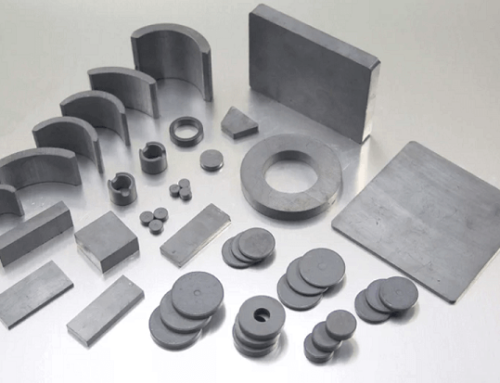
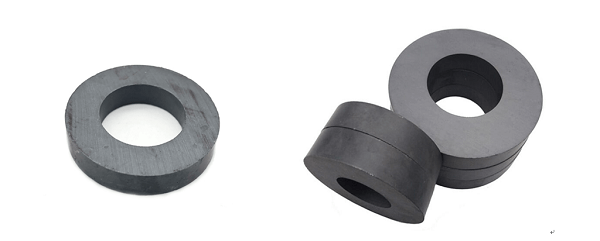
If you have ever lifted a heavy hi-fi speaker or a subwoofer, you were likely feeling the weight of ferrite ceramic magnets audio components. These are the industry workhorses. Made from iron oxide and strontium carbonate, they are cost-effective and highly resistant to corrosion. While they are heavy and require a larger size to generate the same magnetic field as newer materials, they handle heat exceptionally well. This makes them ideal for large home audio systems where size isn’t a constraint.
NdFeB magneti
Neodymium is the game-changer for modern, portable audio. These rare-earth magnets pack an incredible magnetic flux density into a tiny footprint. In fact, neodijum magneti can be one-tenth the weight of a ferrite magnet while providing the same power. This high strength-to-weight ratio is why we use neodymium speaker magnets in everything from high-end tweeters to lightweight line arrays and headphones. If you need powerful sound in a compact package, this is the standard.
Alnico magneta
Before the rise of ferrite, Alnico (an alloy of Aluminum, Nickel, and Cobalt) was the king. Today, we mostly see it in high-end guitar amplifiers and vintage reissues because alnico magnets sound distinctively warm and natural. They are expensive and can be prone to demagnetization at very high power, but for specific tonal applications, they remain unbeatable.
Speaker Magnet Comparison at a Glance
To help you understand the trade-offs in magneti korišćeni u potrošačkim elektronima, here is a quick breakdown of how these materials stack up:
- Feret: Low cost, Heavy weight, Large size, Good heat resistance.
- Neodymium: High cost, Extremely light, Compact size, Strongest magnetic field.
- Alnico: High cost, Medium weight, “Vintage” tone, Low coercivity.
Choosing the right material depends entirely on the application. We wouldn’t put a heavy ferrite magnet in a pair of jogging headphones, just as we might prefer the classic response of Alnico for a blues guitar amp. Understanding this cURL Too many subrequests by single Worker invocation. To configure this limit, refer to https://developers.cloudflare.com/workers/wrangler/configuration/#limits cURL Too many subrequests by single Worker invocation. To configure this limit, refer to https://developers.cloudflare.com/workers/wrangler/configuration/#limits
cURL Too many subrequests by single Worker invocation. To configure this limit, refer to https://developers.cloudflare.com/workers/wrangler/configuration/#limits
cURL Too many subrequests by single Worker invocation. To configure this limit, refer to https://developers.cloudflare.com/workers/wrangler/configuration/#limits
cURL Too many subrequests by single Worker invocation. To configure this limit, refer to https://developers.cloudflare.com/workers/wrangler/configuration/#limits
cURL Too many subrequests by single Worker invocation. To configure this limit, refer to https://developers.cloudflare.com/workers/wrangler/configuration/#limits cURL Too many subrequests by single Worker invocation. To configure this limit, refer to https://developers.cloudflare.com/workers/wrangler/configuration/#limits cURL Too many subrequests by single Worker invocation. To configure this limit, refer to https://developers.cloudflare.com/workers/wrangler/configuration/#limits
- cURL Too many subrequests by single Worker invocation. To configure this limit, refer to https://developers.cloudflare.com/workers/wrangler/configuration/#limits
cURL Too many subrequests by single Worker invocation. To configure this limit, refer to https://developers.cloudflare.com/workers/wrangler/configuration/#limits magnetski tok i površinski gauss cURL Too many subrequests by single Worker invocation. To configure this limit, refer to https://developers.cloudflare.com/workers/wrangler/configuration/#limits - cURL Too many subrequests by single Worker invocation. To configure this limit, refer to https://developers.cloudflare.com/workers/wrangler/configuration/#limits
cURL Too many subrequests by single Worker invocation. To configure this limit, refer to https://developers.cloudflare.com/workers/wrangler/configuration/#limits cURL Too many subrequests by single Worker invocation. To configure this limit, refer to https://developers.cloudflare.com/workers/wrangler/configuration/#limits cURL Too many subrequests by single Worker invocation. To configure this limit, refer to https://developers.cloudflare.com/workers/wrangler/configuration/#limits cURL Too many subrequests by single Worker invocation. To configure this limit, refer to https://developers.cloudflare.com/workers/wrangler/configuration/#limits cURL Too many subrequests by single Worker invocation. To configure this limit, refer to https://developers.cloudflare.com/workers/wrangler/configuration/#limits - cURL Too many subrequests by single Worker invocation. To configure this limit, refer to https://developers.cloudflare.com/workers/wrangler/configuration/#limits
cURL Too many subrequests by single Worker invocation. To configure this limit, refer to https://developers.cloudflare.com/workers/wrangler/configuration/#limits cURL Too many subrequests by single Worker invocation. To configure this limit, refer to https://developers.cloudflare.com/workers/wrangler/configuration/#limits cURL Too many subrequests by single Worker invocation. To configure this limit, refer to https://developers.cloudflare.com/workers/wrangler/configuration/#limits
cURL Too many subrequests by single Worker invocation. To configure this limit, refer to https://developers.cloudflare.com/workers/wrangler/configuration/#limits why do speakers have magnets cURL Too many subrequests by single Worker invocation. To configure this limit, refer to https://developers.cloudflare.com/workers/wrangler/configuration/#limits
cURL Too many subrequests by single Worker invocation. To configure this limit, refer to https://developers.cloudflare.com/workers/wrangler/configuration/#limits
Najčešća pitanja o magnetima za zvučnike
cURL Too many subrequests by single Worker invocation. To configure this limit, refer to https://developers.cloudflare.com/workers/wrangler/configuration/#limits loudspeaker magnetscURL Too many subrequests by single Worker invocation. To configure this limit, refer to https://developers.cloudflare.com/workers/wrangler/configuration/#limits permanent magnet in speakers.
Is a Bigger Magnet Always Better?
Not necessarily. While a heavy magnet can imply a strong motor structure, size isn’t the only factor. The key is the strength of the magnetic field (flux density) in the gap where the voice coil sits. A massive ferrite magnet might be weaker than a tiny neodymium speaker magnet. It is about the quality of the engineering and the material used, not just the physical weight.
Are Neodymium Magnets Worth the Extra Cost?
cURL Too many subrequests by single Worker invocation. To configure this limit, refer to https://developers.cloudflare.com/workers/wrangler/configuration/#limits are significantly more expensive than ceramic ones, but for many applications, they are worth every penny. If you need a lightweight driver—like in portable Bluetooth speakers or car audio where weight impacts performance—neodymium is the standard. It provides intense power in a fraction of the space.
do Speaker Magnets Wear Out?
People often worry that their speakers will lose power over time. Generally, high-quality magnets are incredibly stable. You can read more about how long magnets maintain their charge to understand why your vintage speakers likely still sound great. Unless they are exposed to extreme heat or physical damage, the magnetic field remains consistent for decades.
Can a Speaker Work Without a Magnet?
Technically, yes, but they are rare. Electrostatic speakers use high-voltage static electricity to move a diaphragm rather than a magnetic motor system. However, for 99% of the audio gear we use daily, the interaction between a voice coil and a magnet is essential for producing sound.


 Serbian
 English
 German
 Vietnamese
 Spanish (Mexico)
 Russian
 Turkish
 Polish
 Hindi
 Thai
 Malay
 Korean
 Japanese
 French
 Czech
 Danish
 Dutch
 Finnish
 Italian
 Portuguese (Brazil)
 Portuguese (Portugal)
 Slovenian
 Ukrainian
 Hebrew
 Scottish Gaelic
 Hungarian
 Tagalog
 Spanish (Spain)
 Indonesian
 Slovak
 Dutch (Belgium)
 Persian
 Arabic
 Romanian
 Estonian
 Greek
 Bulgarian

Ostavite komentar