
Bạn có thể nghe danh sách phát yêu thích mỗi ngày, nhưng bạn có từng tự hỏi tại sao loa có nam châm bên trong chúng không?
Đó là một câu hỏi hợp lý.
Dù sao đi nữa, khối kim loại nặng ấy không chỉ để hỗ trợ cấu trúc. Đó là động lực tuyệt đối của hệ thống âm thanh của bạn.
Nếu không có một nam châm vĩnh cửu, một loa phát âm thực chất chỉ là một nón giấy và một cuộn đồng thô lặng im. Nó dựa vào một trường từ học chính xác để chuyển đổi năng lượng điện thành các dao động cơ học—and cuối cùng là sóng âm thanh—đi tới tai bạn.
Trong hướng dẫn này, chúng ta sẽ nhìn vượt qua bề mặt.
Bạn sẽ học chính xác cách tương tác điện từ điều khiển âm thanh, sự khác biệt quan trọng giữa nam châm neodymium và nam châm ferrite, và cách các vật liệu này xác định hiệu suất của mọi thứ từ loa siêu trầm khổng lồ đến các trình điều khiển điện thoại thông minh nhỏ
.
Hãy đi thẳng vào vấn đề.
Là những chuyên gia về vật liệu từ tính chính xác, chúng tôi ở đây để cung cấp cho bạn phân tích kỹ thuật mà không có phần hoa mỹ.
Để hiểu tại sao chúng ta cần nam châm, trước tiên chúng ta phải xem những gì thực sự ở bên trong tủ. Chúng tôi gọi động cơ chính của loa của bạn là driver. Nó có thể trông giống như một mảnh phần cứng duy nhất, nhưng thực tế nó là một tổ hợp các bộ phận hoạt động đồng bộ tốt với nhau.
Khi chúng ta nhìn vào giải phẫu trình điều khiển loa, chúng ta đang làm việc với một vài thành phần chính làm cho công nghệ loa động trở nên có thể. Dưới đây là phân tích các bộ phận thiết yếu:
- Nam châm vĩnh cửu: Đây là trọng lượng nặng ở phía sau. Nó cung cấp một trường từ tĩnh, đứng yên rất quan trọng cho hệ thống hoạt động.
- Cuộn Boss Một cuộn dây bằng đồng hoặc nhôm quấn quanh một hình trụ (bobbin). Nó nằm ngay bên trong khe hở của nam châm.
- Màng ngâm (Âm thanh): Đây là phần bạn nhìn thấy thực sự chuyển động. Nó đẩy không khí để tạo ra sóng âm.
- Dây treo (Spider & Surround): Những bộ phận này giữ cho cuộn voice được căn giữa và cho phép màng loa di chuyển lên xuống một cách kiểm soát.
- Khung (Basket): bộ xương cứng cáp giữ mọi thứ lại với nhau.
cả trọng magnets trong loa đóng vai trò như mỏ neo. Nếu không có nó, lượng điện chạy vào loa sẽ không có gì để đẩy against, và bạn sẽ có âm thanh bằng 0.
Bạn có muốn tôi giải thích chính xác cách điện dẫn động bằng những bộ phận này không?
Cách loa hoạt động: Vật lý của điện từ

nam châm vĩnh cửu trong loa
Khi chúng ta bóc lớp, phép màu của tái tạo âm thanh thực sự trở thành điện từ trong loa. Tất nhiên không phải phép thuật—đó là vật lý. Để hiểu tại sao loa có nam châm, chúng ta phải xem xét cách năng lượng điện chuyển đổi sang năng lượng cơ học, và cuối cùng thành các sóng âm thanh chúng ta nghe.
Toàn bộ quá trình phụ thuộc vào mối quan hệ giữa nam châm vĩnh cửu và cuộn voice. Dưới đây là phân tích từng bước của cách loa phát ra âm thanh:
- Tín hiệu điện: Một nguồn điện xoay chiều (AC) từ ampli của bạn được gửi vào cuộn voice của loa. Đây không chỉ là công suất thô; nó mang thông tin âm thanh (tần số và biên độ).
- Tạo một Trường từ biến đổi: Khi dòng điện chạy qua cuộn, nó tạo ra một từ trường. Vì tín hiệu âm thanh là xoay chiều (AC), độ thuận nghịch của trường từ này lật và quay nhanh chóng — chuyển từ Bắc sang Nam và ngược lại.
- Tương tác của Cuộn voice: Đây là nơi trọng magnets trong loa làm công việc của nó. Trường từ cố định của nam châm vĩnh cửu bao quanh cuộn voice.
- Đẩy và kéo: Các định luật vật lý cơ bản cho chúng ta biết rằng các cực giống nhau đẩy nhau và các cực trái ngược hút nhau. Khi cực của cuộn voice tạo ra một trường từ dao động, nó ngay lập tức bị đẩy và kéo ngược lại với trường tĩnh của nam châm vĩnh cửu.
- Rung động của Đầu loa: Sức hút và đẩy nhanh chóng này bắt buộc cuộn di chuyển qua lại. Vì cuộn được gắn vào màng ngăn (đầu loa), sự chuyển động này tạo ra rung động của đầu loa, đẩy không khí để tạo âm thanh.
Trường từ mạnh hơn trong loa, càng nhiều kiểm soát chúng ta có đối với sự di chuyển này. Trong kỹ thuật âm thanh hiệu suất cao, đôi khi chúng ta sử dụng các cấu hình tiên tiến như một Mảng Halbach để tập trung flux từ từ trường từ tính này chính xác ở nơi cần thiết, tăng hiệu quả và giảm méo
Cuối cùng, nam châm cung cấp nền tảng ổn định mà loa lấy lực điện từ đẩy ra đối mặt. Nếu không có trường từ cố định đó, cuộn voice sẽ chỉ nóng lên mà không đẩy không khí, và chúng ta sẽ không nghe thấy gì.
Key Factors in Dynamic Speaker Technology
Khi chúng ta nhìn vào công nghệ loa động, the efficiency of this energy conversion depends heavily on the gap between the coil and the magnet.
- Field Strength: A stronger magnet allows for a more forceful reaction to the electrical signal.
- Gap Precision: The tighter the gap between the coil and magnet, the more efficient the motor system.
- Thermal Handling: The process generates heat, so the magnet and assembly must handle high temperatures without losing magnetism.
Would you like me to analyze the specific pros and cons of different magnet materials like Neodymium versus Ferrite for your specific application?
Common Types of Magnets in Speakers
When we look at the raw components of a driver, it is clear that not all loudspeaker magnets are created equal. The material we choose dictates the weight, the cost, and ultimately, the sonic profile of the device. In the global audio market, we generally deal with three primary contenders: Ferrite, Neodymium, and Alnico. Each plays a distinct role in magnet types for audio.
Nam châm Ferrite (Gốm)
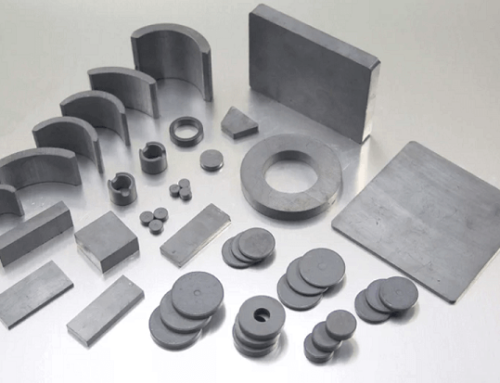
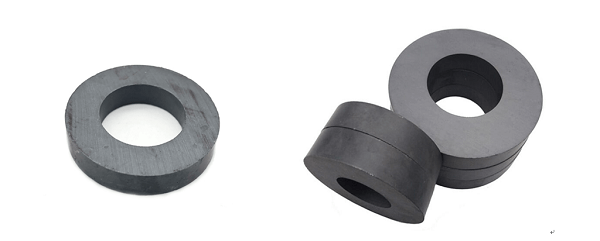
If you have ever lifted a heavy hi-fi speaker or a subwoofer, you were likely feeling the weight of ferrite ceramic magnets audio components. These are the industry workhorses. Made from iron oxide and strontium carbonate, they are cost-effective and highly resistant to corrosion. While they are heavy and require a larger size to generate the same magnetic field as newer materials, they handle heat exceptionally well. This makes them ideal for large home audio systems where size isn’t a constraint.
Nam châm Neodymium (NdFeB)
Neodymium is the game-changer for modern, portable audio. These rare-earth magnets pack an incredible magnetic flux density into a tiny footprint. In fact, nam châm neodymium can be one-tenth the weight of a ferrite magnet while providing the same power. This high strength-to-weight ratio is why we use neodymium speaker magnets in everything from high-end tweeters to lightweight line arrays and headphones. If you need powerful sound in a compact package, this is the standard.
Nam Châm Alnico
Before the rise of ferrite, Alnico (an alloy of Aluminum, Nickel, and Cobalt) was the king. Today, we mostly see it in high-end guitar amplifiers and vintage reissues because alnico magnets sound distinctively warm and natural. They are expensive and can be prone to demagnetization at very high power, but for specific tonal applications, they remain unbeatable.
Speaker Magnet Comparison at a Glance
To help you understand the trade-offs in nam châm được sử dụng trong điện tử tiêu dùng, here is a quick breakdown of how these materials stack up:
- Sắt từ: Low cost, Heavy weight, Large size, Good heat resistance.
- Neodymium: High cost, Extremely light, Compact size, Strongest magnetic field.
- Alnico: High cost, Medium weight, “Vintage” tone, Low coercivity.
Choosing the right material depends entirely on the application. We wouldn’t put a heavy ferrite magnet in a pair of jogging headphones, just as we might prefer the classic response of Alnico for a blues guitar amp. Understanding this speaker magnet comparison helps us appreciate why different speakers are built the way they are.
Would you like me to draft the next section on “Why Magnet Choice Impacts Speaker Performance” to explain how these materials affect sensitivity and distortion?
cURL Too many subrequests by single Worker invocation. To configure this limit, refer to https://developers.cloudflare.com/workers/wrangler/configuration/#limits
cURL Too many subrequests by single Worker invocation. To configure this limit, refer to https://developers.cloudflare.com/workers/wrangler/configuration/#limits
cURL Too many subrequests by single Worker invocation. To configure this limit, refer to https://developers.cloudflare.com/workers/wrangler/configuration/#limits cURL Too many subrequests by single Worker invocation. To configure this limit, refer to https://developers.cloudflare.com/workers/wrangler/configuration/#limits cURL Too many subrequests by single Worker invocation. To configure this limit, refer to https://developers.cloudflare.com/workers/wrangler/configuration/#limits
- cURL Too many subrequests by single Worker invocation. To configure this limit, refer to https://developers.cloudflare.com/workers/wrangler/configuration/#limits
cURL Too many subrequests by single Worker invocation. To configure this limit, refer to https://developers.cloudflare.com/workers/wrangler/configuration/#limits Flux từ trường và gauss bề mặt cURL Too many subrequests by single Worker invocation. To configure this limit, refer to https://developers.cloudflare.com/workers/wrangler/configuration/#limits - cURL Too many subrequests by single Worker invocation. To configure this limit, refer to https://developers.cloudflare.com/workers/wrangler/configuration/#limits
cURL Too many subrequests by single Worker invocation. To configure this limit, refer to https://developers.cloudflare.com/workers/wrangler/configuration/#limits cURL Too many subrequests by single Worker invocation. To configure this limit, refer to https://developers.cloudflare.com/workers/wrangler/configuration/#limits cURL Too many subrequests by single Worker invocation. To configure this limit, refer to https://developers.cloudflare.com/workers/wrangler/configuration/#limits cURL Too many subrequests by single Worker invocation. To configure this limit, refer to https://developers.cloudflare.com/workers/wrangler/configuration/#limits cURL Too many subrequests by single Worker invocation. To configure this limit, refer to https://developers.cloudflare.com/workers/wrangler/configuration/#limits - cURL Too many subrequests by single Worker invocation. To configure this limit, refer to https://developers.cloudflare.com/workers/wrangler/configuration/#limits
cURL Too many subrequests by single Worker invocation. To configure this limit, refer to https://developers.cloudflare.com/workers/wrangler/configuration/#limits trong loa cURL Too many subrequests by single Worker invocation. To configure this limit, refer to https://developers.cloudflare.com/workers/wrangler/configuration/#limits
cURL Too many subrequests by single Worker invocation. To configure this limit, refer to https://developers.cloudflare.com/workers/wrangler/configuration/#limits tại sao loa có nam châm cURL Too many subrequests by single Worker invocation. To configure this limit, refer to https://developers.cloudflare.com/workers/wrangler/configuration/#limits
cURL Too many subrequests by single Worker invocation. To configure this limit, refer to https://developers.cloudflare.com/workers/wrangler/configuration/#limits
Các câu hỏi thường gặp về nam châm loa
cURL Too many subrequests by single Worker invocation. To configure this limit, refer to https://developers.cloudflare.com/workers/wrangler/configuration/#limits loudspeaker magnetscURL Too many subrequests by single Worker invocation. To configure this limit, refer to https://developers.cloudflare.com/workers/wrangler/configuration/#limits trọng magnets trong loa.
cURL Too many subrequests by single Worker invocation. To configure this limit, refer to https://developers.cloudflare.com/workers/wrangler/configuration/#limits
cURL Too many subrequests by single Worker invocation. To configure this limit, refer to https://developers.cloudflare.com/workers/wrangler/configuration/#limits cURL Too many subrequests by single Worker invocation. To configure this limit, refer to https://developers.cloudflare.com/workers/wrangler/configuration/#limits. Về chất lượng kỹ thuật và vật liệu được sử dụng, chứ không phải chỉ trọng lượng vật lý.
Nam châm Neodymium có xứng đáng với chi phí bổ sung không?
cURL Too many subrequests by single Worker invocation. To configure this limit, refer to https://developers.cloudflare.com/workers/wrangler/configuration/#limits lớn hơn nhiều so với nam châm ceramic, nhưng đối với nhiều ứng dụng, chúng đáng từng đồng. Nếu bạn cần một bộ khuếch đại nhẹ—như trong loa Bluetooth di động hoặc âm thanh ô tô nơi trọng lượng ảnh hưởng đến hiệu suất—neodymium là tiêu chuẩn. Nó cung cấp công suất mạnh mẽ trong một không gian rất nhỏ.
Nam châm loa có hao mòn không?
Mọi người thường lo lắng rằng loa của họ sẽ mất công suất theo thời gian. Nói chung, nam châm chất lượng cao rất ổn định. Bạn có thể đọc thêm về bao lâu nam châm duy trì điện tích của chúng để hiểu tại sao loa cổ điển của bạn có khả năng vẫn nghe hay. Trừ khi chúng tiếp xúc với nhiệt độ cực cao hoặc bị hư hỏng vật lý, trường từ vẫn ổn định qua nhiều thập kỷ.
Một loa có hoạt động được mà không có nam châm không?
Về mặt kỹ thuật, có, nhưng hi hữu. Loa tĩnh điện sử dụng điện tích tĩnh cao để di chuyển một tấm màng thay vì một hệ thống động cơ từ. Tuy nhiên, đối với 99% của thiết bị âm thanh chúng ta dùng hàng ngày, sự tương tác giữa cuộn voice và nam châm là cần thiết để tạo ra âm thanh.


 Vietnamese
 English
 German
 Spanish (Mexico)
 Russian
 Turkish
 Polish
 Hindi
 Thai
 Malay
 Korean
 Japanese
 French
 Czech
 Danish
 Dutch
 Finnish
 Italian
 Portuguese (Brazil)
 Portuguese (Portugal)
 Slovenian
 Ukrainian
 Hebrew
 Scottish Gaelic
 Hungarian
 Tagalog
 Spanish (Spain)
 Serbian
 Indonesian
 Slovak
 Dutch (Belgium)
 Persian
 Arabic
 Romanian
 Estonian
 Greek
 Bulgarian

Để lại bình luận