
What Are Neodymium Magnets
مغناطيسات النيوديميوم are a type of rare earth magnet made from an alloy of neodymium (Nd), iron (Fe), and boron (B), commonly referred to as NdFeB. This combination creates the strongest type of permanent magnet available today, offering an exceptional strength-to-size ratio.
These magnets are known for three key performance characteristics:
- قوة مغناطيسية عالية – They produce a very strong magnetic field even in compact sizes.
- الممانعة العالية للتحويل – They resist demagnetization from external magnetic fields.
- Maximum operating temperature limits – Depending on the grade, most can only operate effectively between 80°C (176°F) and 230°C (446°F) before losing strength.
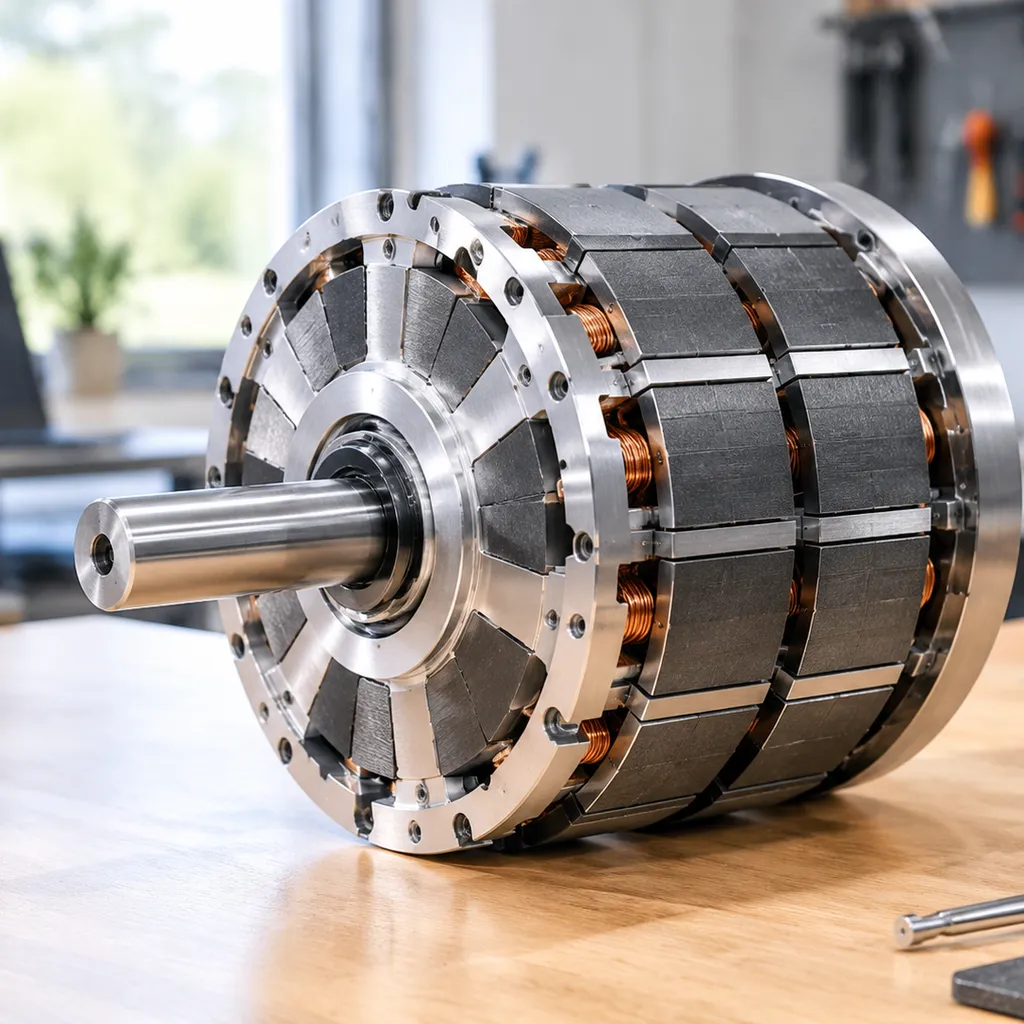
Because of their power and compactness, neodymium magnets are widely used in applications where both performance and heat resistance matter, such as:
- Electric motors and wind turbines
- Hard disk drives and data storage
- Medical equipment like MRI machines
- Audio devices and speakers
- Industrial holding and lifting tools
For engineers, designers, and hobbyists, understanding temperature tolerance and heat effects is critical, as overheating can lead to permanent loss of magnetism and reduced performance.
The Science Behind Heating Neodymium Magnets
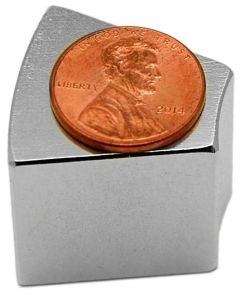
Neodymium magnets get their strength from the alignment of tiny magnetic regions called النطاقات المغناطيسية. These domains stay locked in place under normal conditions, giving the magnet its strong pull. When heat is applied, the extra energy causes the electrons in these domains to move around more, making it harder for them to stay aligned.
Every neodymium magnet has a درجة حرارة كوري — usually around 310–400°C (590–752°F) depending on the grade. If the magnet reaches this point, the domains lose all alignment, and the magnet becomes permanently demagnetized. Well before hitting that extreme, heat can still cause a drop in strength.
There are general thermal stability zones to consider:
- Safe range – Most standard grades work fine below 80°C (176°F) without noticeable strength loss.
- Caution zone – Between 80°C and the magnet’s maximum operating temperature, pulling strength will start to dip and may not fully recover.
- Critical zone – Above the rated max temperature, permanent damage and loss of magnetism occur, even if the magnet cools back down.
cURL Too many subrequests by single Worker invocation. To configure this limit, refer to https://developers.cloudflare.com/workers/wrangler/configuration/#limits
cURL Too many subrequests by single Worker invocation. To configure this limit, refer to https://developers.cloudflare.com/workers/wrangler/configuration/#limits
cURL Too many subrequests by single Worker invocation. To configure this limit, refer to https://developers.cloudflare.com/workers/wrangler/configuration/#limits
cURL Too many subrequests by single Worker invocation. To configure this limit, refer to https://developers.cloudflare.com/workers/wrangler/configuration/#limits cURL Too many subrequests by single Worker invocation. To configure this limit, refer to https://developers.cloudflare.com/workers/wrangler/configuration/#limits
cURL Too many subrequests by single Worker invocation. To configure this limit, refer to https://developers.cloudflare.com/workers/wrangler/configuration/#limits cURL Too many subrequests by single Worker invocation. To configure this limit, refer to https://developers.cloudflare.com/workers/wrangler/configuration/#limits
cURL Too many subrequests by single Worker invocation. To configure this limit, refer to https://developers.cloudflare.com/workers/wrangler/configuration/#limits cURL Too many subrequests by single Worker invocation. To configure this limit, refer to https://developers.cloudflare.com/workers/wrangler/configuration/#limits
- cURL Too many subrequests by single Worker invocation. To configure this limit, refer to https://developers.cloudflare.com/workers/wrangler/configuration/#limits
- cURL Too many subrequests by single Worker invocation. To configure this limit, refer to https://developers.cloudflare.com/workers/wrangler/configuration/#limits
- cURL Too many subrequests by single Worker invocation. To configure this limit, refer to https://developers.cloudflare.com/workers/wrangler/configuration/#limits
cURL Too many subrequests by single Worker invocation. To configure this limit, refer to https://developers.cloudflare.com/workers/wrangler/configuration/#limits:
- المقاومة للإقصاء (Coercivity) cURL Too many subrequests by single Worker invocation. To configure this limit, refer to https://developers.cloudflare.com/workers/wrangler/configuration/#limits
- إشباع cURL Too many subrequests by single Worker invocation. To configure this limit, refer to https://developers.cloudflare.com/workers/wrangler/configuration/#limits
cURL Too many subrequests by single Worker invocation. To configure this limit, refer to https://developers.cloudflare.com/workers/wrangler/configuration/#limits
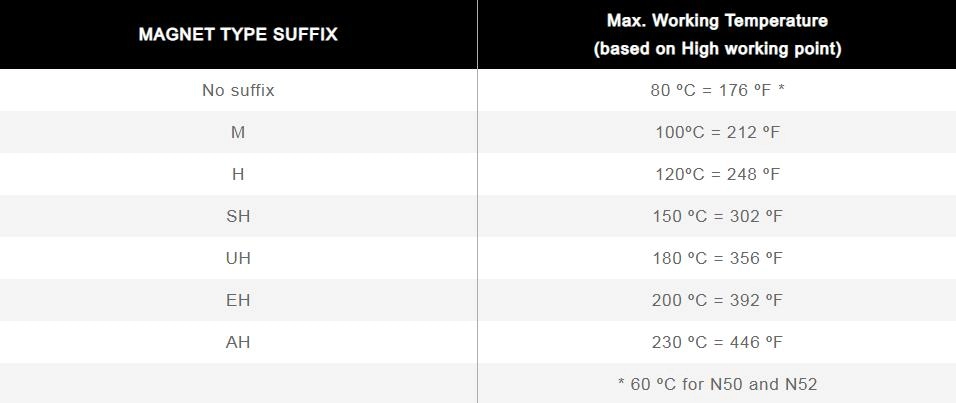
cURL Too many subrequests by single Worker invocation. To configure this limit, refer to https://developers.cloudflare.com/workers/wrangler/configuration/#limits درجة الحرارة التشغيل القصوىcURL Too many subrequests by single Worker invocation. To configure this limit, refer to https://developers.cloudflare.com/workers/wrangler/configuration/#limits
| , لكنها ذات صلة كبيرة بالتطبيقات الصناعية والرفع. | أقصى منتج طاقي (MGOe) | Max Operating Temp (°C) |
|---|---|---|
| N35 | cURL Too many subrequests by single Worker invocation. To configure this limit, refer to https://developers.cloudflare.com/workers/wrangler/configuration/#limits | ~80°C |
| N42 | cURL Too many subrequests by single Worker invocation. To configure this limit, refer to https://developers.cloudflare.com/workers/wrangler/configuration/#limits | ~80°C |
| N52 | cURL Too many subrequests by single Worker invocation. To configure this limit, refer to https://developers.cloudflare.com/workers/wrangler/configuration/#limits | ~60°C |
| High Temp Grades (e.g., N35EH) | 392°F | 200°C |
Manufacturers will usually give a safe working range that’s a bit below the absolute limit to keep magnets from degrading over time. That’s because heat damage can be gradual—staying just under the max rating for long periods can still cause magnetic loss.
Heat treatment during manufacturing can improve a magnet’s thermal endurance, especially for industrial applications where higher operating temps are common. cURL Too many subrequests by single Worker invocation. To configure this limit, refer to https://developers.cloudflare.com/workers/wrangler/configuration/#limits like nickel, epoxy, or specialized heat-resistant platings also help. While coatings won’t stop demagnetization, they prevent surface damage, corrosion, and microcracks that heat can accelerate.
Practical Implications for Industrial and Consumer Use
Heating can have a big impact on how neodymium magnets perform in real-world applications. In motors, generators, and other electronics, excess heat can cause magnets to lose part of their strength, which may reduce torque, lower efficiency, or cause the device to stop working altogether. Even a short time over their rated maximum operating temperature can trigger partial or permanent demagnetization.
For industrial systems that run under heavy loads or in hot environments—like wind turbines, EV motors, or CNC machinery—ignoring neodymium magnet temperature tolerance can lead to costly breakdowns. In consumer products, such as speakers or magnetic mounts, heat from nearby components can slowly degrade performance over time.
Risks when thermal effects are ignored:
- Reduced magnetic strength and performance loss
- Overheating-related device failures
- Safety hazards from mechanical issues or electrical overload
- Shortened lifespan of the equipment
Best practices for choosing magnets for hot environments:
- Match the magnet grade to the expected operating temperature
- Use heat-resistant coatings or encapsulation to slow down thermal degradation and corrosion
- Allow for a thermal safety margin above expected maximum temperatures
- Position magnets away from known heat sources in the design stage
- Consider high-temperature grades or alternative magnet types (like SmCo) for extreme conditions
Keeping magnets within their safe temperature range ensures stable performance and avoids premature equipment failure, whether you’re running an industrial plant or building high-performance electronics at home.
Mitigating Heat Effects on Neodymium Magnets
If your application runs hot, there are ways to protect neodymium magnets from heat damage. Small changes in design, materials, and storage can make a big difference.
Improve Heat Tolerance
- Choose heat-resistant grades – Some NdFeB magnets are engineered for higher max operating temperatures (up to 230°F–300°F) compared to standard grades.
- Use special alloys – Adding elements like dysprosium or terbium can boost coercivity and thermal resistance.
- Apply protective coatings – Epoxy, nickel-copper-nickel, or other high-temp coatings can reduce oxidation and surface breakdown at elevated temperatures.
- cURL Too many subrequests by single Worker invocation. To configure this limit, refer to https://developers.cloudflare.com/workers/wrangler/configuration/#limits cURL Too many subrequests by single Worker invocation. To configure this limit, refer to https://developers.cloudflare.com/workers/wrangler/configuration/#limits
cURL Too many subrequests by single Worker invocation. To configure this limit, refer to https://developers.cloudflare.com/workers/wrangler/configuration/#limits
- cURL Too many subrequests by single Worker invocation. To configure this limit, refer to https://developers.cloudflare.com/workers/wrangler/configuration/#limits cURL Too many subrequests by single Worker invocation. To configure this limit, refer to https://developers.cloudflare.com/workers/wrangler/configuration/#limitscURL Too many subrequests by single Worker invocation. To configure this limit, refer to https://developers.cloudflare.com/workers/wrangler/configuration/#limits
- cURL Too many subrequests by single Worker invocation. To configure this limit, refer to https://developers.cloudflare.com/workers/wrangler/configuration/#limits
- cURL Too many subrequests by single Worker invocation. To configure this limit, refer to https://developers.cloudflare.com/workers/wrangler/configuration/#limits
cURL Too many subrequests by single Worker invocation. To configure this limit, refer to https://developers.cloudflare.com/workers/wrangler/configuration/#limits
cURL Too many subrequests by single Worker invocation. To configure this limit, refer to https://developers.cloudflare.com/workers/wrangler/configuration/#limits
- cURL Too many subrequests by single Worker invocation. To configure this limit, refer to https://developers.cloudflare.com/workers/wrangler/configuration/#limits Samarium Cobalt magnets cURL Too many subrequests by single Worker invocation. To configure this limit, refer to https://developers.cloudflare.com/workers/wrangler/configuration/#limits
- cURL Too many subrequests by single Worker invocation. To configure this limit, refer to https://developers.cloudflare.com/workers/wrangler/configuration/#limits
- cURL Too many subrequests by single Worker invocation. To configure this limit, refer to https://developers.cloudflare.com/workers/wrangler/configuration/#limits cURL Too many subrequests by single Worker invocation. To configure this limit, refer to https://developers.cloudflare.com/workers/wrangler/configuration/#limits cURL Too many subrequests by single Worker invocation. To configure this limit, refer to https://developers.cloudflare.com/workers/wrangler/configuration/#limits
cURL Too many subrequests by single Worker invocation. To configure this limit, refer to https://developers.cloudflare.com/workers/wrangler/configuration/#limits
cURL Too many subrequests by single Worker invocation. To configure this limit, refer to https://developers.cloudflare.com/workers/wrangler/configuration/#limits
cURL Too many subrequests by single Worker invocation. To configure this limit, refer to https://developers.cloudflare.com/workers/wrangler/configuration/#limits high-performance neodymium magnets cURL Too many subrequests by single Worker invocation. To configure this limit, refer to https://developers.cloudflare.com/workers/wrangler/configuration/#limits cURL Too many subrequests by single Worker invocation. To configure this limit, refer to https://developers.cloudflare.com/workers/wrangler/configuration/#limits cURL Too many subrequests by single Worker invocation. To configure this limit, refer to https://developers.cloudflare.com/workers/wrangler/configuration/#limits
cURL Too many subrequests by single Worker invocation. To configure this limit, refer to https://developers.cloudflare.com/workers/wrangler/configuration/#limits cURL Too many subrequests by single Worker invocation. To configure this limit, refer to https://developers.cloudflare.com/workers/wrangler/configuration/#limitscURL Too many subrequests by single Worker invocation. To configure this limit, refer to https://developers.cloudflare.com/workers/wrangler/configuration/#limits up to 200°C without significant loss of magnetism. If you need a custom size, coating, or alloy blend for better thermal stability, we can manufacture to your exact specs.
All our magnets go through strict quality testing, including thermal endurance trials, to ensure they meet manufacturer temperature ratings and maintain magnetic strength over time. We also offer guidance on selecting the right grade for your environment to prevent heat-related demagnetization and reduce maintenance risks.
If you’re looking for magnets that can handle both power and heat, our engineers can help match you with the optimal solution. Learn more about material performance in our دليلنا للمغناطيسات من الأرض النادرة or reach out directly for a free consultation on your thermal application needs.

 Arabic
 English
 German
 Vietnamese
 Spanish (Mexico)
 Russian
 Turkish
 Polish
 Hindi
 Thai
 Malay
 Korean
 Japanese
 French
 Czech
 Danish
 Dutch
 Finnish
 Italian
 Portuguese (Brazil)
 Portuguese (Portugal)
 Slovenian
 Ukrainian
 Hebrew
 Scottish Gaelic
 Hungarian
 Tagalog
 Spanish (Spain)
 Serbian
 Indonesian
 Slovak
 Dutch (Belgium)
 Persian
 Romanian
 Estonian
 Greek
 Bulgarian

اترك تعليقًا