
What Are Sintered Magnets A Quick Breakdown
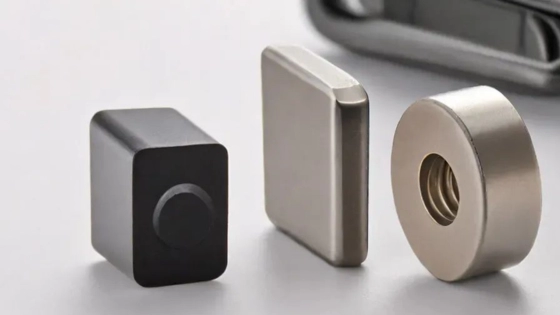
Sintered magnets
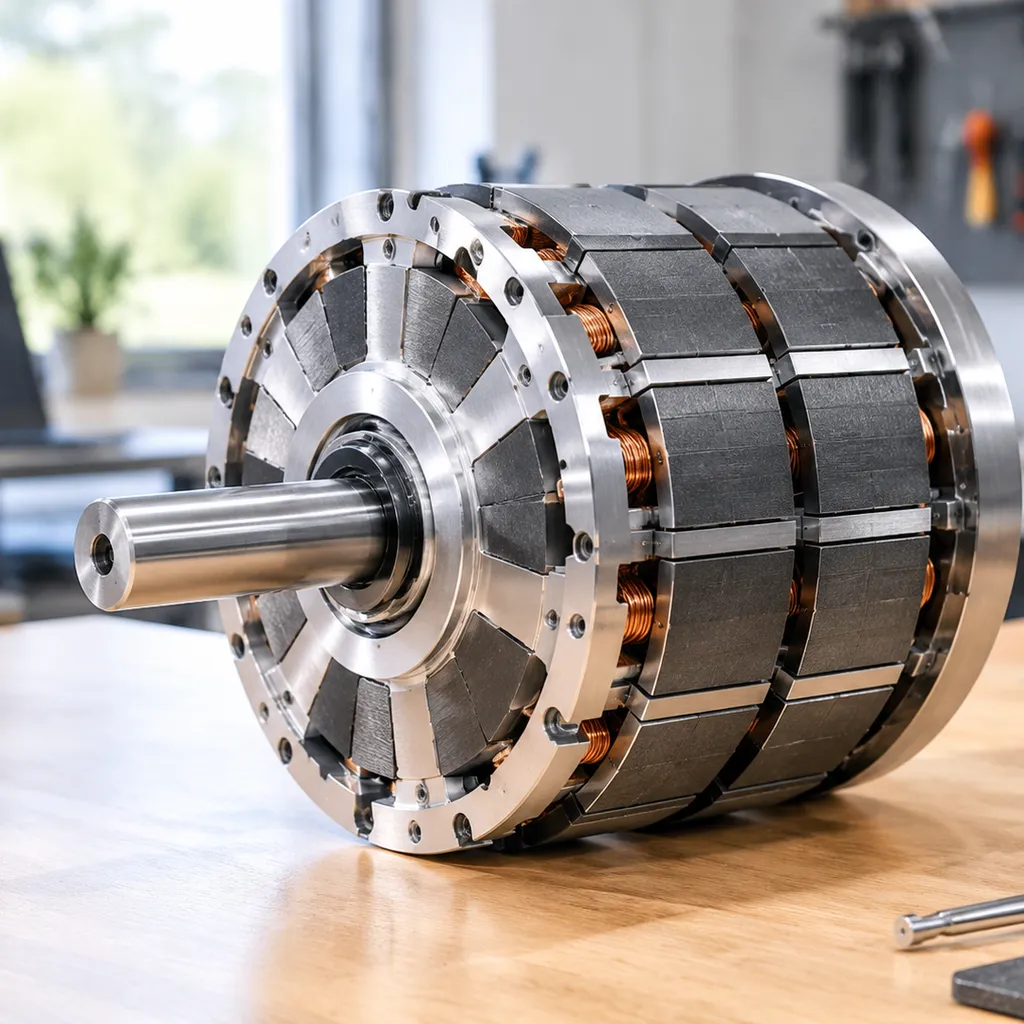
You might be wondering, what exactly are sintered magnets and why are they so important? Simply put, sintered magnets are a type of permanent magnet made by compacting and heating metal powders without melting them completely. This process fuses the powders into a dense, solid piece with exceptional magnetic properties.
Core Composition and Types
Most sintered magnets are made from rare earth elements, with neodymium-iron-boron (NdFeB) being the standout star. NdFeB magnetid are known for their incredible strength, thanks to advanced powder metallurgy techniques. Other common types include samarium-cobalt (SmCo) magnets, which offer excellent heat resistance and corrosion protection. Both types rely on precise blends of rare earth metals, iron, and sometimes cobalt or dysprosium to tailor magnetic performance.
Why Sintered The Science in a Nutshell
Why choose sintered magnets over others? The secret lies in the vacuum sintering process, which aligns microscopic particles for maximum magnetic energy. This results in magnets with high coercivity (resistance to demagnetization), strong remanence (magnetism left after an external field is removed), and superior energy product (BHmax), a key measure of magnet performance. Plus, sintered magnets typically have better mechanical strength and stability compared to bonded magnets.
In short, sintered magnets deliver powerful, reliable magnetic force crucial for modern electronics, renewable energy, and automotive industries. Knowing the composition and how they’re made helps us appreciate why sintered magnets are the backbone of many cutting-edge technologies.
How Sintered NdFeB Magnets Are Made Step-by-Step Manufacturing Guide
Making sintered NdFeB magnets involves several precise steps to ensure high performance and quality, especially for applications here in the U.S. where reliability matters.
Raw Materials and Alloy Preparation
It starts with mixing raw materials like neodymium, iron, and boron—the core NdFeB powder metallurgy elements. Sometimes, elements like dysprosium are added for high-coercivity NdFeB alloys, which boost heat resistance and magnetic strength. The metals are melted together to create a uniform alloy.
Powder Production and Alignment
Next, the alloy is crushed into fine powder. This powder is carefully aligned in a magnetic field to ensure the magnetic domains all point the same way—this alignment is crucial for maximizing the magnet’s energy product (BHmax). A consistent powder helps achieve better magnetic strength and remanence.
Sintering and Post-Processing
The aligned powder is then compacted into a mold and sintered—heated just below melting point in a vacuum sintering process. This step fuses the powder particles into a solid magnet while preserving the magnetic properties. After sintering, magnets often go through heat treatment and machining to get the exact shape and size.
Quality Control Essentials
Finally, the magnets undergo strict quality control checks for magnetic strength, coercivity, and corrosion resistance—especially important for rare earth permanent magnets used in EVs and renewable energy in the U.S. Any flaws are caught early to ensure top performance in tough environments.
By following these steps, manufacturers create sintered neodymium magnet grades tailored to meet the needs of various industries across the United States.
Key Properties and Performance of Sintered Magnets
When it comes to sintered magnets, especially NdFeB (neodymium-iron-boron) types, their performance is mainly defined by a few key magnetic and physical properties.
Magnetic Strengths
- Remanence (Br): This refers to the magnet’s ability to hold a strong magnetic field after being magnetized. Sintered NdFeB magnets have a high remanence, making them some of the strongest permanent magnets available.
- Coercivity (Hc): This measures how well a magnet resists being demagnetized. High-coercivity NdFeB alloys, sometimes enhanced with small amounts of dysprosium or other elements, maintain their magnetism even under high temperatures or opposing magnetic fields.
- Energy Density (BHmax): This is the stored magnetic energy in a volume of the magnet—higher values mean a more powerful magnet. Sintered magnets typically outperform bonded types in energy product, which is part of why they’re favored for high-performance uses.
Physical and Environmental Traits
- cURL Too many subrequests by single Worker invocation. To configure this limit, refer to https://developers.cloudflare.com/workers/wrangler/configuration/#limits One common challenge for sintered magnets is vulnerability to corrosion, especially in humid or harsh environments. To overcome this, protective coatings or surface treatments are standard to extend magnet life.
- Mechanical Strength: These magnets are brittle but have good structural integrity when handled properly. They’re made via the vacuum sintering process, which consolidates the material densely, reducing flaws.
- Temperature Stability: cURL Too many subrequests by single Worker invocation. To configure this limit, refer to https://developers.cloudflare.com/workers/wrangler/configuration/#limits
cURL Too many subrequests by single Worker invocation. To configure this limit, refer to https://developers.cloudflare.com/workers/wrangler/configuration/#limits
cURL Too many subrequests by single Worker invocation. To configure this limit, refer to https://developers.cloudflare.com/workers/wrangler/configuration/#limits
cURL Too many subrequests by single Worker invocation. To configure this limit, refer to https://developers.cloudflare.com/workers/wrangler/configuration/#limits
cURL Too many subrequests by single Worker invocation. To configure this limit, refer to https://developers.cloudflare.com/workers/wrangler/configuration/#limits
cURL Too many subrequests by single Worker invocation. To configure this limit, refer to https://developers.cloudflare.com/workers/wrangler/configuration/#limits
- TuulegeneraatoridcURL Too many subrequests by single Worker invocation. To configure this limit, refer to https://developers.cloudflare.com/workers/wrangler/configuration/#limits
- cURL Too many subrequests by single Worker invocation. To configure this limit, refer to https://developers.cloudflare.com/workers/wrangler/configuration/#limitscURL Too many subrequests by single Worker invocation. To configure this limit, refer to https://developers.cloudflare.com/workers/wrangler/configuration/#limits
- cURL Too many subrequests by single Worker invocation. To configure this limit, refer to https://developers.cloudflare.com/workers/wrangler/configuration/#limitscURL Too many subrequests by single Worker invocation. To configure this limit, refer to https://developers.cloudflare.com/workers/wrangler/configuration/#limits
cURL Too many subrequests by single Worker invocation. To configure this limit, refer to https://developers.cloudflare.com/workers/wrangler/configuration/#limits
- Koduvõrgutehnika ja elektroonikacURL Too many subrequests by single Worker invocation. To configure this limit, refer to https://developers.cloudflare.com/workers/wrangler/configuration/#limits
- MeditsiiniseadmedcURL Too many subrequests by single Worker invocation. To configure this limit, refer to https://developers.cloudflare.com/workers/wrangler/configuration/#limits
- cURL Too many subrequests by single Worker invocation. To configure this limit, refer to https://developers.cloudflare.com/workers/wrangler/configuration/#limitscURL Too many subrequests by single Worker invocation. To configure this limit, refer to https://developers.cloudflare.com/workers/wrangler/configuration/#limits
cURL Too many subrequests by single Worker invocation. To configure this limit, refer to https://developers.cloudflare.com/workers/wrangler/configuration/#limits
- Mootorid ja generaatoridcURL Too many subrequests by single Worker invocation. To configure this limit, refer to https://developers.cloudflare.com/workers/wrangler/configuration/#limits
- cURL Too many subrequests by single Worker invocation. To configure this limit, refer to https://developers.cloudflare.com/workers/wrangler/configuration/#limitscURL Too many subrequests by single Worker invocation. To configure this limit, refer to https://developers.cloudflare.com/workers/wrangler/configuration/#limits
- Automation and RoboticscURL Too many subrequests by single Worker invocation. To configure this limit, refer to https://developers.cloudflare.com/workers/wrangler/configuration/#limits
cURL Too many subrequests by single Worker invocation. To configure this limit, refer to https://developers.cloudflare.com/workers/wrangler/configuration/#limits
cURL Too many subrequests by single Worker invocation. To configure this limit, refer to https://developers.cloudflare.com/workers/wrangler/configuration/#limits
cURL Too many subrequests by single Worker invocation. To configure this limit, refer to https://developers.cloudflare.com/workers/wrangler/configuration/#limits
cURL Too many subrequests by single Worker invocation. To configure this limit, refer to https://developers.cloudflare.com/workers/wrangler/configuration/#limits
| omadus | cURL Too many subrequests by single Worker invocation. To configure this limit, refer to https://developers.cloudflare.com/workers/wrangler/configuration/#limits | Sidustatud magnetid |
|---|---|---|
| Magnetiline tugevus | Higher (stronger NdFeB energy product) | Lower but more consistent |
| Tootmisprotsess | Powder metallurgy with vacuum sintering | Mixing powder with resin, then molding |
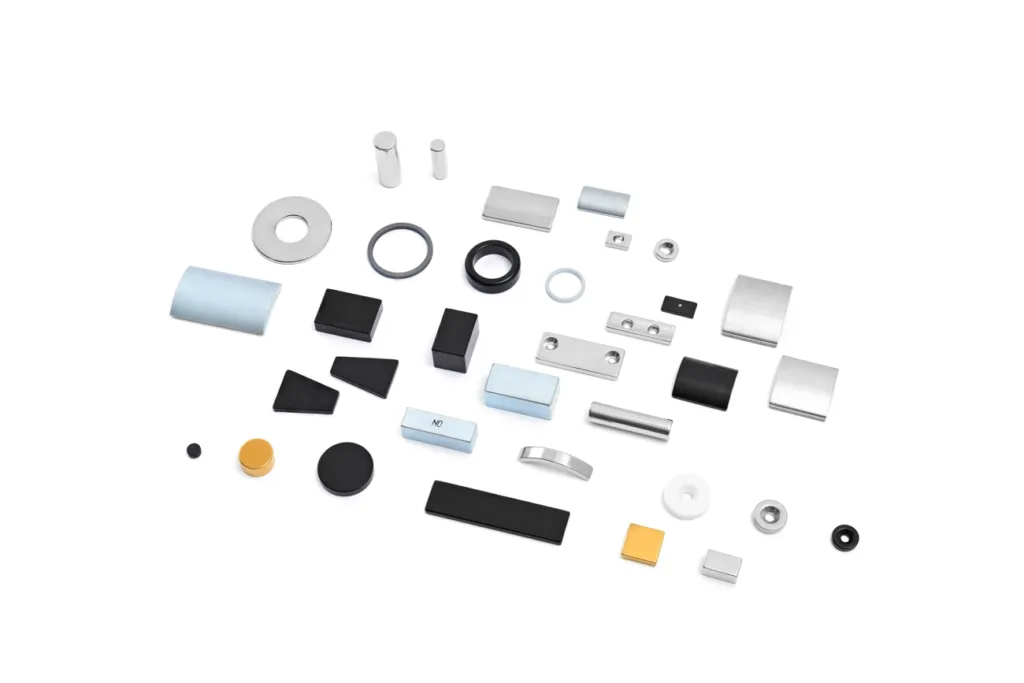
| Shape Flexibility | Limited, mostly blocks and rings | Highly flexible, complex shapes |
| Kestvus | More brittle but higher heat resistance | More impact-resistant, lower temperature tolerance |
| Korrosioonikindlus | Needs coating (prone to corrosion) | Often better due to resin binding |
| Maksumus | Kõrgem esialgne maksumus | Generally more cost-effective |
Sourcing Tips from NBAEM
If you’re sourcing Neodymium magnets in the U.S., NBAEM offers a solid range of sintered NdFeB magnet grades, including high-coercivity and Dy-free options. Here’s what to keep in mind:
- For projects needing maximum magnetic power like EV motors or renewable energy, go with sintered magnets.
- If your design demands complex shapes or better corrosion resistance, bonded magnets might be the smart shot.
- Check for quality certifications and ask about the vacuum sintering process to ensure performance and reliability.
- NBAEM can customize your order — balancing grade, shape, and cost for your specific application.
Choosing correctly will make sure your project runs smoothly, especially in fast-moving U.S. markets like electric vehicles and consumer electronics.
Challenges Innovations and Future of Sintered Magnets
Sintered magnets, especially NdFeB types, face some key challenges. One big issue is their korrosiooni- ja vastupidavus—these magnets can rust if not properly coated or treated, which limits their use in harsh environments. Another challenge is the reliance on rare earth elements like dysprosium, which are expensive and sometimes hard to source. High-coercivity NdFeB alloys try to reduce this dependence, but finding the perfect balance between performance and cost remains tricky.
On the innovation front, researchers are focused on dysprosium-free sintered magnets and improving the vacuum sintering process to cut manufacturing costs and boost strength. Advances in powder metallurgy techniques are helping create more uniform NdFeB powder blends, which increases the magnets’ energy product (BHmax) without raising prices.
Looking ahead, the future of sintered magnets in the market looks promising, especially with growing demand from renewable energy and electric vehicle (EV) cURL Too many subrequests by single Worker invocation. To configure this limit, refer to https://developers.cloudflare.com/workers/wrangler/configuration/#limits
cURL Too many subrequests by single Worker invocation. To configure this limit, refer to https://developers.cloudflare.com/workers/wrangler/configuration/#limits cURL Too many subrequests by single Worker invocation. To configure this limit, refer to https://developers.cloudflare.com/workers/wrangler/configuration/#limits cURL Too many subrequests by single Worker invocation. To configure this limit, refer to https://developers.cloudflare.com/workers/wrangler/configuration/#limits
 Estonian
 English
 German
 Vietnamese
 Spanish (Mexico)
 Russian
 Turkish
 Polish
 Hindi
 Thai
 Malay
 Korean
 Japanese
 French
 Czech
 Danish
 Dutch
 Finnish
 Italian
 Portuguese (Brazil)
 Portuguese (Portugal)
 Slovenian
 Ukrainian
 Hebrew
 Scottish Gaelic
 Hungarian
 Tagalog
 Spanish (Spain)
 Serbian
 Indonesian
 Slovak
 Dutch (Belgium)
 Persian
 Arabic
 Romanian
 Greek
 Bulgarian
cURL Too many subrequests by single Worker invocation. To configure this limit, refer to https://developers.cloudflare.com/workers/wrangler/configuration/#limits