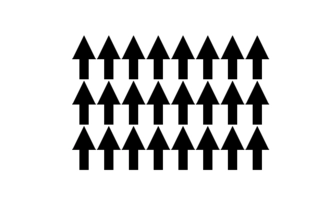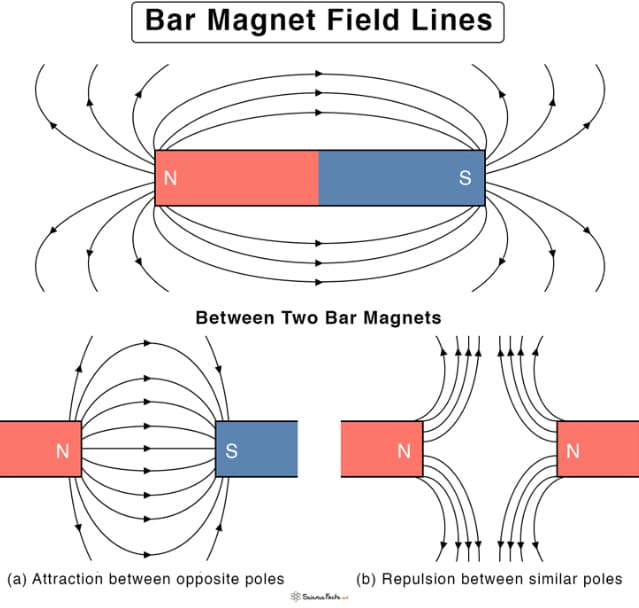
What Does Polarity Mean in Magnetic How Magnetic Poles Work
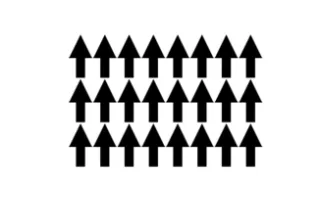
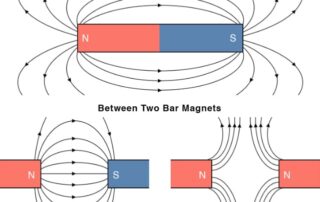
Discover what polarity means in magnetic materials learn how magnetic poles work and why polarity matters in magnets and industrial applications


Discover what polarity means in magnetic materials learn how magnetic poles work and why polarity matters in magnets and industrial applications
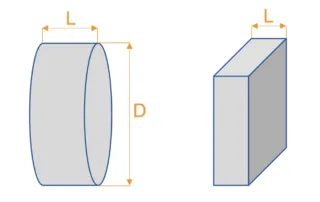
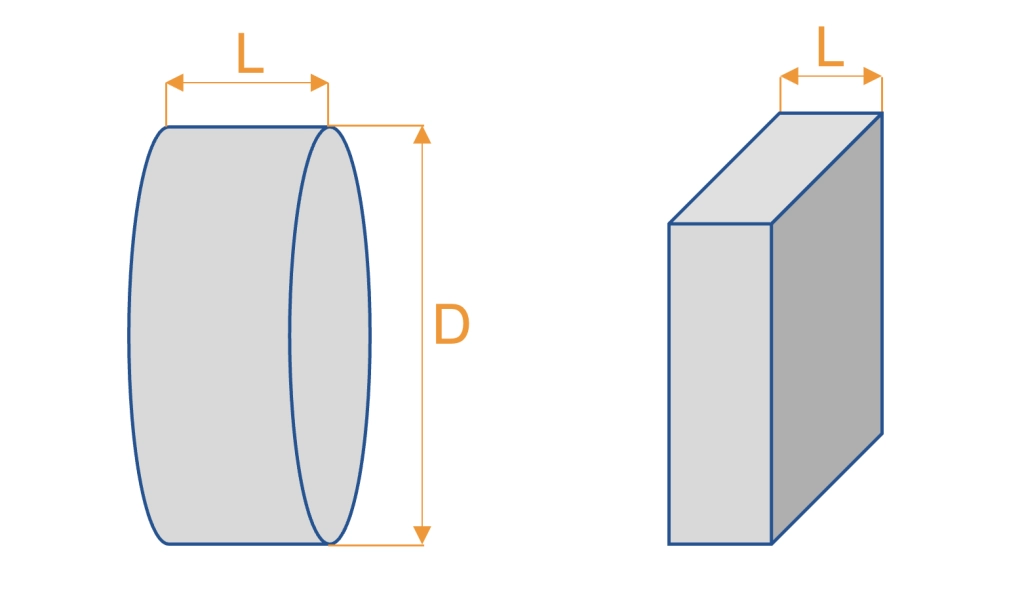
Discover what the L/D ratio in magnets means and how the length to diameter ratio affects magnetic strength and performance in various applications.
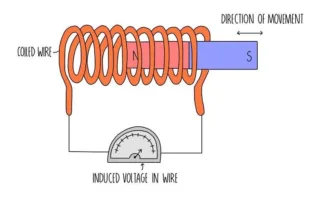
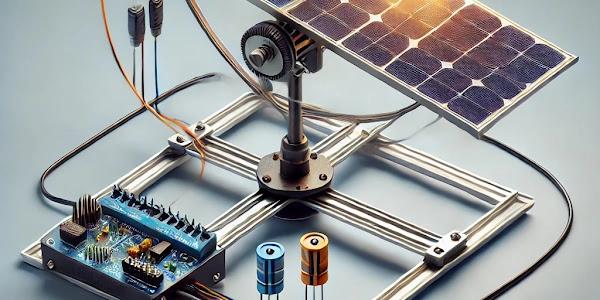
Discover if magnets can generate energy uncover the science behind electromagnetic induction and explore real magnetic materials used in energy systems.
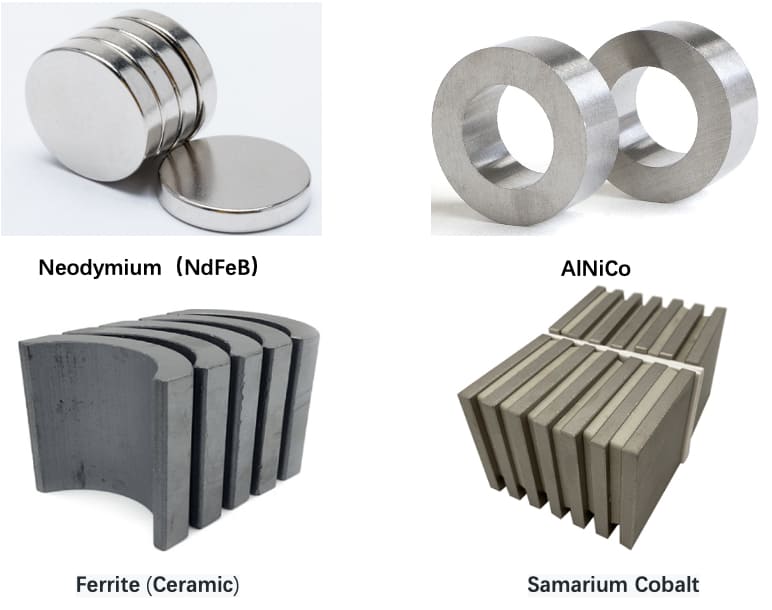
Discover what is magnet used for in daily life and industry Explore NBAEM’s high quality magnetic materials including NdFeB SmCo and ferrite magnets for diverse applications
Discover the key differences between Maximum Operating Temperature and Curie Temperature in magnetic materials for optimal performance and reliability.
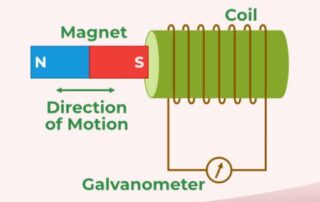
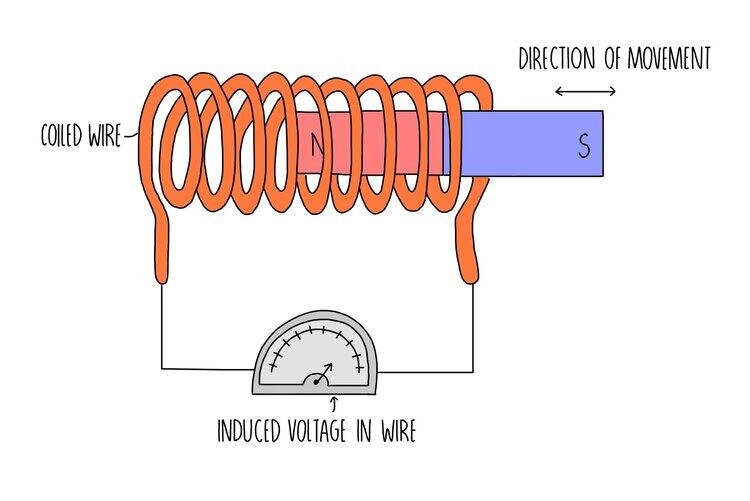
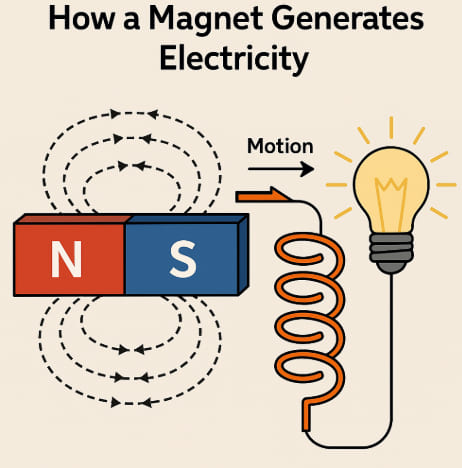
Discover how magnets produce electricity through electromagnetic induction with practical examples and high-quality magnetic materials from NBAEM.
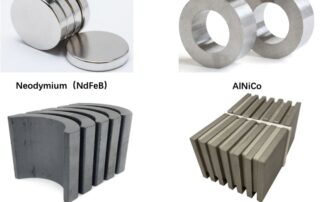
Most people use magnets every day, but few understand their different types. Choosing the right magnet starts with knowing what options exist.
There are several types of magnets: permanent, temporary, and electromagnets. Each behaves differently depending on its structure and how it is energized.
In this article, I will break down the […]
Magnetid tunduvad lihtsad, kuid need hoiavad võtit elektri tootmiseks. See nähtamatu jõud on paljude kaasaegsete võimsuslahenduste taga, mida kasutame iga päev.
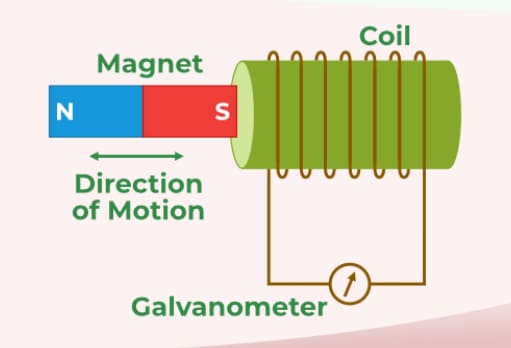
Jah, magnetid võivad toota elektrit elektromagnetilise induktsiooniga seotud protsessi kaudu. Magneti liigutamine lähedale juhile tekitab pinge, mis viib voolu vooluni.
Magnetid näivad olevat lihtsad, kuid nende jõud peitub nägematutest jõududest, mis kujundavad moodsat tehnoloogiat. Oma telefonist elektrikom motoriteni, magnetism teeb selle kõik võimalikuks.
Permanent magnetism refers to the consistent magnetic field produced by certain materials without the need for an external power source. It contrasts with […]
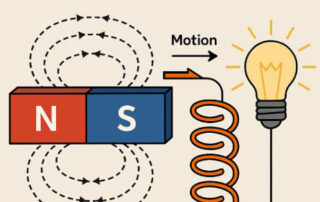
Imagine powering a device without batteries or fuel—just magnets and motion. That idea isn’t science fiction. It’s the basis of electromagnetic induction.
Yes, magnets can generate electricity. When a magnetic field moves past a conductor, it induces a current. This principle powers most generators used today.
 English
 German
 Vietnamese
 Spanish (Mexico)
 Russian
 Turkish
 Polish
 Hindi
 Thai
 Malay
 Korean
 Japanese
 French
 Czech
 Danish
 Dutch
 Finnish
 Italian
 Portuguese (Brazil)
 Portuguese (Portugal)
 Slovenian
 Ukrainian
 Hebrew
 Scottish Gaelic
 Hungarian
 Tagalog
 Spanish (Spain)
 Serbian
 Indonesian
 Slovak
 Dutch (Belgium)
 Persian
 Arabic
 Romanian
 Greek
 Bulgarian
 Estonian