
Understanding Magnets and Their Role in Appliances
Have you ever wondered how magnets work inside your everyday appliances? Magnets play a crucial role in making many household devices function smoothly. At a basic level, magnets come in two types: permanent magnets and electromagnets. Permanent magnets produce a constant magnetic field, while electromagnets generate magnetism only when an electric current flows through them.
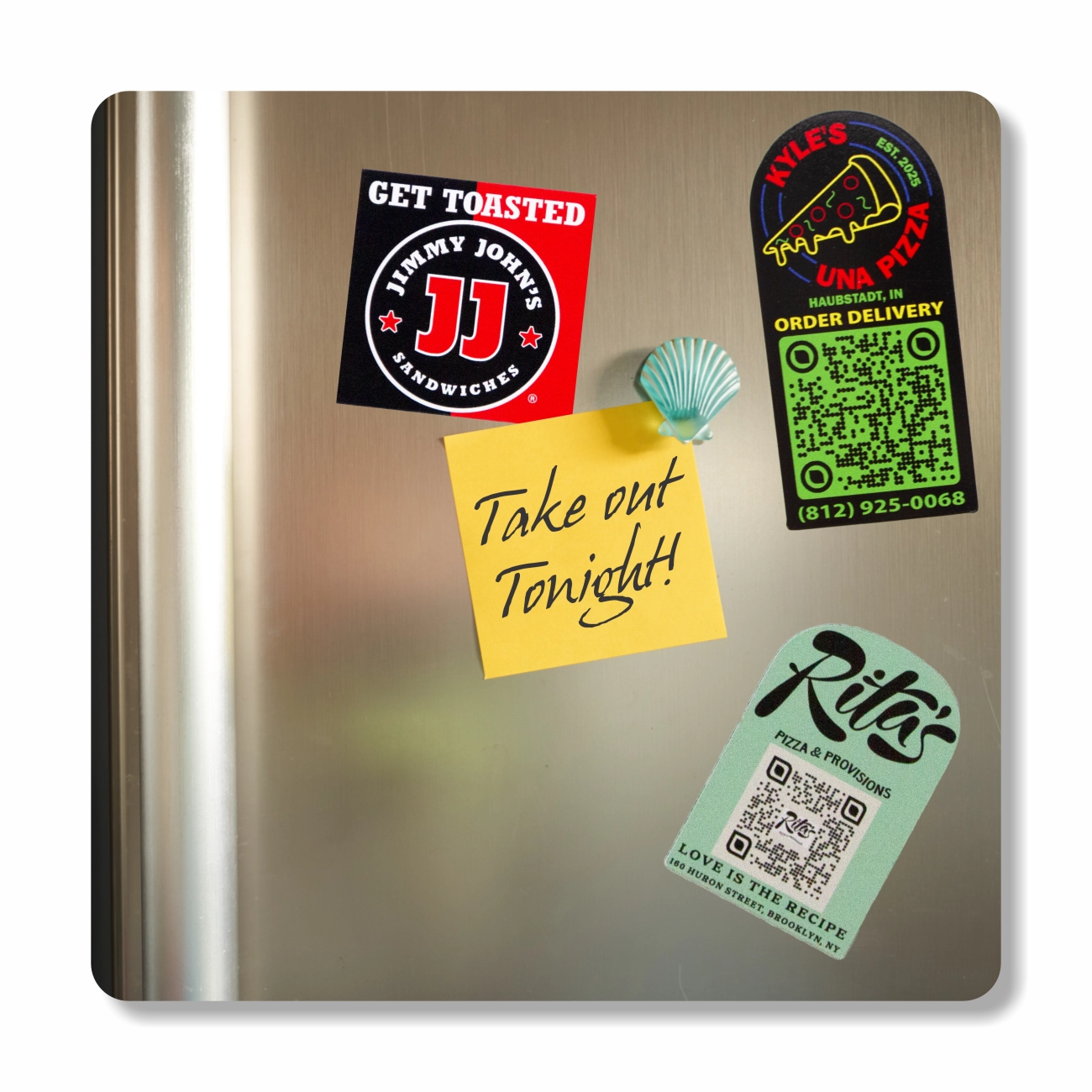
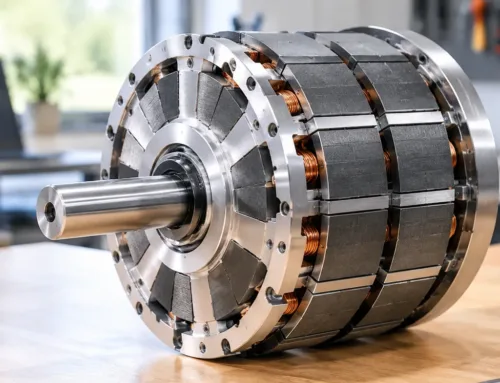
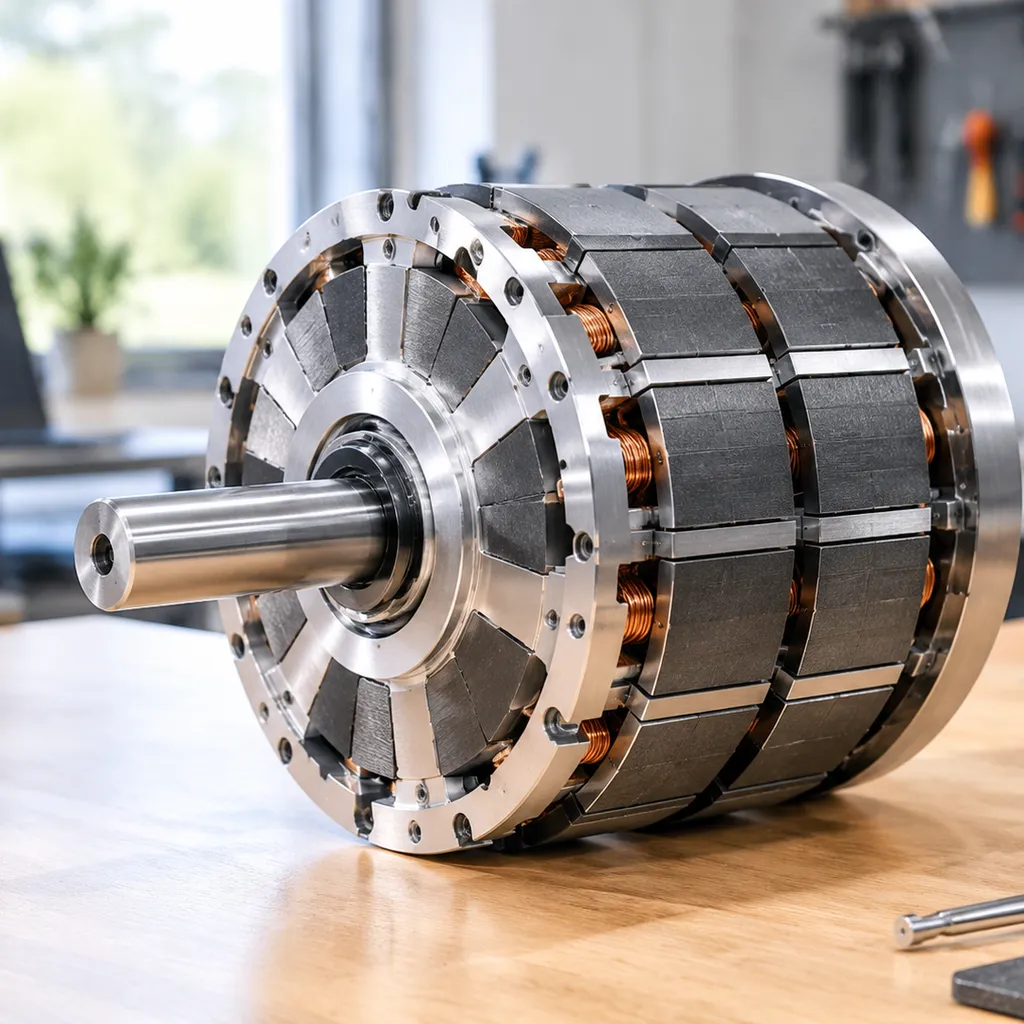
In appliances, these magnets are often found in motors, latches, sensors, and speakers. For example, the motor in your washing machine relies on magnets to spin the drum. Magnetic latches hold refrigerator doors closed securely, and sensors in microwaves use magnets to detect movement or position.
Common appliances that depend on magnets include refrigerators, microwaves, washing machines, and audio speakers. Each uses magnets differently based on its design and functionality.
Types of Magnets Used in Appliances
- Neodüma (NdFeB): Known for its high strength and compact size, neodymium magnets are ideal for modern and space-saving appliances like smartphone speakers, compact motors, and precision sensors.
- Ferriit (Savinik): These magnets are cost-effective and durable, making them a good fit for larger appliances such as refrigerator seals and washing machine parts.
- Alnico: Alnico magnets resist high temperatures well, which is why they are used in appliances exposed to heat, like some microwave components or heat sensors.
- Sammarium-kobalt (SmCo): Known for corrosion resistance and stability in harsh environments, SmCo magnets are used in specialized appliances needing reliable performance over time.
Key Properties of Magnets in Appliances
When choosing the right magnet, consider these essential properties:
- Magnetjõud: Measured in gauss or tesla, this determines how powerful the magnet is for your appliance’s needs.
- Temperatuuritaluvus: Make sure the magnet can handle the heat conditions inside your device.
- Size and shape compatibility: Magnets must fit the available space and match the appliance’s design.
- Corrosion resistance and coatings: Magnets durable against moisture and wear last longer, especially in humid or harsh environments.
Understanding these basics will help you pick the right magnet type for your appliance’s specific requirements, ensuring efficient performance and lasting reliability.
Factors to Consider When Choosing a Magnet for Your Appliance
Appliance Type and Magnet Function
Start by identifying the appliance and the role the magnet plays—whether it’s driving a motor, holding a door seal, or part of a speaker. Different appliances need different magnets. For example:
- Neodümiummagnetid are ideal for compact, high-performance motors because of their strong magnetic power in a small size.
- Ferriitmagnetid work well for refrigerator door seals or larger appliances where cost and durability matter more than size.
Strength and Performance Needs
Match the magnet’s strength to the specific load or task in your appliance. Using a magnet that’s too weak can cause poor performance, but overpowered magnets might damage components or waste energy. Always check the required gauss or tesla ratings for the job.
Keskkonnatingimused
Consider the conditions inside the appliance:
- Tempereatuur: Some magnets lose strength or get damaged by heat. For high-heat environments, like ovens or some motors, Alnico magnetid are a better fit because of their heat resistance.
- Humidity and Corrosion: If your appliance works in humid or wet conditions, go for corrosion-resistant magnets. Coated neodymium or Sammarium-kobalt (SmCo) magnets stand up well in those situations.
Size and Shape Constraints
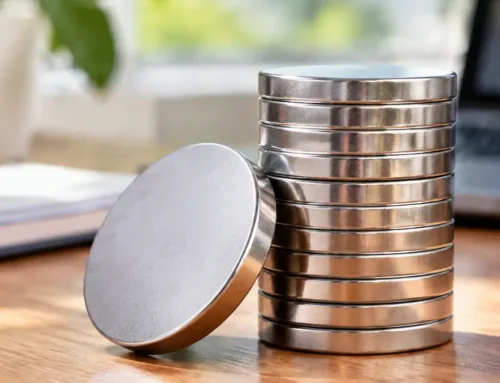
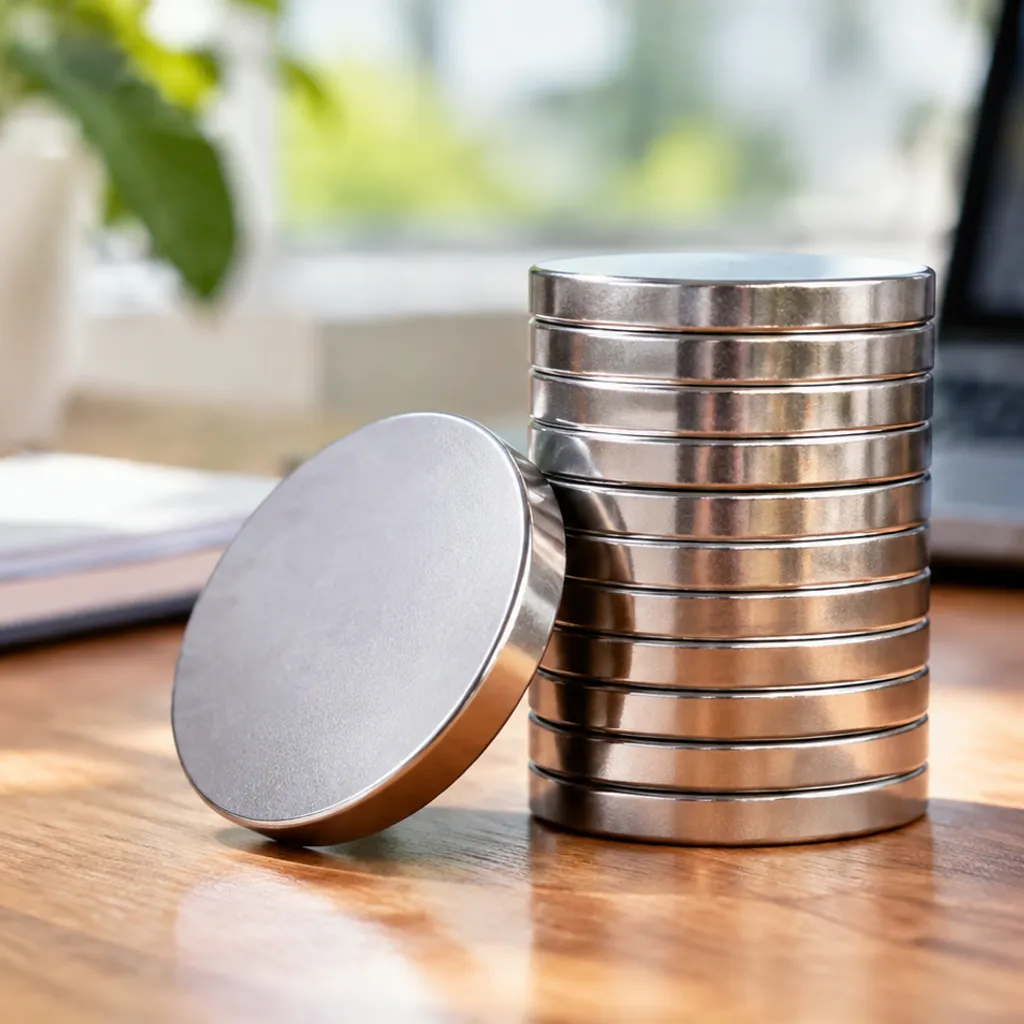
Measure the space where the magnet will fit. Appliances often require specific magnet shapes like discs, blocks, or rings — sometimes even custom designs. Making sure the size and shape fit can save you installation headaches and ensure better performance. If you want to learn about common magnet shapes, check out this overview of disc magnets.
Budget Considerations
cURL Too many subrequests by single Worker invocation. To configure this limit, refer to https://developers.cloudflare.com/workers/wrangler/configuration/#limits
cURL Too many subrequests by single Worker invocation. To configure this limit, refer to https://developers.cloudflare.com/workers/wrangler/configuration/#limits
cURL Too many subrequests by single Worker invocation. To configure this limit, refer to https://developers.cloudflare.com/workers/wrangler/configuration/#limits
cURL Too many subrequests by single Worker invocation. To configure this limit, refer to https://developers.cloudflare.com/workers/wrangler/configuration/#limits
cURL Too many subrequests by single Worker invocation. To configure this limit, refer to https://developers.cloudflare.com/workers/wrangler/configuration/#limits
cURL Too many subrequests by single Worker invocation. To configure this limit, refer to https://developers.cloudflare.com/workers/wrangler/configuration/#limits
cURL Too many subrequests by single Worker invocation. To configure this limit, refer to https://developers.cloudflare.com/workers/wrangler/configuration/#limits
cURL Too many subrequests by single Worker invocation. To configure this limit, refer to https://developers.cloudflare.com/workers/wrangler/configuration/#limits
cURL Too many subrequests by single Worker invocation. To configure this limit, refer to https://developers.cloudflare.com/workers/wrangler/configuration/#limits
cURL Too many subrequests by single Worker invocation. To configure this limit, refer to https://developers.cloudflare.com/workers/wrangler/configuration/#limits
cURL Too many subrequests by single Worker invocation. To configure this limit, refer to https://developers.cloudflare.com/workers/wrangler/configuration/#limits
cURL Too many subrequests by single Worker invocation. To configure this limit, refer to https://developers.cloudflare.com/workers/wrangler/configuration/#limits
cURL Too many subrequests by single Worker invocation. To configure this limit, refer to https://developers.cloudflare.com/workers/wrangler/configuration/#limits
cURL Too many subrequests by single Worker invocation. To configure this limit, refer to https://developers.cloudflare.com/workers/wrangler/configuration/#limits
cURL Too many subrequests by single Worker invocation. To configure this limit, refer to https://developers.cloudflare.com/workers/wrangler/configuration/#limits
- cURL Too many subrequests by single Worker invocation. To configure this limit, refer to https://developers.cloudflare.com/workers/wrangler/configuration/#limits cURL Too many subrequests by single Worker invocation. To configure this limit, refer to https://developers.cloudflare.com/workers/wrangler/configuration/#limits
- cURL Too many subrequests by single Worker invocation. To configure this limit, refer to https://developers.cloudflare.com/workers/wrangler/configuration/#limits cURL Too many subrequests by single Worker invocation. To configure this limit, refer to https://developers.cloudflare.com/workers/wrangler/configuration/#limits
- cURL Too many subrequests by single Worker invocation. To configure this limit, refer to https://developers.cloudflare.com/workers/wrangler/configuration/#limits cURL Too many subrequests by single Worker invocation. To configure this limit, refer to https://developers.cloudflare.com/workers/wrangler/configuration/#limits
- cURL Too many subrequests by single Worker invocation. To configure this limit, refer to https://developers.cloudflare.com/workers/wrangler/configuration/#limits cURL Too many subrequests by single Worker invocation. To configure this limit, refer to https://developers.cloudflare.com/workers/wrangler/configuration/#limits
cURL Too many subrequests by single Worker invocation. To configure this limit, refer to https://developers.cloudflare.com/workers/wrangler/configuration/#limits
cURL Too many subrequests by single Worker invocation. To configure this limit, refer to https://developers.cloudflare.com/workers/wrangler/configuration/#limits
When it comes to choosing magnets for your appliances, NBAEM stands out for its expertise in high-quality magnetic materials. Whether you need strong neodymium magnets for compact motors or cost-effective ferrite magnets for larger household devices, NBAEM delivers reliable products designed to perform.
What sets NBAEM apart is their ability to provide custom magnet solutions tailored to your exact appliance requirements. Plus, their competitive pricing means you get durable, high-performance magnets without breaking your budget. On top of that, NBAEM ensures fast and dependable delivery right to your doorstep.
You can also count on NBAEM’s certified quality assurance and responsive customer support to guide you from selection through installation. For a trusted magnetic materials supplier that understands the worldwide appliances market, NBAEM is your go-to choice.
Visit NBAEM’s website for detailed product catalogs or to schedule a consultation and find the perfect magnet for your appliance.
 Estonian
 English
 German
 Vietnamese
 Spanish (Mexico)
 Russian
 Turkish
 Polish
 Hindi
 Thai
 Malay
 Korean
 Japanese
 French
 Czech
 Danish
 Dutch
 Finnish
 Italian
 Portuguese (Brazil)
 Portuguese (Portugal)
 Slovenian
 Ukrainian
 Hebrew
 Scottish Gaelic
 Hungarian
 Tagalog
 Spanish (Spain)
 Serbian
 Indonesian
 Slovak
 Dutch (Belgium)
 Persian
 Arabic
 Romanian
 Greek
 Bulgarian
Jäta kommentaar