
What Is Magnetism
Magnetism is a physical phenomenon where materials exert an attractive or repulsive force on other materials due to the motion of electric charges. It arises from the alignment of magnetic moments of atoms within a substance.
There are several types of magnetism, each describing how materials respond to magnetic fields:
- Ferromagnetism: Strong attraction to magnets. Atoms align their magnetic moments in the same direction. Examples: iron, nickel, cobalt.
- Paramagnetism: Weak attraction to magnetic fields. Magnetic moments are randomly aligned but can align slightly under a magnetic field. Examples: aluminum, platinum.
- Diamagnetism: Weak repulsion by magnetic fields. Electrons create induced magnetic fields opposite to the applied field. Examples: copper, bismuth.
- Antiferromagnetism and ferrimagnetism: Complex arrangements where magnetic moments oppose or partially oppose each other.
Not all metals are magnetic because magnetism depends on atomic structure and electron arrangement. Metals like iron have unpaired electrons and strong atomic alignments, making them magnetic. Others, such as aluminum, have paired electrons and weaker atomic interactions, leading to little or no magnetic attraction in everyday use.
The Magnetic Properties of Aluminum
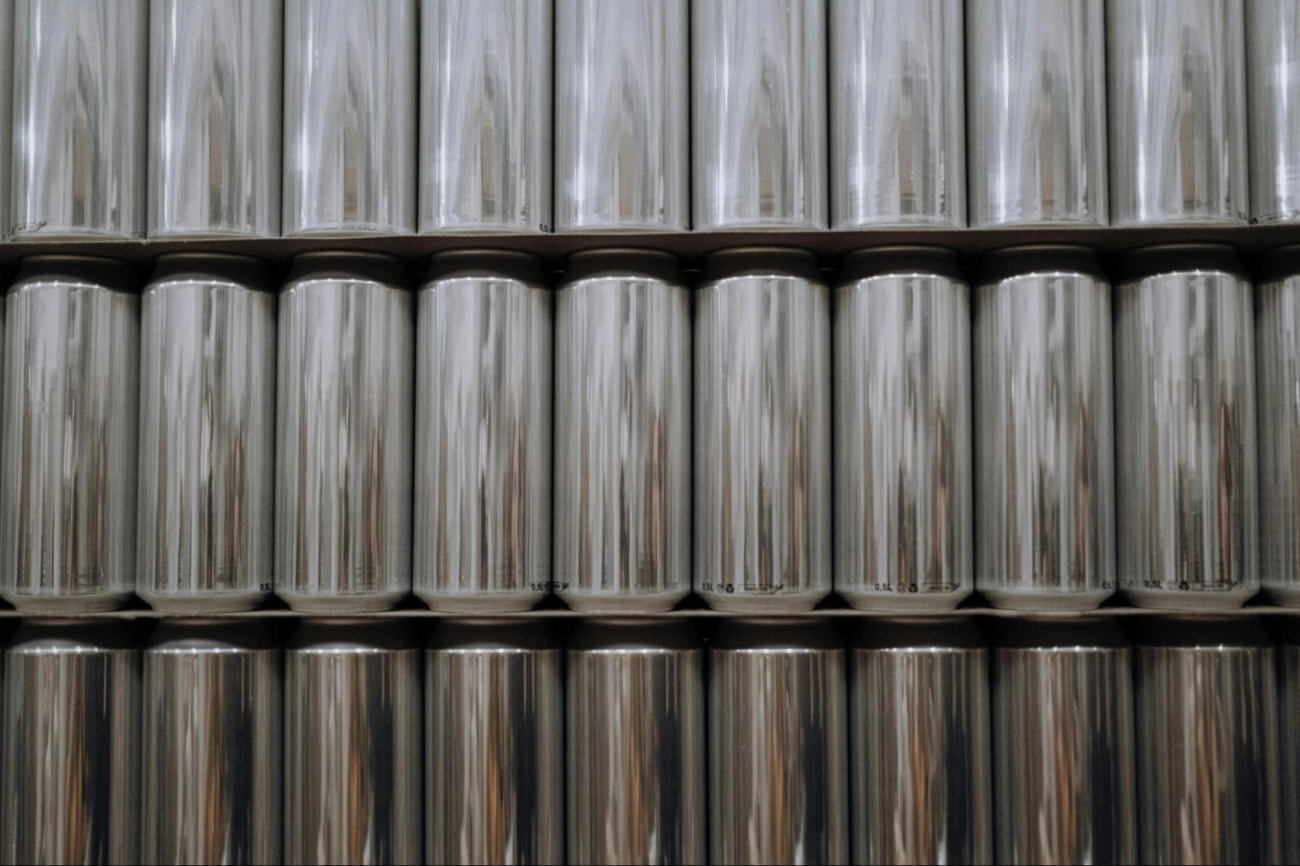
Aluminum is classified as a paramagnetic material. This means it has a very weak attraction to magnetic fields, which is quite different from ferromagnetic materials like iron or nickel that are strongly magnetic. Paramagnetism happens because aluminum’s atoms have unpaired electrons, but the effect is too small to create a permanent magnetic field or pull magnets toward it noticeably.
In everyday life, aluminum is usually considered non-magnetic because its response to magnets is so subtle that you won’t see aluminum sticking to a fridge magnet or attracting a magnet on its own. Its magnetic behavior only becomes noticeable under strong magnetic fields or in specially controlled experiments.
Scientific studies confirm this by showing aluminum’s slight magnetic attraction can be measured, but it’s very weak compared to common ferromagnetic metals. This is why aluminum is often grouped with non-magnetic materials in practical settings.
How Aluminum Reacts to Magnetic Fields
Aluminum doesn’t stick to magnets like iron or steel, but it does interact with magnetic fields in some interesting ways. When you bring a magnet close to aluminum, you won’t see any attraction because aluminum is paramagnetic, meaning it’s only weakly influenced by magnetic fields.
In practical terms, aluminum responds mostly through what’s called eddy currents. When a changing magnetic field passes near aluminum, it creates small electric currents inside the metal. These eddy currents produce their own magnetic fields, which can oppose the original field. This effect is why aluminum heats up in induction cooking or in electromagnetic braking systems.
Here are some real-world examples of aluminum reacting to magnets:
- Induction heating cooks food by inducing eddy currents in aluminum pans.
- Electromagnetic braking systems on trains use aluminum to slow down wheels without physical contact.
- Magnetic levitation tests show aluminum slightly repels magnetic fields but isn’t pulled toward them.
This unique interaction makes aluminum useful in applications where magnetic responses are needed without the metal becoming magnetized itself.
We can test by putting a strong neodymium magnet near aluminum can. Please watch this video from Magnetsandmotors.
Comparing Aluminum with Other Metals
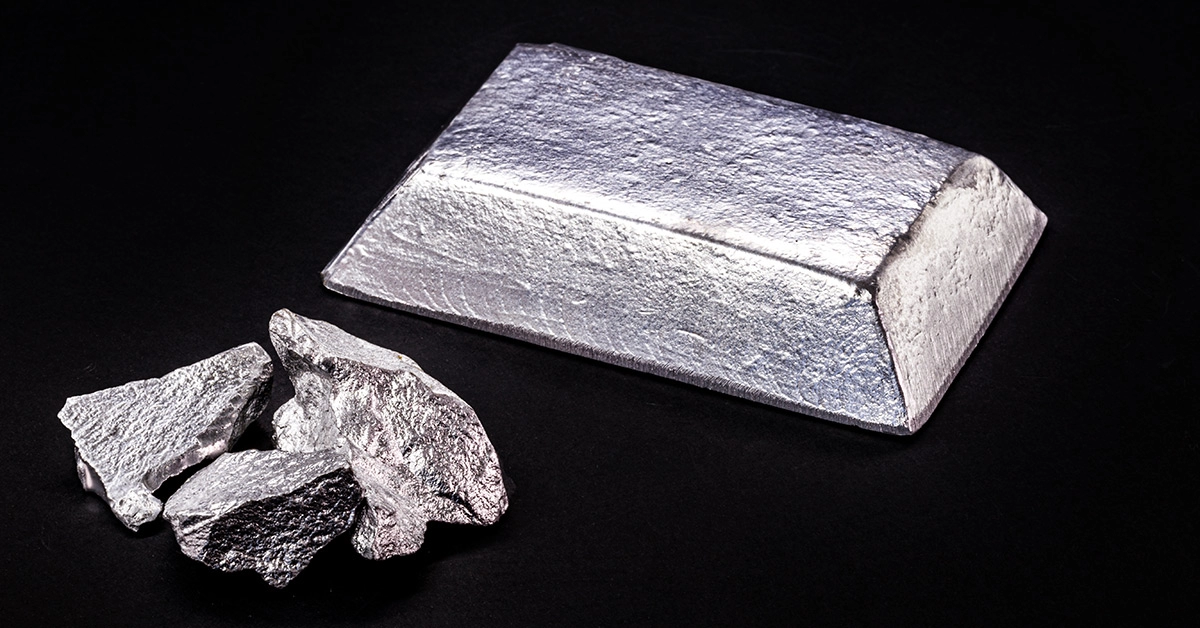
When we look at common metals like iron, steel, nickel, and cobalt, they are all ferromagnetic. This means they have strong magnetic properties and are easily attracted to magnets. Aluminum, on the other hand, is very different. It is paramagnetic—its magnetic response is much weaker and only noticeable under strong magnetic fields. That’s why aluminum doesn’t stick to magnets like iron or steel does.
Here’s a quick rundown:
- Ferromagnetic metals (iron, steel, nickel, cobalt): Strongly attracted to magnets, used in motors, transformers, and magnetic storage.
- Aluminum: Slightly attracted only under strong fields, but generally seen as non-magnetic in everyday use.
cURL Too many subrequests by single Worker invocation. To configure this limit, refer to https://developers.cloudflare.com/workers/wrangler/configuration/#limits
- cURL Too many subrequests by single Worker invocation. To configure this limit, refer to https://developers.cloudflare.com/workers/wrangler/configuration/#limits cURL Too many subrequests by single Worker invocation. To configure this limit, refer to https://developers.cloudflare.com/workers/wrangler/configuration/#limits
- cURL Too many subrequests by single Worker invocation. To configure this limit, refer to https://developers.cloudflare.com/workers/wrangler/configuration/#limitscURL Too many subrequests by single Worker invocation. To configure this limit, refer to https://developers.cloudflare.com/workers/wrangler/configuration/#limits
- cURL Too many subrequests by single Worker invocation. To configure this limit, refer to https://developers.cloudflare.com/workers/wrangler/configuration/#limits cURL Too many subrequests by single Worker invocation. To configure this limit, refer to https://developers.cloudflare.com/workers/wrangler/configuration/#limitscURL Too many subrequests by single Worker invocation. To configure this limit, refer to https://developers.cloudflare.com/workers/wrangler/configuration/#limits
cURL Too many subrequests by single Worker invocation. To configure this limit, refer to https://developers.cloudflare.com/workers/wrangler/configuration/#limits
- cURL Too many subrequests by single Worker invocation. To configure this limit, refer to https://developers.cloudflare.com/workers/wrangler/configuration/#limits
- cURL Too many subrequests by single Worker invocation. To configure this limit, refer to https://developers.cloudflare.com/workers/wrangler/configuration/#limits cURL Too many subrequests by single Worker invocation. To configure this limit, refer to https://developers.cloudflare.com/workers/wrangler/configuration/#limits cURL Too many subrequests by single Worker invocation. To configure this limit, refer to https://developers.cloudflare.com/workers/wrangler/configuration/#limits
cURL Too many subrequests by single Worker invocation. To configure this limit, refer to https://developers.cloudflare.com/workers/wrangler/configuration/#limits
cURL Too many subrequests by single Worker invocation. To configure this limit, refer to https://developers.cloudflare.com/workers/wrangler/configuration/#limits
cURL Too many subrequests by single Worker invocation. To configure this limit, refer to https://developers.cloudflare.com/workers/wrangler/configuration/#limits
cURL Too many subrequests by single Worker invocation. To configure this limit, refer to https://developers.cloudflare.com/workers/wrangler/configuration/#limits
cURL Too many subrequests by single Worker invocation. To configure this limit, refer to https://developers.cloudflare.com/workers/wrangler/configuration/#limits
- cURL Too many subrequests by single Worker invocation. To configure this limit, refer to https://developers.cloudflare.com/workers/wrangler/configuration/#limits
- cURL Too many subrequests by single Worker invocation. To configure this limit, refer to https://developers.cloudflare.com/workers/wrangler/configuration/#limits
- cURL Too many subrequests by single Worker invocation. To configure this limit, refer to https://developers.cloudflare.com/workers/wrangler/configuration/#limits
cURL Too many subrequests by single Worker invocation. To configure this limit, refer to https://developers.cloudflare.com/workers/wrangler/configuration/#limits magnetilised materjalid sensorikasutusekscURL Too many subrequests by single Worker invocation. To configure this limit, refer to https://developers.cloudflare.com/workers/wrangler/configuration/#limits
cURL Too many subrequests by single Worker invocation. To configure this limit, refer to https://developers.cloudflare.com/workers/wrangler/configuration/#limits
cURL Too many subrequests by single Worker invocation. To configure this limit, refer to https://developers.cloudflare.com/workers/wrangler/configuration/#limits

 Estonian
 English
 German
 Vietnamese
 Spanish (Mexico)
 Russian
 Turkish
 Polish
 Hindi
 Thai
 Malay
 Korean
 Japanese
 French
 Czech
 Danish
 Dutch
 Finnish
 Italian
 Portuguese (Brazil)
 Portuguese (Portugal)
 Slovenian
 Ukrainian
 Hebrew
 Scottish Gaelic
 Hungarian
 Tagalog
 Spanish (Spain)
 Serbian
 Indonesian
 Slovak
 Dutch (Belgium)
 Persian
 Arabic
 Romanian
 Greek
 Bulgarian

Jäta kommentaar