
The Science Behind Magnetic Elements
Engineers and material designers frequently ask us why specific elements exhibit strong magnetic pull while others remain functionally non-responsive. Magnetism originates at the subatomic level, dictated by electron configuration, orbital shell filling, and quantum mechanical interactions.
Unpaired Electron Spins and Atomic Dipoles
An element’s macro-level magnetic capability depends directly on its subatomic electron structure.
-
- d-Orbital and f-Orbital Mechanics: In transition metals and rare-earth elements, incompletely filled d-orbitals and f-orbitals harbor unpaired electron spins.
- Net Magnetic Dipoles: When electrons are paired, their equal and opposite quantum spins cancel each other out. Unpaired electron spins generate an uncompensated magnetic moment, transforming individual atoms into microscopic magnetic dipoles.
Exchange Interactions and Magnetic Domains
Individual atomic dipoles must cooperate to generate measurable field strength.
-
- Exchange Coupling: Powerful quantum interactions force neighboring electron spins within a magnetic crystal lattice to align parallel to one another.
- Magnetic Domains: These aligned atomic groups form microscopic magnetic domains. In an unmagnetized state, these domains point in random directions, canceling net field output. Applying an external field aligns these domains, dramatically raising overall permeabilitas magnetik.
Four Primary Types of Magnetic Behavior
We classify elemental magnetic behavior into four core structural categories based on orbital stability and field response:
-
- Ferromagnetism: Strong, spontaneous alignment of atomic magnetic domains. Ferromagnetic elements exhibit high field amplification and retain permanent magnetization after external fields are removed.
- Paramagnetism: Weak, temporary attraction to magnetic fields caused by scattered unpaired spins. Paramagnetic metals lose all measurable magnet strength instantly once the external magnetic field disappears.
- Diamagnetism: A universal, extremely weak magnetic repulsion occurring in elements where all electrons are paired. Diamagnetism is present in all matter but is completely masked in materials displaying paramagnetic or ferromagnetic properties.
- Ferrimagnetism: Occurs when adjacent magnetic sub-lattices align antiparallel but hold unequal magnetic moments, creating a permanent net magnetic dipole (commonly seen in structural oxides and ceramic compounds rather than pure metals).
Ferromagnetic Elements and Rare-Earth Metals
Only a select few pure elements exhibit strong intrinsic magnetic properties at standard conditions. When evaluating what elements are magneticcURL Too many subrequests by single Worker invocation. To configure this limit, refer to https://developers.cloudflare.com/workers/wrangler/configuration/#limits
cURL Too many subrequests by single Worker invocation. To configure this limit, refer to https://developers.cloudflare.com/workers/wrangler/configuration/#limits
cURL Too many subrequests by single Worker invocation. To configure this limit, refer to https://developers.cloudflare.com/workers/wrangler/configuration/#limits
-
- Iron (Fe): cURL Too many subrequests by single Worker invocation. To configure this limit, refer to https://developers.cloudflare.com/workers/wrangler/configuration/#limits
- cURL Too many subrequests by single Worker invocation. To configure this limit, refer to https://developers.cloudflare.com/workers/wrangler/configuration/#limits cURL Too many subrequests by single Worker invocation. To configure this limit, refer to https://developers.cloudflare.com/workers/wrangler/configuration/#limits
- cURL Too many subrequests by single Worker invocation. To configure this limit, refer to https://developers.cloudflare.com/workers/wrangler/configuration/#limits cURL Too many subrequests by single Worker invocation. To configure this limit, refer to https://developers.cloudflare.com/workers/wrangler/configuration/#limits
cURL Too many subrequests by single Worker invocation. To configure this limit, refer to https://developers.cloudflare.com/workers/wrangler/configuration/#limits mining magnetic couplingcURL Too many subrequests by single Worker invocation. To configure this limit, refer to https://developers.cloudflare.com/workers/wrangler/configuration/#limits
cURL Too many subrequests by single Worker invocation. To configure this limit, refer to https://developers.cloudflare.com/workers/wrangler/configuration/#limits
cURL Too many subrequests by single Worker invocation. To configure this limit, refer to https://developers.cloudflare.com/workers/wrangler/configuration/#limits
-
- cURL Too many subrequests by single Worker invocation. To configure this limit, refer to https://developers.cloudflare.com/workers/wrangler/configuration/#limits cURL Too many subrequests by single Worker invocation. To configure this limit, refer to https://developers.cloudflare.com/workers/wrangler/configuration/#limits
- cURL Too many subrequests by single Worker invocation. To configure this limit, refer to https://developers.cloudflare.com/workers/wrangler/configuration/#limits cURL Too many subrequests by single Worker invocation. To configure this limit, refer to https://developers.cloudflare.com/workers/wrangler/configuration/#limits
cURL Too many subrequests by single Worker invocation. To configure this limit, refer to https://developers.cloudflare.com/workers/wrangler/configuration/#limits
Understanding what elements are magnetic cURL Too many subrequests by single Worker invocation. To configure this limit, refer to https://developers.cloudflare.com/workers/wrangler/configuration/#limits
-
- cURL Too many subrequests by single Worker invocation. To configure this limit, refer to https://developers.cloudflare.com/workers/wrangler/configuration/#limits cURL Too many subrequests by single Worker invocation. To configure this limit, refer to https://developers.cloudflare.com/workers/wrangler/configuration/#limits
- cURL Too many subrequests by single Worker invocation. To configure this limit, refer to https://developers.cloudflare.com/workers/wrangler/configuration/#limits cURL Too many subrequests by single Worker invocation. To configure this limit, refer to https://developers.cloudflare.com/workers/wrangler/configuration/#limits
- cURL Too many subrequests by single Worker invocation. To configure this limit, refer to https://developers.cloudflare.com/workers/wrangler/configuration/#limits cURL Too many subrequests by single Worker invocation. To configure this limit, refer to https://developers.cloudflare.com/workers/wrangler/configuration/#limits
cURL Too many subrequests by single Worker invocation. To configure this limit, refer to https://developers.cloudflare.com/workers/wrangler/configuration/#limits
cURL Too many subrequests by single Worker invocation. To configure this limit, refer to https://developers.cloudflare.com/workers/wrangler/configuration/#limits
-
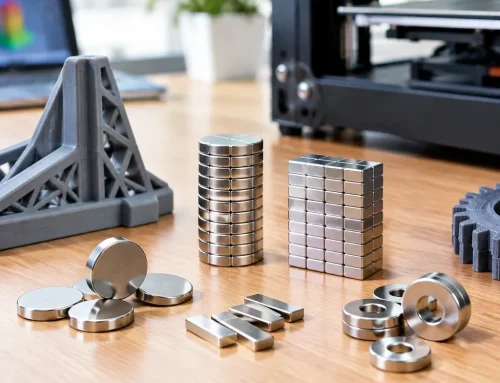
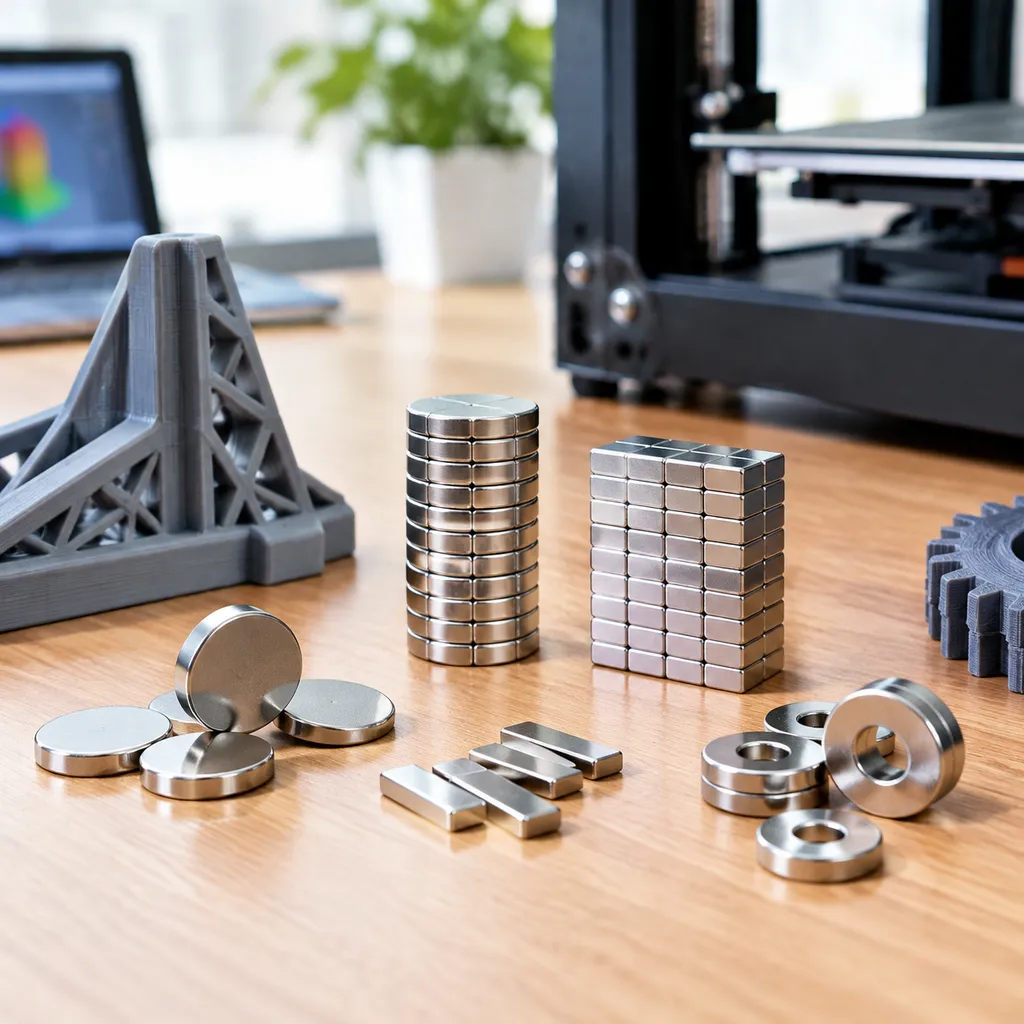
- Neodymium Iron Boron (Nd2Fe14B): Produces the highest maximum energy product for compact, high-torque designs, though it requires protective coatings against oxidation.
- Samarium-Cobalt Alloys (SmCo): Offers exceptional heat tolerance and intrinsic corrosion resistance up to 350°C. When evaluating samarium-cobalt vs neodymium magnets, operating temperature limits and environmental exposure dictate the material selection.
- AlNiCo and FeCrCo: Provide extreme Curie temperatures, low temperature coefficients, and superior machinability for specialized sensors and metering devices.
- Ferit (Keramik): Delivers cost-effective, highly rust-proof performance for high-volume electrical and industrial applications.
Engineers often ask are samarium-cobalt magnets stronger than neodymium for heavy-duty drive systems. While NdFeB offers higher raw power at room temperature, SmCo retains far greater structural magnetic strength in elevated thermal environments.
Thermal Limits and Curie Temperature
The Curie temperature ($T_C$) is the critical thermal threshold where ferromagnetic elements lose their permanent magnetic order and transition into a paramagnetic state. Above this temperature, thermal energy disrupts the exchange interactions that keep unpaired electron spins aligned in magnetic domains. Knowing what elements are magnetic and their thermal boundaries helps us engineer assemblies that withstand extreme operational conditions without catastrophic loss of remanence.
Curie Temperature vs. Working Temperature Limits
While pure elements like Iron, Cobalt, and Nickel define baseline atomic thermal thresholds, commercial alloys are tailored for specific industrial working environments.
| Material / Grade | Jenis Material | Curie Temperature ($T_C$) | Suhu Operasi Maksimal | Thermal Characteristic |
|---|---|---|---|---|
| Cobalt (Co) | Pure Element | 1121°C (2050°F) | ~500°C | Highest thermal stability of all pure metals |
| Iron (Fe) | Pure Element | 770°C (1418°F) | ~350°C | High baseline threshold; prone to oxidation |
| Nickel (Ni) | Pure Element | 358°C (676°F) | ~150°C | Low pure-element thermal limit |
| AlNiCo Alloys | Commercial Alloy | 800°C – 860°C | cURL Too many subrequests by single Worker invocation. To configure this limit, refer to https://developers.cloudflare.com/workers/wrangler/configuration/#limits | cURL Too many subrequests by single Worker invocation. To configure this limit, refer to https://developers.cloudflare.com/workers/wrangler/configuration/#limits |
| Samarium-Kobalt (SmCo) | cURL Too many subrequests by single Worker invocation. To configure this limit, refer to https://developers.cloudflare.com/workers/wrangler/configuration/#limits | cURL Too many subrequests by single Worker invocation. To configure this limit, refer to https://developers.cloudflare.com/workers/wrangler/configuration/#limits | cURL Too many subrequests by single Worker invocation. To configure this limit, refer to https://developers.cloudflare.com/workers/wrangler/configuration/#limits | cURL Too many subrequests by single Worker invocation. To configure this limit, refer to https://developers.cloudflare.com/workers/wrangler/configuration/#limits |
| cURL Too many subrequests by single Worker invocation. To configure this limit, refer to https://developers.cloudflare.com/workers/wrangler/configuration/#limits | cURL Too many subrequests by single Worker invocation. To configure this limit, refer to https://developers.cloudflare.com/workers/wrangler/configuration/#limits | cURL Too many subrequests by single Worker invocation. To configure this limit, refer to https://developers.cloudflare.com/workers/wrangler/configuration/#limits | 250°C | cURL Too many subrequests by single Worker invocation. To configure this limit, refer to https://developers.cloudflare.com/workers/wrangler/configuration/#limits |
| Neodymium (NdFeB) | cURL Too many subrequests by single Worker invocation. To configure this limit, refer to https://developers.cloudflare.com/workers/wrangler/configuration/#limits | cURL Too many subrequests by single Worker invocation. To configure this limit, refer to https://developers.cloudflare.com/workers/wrangler/configuration/#limits | cURL Too many subrequests by single Worker invocation. To configure this limit, refer to https://developers.cloudflare.com/workers/wrangler/configuration/#limits | cURL Too many subrequests by single Worker invocation. To configure this limit, refer to https://developers.cloudflare.com/workers/wrangler/configuration/#limits cURL Too many subrequests by single Worker invocation. To configure this limit, refer to https://developers.cloudflare.com/workers/wrangler/configuration/#limits cURL Too many subrequests by single Worker invocation. To configure this limit, refer to https://developers.cloudflare.com/workers/wrangler/configuration/#limits |
cURL Too many subrequests by single Worker invocation. To configure this limit, refer to https://developers.cloudflare.com/workers/wrangler/configuration/#limits
cURL Too many subrequests by single Worker invocation. To configure this limit, refer to https://developers.cloudflare.com/workers/wrangler/configuration/#limits
-
- cURL Too many subrequests by single Worker invocation. To configure this limit, refer to https://developers.cloudflare.com/workers/wrangler/configuration/#limits cURL Too many subrequests by single Worker invocation. To configure this limit, refer to https://developers.cloudflare.com/workers/wrangler/configuration/#limits
- cURL Too many subrequests by single Worker invocation. To configure this limit, refer to https://developers.cloudflare.com/workers/wrangler/configuration/#limits cURL Too many subrequests by single Worker invocation. To configure this limit, refer to https://developers.cloudflare.com/workers/wrangler/configuration/#limits
- cURL Too many subrequests by single Worker invocation. To configure this limit, refer to https://developers.cloudflare.com/workers/wrangler/configuration/#limits cURL Too many subrequests by single Worker invocation. To configure this limit, refer to https://developers.cloudflare.com/workers/wrangler/configuration/#limits
cURL Too many subrequests by single Worker invocation. To configure this limit, refer to https://developers.cloudflare.com/workers/wrangler/configuration/#limits
cURL Too many subrequests by single Worker invocation. To configure this limit, refer to https://developers.cloudflare.com/workers/wrangler/configuration/#limits
cURL Too many subrequests by single Worker invocation. To configure this limit, refer to https://developers.cloudflare.com/workers/wrangler/configuration/#limits
Electric vehicle (EV) powertrains demand maximal torque density and continuous efficiency under harsh thermal cycles.
-
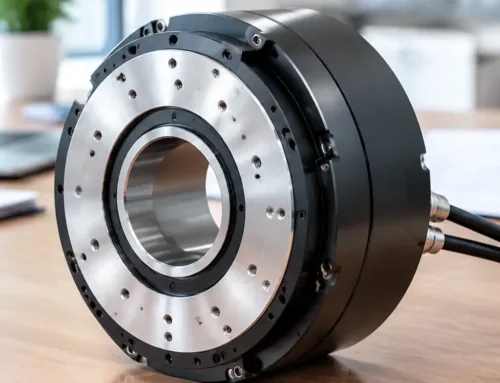
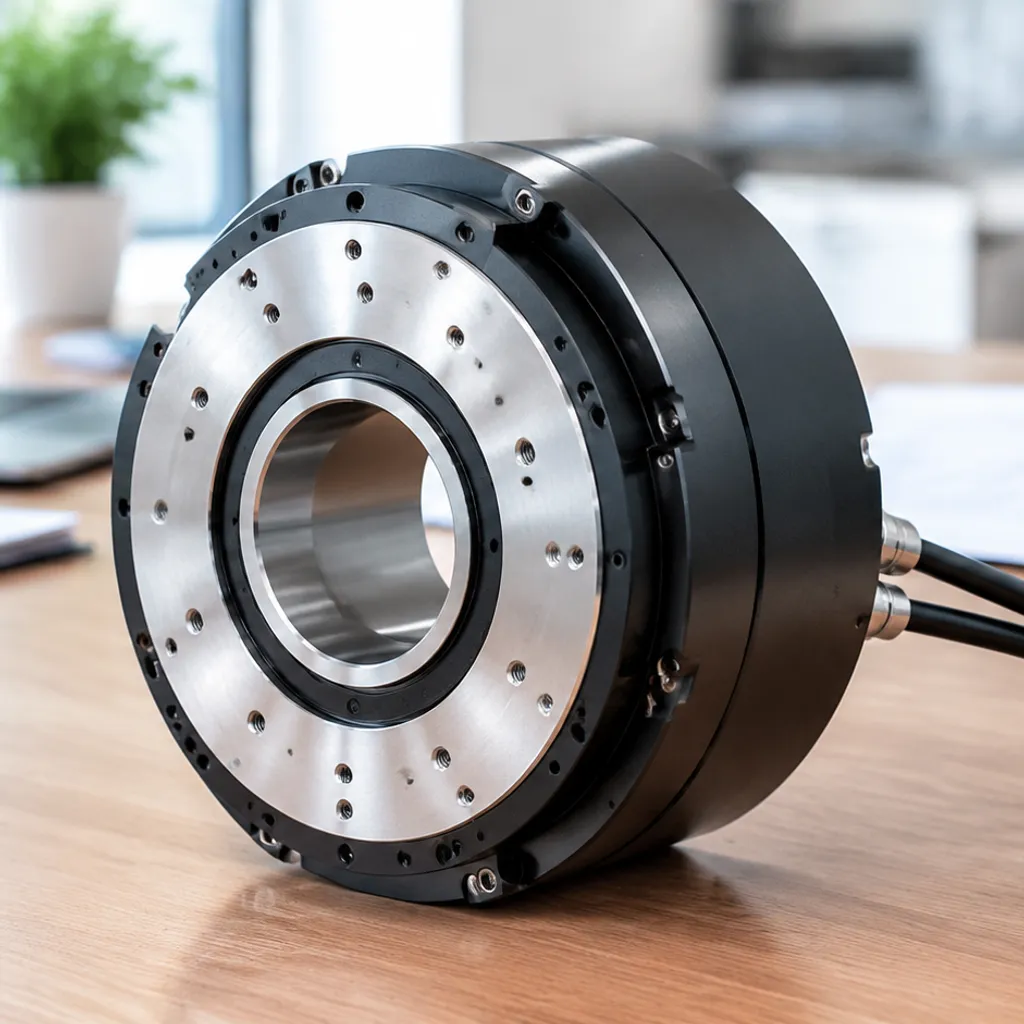
- Permanent Magnet Synchronous Motors (PMSM): Modern EV drive motors rely heavily on Neodymium-Iron-Boron (NdFeB) grades to deliver high flux density in compact footprints. Selecting the right motor magnets used in permanent magnet motors guarantees high demagnetization resistance during sudden load spikes.
- High-Efficiency Lamination Cores: Stator and rotor stacks built from ultra-thin silicon steel laminations suppress eddy current losses, maximizing overall drivetrain efficiency and battery range.
Medical & Precision Technology
Precision medical devices and automated equipment demand ultra-stable, highly uniform magnetic fields.
-
- NMR & MRI Systems: High-field imaging platforms require custom magnetic circuits with tight spatial tolerances to maintain field uniformity across the entire scanning volume.
- Medical Robotics: Micro-actuators rely on compact, power-dense magnetic assemblies for ultra-precise movement. Leveraging specialized neodymium magnets in microrobotics enables accurate spatial positioning and responsive force feedback in minimally invasive surgical tools.
Renewable Energy & Heavy Industry
Heavy equipment relies on hard-magnetic materials to sustain high mechanical stress, extreme weather, and continuous duty cycles.
-
- Direct-Drive Wind Turbines: Eliminating gearboxes, utility-scale wind generators use tons of heavy-grade rare-earth magnets to deliver long life cycles and minimal maintenance in offshore environments.
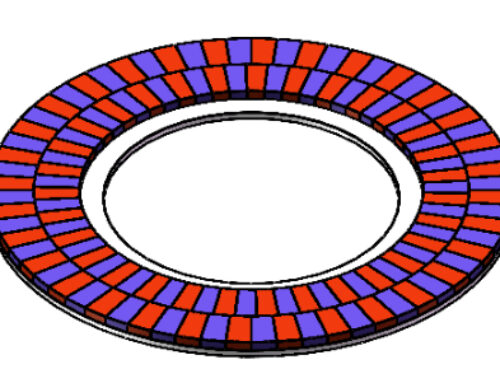
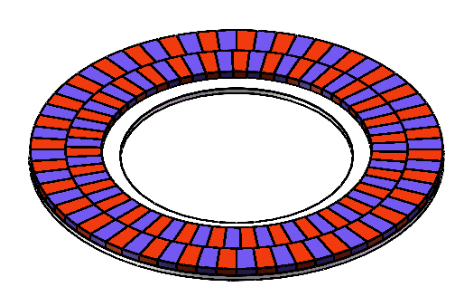
- Halbach Arrays: Arranging permanent magnets in specific spatial patterns focuses the magnetic field strictly on one side, doubling peak field strength for specialized linear propulsion systems and maglev track guidance.
- Industrial Separators & Pot Magnets: Heavy-duty magnetic separators remove tramp metal from raw material streams to protect downstream crushers, while pot magnets offer high holding forces for heavy lifting jigs and structural clamping.
Custom Magnetic Engineering & Manufacturing Solutions
Knowing what elements are magnetic is only the baseline. Converting raw magnetic elements into high-performance industrial components demands precise engineering, advanced processing, and reliable supply chain management. We bridge the gap between raw material science and high-spec enterprise applications.
14+ Years of Material & R&D Expertise
We bring over 14 years of hands-on experience in magnetic material design, R&D, and global sourcing. Our engineering team customizes alloy compositions to optimize magnetic permeability, coercivity, and thermal stability for demanding B2B applications.
Full-Spectrum Manufacturing Capabilities
We manage the full production lifecycle to deliver consistent component quality:
Raw Rare-Earth Processing: Direct sourcing and refining of high-grade rare-earth permanent magnets.
Custom Magnetic Assemblies: Designing structural assemblies and selecting optimal magnet materials for Halbach arrays and rotor systems.
cURL Too many subrequests by single Worker invocation. To configure this limit, refer to https://developers.cloudflare.com/workers/wrangler/configuration/#limits cURL Too many subrequests by single Worker invocation. To configure this limit, refer to https://developers.cloudflare.com/workers/wrangler/configuration/#limits
cURL Too many subrequests by single Worker invocation. To configure this limit, refer to https://developers.cloudflare.com/workers/wrangler/configuration/#limits
cURL Too many subrequests by single Worker invocation. To configure this limit, refer to https://developers.cloudflare.com/workers/wrangler/configuration/#limits inti laminasi motor cURL Too many subrequests by single Worker invocation. To configure this limit, refer to https://developers.cloudflare.com/workers/wrangler/configuration/#limits
cURL Too many subrequests by single Worker invocation. To configure this limit, refer to https://developers.cloudflare.com/workers/wrangler/configuration/#limits cURL Too many subrequests by single Worker invocation. To configure this limit, refer to https://developers.cloudflare.com/workers/wrangler/configuration/#limits
cURL Too many subrequests by single Worker invocation. To configure this limit, refer to https://developers.cloudflare.com/workers/wrangler/configuration/#limits cURL Too many subrequests by single Worker invocation. To configure this limit, refer to https://developers.cloudflare.com/workers/wrangler/configuration/#limits
cURL Too many subrequests by single Worker invocation. To configure this limit, refer to https://developers.cloudflare.com/workers/wrangler/configuration/#limits cURL Too many subrequests by single Worker invocation. To configure this limit, refer to https://developers.cloudflare.com/workers/wrangler/configuration/#limits
cURL Too many subrequests by single Worker invocation. To configure this limit, refer to https://developers.cloudflare.com/workers/wrangler/configuration/#limits
cURL Too many subrequests by single Worker invocation. To configure this limit, refer to https://developers.cloudflare.com/workers/wrangler/configuration/#limits
cURL Too many subrequests by single Worker invocation. To configure this limit, refer to https://developers.cloudflare.com/workers/wrangler/configuration/#limits cURL Too many subrequests by single Worker invocation. To configure this limit, refer to https://developers.cloudflare.com/workers/wrangler/configuration/#limits
ISO/TS16949: cURL Too many subrequests by single Worker invocation. To configure this limit, refer to https://developers.cloudflare.com/workers/wrangler/configuration/#limits
Tingkat PPAP 3: cURL Too many subrequests by single Worker invocation. To configure this limit, refer to https://developers.cloudflare.com/workers/wrangler/configuration/#limits
cURL Too many subrequests by single Worker invocation. To configure this limit, refer to https://developers.cloudflare.com/workers/wrangler/configuration/#limits
cURL Too many subrequests by single Worker invocation. To configure this limit, refer to https://developers.cloudflare.com/workers/wrangler/configuration/#limits
cURL Too many subrequests by single Worker invocation. To configure this limit, refer to https://developers.cloudflare.com/workers/wrangler/configuration/#limits
cURL Too many subrequests by single Worker invocation. To configure this limit, refer to https://developers.cloudflare.com/workers/wrangler/configuration/#limits cURL Too many subrequests by single Worker invocation. To configure this limit, refer to https://developers.cloudflare.com/workers/wrangler/configuration/#limits
cURL Too many subrequests by single Worker invocation. To configure this limit, refer to https://developers.cloudflare.com/workers/wrangler/configuration/#limits cURL Too many subrequests by single Worker invocation. To configure this limit, refer to https://developers.cloudflare.com/workers/wrangler/configuration/#limits
cURL Too many subrequests by single Worker invocation. To configure this limit, refer to https://developers.cloudflare.com/workers/wrangler/configuration/#limits
Neither metal possesses the required unpaired electron spins or crystal domain alignment needed for ferromagnetism. Copper is weakly diamagnetic and slightly repels magnetic fields, whereas aluminum is weakly paramagnetic. To dive deeper into non-ferrous behavior, see our technical breakdown on apakah aluminium bahan magnetik under standard operating conditions.
Are All Rare-Earth Elements Magnetic by Themselves?
No. Although lanthanides have unpaired 4f orbital electrons, most only exhibit ferromagnetism at cryogenic temperatures. Gadolinium is the sole rare-earth element that remains ferromagnetic near room temperature (up to 20°C / 68°F). Others, such as dysprosium, terbium, and neodymium, must be alloyed with transition metals like iron and cobalt to achieve stable room-temperature magnetism.
How Do Temperature Fluctuations Affect Magnet Performance in Motor Applications?
Thermal energy increases atomic vibration, which disrupts electron spin alignment and degrades magnetic flux density:
Reversible Loss: Operating within maximum rated temperatures causes minor, temporary drops in remanence that fully recover upon cooling.
Irreversible Demagnetization: Exceeding maximum working limits or approaching the Curie temperature alters domain structures permanently, causing thermal torque degradation and permanent efficiency loss in motor lamination cores.
 Indonesian
 English
 German
 Vietnamese
 Spanish (Mexico)
 Russian
 Turkish
 Polish
 Hindi
 Thai
 Malay
 Korean
 Japanese
 French
 Czech
 Danish
 Dutch
 Finnish
 Italian
 Portuguese (Brazil)
 Portuguese (Portugal)
 Slovenian
 Ukrainian
 Hebrew
 Scottish Gaelic
 Hungarian
 Tagalog
 Spanish (Spain)
 Serbian
 Slovak
 Dutch (Belgium)
 Persian
 Arabic
 Romanian
 Estonian
 Greek
 Bulgarian
Tinggalkan Komentar