
What Is Permanent Magnet?
Magnets are all around us, but have you ever stopped to think about what makes a magnet “permanent”? Let’s break it down.
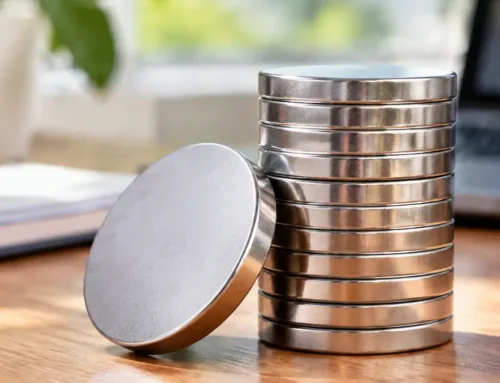
A permanent magnet is made from a material that has been magnetized and can hold its magnetic field without needing electricity or another power source.
Magnets play a role in everything from motors to sensors, and knowing how they work can help you choose the right one for your next project.
Which material is permanent magnet?
Magnets might seem like magic, but they are made from real materials with unique properties.
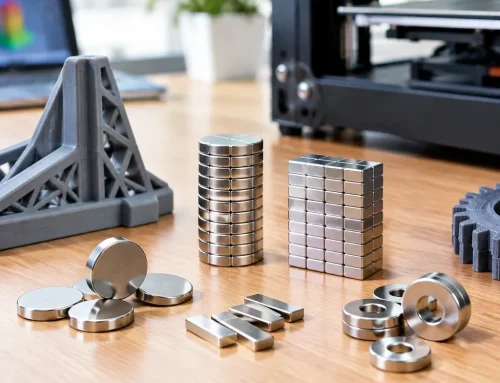
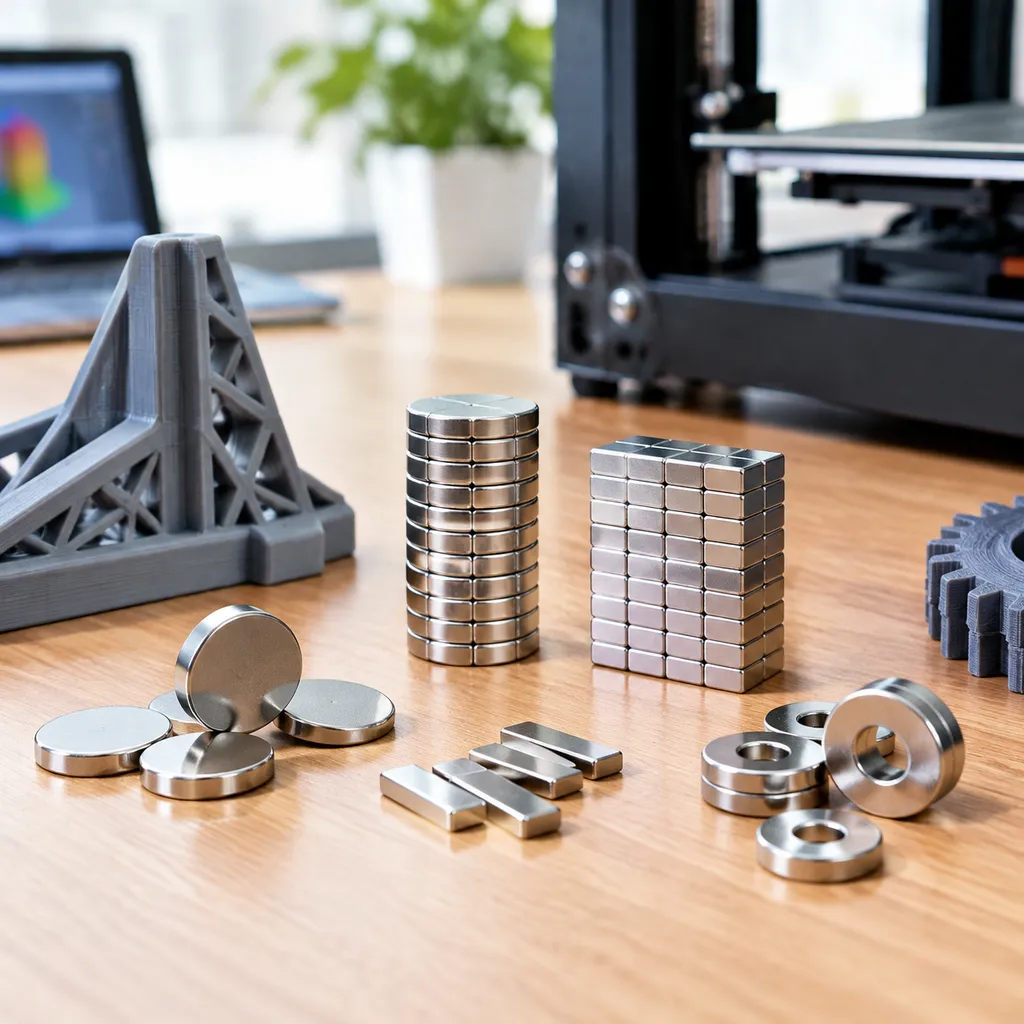
Permanent magnets are usually made from neodymium, samarium cobalt, alnico, or ferrite materials, each offering distinct performance characteristics.
Choosing the right magnetic material
Different permanent magnets are designed for specific needs. For example:
| Bahan | Properties | Penggunaan Umum |
|---|---|---|
| Neodymium (NdFeB) | High strength, low temp stability, prone to rust | High-performance motors, electronics |
| Samarium Kobalt | Good strength, high temp stability, corrosion-resistant | Aerospace, medical equipment |
| Alnico | High temp tolerance, moderate strength | cURL Too many subrequests by single Worker invocation. To configure this limit, refer to https://developers.cloudflare.com/workers/wrangler/configuration/#limits |
| Ferit (Keramik) | Inexpensive, corrosion-resistant, low strength | Speaker, magnet kulkas |
In my experience, many clients initially request neodymium magnets for their strong pull force. However, after understanding the application’s temperature and environment, we often switch to samarium cobalt for high heat resistance or ferrite for cost savings.
How do you know if a magnet is permanent?
It can be tricky to tell, but there are some easy signs to spot.
A magnet is permanent if it can attract ferromagnetic materials and retain magnetism even without an external power source.
Testing for permanence
Here are a few methods I use when evaluating if a magnet is permanent:
1. Observe Its Behavior
If a magnet can hold up a paperclip or attract a nail, it likely has a permanent magnetic field.
2. Check for External Power
Temporary magnets need electricity or an external field to maintain magnetism. Permanent magnets don’t. Unplug a device, and if the magnet still works, it’s permanent.
3. Consider the Material
- Neodymium and Samarium Cobalt: Always permanent.
- Elektromagnet: Only magnetic when powered.
4. Ask the Supplier
In my business, we always label magnets with their type. If a client is unsure, we check the material specification and magnetization method.
Here’s a comparison:
| Fitur | Permanent Magnet | Magnit Sementara |
|---|---|---|
| Needs power? | No | Ya |
| Bahan | NdFeB, SmCo, Alnico, Ferrite | Soft iron, coils |
| Magnetic duration | Long-term | cURL Too many subrequests by single Worker invocation. To configure this limit, refer to https://developers.cloudflare.com/workers/wrangler/configuration/#limits |
cURL Too many subrequests by single Worker invocation. To configure this limit, refer to https://developers.cloudflare.com/workers/wrangler/configuration/#limits
Kesimpulan
cURL Too many subrequests by single Worker invocation. To configure this limit, refer to https://developers.cloudflare.com/workers/wrangler/configuration/#limits
 Indonesian
 English
 German
 Vietnamese
 Spanish (Mexico)
 Russian
 Turkish
 Polish
 Hindi
 Thai
 Malay
 Korean
 Japanese
 French
 Czech
 Danish
 Dutch
 Finnish
 Italian
 Portuguese (Brazil)
 Portuguese (Portugal)
 Slovenian
 Ukrainian
 Hebrew
 Scottish Gaelic
 Hungarian
 Tagalog
 Spanish (Spain)
 Serbian
 Slovak
 Dutch (Belgium)
 Persian
 Arabic
 Romanian
 Estonian
 Greek
 Bulgarian

cURL Too many subrequests by single Worker invocation. To configure this limit, refer to https://developers.cloudflare.com/workers/wrangler/configuration/#limits
cURL Too many subrequests by single Worker invocation. To configure this limit, refer to https://developers.cloudflare.com/workers/wrangler/configuration/#limits