
Unprotected ネオジム磁石 will rust rapidly when exposed to moisture, outdoor weather, or high humidity. Because these super-strong NdFeB磁石 are made of roughly 60% to 70% 鉄, raw exposure triggers aggressive 腐食 that breaks down the sintered alloy and permanently destroys your 磁気引き力. In this guide, you’ll discover exactly why neodymium magnet corrosion happens, how protective layers like Ni-Cu-Ni と epoxy coatings shield your setup, and how to select the right 防水マグネット for any project. Let’s dive in!
Do Neodymium Magnets Rust? Understanding the Vulnerability
Yes, neodymium magnets rust rapidly when exposed to moisture and oxygen. While these raw super-magnets deliver unmatched pull force, their underlying material structure makes neodymium magnet corrosion an active threat without proper protection.
The Material Behind the Oxidation
The vulnerability stems directly from the elemental composition and manufacturing process of Neodymium-Iron-Boron (NdFeB) material:
-
- High Iron Content: Iron comprises roughly 60% to 70% of an NdFeB magnet’s total mass. This high concentration reacts aggressively with environmental moisture to form iron oxide.
- Neodymium Reactivity: Rare-earth neodymium is chemically active and oxidizes even faster than iron when exposed to open air.
- Sintered Structure: High-performance NdFeB magnets are produced via powder metallurgy (sintering). This leaves microscopic grain boundaries that naturally draw in damp air and trap moisture deep within the core.
How Rust Starts and Spreads
When moisture reaches an unprotected NdFeB core, the degradation follows a swift path:
-
- Surface Penetration: Atmospheric moisture or condensation penetrates through tiny pinholes, surface defects, or chipped outer layers.
- Chemical Reaction: Water vapor triggers immediate oxidation on the raw rare-earth alloy.
- Under-Film Creep: The rust expands beneath the remaining plating, breaking the adhesive bond between the coating and the core.
- Structural Degradation: The outer coating bubbles, flakes, and peels away, turning the solid, magnetized material into a crumbling, brittle powder.
What Makes Neodymium Magnets Rust Faster
While NdFeB material performs reliably in dry environments, specific exposure conditions can rapidly accelerate neodymium magnet corrosion. In our field testing and supply operations, we routinely observe six primary factors that breach protective coatings and speed up oxidation.
Key Environmental Corrosion Drivers
-
- Humidity and Moist Air: Prolonged exposure to ambient moisture in basements, bathrooms, or unheated warehouses gradually breaks down standard surface treatments.
- Direct Water Exposure: Rain, splashes, and fluid buildup trigger rapid oxidation. Repeated wetting and drying cycles cause nickel-plated magnets to rust prematurely from the outside in.
- Saltwater and Marine Environments: Salt serves as an aggressive catalyst. Seawater and salt air destroy unprotected magnets exponentially faster than freshwater.
- Chemicals and Acidic Vapors: Industrial solvents, acidic cleaners, and chemical fumes corrode protective plating and directly react with the iron content inside.
- Mechanical Damage to Coatings: Impacts, scratches, and chips expose the raw sintered core. Moisture enters through these microscopic cracks, causing rust to spread unseen beneath the remaining coating.
- Temperature Fluctuations: Rapid thermal changes cause moisture to condense on cold surfaces, trapping liquid water against the magnet face.
Environmental Impact on Magnet Degradation
| Exposure Factor | 腐食リスク | Primary Mechanism | Prevention Strategy |
|---|---|---|---|
| High Humidity | 中程度 | Continuous vapor penetration | Controlled dry storage |
| Direct Water Exposure | 高い | Trapped moisture & standing water | Epoxy-coated magnets |
| Marine / Saltwater | Extreme | Electrolytic salt reaction | Stainless steel encapsulation |
| Chipped Plating | Severe | Direct raw iron exposure | Handling spacers & protective boots |
Whether you are designing precision assemblies or selecting high-output grades like N52 and N55 magnets, environmental protection determines overall service life. Matching the protective barrier to your operating conditions prevents premature structural degradation and holding force loss.
Signs That a Neodymium Magnet Is Rusting
When I inspect field assemblies and industrial setups, corrosion on NdFeB magnets usually reveals itself long before total structural failure occurs. Recognizing neodymium magnet corrosion early helps prevent unexpected equipment downtime and safety hazards.
Visual Warning Signs
-
- Discoloration and Spots: Dark brown, orange, or reddish spots appearing on the metallic finish.
- Plating Failure: Bubbling, flaking, or peeling of the outer coating (nickel, epoxy, or zinc) as internal oxidation pushes outward.
- Surface Dullness: Loss of original metallic shine as oxidation degrades the outer metal layers.
Structural Warning Signs
-
- Pitting: Small pinholes or cavities forming on the magnet surface as material dissolves.
- Crumbling Edges: Flaking corners where high stress and moisture concentration accelerate iron decay.
- Surface Layer Cracks: Fine hairline fractures spreading across the surface guard, signaling core expansion.
Performance Warning Signs
-
- Reduced Holding Force: A clear loss in pull strength as raw iron turns into non-magnetic iron oxide.
- Increased Brittleness: The magnet becomes far more prone to cracking or shattering upon light impact.
- Risk of Structural Breakdown: Unchecked internal decay can eventually turn the core into fine powder, which is why evaluating サマリウムコバルト vs ネオジム磁石 is crucial for applications exposed to constant moisture.
Does Rust Affect Magnetic Strength?
So, do neodymium magnets rust and lose their holding power over time? Absolutely. When neodymium magnet corrosion sets in, the active iron within the NdFeB alloy converts into iron oxide—a non-magnetic compound. This chemical shift causes immediate, irreversible magnetic strength loss from rust.
What Rust Does to Pull Force
-
- Air Gap Creation: Flaking rust pushes the magnet away from steel surfaces, creating physical air gaps that drastically reduce pull force.
- Core Material Loss: As solid alloy turns to loose rust, the usable volume of active magnetic material permanently shrinks.
- Field Distortion: Pitting and crumbling ruin the surface flat, preventing clean, direct surface contact.
Long-Term Degradation Under the Plating
Oxidation rarely stops at the surface. Once moisture penetrates a damaged coating, rust spreads silently beneath the entire protective layer.
| Corrosion Stage | Structural Impact | Power Loss |
|---|---|---|
| Early Pinholes | Microscopic surface defects; plating begins lifting | < 5% loss |
| Internal Spreading | Sub-surface oxidation; coating bubbles and cracks | 15% – 30% loss |
| Core Breakdown | Magnet crumbles into powder; full structural failure | Permanent, total loss |
Safety and Equipment Risks
In our experience, a rusted magnet is a major liability in mechanical and holding applications:
-
- Particulate Pollution: Corroded magnets break down into sharp fragments and fine magnetic dust that clog moving machinery or ruin electronics.
- Unexpected Drop Failure: Structural weakening can cause a magnet to snap or release prematurely under load. In heavy-duty material handling, understanding how a magnetic lift works shows why maintaining core magnet integrity is critical to avoiding hazardous equipment failure.
Neodymium Magnet Coatings Explained
Since raw NdFeB alloy oxidizes quickly when exposed to moisture, applying a reliable neodymium magnet coating is your first line of defense against corrosion. Choosing the right surface protection depends entirely on where and how you plan to use the magnet.
1. Nickel-Copper-Nickel (Ni-Cu-Ni)
-
- Best For: Standard dry indoor use, office displays, and enclosed commercial products.
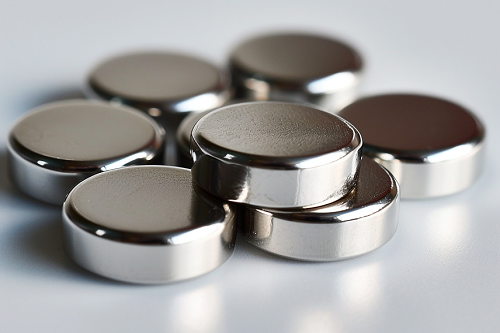
- Features: A classic triple-layer metallic plating that provides a smooth silver finish and excellent basic durability.
- Limitations: Mechanical impacts can chip the plating. Once compromised, moisture enters and causes nickel plated magnets to rust from the inside out. Commonly specified for dry assemblies, such as precision headphone magnets.
2. Epoxy Coating
-
- Best For: Humid rooms, outdoor exposure, and mild chemical environments.
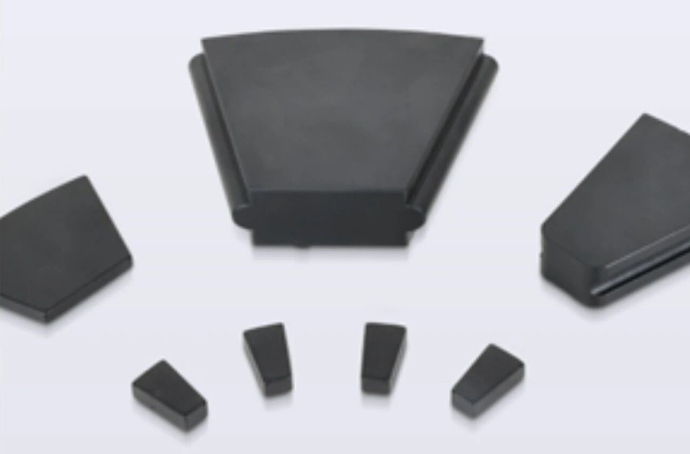
- Features: A black resin finish with superior salt spray and water resistance compared to standard metallic plating.
- Limitations: Softer than nickel plating; heavy abrasion or sharp physical impacts can wear down the protective layer.
3. Zinc Coating
-
- Best For: Cost-sensitive industrial parts in dry settings.
- Features: An economical galvanized barrier that offers basic corrosion defense at a lower price point.
- Limitations: Thinner overall coating that breaks down quickly when exposed to salt, high humidity, or outdoor weather.
4. Rubber or Plastic Coating
-
- Best For: Outdoor mounting, vehicle racks, and wet handling environments.
- Features: Encapsulates the core to create waterproof neodymium magnets with high surface friction and impact protection.
- Limitations: Adds physical distance (air gap) between the magnet core and the target, which slightly reduces direct pull strength.
5. Stainless Steel Housing or Encapsulation
-
- Best For: Marine applications, submerged equipment, and sanitary washdown zones.
- Features: Laser-welded or hermetically sealed 316 stainless steel casings that completely isolate the magnet from liquids and corrosive fumes.
- Limitations: Higher initial cost, but offers maximum physical and environmental protection.
Coating Selection Quick Reference
| Coating Option | Moisture Resistance | Impact Resistance | Ideal Environment |
|---|---|---|---|
| Ni-Cu-Ni | Fair (Dry indoors) | 低〜中 | Indoor fixtures, dry electronics |
| エポキシ | High (Humid / Damp) | 中程度 | Outdoor sensors, damp workshops |
| 亜鉛 | 低い | 低い | Enclosed, low-cost assemblies |
| Rubber / Plastic | High (Waterproof) | 高い | Marine mounts, painted surfaces |
| Stainless Steel | Maximum (Marine grade) | 非常に高い | Submerged, food-grade, or chemical plants |
Which Neodymium Magnets Are Best for Different Environments
Selecting the correct surface protection directly determines if your neodymium magnets rust or deliver long-term performance. I match specific coatings to operating conditions to ensure high NdFeB corrosion resistance across every application.
| 使用環境 | Recommended Coating / Solution | Primary Advantage |
|---|---|---|
| Indoor Dry Use | Standard Nickel (Ni-Cu-Ni) | Maximum holding force and cost efficiency |
| Humid / Semi-Outdoor | Black Epoxy or Rubber Coating | Excellent moisture barrier for high-humidity areas |
| Exposed Outdoor | Plastic Overmolding / Epoxy | UV and impact resistance with waterproof protection |
| Marine / Submerged | Stainless Steel Encapsulation | 100% sealed barrier against saltwater corrosion |
Indoor Dry Environments
Standard nickel plating works best in dry offices, retail setups, and enclosed equipment. While nickel-plated magnets rust when exposed to moisture, they provide ideal performance in climate-controlled spaces—similar to industrial components like what type of magnets are used for microwave magnets.
Humid or Semi-Outdoor Conditions
For workshops, basements, or sheltered outdoor setups, epoxy coated magnets prevent moisture infiltration. The epoxy layer fills microscopic pores on the sintered core to ensure long-term magnet rust prevention.
Fully Exposed Outdoor Settings
Outdoor equipment requires outdoor magnets for wet environments that can handle rain, temperature shifts, and impacts. Rubber-coated or plastic-overmolded designs shield the core from water exposure while cushioning against physical damage.
Marine and Submerged Environments
Saltwater creates an extreme corrosion hazard. For subsea or marine installations, I use fully sealed marine grade magnets encased in 316 stainless steel housings to completely eliminate moisture contact and prevent neodymium magnet corrosion.
How to Prevent Neodymium Magnets from Rusting
Preventing neodymium magnet corrosion requires proactive care right from the design stage. In our experience working with high-strength magnetic assemblies, keeping your magnets intact demands a combination of proper coating selection, physical protection, and dry storage.
Core Strategies for Magnet Rust Prevention
-
- Choose the Right Coating First: Match the plating to your working environment. While nickel-plated magnets suit dry indoor setups, we recommend epoxy coated magnets or rubber coatings for damp or wet conditions.
- Avoid Scratching or Chipping: Surface impact ruins protective layers. Use non-magnetic spacers during handling and design soft-touch housings to prevent direct metal-on-metal slamming.
- Store Magnets Correctly: Keep unused inventory in sealed plastic containers with desiccant packs to block humidity.
- Inspect Magnets Regularly: Check installed units for micro-cracks or discoloration to catch plating failure before core oxidation starts.
- Seal or Encapsulate for Critical Jobs: For extreme exposure, place magnets inside stainless steel housings or use custom plastic overmolding to create fully waterproof neodymium magnets.
Magnet Protection Cheat Sheet
| Action Step | Best Practice | Primary Benefit |
|---|---|---|
| Coating Selection | Match epoxy, rubber, or Ni-Cu-Ni to exposure levels | Blocks ambient moisture |
| Handling & Fitment | Use protective spacers; avoid hard impacts | Prevents plating chips & core exposure |
| Storage Control | Store in airtight containers with desiccant | Stops humidity buildup |
| Encapsulation | Custom overmolding or laser-welded housings | Essential for wet outdoor gear and household appliances |
Following these steps maximizes NdFeB corrosion resistance and ensures your assemblies maintain full magnetic strength over time.
Can You Clean Rust Off a Neodymium Magnet?
When clients ask us do neodymium magnets rust and whether they can be salvaged, we always evaluate the depth of the oxidation. You can clean light surface rust if caught immediately, but deep structural corrosion requires replacing the magnet entirely.
Light Surface Rust Management
If oxidation is strictly on the outer coating and hasn’t penetrated the iron-rich NdFeB core, you can safely clean it.
-
- Gentle Wiping: Use a soft microfiber cloth dampened with isopropyl alcohol or mild dish soap to wipe away light surface spots.
- Immediate Drying: Thoroughly dry the magnet with a lint-free towel right away. Trapped moisture triggers rapid re-oxidation.
- Protective Resealing: Apply a micro-layer of silicone grease, mineral oil, or clear acrylic sealant over the cleaned area to block air and moisture.
When Cleaning Is Not Enough
Cleaning only removes surface debris—it cannot restore lost magnetic material or repair broken structural bonds.
| Damage Level | Impact on Magnet | Action Required |
|---|---|---|
| Flaking Coating | Exposes the raw iron core to air | Apply sealant or replace |
| Deep Pitting | Permanent loss of mass and pull force | Replace magnet |
| Crumbling Edges | Severe structural failure and safety hazard | Dispose and replace |
Once neodymium magnet corrosion penetrates beneath the nickel or epoxy layer, the core crumbles into powdery iron oxide. At this stage, cleaning will not recover lost holding power.
What NOT to Do When Removing Rust
Attempting aggressive rust removal methods often causes permanent demagnetization or physical damage.
-
- Acidic Chemicals or Rust Removers: Vinegar, rust-dissolving acids, and harsh industrial solvents react aggressively with iron, rapidly eating away the core material.
- Abrasive Grinding or Machining: Scraping with wire brushes or sandpaper strips the remaining protective plating. If you are considering whether you can drill magnets or grind away rusted layers, avoid doing so—mechanical grinding generates combustible, toxic dust and destroys the magnetic material.
- Excessive Heat Application: Never use torch flames, heat guns, or ovens to burn off moisture or rust. Standard neodymium magnets permanently lose their magnetic charge when exposed to temperatures above 80°C (176°F).
When to Replace a Rusted Neodymium Magnet
People often ask me, do neodymium magnets rust to the point of complete failure? The answer is yes. Once neodymium magnet corrosion penetrates the protective surface, attempting to salvage the magnet usually causes more harm than good. I always recommend replacing the magnet immediately when you encounter these clear failure points:
-
- Deep Corrosion & Structural Loss: The internal material crumbles as iron oxidizes. If you see deep pitting, flaking powder, or cracked edges, the magnet has lost its structural integrity.
- Chipped Plating with Exposed Core: When nickel plated magnets rust through a scratched outer layer, atmospheric moisture quickly destroys the reactive alloy beneath. Exposed raw NdFeB cannot be saved.
- Noticeable Performance Decline: Magnetic strength loss from rust is permanent and irreversible. If your magnet slips or fails to hold its rated pull force, swap it out right away.
- Safety-Critical Applications: Never risk using compromised magnets on heavy machinery, high-vibration equipment, or overhead assemblies. The risk of sudden detachment is simply unacceptable.
When you hit these failure points, knowing where to buy neodymium magnets with heavy-duty, application-matched coatings will ensure your next setup stays secure and rust-free over the long haul.
Alternatives for Rust-Prone Environments
When moisture, extreme heat, or harsh chemicals make standard options risky, you need materials built to withstand oxidation. If you are concerned about whether neodymium magnets rust in your specific application, we recommend these three reliable alternatives.
サマリウムコバルト磁石
-
- Superior Corrosion Resistance: Outstanding natural protection against oxidation and chemical breakdown, requiring no external plating.
- High Thermal Limits: Maintains magnetic stability at operating temperatures up to 300°C (572°F).
- Discover SmCo磁石の用途について探しているなら across marine, aerospace, and high-moisture industrial settings.
フェライト磁石
-
- Naturally Rust-Proof: Made from ceramic iron oxide composites that will never rust, even when permanently submerged in water.
- Budget-Friendly: Excellent choice for outdoor mounting, signage, and damp environments where raw pull strength is secondary to weatherability.
Custom Encapsulated NdFeB Magnets
-
- Maximum Strength + Total Protection: Delivers raw neodymium magnetic force while completely isolating the core from oxygen and moisture.
- Heavy-Duty Seals: Fully enclosed inside injection-molded plastic, thick rubber coatings, or laser-welded 316 stainless steel housings for extreme environments.
FAQ: Do Neodymium Magnets Rust?
Do nickel-plated neodymium magnets rust?
Yes. Standard Ni-Cu-Ni plating only provides basic protection for dry indoor use. Humidity or microscopic surface scratches allow moisture to reach the iron-rich core, triggering severe neodymium magnet corrosion.
Are neodymium magnets waterproof?
Raw neodymium magnets are not waterproof. Standard plating eventually fails when exposed to standing water or constant condensation. To stop corrosion, use sealed designs such as our waterproof neodymium sewing magnets, which use durable plastic sheathing to keep moisture completely away from the core.
Can neodymium magnets be used outdoors?
Yes, but they require heavy-duty protection. Uncoated or standard nickel-plated magnets will flake and crumble outside. For outdoor magnets for wet environments, choose epoxy coatings, rubber overmolding, or stainless steel encapsulation.
Will neodymium magnets rust in saltwater?
Saltwater acts as a harsh catalyst for rapid oxidation. Standard plating fails rapidly in ocean air or marine conditions, causing the inner alloy to disintegrate. Always use fully encapsulated, hermetically sealed housings for marine setups.
How long do neodymium magnets last in humid conditions?
In damp basements or high-humidity workshops, standard nickel-plated magnets can start showing rust spots in 6 to 12 months. Switching to epoxy coated magnets or rubberized coatings extends their lifespan for years without strength loss.
What is the best coating for magnet rust prevention?
-
- Dry Indoor: ニッケル-銅-ニッケル(Ni-Cu-Ni)
- High Humidity: Epoxy or Teflon coating
- Outdoor Mounts: Rubber or plastic coating
- Submerged / Marine: Stainless steel housing or custom encapsulation

 Japanese
  English
  German
  Vietnamese
  Spanish (Mexico)
  Russian
  Turkish
  Polish
  Hindi
Hindi  Thai
Thai  Malay
Malay  Korean
  French
  Czech
Czech  Danish
  Dutch
Dutch  Finnish
  Italian
  Portuguese (Brazil)
  Portuguese (Portugal)
  Slovenian
  Ukrainian
  Hebrew
  Scottish Gaelic
  Hungarian
  Tagalog
  Spanish (Spain)
  Serbian
  Indonesian
  Slovak
  Dutch (Belgium)
  Persian
  Arabic
  Romanian
  Estonian
  Greek
Greek  Bulgarian
コメントを残す