
Een snelle gids voor magneten
Magneten zijn overal - van koelkastdeuren tot windturbines - maar waar zijn ze eigenlijk van gemaakt, en waarom blijven sommige metalen plakken terwijl andere dat niet doen?
Magnets are made of materials that can produce a magnetic field, usually metals like iron, nickel, or cobalt, or alloys that include these elements. They attract only specific types of metals.

Magneten die metaal aantrekken
If you’ve ever wondered why a paperclip clings to a magnet while a gold ring doesn’t, this guide breaks it all down. I’ve worked with magnets for over 15 years, and I’ll show you what makes a metal magnetic and how to identify it easily.
What is a natural magnet made of?
Magnets don’t need to be man-made to exist—some occur naturally. But what makes them special?
Natural magnets are made of magnetite, a type of iron oxide mineral. It occurs naturally and has magnetic properties because of the alignment of its iron atoms.
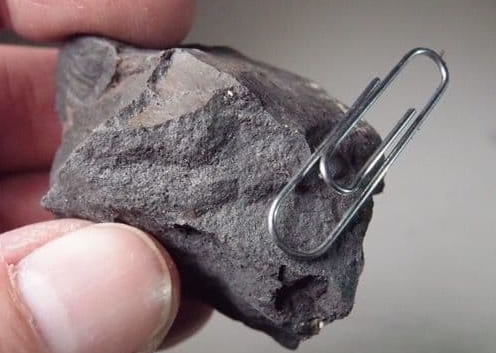
A natural magnet
What is magnetite, and why is it magnetic?
Magnetite (Fe₃O₄) is the most well-known naturally occurring magnetic material. It forms in igneous and metamorphic rocks and has been used for centuries, even by ancient navigators in the form of lodestones.
Magnetite is magnetic due to its unique crystal structure. It has both Fe²⁺ and Fe³⁺ ions. The unpaired electrons in these iron ions align in a way that creates a spontaneous magnetic field.
Not all iron-containing rocks are magnetic, though. The crystal structure and atomic arrangement are just as important as the elements themselves.
| Materiaal | Magnetic? | Natural? | Notities |
|---|---|---|---|
| cURL Too many subrequests by single Worker invocation. To configure this limit, refer to https://developers.cloudflare.com/workers/wrangler/configuration/#limits | Ja | Ja | Naturally magnetic iron oxide |
| Hematite | No | Ja | Contains iron, but not magnetic |
| Iron (metal) | Ja | No | Becomes magnetic when processed |
Understanding natural magnets helps us appreciate how industrial magnets are designed to replicate and enhance these natural properties.
What are the ingredients in a magnet?
Not all magnets are made the same. What goes into a typical industrial magnet?
Most magnets are made from ferromagnetic metals like iron, nickel, and cobalt, or rare earth metals like neodymium or samarium. The choice of materials depends on the magnet’s use.
Comparing common magnet types and materials
There are many types of magnets, each with different “ingredients” or base materials. Below are the most common:
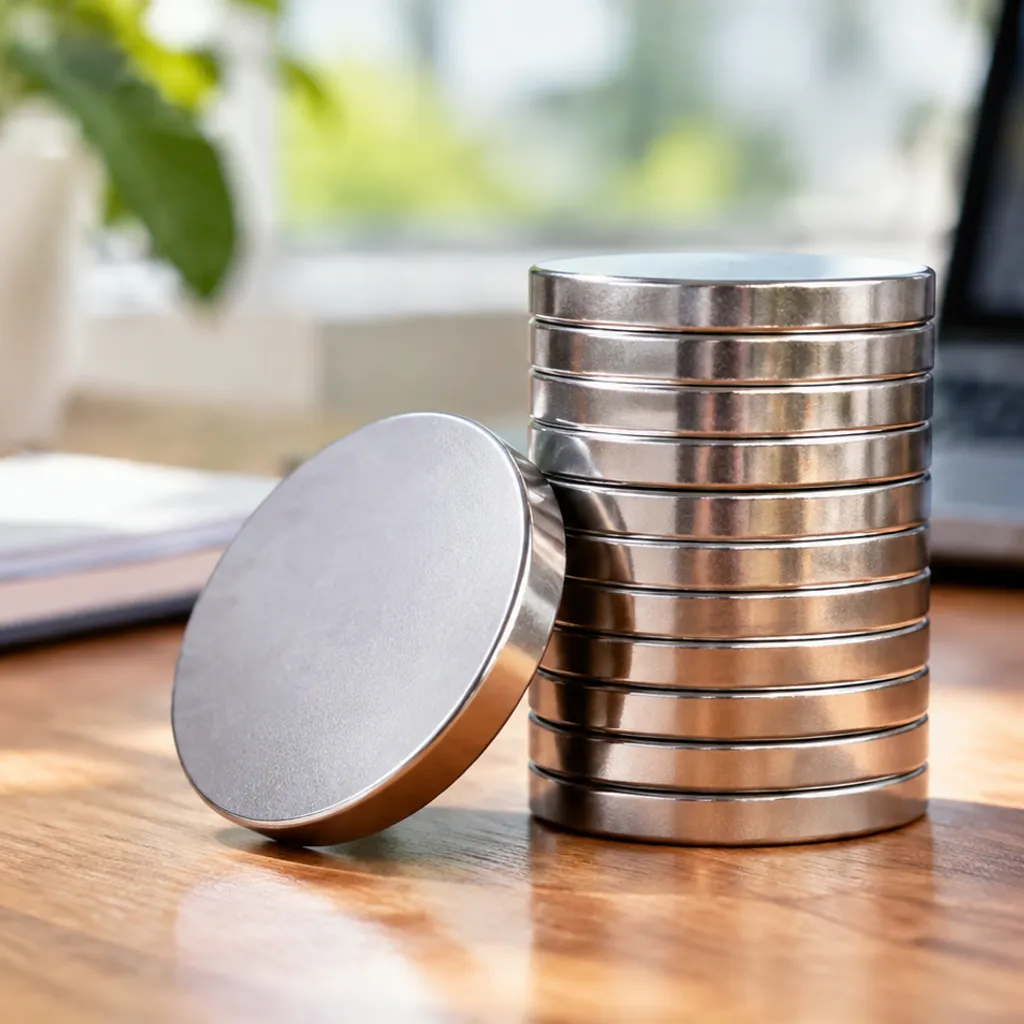
| Magnettype | Key Materials | Kracht | Temperatuurbestendigheid | Kost |
|---|---|---|---|---|
| Neodymium (NdFeB) | Neodymium, ijzer, boor | Zeer sterk | Gematigd | Hoog |
| Samarium-kobalt | Samarium, kobalt | Zeer Sterk | Zeer hoog | Very High |
| Alnico | aluuminium, nikkel, kobalt | Gematigd | Hoog | Gemiddeld |
| Feriet (Ceramic) | Iron oxide, barium/strontium | Laag tot midden | Hoog | Laag |
I’ve worked with all these types. Neodymium magnets are the most widely used due to their power, especially in small sizes. But if your project requires heat resistance—like in automotive or aerospace—Samarium Cobalt might be the better choice.
Each ingredient is carefully selected and processed to align the magnetic domains during manufacturing. Without this step, even iron won’t behave like a magnet.
Conclusie
Understanding what makes magnets magnetic helps you choose the right material for your application, whether it’s a motor, a sensor, or something simple like a fridge magnet.
 Dutch (Belgium)
 English
 German
 Vietnamese
 Spanish (Mexico)
 Russian
 Turkish
 Polish
 Hindi
 Thai
 Malay
 Korean
 Japanese
 French
 Czech
 Danish
 Dutch
 Finnish
 Italian
 Portuguese (Brazil)
 Portuguese (Portugal)
 Slovenian
 Ukrainian
 Hebrew
 Scottish Gaelic
 Hungarian
 Tagalog
 Spanish (Spain)
 Serbian
 Indonesian
 Slovak
 Persian
 Arabic
 Romanian
 Estonian
 Greek
 Bulgarian
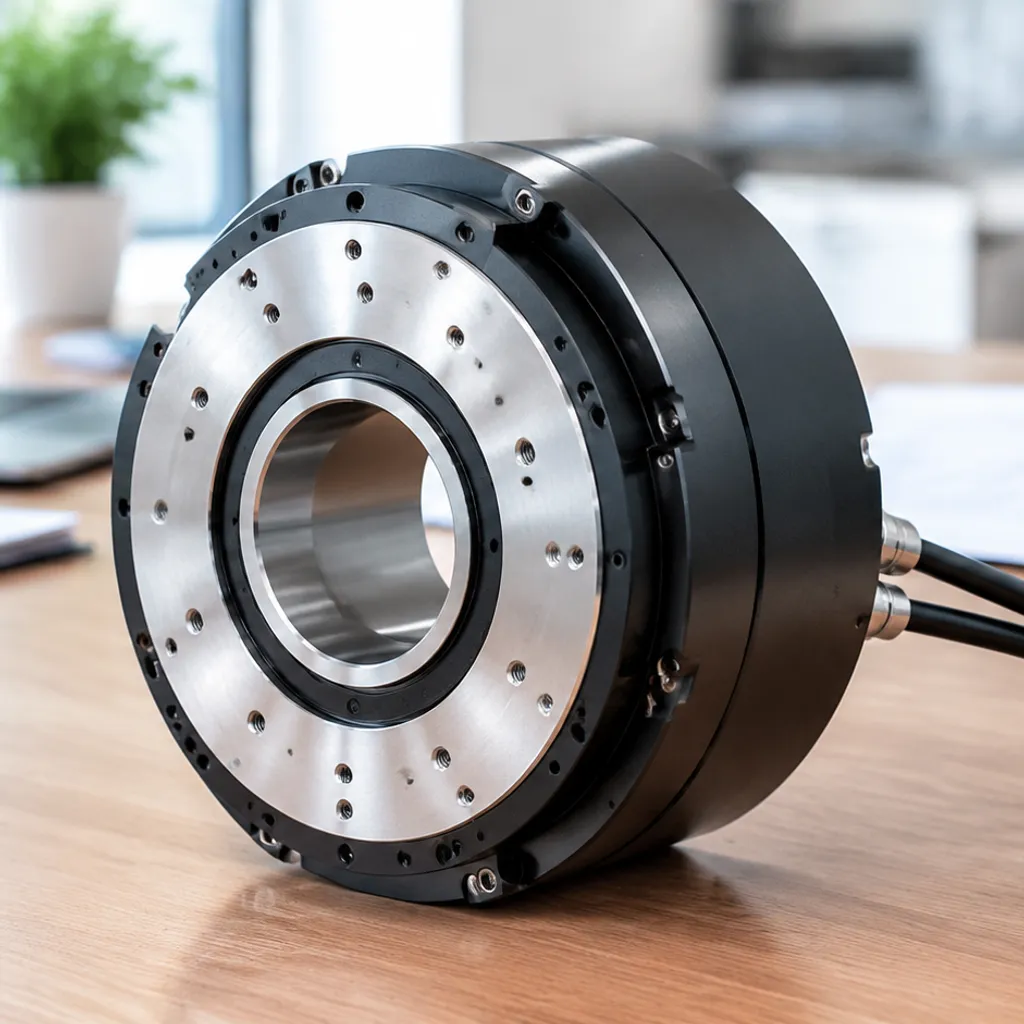
[…] more detailed info on magnet materials and strength, check out what are magnets made of and how to measure magnet […]
[…] You can also read about materials used across these types here https://nbaem.com/what-are-magnets-made-of/ […]
[…] These common methods help you get more from your magnets whether for DIY projects, industrial use, or hobby applications. For more about magnetic materials and types, check out our detailed guide on what are magnets made of. […]
[…] more on magnets and magnetic components used in similar applications, check out What Are Magnets Made Of and Magnetic Materials for Sensor […]
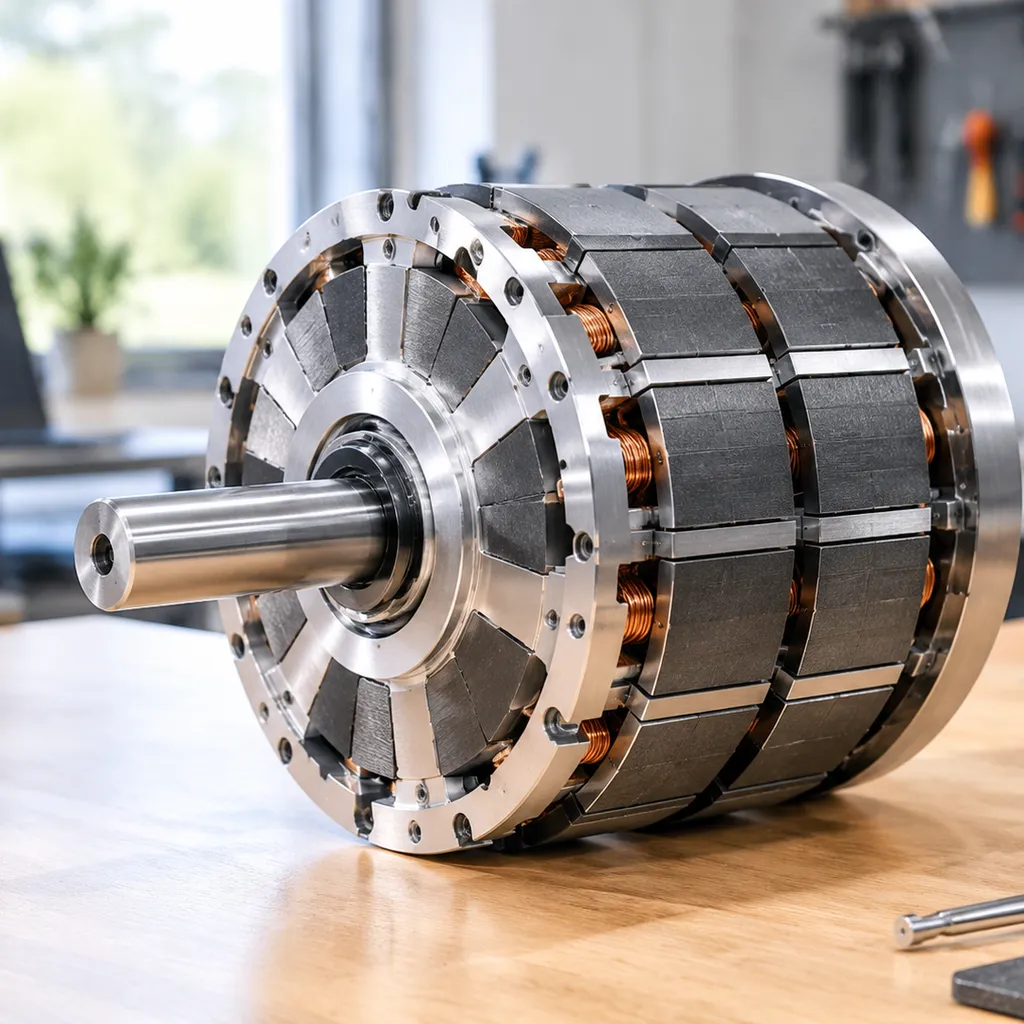
[…] what are magnets made of helps you choose the right material to avoid catastrophic thermal failure in your motor […]
[…] hurdles in securing consistent material quality and volume. Having a deep understanding of exactly what magnets are made of is essential to anticipate supply risks and plan necessary engineering alternatives. Relying on […]
cURL Too many subrequests by single Worker invocation. To configure this limit, refer to https://developers.cloudflare.com/workers/wrangler/configuration/#limits
cURL Too many subrequests by single Worker invocation. To configure this limit, refer to https://developers.cloudflare.com/workers/wrangler/configuration/#limits
cURL Too many subrequests by single Worker invocation. To configure this limit, refer to https://developers.cloudflare.com/workers/wrangler/configuration/#limits