
Are you wondering if magnets work underwater and how their magnetic strength holds up when submerged? Whether you’re into fishing magnets, designing underwater sensors, or exploring marine applications, understanding how water affects magnets is crucial. In this post, we’ll break down the science behind magnetic fields in aquatic environments and share practical insights on using waterproof magnets effectively. If you want to know how saltwater, temperature, and pressure impact magnet performance—and which materials stand up best underwater—you’re in the right place. Let’s dive straight into the magnetic world beneath the waves!
De basis van magnetisme
Magnetism is a natural force produced by moving electric charges, which creates an invisible field that can attract or repel certain materials like iron. Simply put, magnetism is the reason magnets can stick to your fridge or make compasses point north.
There are two main types of magnets:
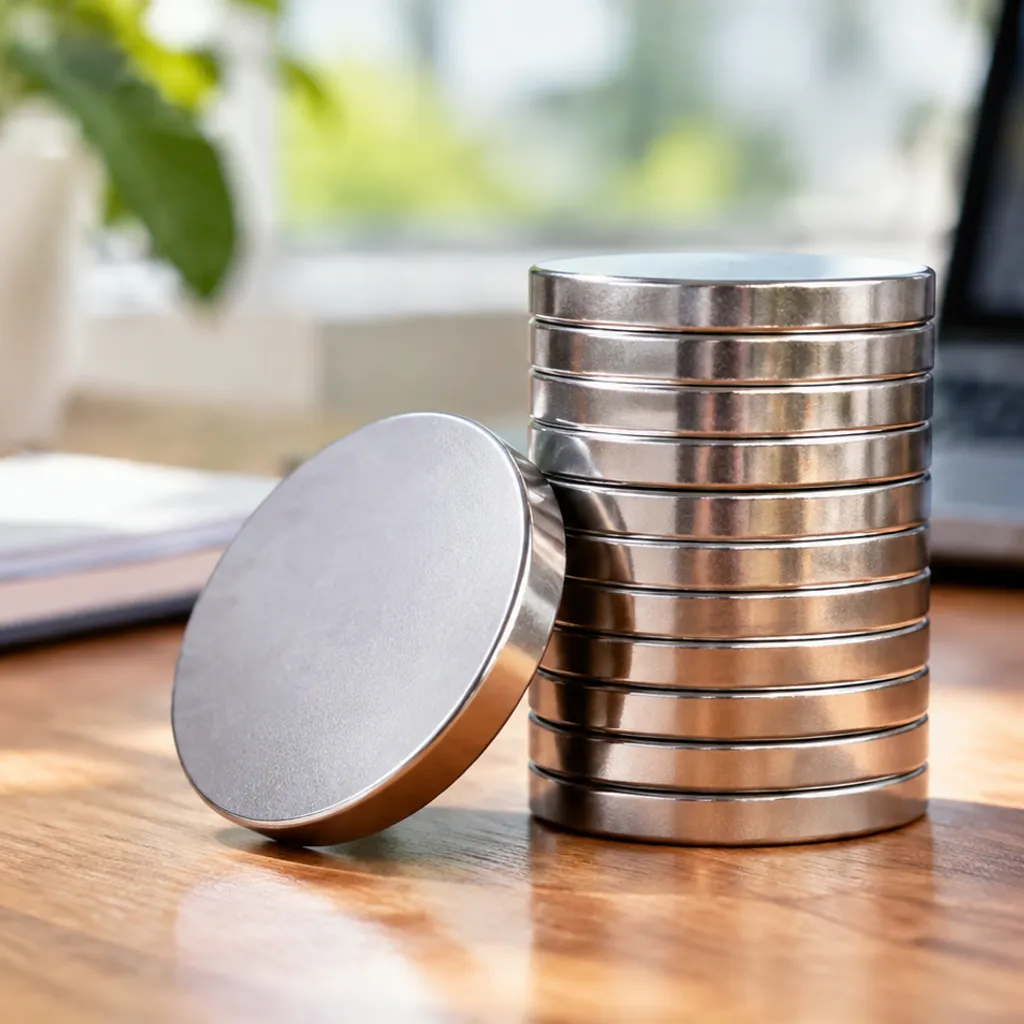
- Permanente magneten: These hold their magnetic properties all the time. Common examples include fridge magnets and rare-earth magnets like neodymium.
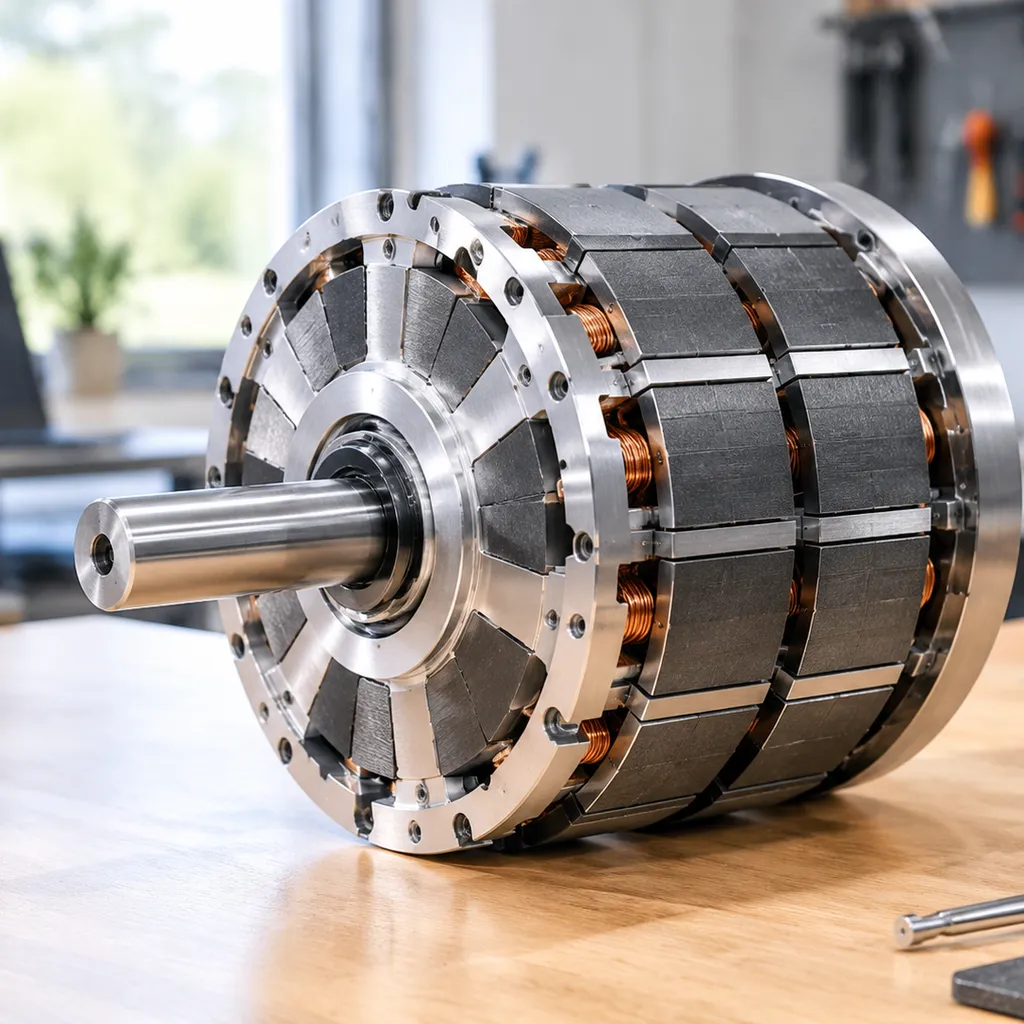
- Elektrische magneten: These only become magnetic when electricity flows through them. You see these in devices like electric motors and MRI machines.
Magnets generate magnetic fields by aligning billions of tiny magnetic domains inside materials. In permanent magnets, the domains stay aligned naturally, while in electromagnets, electric current creates the magnetic field by producing moving charges.
Understanding these basics sets the stage for exploring how magnets behave underwater and whether water affects their magnetic power.
Do Magnets Work Underwater Science Behind It
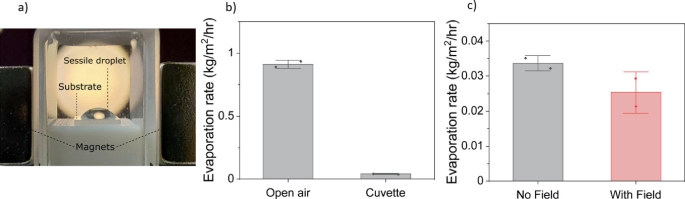
Magnets do work underwater because magnetic fields pass through water without being blocked or significantly altered. Water itself is not magnetic, so it doesn’t stop or weaken a magnet’s pull. However, the electrical conductivity of water can affect how magnetic fields behave, especially in saltwater.
Magnetic Fields and Water
- Water does not block magnetic fields: Magnetic fields travel easily through water, whether it’s fresh or saltwater.
- Water’s conductivity matters: Saltwater conducts electricity better than freshwater. This conductivity can create small electric currents when magnetic fields change, which may slightly affect how the field moves but doesn’t stop the magnet from working.
Freshwater vs Saltwater Effects
| Factor | Freshwater | Saltwater |
|---|---|---|
| Electrical Conductivity | Laag | Hoog |
| Impact on Magnetism | Minimal | Slight magnetic field distortion possible due to induced currents |
| Corrosierisico | Lager | Higher due to salt content |
Scientific Observations
Experiments show magnets maintain their strength underwater, both in lakes and oceans. The main difference comes from corrosion risks and the environment around the magnet, not from water reducing the magnetic field itself. That’s why magnets sealed in waterproof coatings still function well underwater whether in freshwater or seawater.
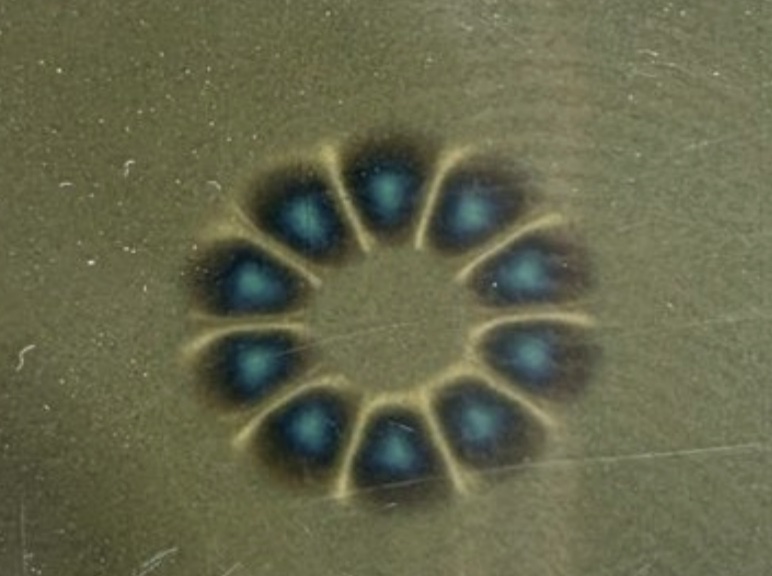
Water is slightly repelled by a strong magnet,like neodymiummagneet , you can test this by yourself. Here is a video from NurdRage cURL Too many subrequests by single Worker invocation. To configure this limit, refer to https://developers.cloudflare.com/workers/wrangler/configuration/#limits
cURL Too many subrequests by single Worker invocation. To configure this limit, refer to https://developers.cloudflare.com/workers/wrangler/configuration/#limits
cURL Too many subrequests by single Worker invocation. To configure this limit, refer to https://developers.cloudflare.com/workers/wrangler/configuration/#limits
cURL Too many subrequests by single Worker invocation. To configure this limit, refer to https://developers.cloudflare.com/workers/wrangler/configuration/#limits
cURL Too many subrequests by single Worker invocation. To configure this limit, refer to https://developers.cloudflare.com/workers/wrangler/configuration/#limits
cURL Too many subrequests by single Worker invocation. To configure this limit, refer to https://developers.cloudflare.com/workers/wrangler/configuration/#limits
cURL Too many subrequests by single Worker invocation. To configure this limit, refer to https://developers.cloudflare.com/workers/wrangler/configuration/#limits
cURL Too many subrequests by single Worker invocation. To configure this limit, refer to https://developers.cloudflare.com/workers/wrangler/configuration/#limits
cURL Too many subrequests by single Worker invocation. To configure this limit, refer to https://developers.cloudflare.com/workers/wrangler/configuration/#limits
cURL Too many subrequests by single Worker invocation. To configure this limit, refer to https://developers.cloudflare.com/workers/wrangler/configuration/#limits
cURL Too many subrequests by single Worker invocation. To configure this limit, refer to https://developers.cloudflare.com/workers/wrangler/configuration/#limits
cURL Too many subrequests by single Worker invocation. To configure this limit, refer to https://developers.cloudflare.com/workers/wrangler/configuration/#limits
cURL Too many subrequests by single Worker invocation. To configure this limit, refer to https://developers.cloudflare.com/workers/wrangler/configuration/#limits
cURL Too many subrequests by single Worker invocation. To configure this limit, refer to https://developers.cloudflare.com/workers/wrangler/configuration/#limits
cURL Too many subrequests by single Worker invocation. To configure this limit, refer to https://developers.cloudflare.com/workers/wrangler/configuration/#limits
cURL Too many subrequests by single Worker invocation. To configure this limit, refer to https://developers.cloudflare.com/workers/wrangler/configuration/#limits
cURL Too many subrequests by single Worker invocation. To configure this limit, refer to https://developers.cloudflare.com/workers/wrangler/configuration/#limits
cURL Too many subrequests by single Worker invocation. To configure this limit, refer to https://developers.cloudflare.com/workers/wrangler/configuration/#limits
cURL Too many subrequests by single Worker invocation. To configure this limit, refer to https://developers.cloudflare.com/workers/wrangler/configuration/#limits
cURL Too many subrequests by single Worker invocation. To configure this limit, refer to https://developers.cloudflare.com/workers/wrangler/configuration/#limits
cURL Too many subrequests by single Worker invocation. To configure this limit, refer to https://developers.cloudflare.com/workers/wrangler/configuration/#limits
- cURL Too many subrequests by single Worker invocation. To configure this limit, refer to https://developers.cloudflare.com/workers/wrangler/configuration/#limits
- cURL Too many subrequests by single Worker invocation. To configure this limit, refer to https://developers.cloudflare.com/workers/wrangler/configuration/#limits
- cURL Too many subrequests by single Worker invocation. To configure this limit, refer to https://developers.cloudflare.com/workers/wrangler/configuration/#limits
cURL Too many subrequests by single Worker invocation. To configure this limit, refer to https://developers.cloudflare.com/workers/wrangler/configuration/#limits
Recommendations for Specific Applications
- Voor fishing magnets and treasure hunting, coated neodymium magnets work best because you want the strongest pull with some corrosion protection.
- In marine sensors and ship parts, ferrite magnets or encapsulated neodymium magnets provide a good balance of strength and durability.
- Voor deep-sea equipment, Alnico magnets with proper sealing are often preferred thanks to their temperature resistance and stability under pressure.
Choosing the right magnet and protective treatment depends on the water type, pressure, and expected wear. This ensures your magnets keep working underwater without losing strength or falling apart.
Practical Applications of Magnets Underwater
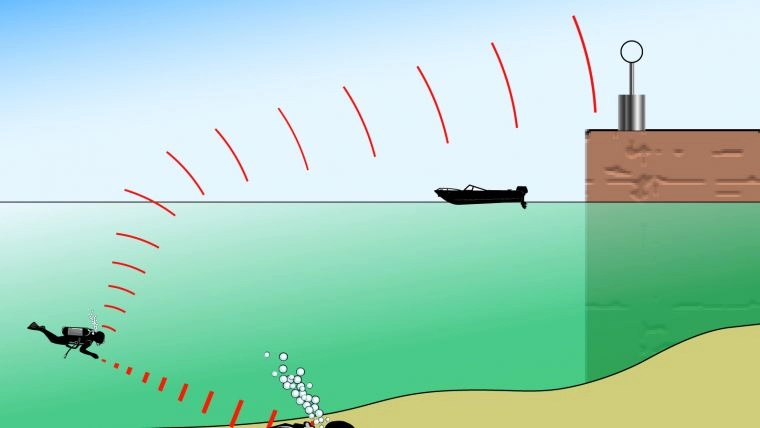
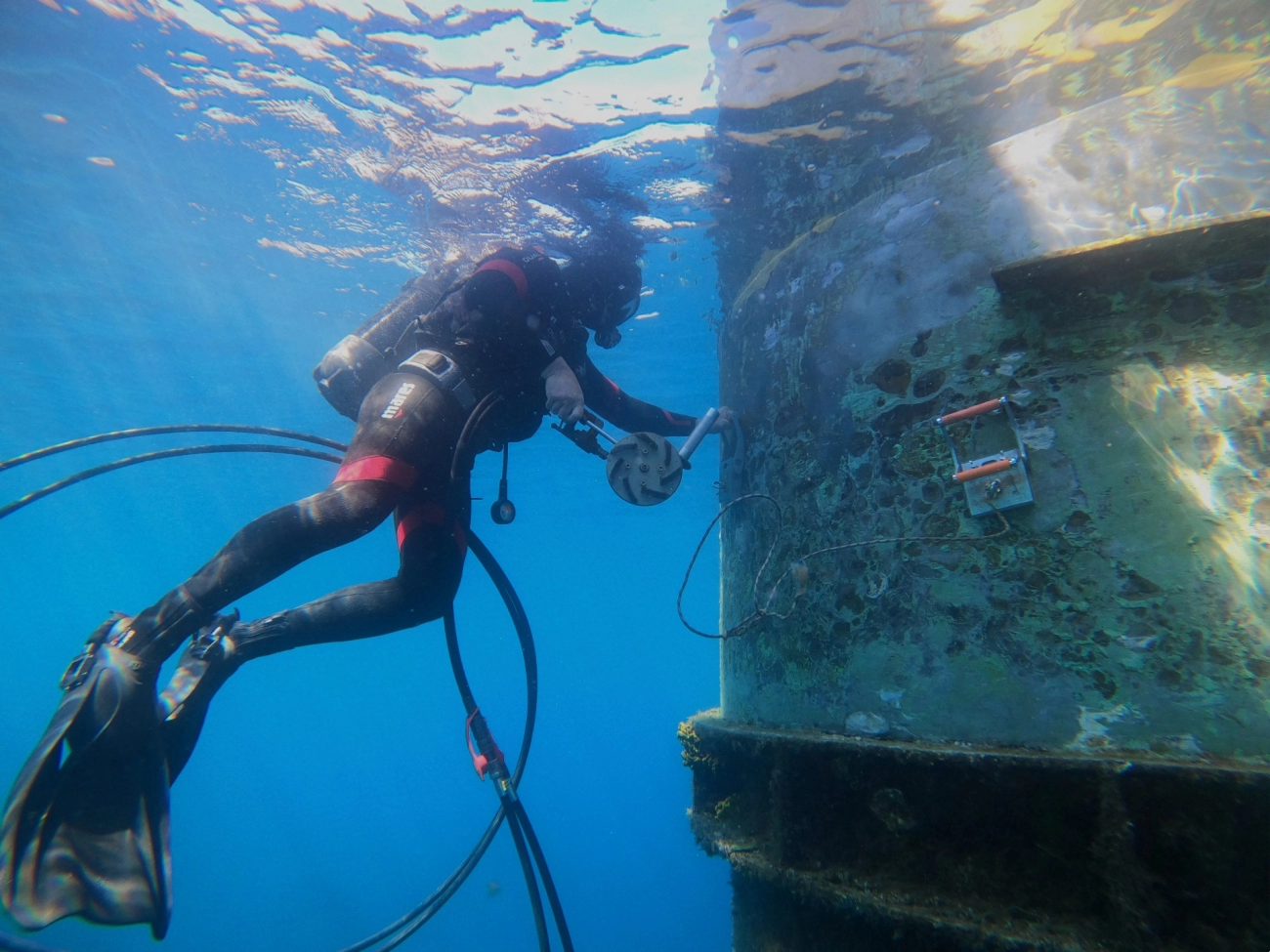
Magnets play an important role underwater across many fields. In marine science, underwater sensors and instruments often rely on magnets for data collection, communication, and sealing parts without electrical connections. These sensors help monitor water quality, ocean currents, and marine life.
For hobbyists and professionals alike, fishing magnets and treasure hunting are popular uses. Strong neodymium magnets attract metal objects lost underwater, making it easier to recover tools, coins, or relics from lakes, rivers, and oceans.
In the marine industry, magnets are integrated into ship components, anchors, and sensor systems. Magnetic couplings and seals reduce wear and prevent leaks, while magnetic sensors assist with navigation and detecting underwater structures. Industries benefit from magnets that can withstand harsh saltwater environments.
Innovations in underwater magnetic technology keep improving. New coatings and encapsulation methods protect magnets from corrosion, while smarter sensor designs increase accuracy and reliability. These advances open up more applications from deep-sea exploration to environmental monitoring.
Tips for Maintaining Magnets Used Underwater
Keeping magnets in good shape underwater takes some care, especially since water—especially saltwater—can cause corrosion and weaken magnetic strength.
Preventing Corrosion and Maintaining Strength
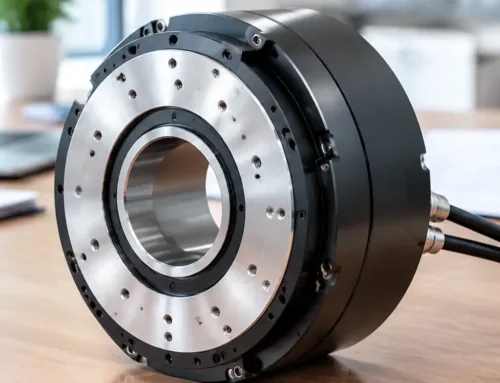
- Use waterproof coatings or encapsulation to protect magnets from direct exposure to water. This is crucial for materials like neodymium magnets that can corrode easily.
- Choose magnets made from corrosion-resistant materials like ferrite or coated Neodymium to help maintain strength.
- Rinse magnets with fresh water after use in saltwater to remove salt deposits that speed up rust and damage.
Proper Storage and Handling After Water Exposure
- Dry magnets completely before storing them to avoid lingering moisture causing corrosion.
- Store magnets in a dry, cool place away from humidity and extreme temperatures.
- Avoid dropping or striking magnets as physical damage can weaken their magnetic field.
Best Practices to Extend Magnet Lifespan Underwater
- Regularly inspect magnets for signs of rust or coating damage and address issues quickly.
- Use magnet encasements designed for marine environments for long-term underwater applications.
- Consider the type of water (freshwater vs saltwater) and adjust maintenance accordingly since saltwater is harsher.
Frequently Asked Questions About Magnets Underwater
Can magnets lose strength underwater?
Magnets generally do not lose their magnetic strength simply by being underwater. Water itself does not weaken a magnet’s magnetic field. However, long-term exposure to water, especially saltwater, can cause corrosion or rust in some magnets, which may indirectly affect their performance.
Are all magnets waterproof?
cURL Too many subrequests by single Worker invocation. To configure this limit, refer to https://developers.cloudflare.com/workers/wrangler/configuration/#limits
cURL Too many subrequests by single Worker invocation. To configure this limit, refer to https://developers.cloudflare.com/workers/wrangler/configuration/#limits
cURL Too many subrequests by single Worker invocation. To configure this limit, refer to https://developers.cloudflare.com/workers/wrangler/configuration/#limits
cURL Too many subrequests by single Worker invocation. To configure this limit, refer to https://developers.cloudflare.com/workers/wrangler/configuration/#limits
- cURL Too many subrequests by single Worker invocation. To configure this limit, refer to https://developers.cloudflare.com/workers/wrangler/configuration/#limits
- cURL Too many subrequests by single Worker invocation. To configure this limit, refer to https://developers.cloudflare.com/workers/wrangler/configuration/#limits
- cURL Too many subrequests by single Worker invocation. To configure this limit, refer to https://developers.cloudflare.com/workers/wrangler/configuration/#limits
- cURL Too many subrequests by single Worker invocation. To configure this limit, refer to https://developers.cloudflare.com/workers/wrangler/configuration/#limits
cURL Too many subrequests by single Worker invocation. To configure this limit, refer to https://developers.cloudflare.com/workers/wrangler/configuration/#limits
 Dutch (Belgium)
 English
 German
 Vietnamese
 Spanish (Mexico)
 Russian
 Turkish
 Polish
 Hindi
 Thai
 Malay
 Korean
 Japanese
 French
 Czech
 Danish
 Dutch
 Finnish
 Italian
 Portuguese (Brazil)
 Portuguese (Portugal)
 Slovenian
 Ukrainian
 Hebrew
 Scottish Gaelic
 Hungarian
 Tagalog
 Spanish (Spain)
 Serbian
 Indonesian
 Slovak
 Persian
 Arabic
 Romanian
 Estonian
 Greek
 Bulgarian
Laat een opmerking achter