
Overview of Common Magnetic Materials Used in Sensors
Magnetic materials are the heart of many sensor technologies, each type bringing unique properties that fit specific sensor applications. Understanding these materials helps in selecting the best option for performance, cost, and environment.
Ferriet magneten
Ferrite magnets are ceramic compounds made mainly of iron oxide combined with barium or strontium. Known for their low cost and corrosion resistance, ferrites offer moderate magnetic strength and excellent temperature stability. They are widely used in consumer electronics, inductive sensors, and position sensing where affordability and durability matter.
Neodymium NdFeB magneten
Neodymium magnets, based on neodymium-iron-boron alloys, are famous for their extremely high energy density. This high magnetic strength translates to smaller and more sensitive sensor components. However, NdFeB magnets are prone to corrosion and have lower thermal stability, often requiring coatings or special housings in tough environments.
Samarium-kobalt SmCo-magneten
Samarium cobalt magnets provide an excellent balance of high magnetic strength and outstanding thermal stability, withstanding temperatures beyond 250°C. Their corrosion resistance makes them ideal for aerospace, automotive, and industrial sensors operating in harsh or high-temperature environments. Though more expensive than NdFeB, SmCo magnets last longer under demanding conditions.
Alnico magneten
Alnico magnets, composed mainly of aluminum, nickel, and cobalt, feature high temperature tolerance and stable magnetization over a wide temperature range. While their magnetic strength is lower than rare earth magnets, they excel in applications requiring steady magnetism without degradation across temperature swings, such as certain speed and position sensors.
Amorphous and Nanocrystalline Magnetic Materials
Emerging magnetic materials like amorphous and nanocrystalline alloys are gaining interest due to their superior magnetic softness, low coercivity, and high permeability. These materials are ideal for precision sensing where low noise and fast response are critical. Their unique microstructures also allow better adaptability for miniaturized and flexible sensor designs.
Each magnetic material offers a distinct set of advantages suited for various sensor types. Selecting the right magnet depends on balancing magnetic properties, operating environment, size constraints, and cost. For a detailed understanding of magnetic properties, NBAEM offers extensive insights into magnetische anisotropie and sensor magnet materials tailored to your needs.
Key Magnetic Properties Critical for Sensor Applications
When choosing magnetic materials for sensor use, certain properties really stand out because they directly impact how well the sensor performs and lasts.
Coerciviteit
This is the material’s resistance to losing its magnetism when exposed to external magnetic fields or temperature changes. High coercivity means your sensor stays accurate over time, avoiding signal drift or failure. It’s essential for reliable sensor operation, especially in tough environments.
Remanence and Magnetic Flux Density
Remanence is the remaining magnetism after removing an external magnetic field. It determines how strong the sensor’s magnetic signal is. Higher remanence and magnetic flux density mean better sensitivity, allowing the sensor to pick up smaller changes in magnetic fields. This is key for precision in Hall effect and magnetoresistive sensors.
Curie Temperature and Thermal Stability
The Curie temperature marks the point at which a magnet loses its magnetic properties due to heat. Materials with a high Curie temperature maintain performance in high-temperature setups, common in automotive or industrial sensors. Thermal stability ensures consistent readings over temperature swings without material degradation.
Magnetic Permeability and Hysteresis Losses
Magnetic permeability defines how easily a material channels magnetic fields. High permeability helps sensors respond faster and more accurately. Low hysteresis loss means less energy wasted during magnetic cycling, which is vital for sensors that operate continuously or at high speeds.
Corrosion Resistance and Environmental Durability
cURL Too many subrequests by single Worker invocation. To configure this limit, refer to https://developers.cloudflare.com/workers/wrangler/configuration/#limits
cURL Too many subrequests by single Worker invocation. To configure this limit, refer to https://developers.cloudflare.com/workers/wrangler/configuration/#limits
Comparative Analysis Performance Cost and Application Suitability
cURL Too many subrequests by single Worker invocation. To configure this limit, refer to https://developers.cloudflare.com/workers/wrangler/configuration/#limits
Performance Metrics Comparison
| Magnetisch Material | Energiedichtheid | Coerciviteit | Thermische stabiliteit | Corrosiebestendigheid | cURL Too many subrequests by single Worker invocation. To configure this limit, refer to https://developers.cloudflare.com/workers/wrangler/configuration/#limits |
|---|---|---|---|---|---|
| Neodymium (NdFeB) | Very High | Gemiddeld | Gematigd | Laag | Uitstekend |
| Samarium Cobalt (SmCo) | Hoog | Hoog | Uitstekend | Uitstekend | Gematigd |
| Ferriet | Laag | Gemiddeld | Goed | cURL Too many subrequests by single Worker invocation. To configure this limit, refer to https://developers.cloudflare.com/workers/wrangler/configuration/#limits | Limited |
| Alnico | Gematigd | Laag | Very High | Gematigd | Slecht |
| cURL Too many subrequests by single Worker invocation. To configure this limit, refer to https://developers.cloudflare.com/workers/wrangler/configuration/#limits | Variabel | Hoog | Hoog | Goed | Goed |
Cost Effectiveness for Sensor Types
- Neodymium cURL Too many subrequests by single Worker invocation. To configure this limit, refer to https://developers.cloudflare.com/workers/wrangler/configuration/#limits
- Samarium-kobalt cURL Too many subrequests by single Worker invocation. To configure this limit, refer to https://developers.cloudflare.com/workers/wrangler/configuration/#limits
- Ferrietmagneten cURL Too many subrequests by single Worker invocation. To configure this limit, refer to https://developers.cloudflare.com/workers/wrangler/configuration/#limits
- Alnico cURL Too many subrequests by single Worker invocation. To configure this limit, refer to https://developers.cloudflare.com/workers/wrangler/configuration/#limits
- cURL Too many subrequests by single Worker invocation. To configure this limit, refer to https://developers.cloudflare.com/workers/wrangler/configuration/#limits cURL Too many subrequests by single Worker invocation. To configure this limit, refer to https://developers.cloudflare.com/workers/wrangler/configuration/#limits
Suitability by Sensor Application
- Hall Effect Sensors: cURL Too many subrequests by single Worker invocation. To configure this limit, refer to https://developers.cloudflare.com/workers/wrangler/configuration/#limits
- cURL Too many subrequests by single Worker invocation. To configure this limit, refer to https://developers.cloudflare.com/workers/wrangler/configuration/#limits cURL Too many subrequests by single Worker invocation. To configure this limit, refer to https://developers.cloudflare.com/workers/wrangler/configuration/#limits
- cURL Too many subrequests by single Worker invocation. To configure this limit, refer to https://developers.cloudflare.com/workers/wrangler/configuration/#limits cURL Too many subrequests by single Worker invocation. To configure this limit, refer to https://developers.cloudflare.com/workers/wrangler/configuration/#limits
- cURL Too many subrequests by single Worker invocation. To configure this limit, refer to https://developers.cloudflare.com/workers/wrangler/configuration/#limits cURL Too many subrequests by single Worker invocation. To configure this limit, refer to https://developers.cloudflare.com/workers/wrangler/configuration/#limits
Impact of Size and Miniaturization
cURL Too many subrequests by single Worker invocation. To configure this limit, refer to https://developers.cloudflare.com/workers/wrangler/configuration/#limits
cURL Too many subrequests by single Worker invocation. To configure this limit, refer to https://developers.cloudflare.com/workers/wrangler/configuration/#limits
Environmental and Operational Factors Affecting Material Selection
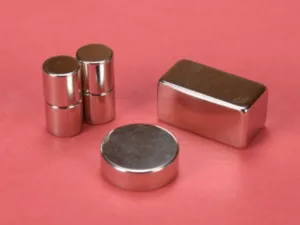
cURL Too many subrequests by single Worker invocation. To configure this limit, refer to https://developers.cloudflare.com/workers/wrangler/configuration/#limits
High Temperature and Harsh Environments
cURL Too many subrequests by single Worker invocation. To configure this limit, refer to https://developers.cloudflare.com/workers/wrangler/configuration/#limits
Mechanical Stress and Vibration
cURL Too many subrequests by single Worker invocation. To configure this limit, refer to https://developers.cloudflare.com/workers/wrangler/configuration/#limits
Longevity and Magnet Aging
cURL Too many subrequests by single Worker invocation. To configure this limit, refer to https://developers.cloudflare.com/workers/wrangler/configuration/#limits
cURL Too many subrequests by single Worker invocation. To configure this limit, refer to https://developers.cloudflare.com/workers/wrangler/configuration/#limits
Case Studies Successful Sensor Applications Using Different Magnetic Materials
Let’s look at how different magnetic materials perform in real-world sensor applications across industries, highlighting why their unique traits matter.
NdFeB Magnets in Automotive Sensors
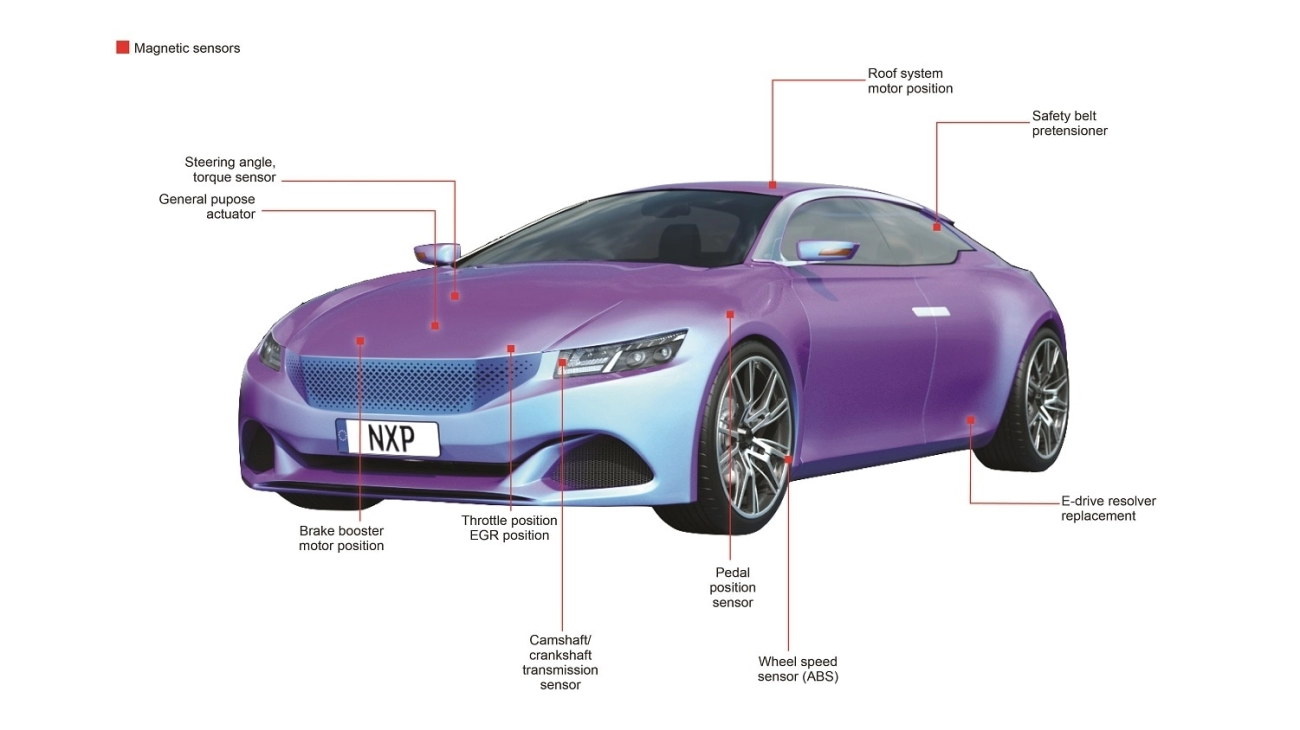
Neodymium Iron Boron (NdFeB) magnets are the go-to for many automotive sensors because of their high energy density and strong magnetic fields. They help in:
- Precise position sensing (e.g., camshaft and crankshaft sensors)
- Speed detection (wheel speed sensors)
- Reliable operation even in compact spaces due to their size advantage
Their strong magnetization improves sensor sensitivity and overall vehicle performance.
SmCo Magnets in Aerospace Sensors
Samarium Cobalt (SmCo) magnets shine in aerospace thanks to their:
- Uitstekend thermal stability at high altitudes and extreme temperature swings
- Superior corrosiebestendigheid, making them durable under harsh environmental conditions
- Stability over time, ensuring precise sensor readings critical for flight safety and control systems
They’re often used in navigation sensors and actuator mechanisms where reliability is non-negotiable.
Ferrite Magnets in Consumer Electronics Sensors
Ferrite magnets, though lower in energy density, are a solid choice for consumer electronics due to their:
- Cost-effectiveness and wide availability
- Good resistance to corrosion and demagnetization in everyday use
- Application in Hall effect sensors and small inductive sensors like those in smartphones and home appliances
They balance performance and affordability for mass-market sensor solutions.
NBAEM’s Magnetic Material Solutions for Sensor Clients
NBAEM, a Chinese magnetic material supplier, customizes magnetic materials tailored to diverse sensor needs:
- Offering NdFeB magnets optimized for automotive and industrial sensor applications
- Providing SmCo magnets designed to withstand aerospace-level thermal and corrosion challenges
- Supplying ferrite and emerging nanocrystalline materials for cost-sensitive and precision electronic sensors
Their R&D focus ensures materials meet US market standards for sensor magnet performance and durability.
| Magnetisch Material | Typische toepassingen | Key Advantages | NBAEM Offering Highlights |
|---|---|---|---|
| NdFeB | Automotive sensors | High energy density, compact | Custom grades for sensitive sensors |
| SmCo | Aerospace sensors | Thermal stability, corrosion resistance | High-temp stable formulations |
| Ferriet | Consumentenelektronica | Cost-effective, corrosion resistant | Standard and customized options |
| Nanocrystalline | Emerging sensors | High sensitivity, low losses | Innovative solutions for precision |
This quick overview shows why choosing the right magnetic material matters in sensor applications—and how NBAEM supports these US market demands with reliable options.
Future Trends and Innovations in Magnetic Materials for Sensors
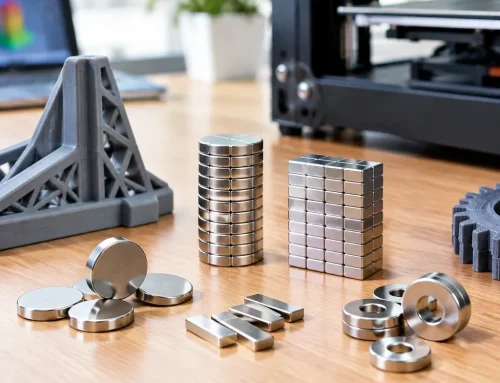
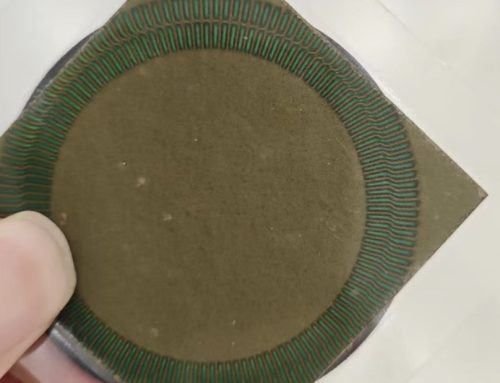
Material science is pushing magnetic sensors to new levels. Advances are focusing on improving sensitivity, stability, and miniaturization—key for smart devices and the growing IoT market in the U.S. Sensors now benefit from magnetic materials that adapt to changing conditions, making them smarter and more reliable.
cURL Too many subrequests by single Worker invocation. To configure this limit, refer to https://developers.cloudflare.com/workers/wrangler/configuration/#limits
cURL Too many subrequests by single Worker invocation. To configure this limit, refer to https://developers.cloudflare.com/workers/wrangler/configuration/#limits
cURL Too many subrequests by single Worker invocation. To configure this limit, refer to https://developers.cloudflare.com/workers/wrangler/configuration/#limits
 Dutch (Belgium)
 English
 German
 Vietnamese
 Spanish (Mexico)
 Russian
 Turkish
 Polish
 Hindi
 Thai
 Malay
 Korean
 Japanese
 French
 Czech
 Danish
 Dutch
 Finnish
 Italian
 Portuguese (Brazil)
 Portuguese (Portugal)
 Slovenian
 Ukrainian
 Hebrew
 Scottish Gaelic
 Hungarian
 Tagalog
 Spanish (Spain)
 Serbian
 Indonesian
 Slovak
 Persian
 Arabic
 Romanian
 Estonian
 Greek
 Bulgarian

cURL Too many subrequests by single Worker invocation. To configure this limit, refer to https://developers.cloudflare.com/workers/wrangler/configuration/#limits
cURL Too many subrequests by single Worker invocation. To configure this limit, refer to https://developers.cloudflare.com/workers/wrangler/configuration/#limits